
The Best Cultural Experiences in Japan (and How to Book Them)
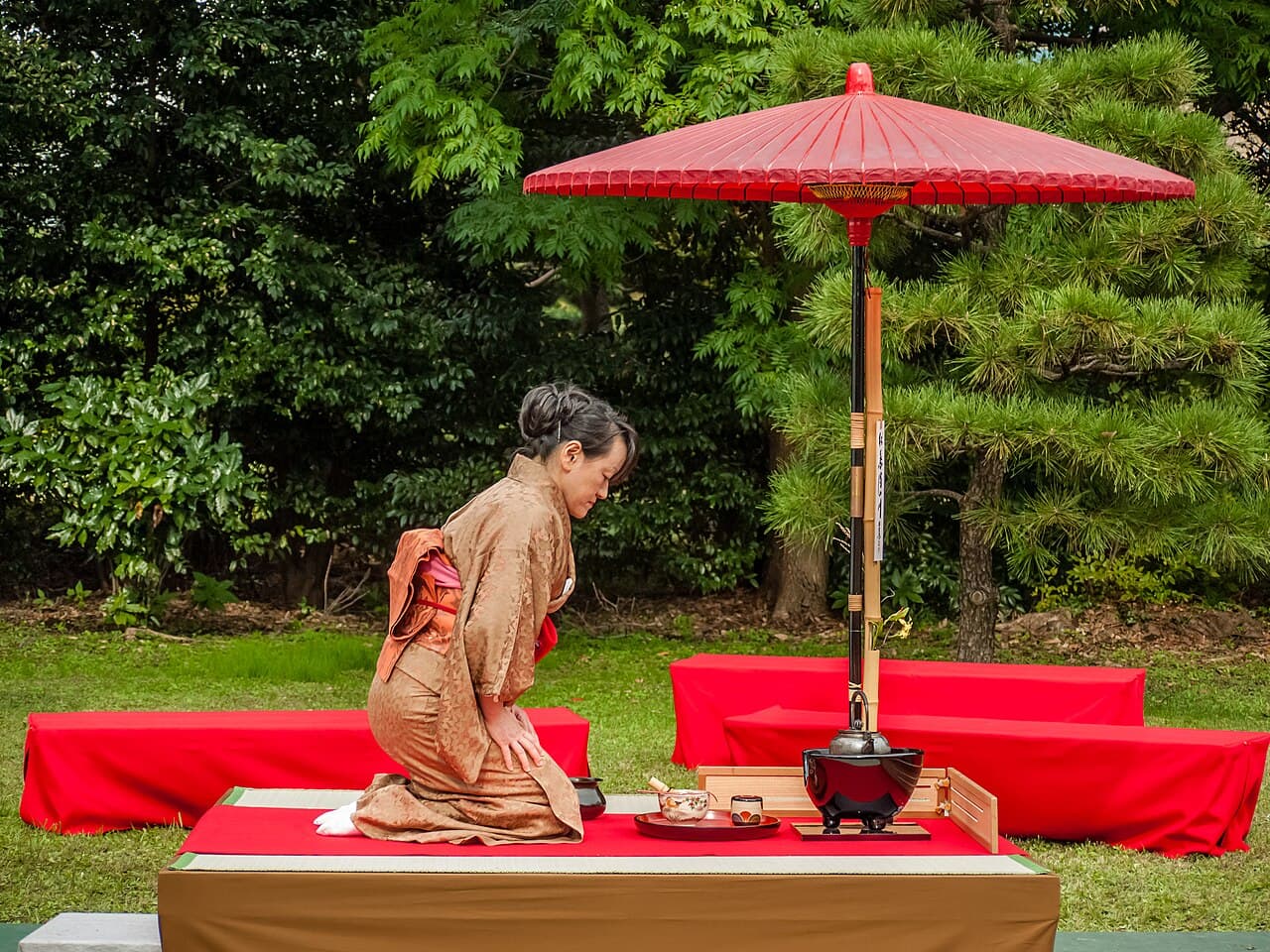
Japan's best cultural experiences are hands-on, English-friendly workshops that let you do a tradition rather than just watch it. Almost every one below is a 1–2 hour drop-in session, no prior experience needed — you book online, show up, and a teacher guides you step by step. This is the Japan-wide hub; for full details, pricing, and booking on any single experience, follow its link.
Two cities anchor the scene. Kyoto is where the refined, centuries-old arts feel most at home — tea, Zen, geisha, sake, ceramics. Tokyo is faster and more hands-on — samurai and ninja studios, sushi kitchens, calligraphy and craft ateliers. Many experiences exist in both cities, so pick by the mood you want.
The best cultural experiences at a glance
| Experience | Best city | What you actually do | Roughly how long |
|---|---|---|---|
| Tea ceremony (sado) | Kyoto | Whisk and drink matcha in a ritual with sweets | ~1 hr |
| Zazen meditation | Kyoto | Seated Zen meditation guided by a monk | ~1 hr |
| Kimono rental | Tokyo (Asakusa) | Get dressed in kimono and explore old-town streets | Half/full day |
| Samurai experience | Tokyo | Learn sword forms and etiquette from an instructor | 1–2 hr |
| Ninja experience | Tokyo | Stealth, shuriken throwing and ninja skills | 1–2 hr |
| Calligraphy (shodo) | Tokyo | Brush-write kanji with ink on washi paper | ~1 hr |
| Pottery (yakimono) | Kyoto | Shape a bowl or cup on the wheel | 1–2 hr |
| Sushi making | Tokyo | Roll and shape sushi with a chef | 1–2 hr |
| Taiko drumming | Tokyo | Play thunderous Japanese drums | ~1 hr |
| Geisha experience | Kyoto | Meet or watch a maiko/geiko perform | Varies |
| Sumo experience | Tokyo | Watch a live show or visit a stable | 1.5–3 hr |
Grouped by what you love
Slow and meditative. The tea ceremony is Japan's signature ritual — a practice that dates back over 1,000 years, carries a deep Zen influence, and centres on the careful preparation and serving of matcha with sweets. Pair it with zazen, seated Zen meditation offered in temple settings for peace and clarity. If you only do one refined thing in Kyoto, make it these — or go quieter still with a kōdō incense appreciation session, a private garden ritual built around scent rather than taste.
Hands-on making. Prefer to create something? Try pottery in Kyoto, calligraphy in Tokyo, hand-make a sheet of washi paper in Kyoto, fold your own in an origami class in Tokyo, or kintsugi, ikebana and wagashi sweet-making — all genuine traditional arts that reward attention to detail. Foodies should book sushi making in Tokyo. Musically inclined? Try a shamisen trial lesson. Green-thumbed travellers can prune and wire a bonsai at a working Tokyo garden, and knife lovers can sharpen and engrave their own kitchen knife in Asakusa.
High-energy and playful. For adrenaline, the samurai and ninja studios in Tokyo teach real forms in a fun, beginner-friendly way, and taiko drumming is pure joy.
Dress up and step back in time. Kimono rental in Asakusa turns a walk through old Tokyo into a photo-worthy day, while a geisha experience in Kyoto connects you to the geiko and maiko tradition centred on historic districts like Gion.
Which should you pick?
- First trip, limited time: tea ceremony + kimono. Iconic, easy, photogenic.
- Culture-deep travellers: tea ceremony, zazen, and a geisha experience in Kyoto.
- Families and thrill-seekers: ninja, samurai, taiko.
- Makers and foodies: pottery, calligraphy, sushi making.
Before a tea session, skim our tea ceremony etiquette guide so you feel confident. Planning a city base? Our Kyoto cultural experiences and Tokyo cultural experiences pillars break each city down further. And to time your visit around festivals and seasonal happenings, check Japan-Event — pairing a cultural workshop with a nearby festival is the best way to feel Japan.
Beyond Tokyo and Kyoto
The experiences above cover the two cities most first-time visitors base themselves in, but the country goes much further. In Nara, try hand-pressing your own stick of ink at a 150-year-old workshop, or rent a kimono a short walk from Todaiji. In Hiroshima, walk the historic brewery street on a Saijo sake tour, or make your own brush in the town that produces most of Japan's. And in Hakone, pair a yosegi-zaiku marquetry workshop with an onsen day trip for a craft-then-soak day within reach of Tokyo. All three cities also now have a tea-ceremony option: Isuien Garden in Nara, a 300-year-old temple on Miyajima, and Gora Park's teahouse in Hakone each pair a walk-in or budget option with a pricier guided alternative. Three of those cities now have enough experiences to compare side by side: see our Nara, Hiroshima and Hakone comparison guides for a full price/time/who-it's-for breakdown of each. Already have a favourite sake experience? Compare it with our Takayama brewery tour, and if geisha culture drew you to Kyoto, Kanazawa's Higashi Chaya district is one of the few other places to see it — while there, pair it with a tea ceremony inside Kenrokuen garden. And near Osaka, a short trip to Sakai lets you hand-forge a real Japanese kitchen knife in a 600-year-old blacksmithing town.
FAQ
Everything below reflects typical visitor experiences as of 2026; confirm current prices and schedules on each experience page.
Two additions for travellers going beyond the Tokyo–Kyoto axis: Kanazawa, which has intact teahouse districts and makes about 99% of Japan's gold leaf, and a temple stay on Koyasan — a night inside a working Shingon monastery, from roughly ¥12,000 including two vegetarian meals.
FAQ
- What are the best cultural experiences in Japan?
- The most popular are the tea ceremony, zazen meditation, kimono wearing, samurai and ninja training, calligraphy, pottery, taiko drumming, sushi-making, and geisha and sake culture. Nearly all are offered as short, English-friendly workshops for visitors.
- Do I need any prior experience or Japanese language?
- No. Almost every experience is a beginner-friendly 1–2 hour drop-in session, and providers popular with tourists run English-friendly classes. A teacher guides you through each step.
- Kyoto or Tokyo for cultural experiences?
- Kyoto leans refined and traditional — tea, Zen, geisha, sake and ceramics feel most at home there. Tokyo is faster and more hands-on, with samurai and ninja studios, sushi kitchens and craft ateliers. Many experiences exist in both.
- How much do cultural experiences cost?
- Prices vary by provider and year, so we don't list a single figure here. Most are affordable half-day activities — check the from-price and current details on each linked experience page.
- How long does a typical experience take?
- Most are 1–2 hour workshops, ideal to slot into a day of sightseeing. Kimono rental can run a half or full day, and some experiences vary — see the specific page for timing.
- Can I see a geisha in Japan?
- Geiko (geisha) and maiko culture is primarily a Kyoto tradition, centred on historic districts like Gion. You can book proper geisha experiences rather than trying to spot one on the street.
- Is the tea ceremony worth doing?
- Yes — it's Japan's signature ritual, over 1,000 years old and deeply Zen-influenced. It's calm, beautiful and beginner-friendly. Read our tea ceremony etiquette guide first to feel confident.
- How do I book these experiences?
- Book online in advance through each experience page. Popular sessions fill up, especially in peak seasons, so reserve early and confirm the current schedule and price before you go.
Try it yourself
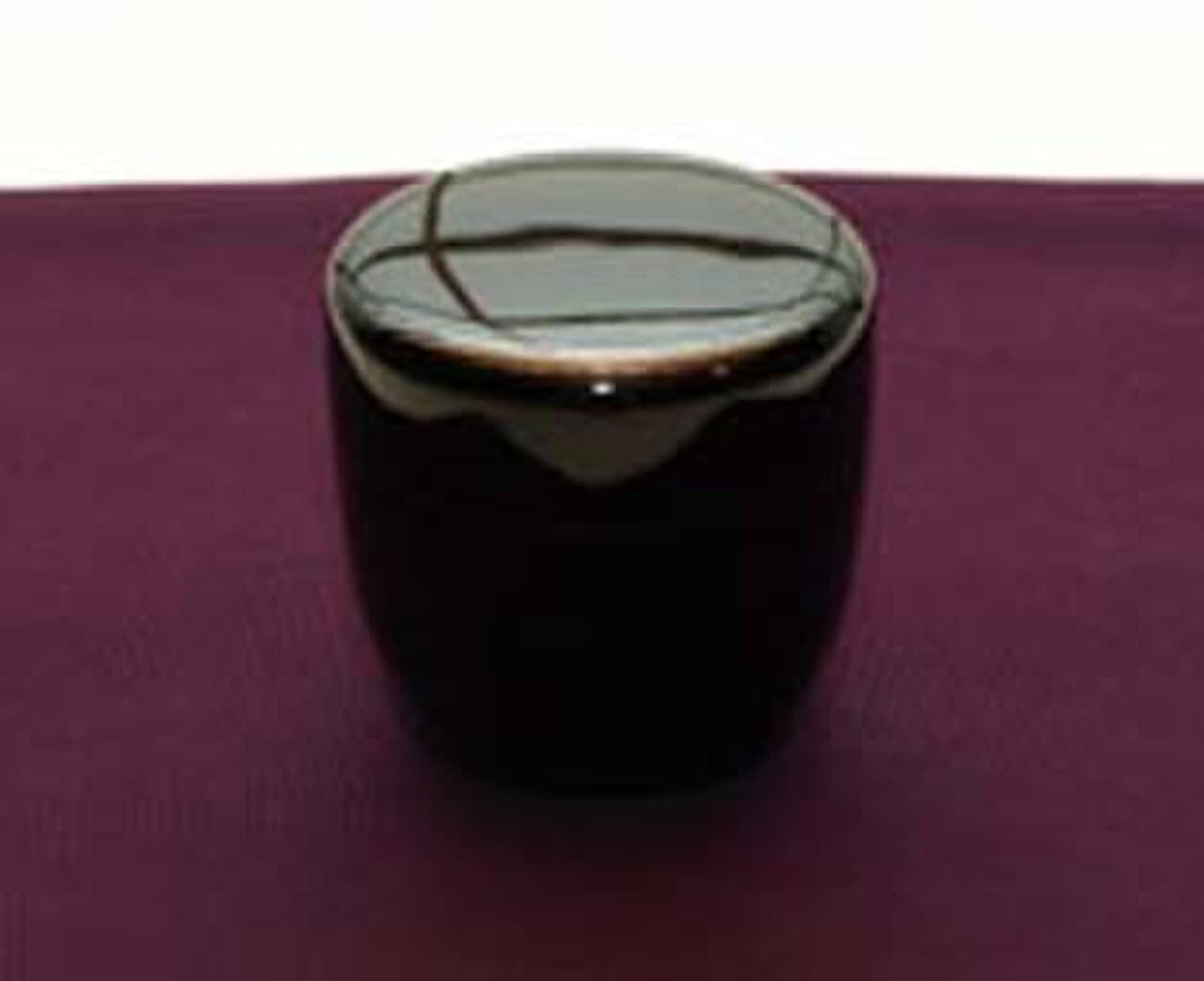
Tea ceremonyKyoto
Tea ceremony in Kyoto — the best English-friendly experiences (and how to book)
Book an English-guided tea ceremony in Kyoto from ¥4,000 per adult (Camellia, 45-minute shared session) or ¥5,000 with kimono (MAIKOYA, about 90 minutes), as of September 2026 — plus the few manners that matter.
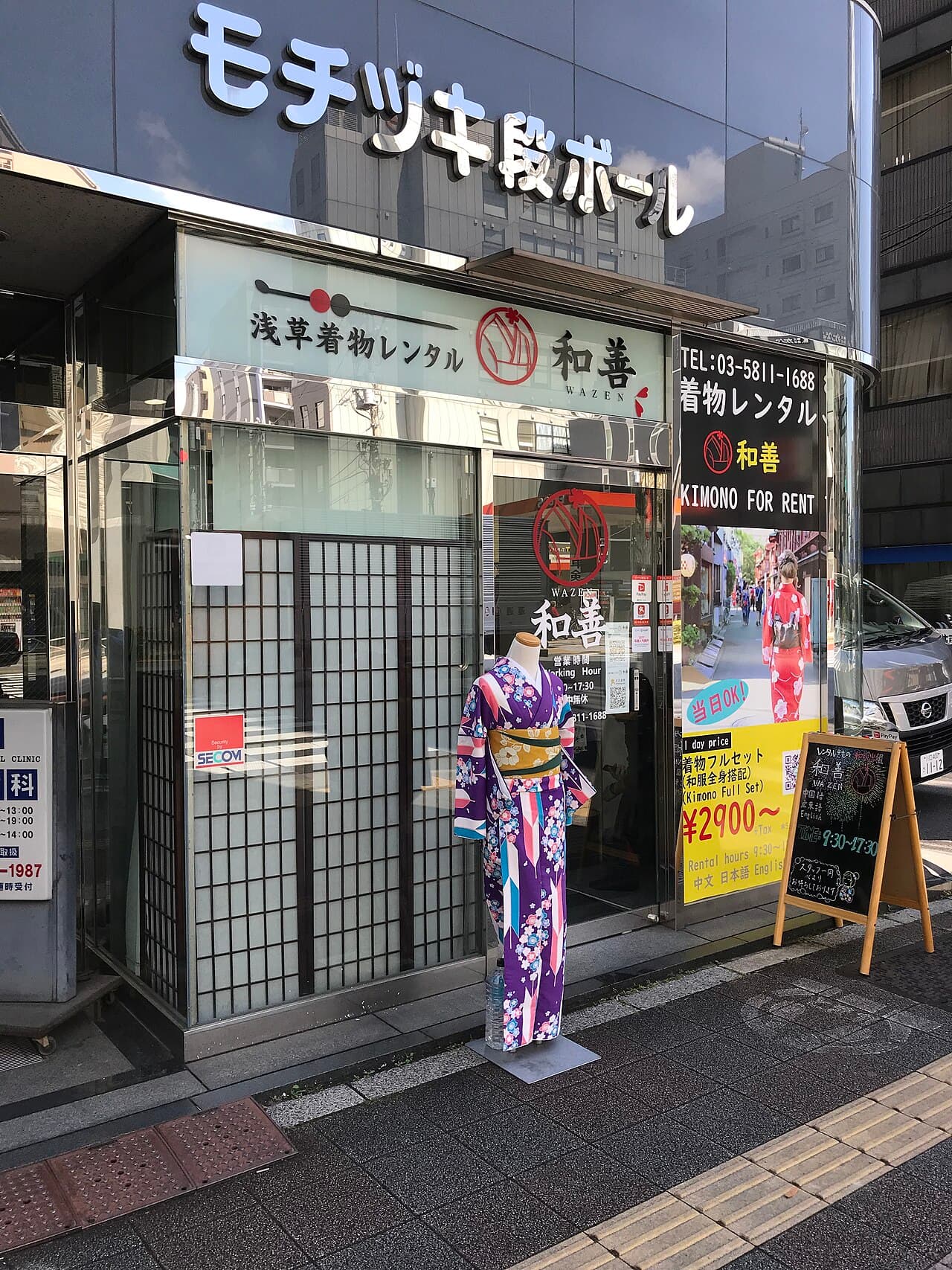
Kimono rentalTokyo
Kimono rental in Asakusa — prices, where to book, and how it works
Where to rent a kimono in Asakusa, English-friendly, with honest prices, what's included, the one rule for wearing it — and a direct way to book.
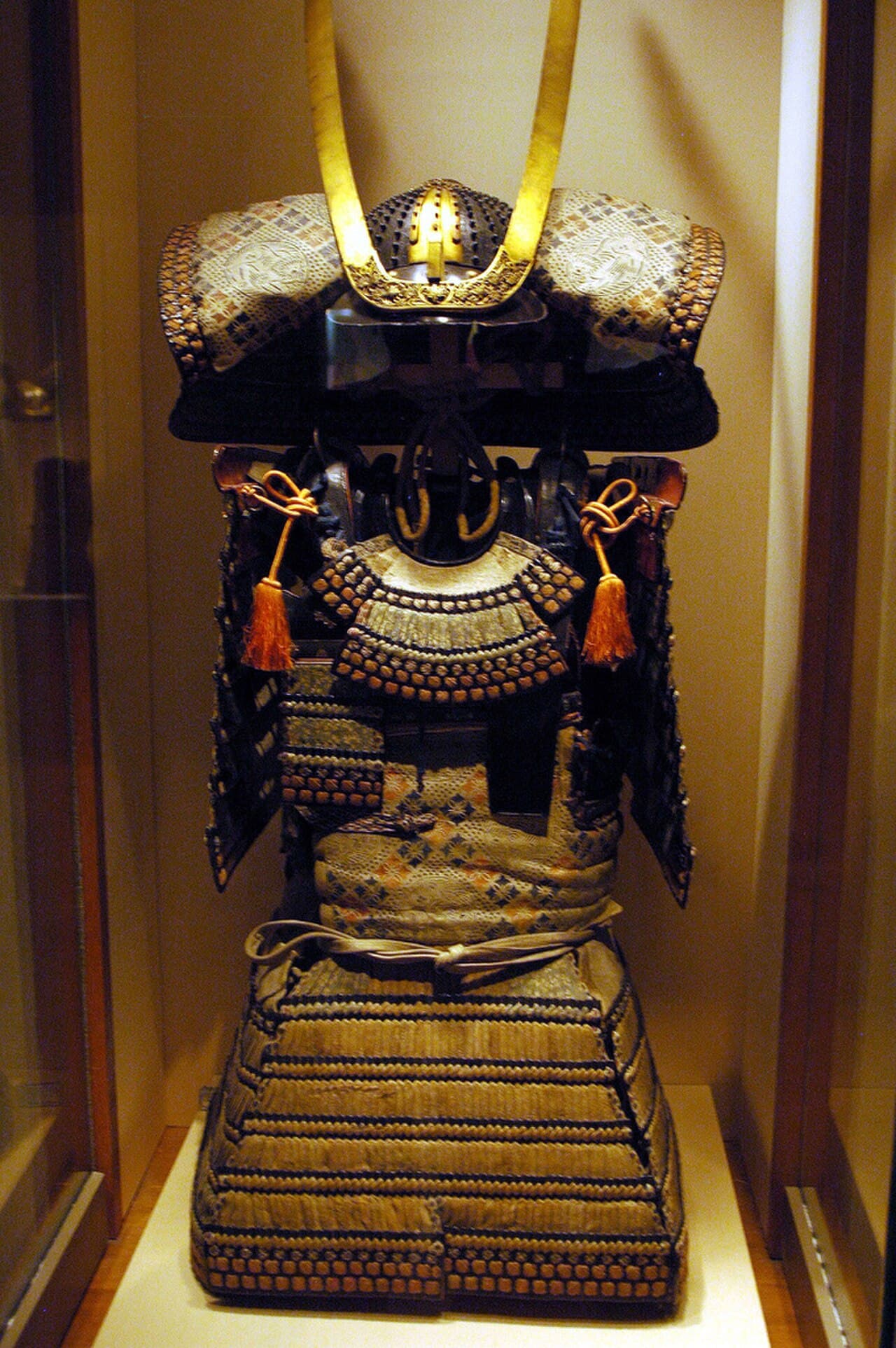
SamuraiTokyo
Samurai experience in Tokyo — English sword classes, prices, and how to book
Where to do a real samurai sword experience in Tokyo, in English — honest prices, what each studio includes (tameshigiri, armour, photos), and how to book.