
Tea ceremony etiquette: what to do (and not do) your first time
Why etiquette matters here
A Japanese tea ceremony (chanoyu) is less a meal than a quiet, choreographed act of hospitality. The 'rules' aren't there to catch you out — they're how host and guest show care for each other. Learn a handful and you'll relax, enjoy it, and honour the room. None of this requires Japanese; English-guided sessions (see tea ceremony in Kyoto) walk you through every step.
Before you go in
- Arrive a few minutes early. Lateness disrupts a timed sequence.
- Dress modestly and wear clothes you can sit in. Avoid strong perfume — it competes with the incense and tea.
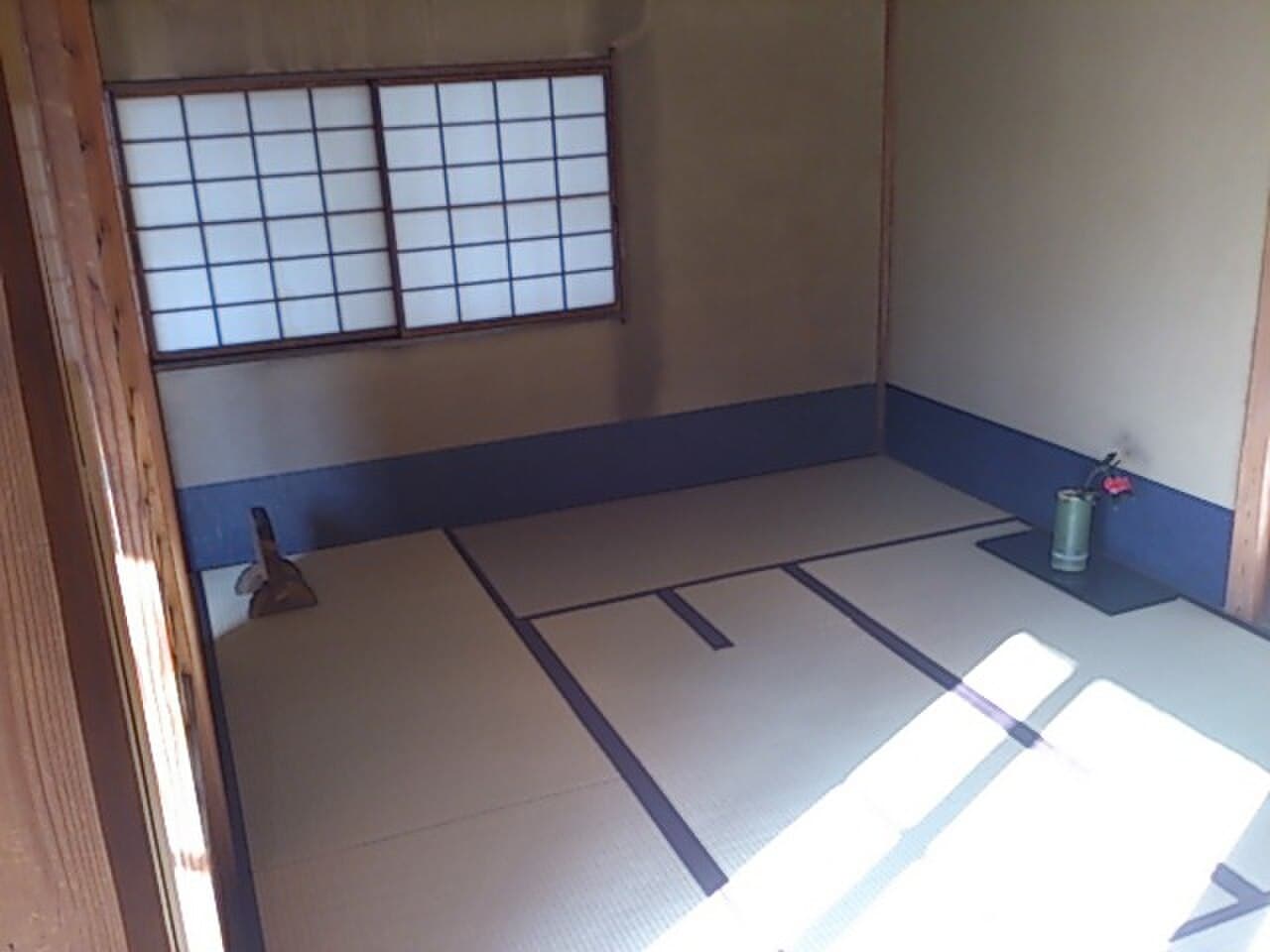
- Take off your shoes at the entrance and step onto the tatami; traditionally you avoid stepping on the cloth border of the mats.
Receiving and drinking the tea
- The sweet (wagashi) comes first — eat it before the tea; its sweetness balances the matcha's bitterness.
- When the bowl is placed in front of you, bow slightly and pick it up with your right hand, resting it on your left palm.
- Rotate the bowl clockwise about a quarter-turn so you don't drink from its 'front' (the most decorated face) — a gesture of respect to the host.
- Drink in two or three sips, then finish with a small, audible slurp to show you're done.
- Wipe the rim where you drank with your fingers, rotate the bowl back counter-clockwise, and set it down with the front facing the host.
A few don'ts
- Don't wear a watch or rings that could scratch the bowl (a host may ask you to remove them).
- Don't photograph people without asking; don't reach across the utensils.
- Don't worry about perfection — sincerity matters more than precision.
Go deeper
The ceremony grew from the aesthetic of wabi-sabi — beauty in imperfection and restraint — which is why the room is bare and the gestures slow. Ready to try it? Start with the best cultural experiences in Kyoto.
FAQ
- Do I need to know Japanese?
- No. English-guided ceremonies in Kyoto and Tokyo explain everything as you go. A simple 'arigatō gozaimasu' (thank you) is appreciated but never required.
- Do I have to sit in seiza (kneeling)?
- Not necessarily. Formal ceremonies use seiza, but most tourist-friendly sessions let you sit cross-legged or offer a low stool — just ask when you book.
- Is it rude to make noise when drinking?
- The opposite. A small slurp on the final mouthful signals you enjoyed the tea and have finished. Quietly draining the bowl is the goal.
- Can I take photos?
- Usually yes between stages, but always ask first and avoid using flash or photographing other guests. The host will tell you the moments to put the camera down.
Try it yourself
Tea ceremonyKyoto
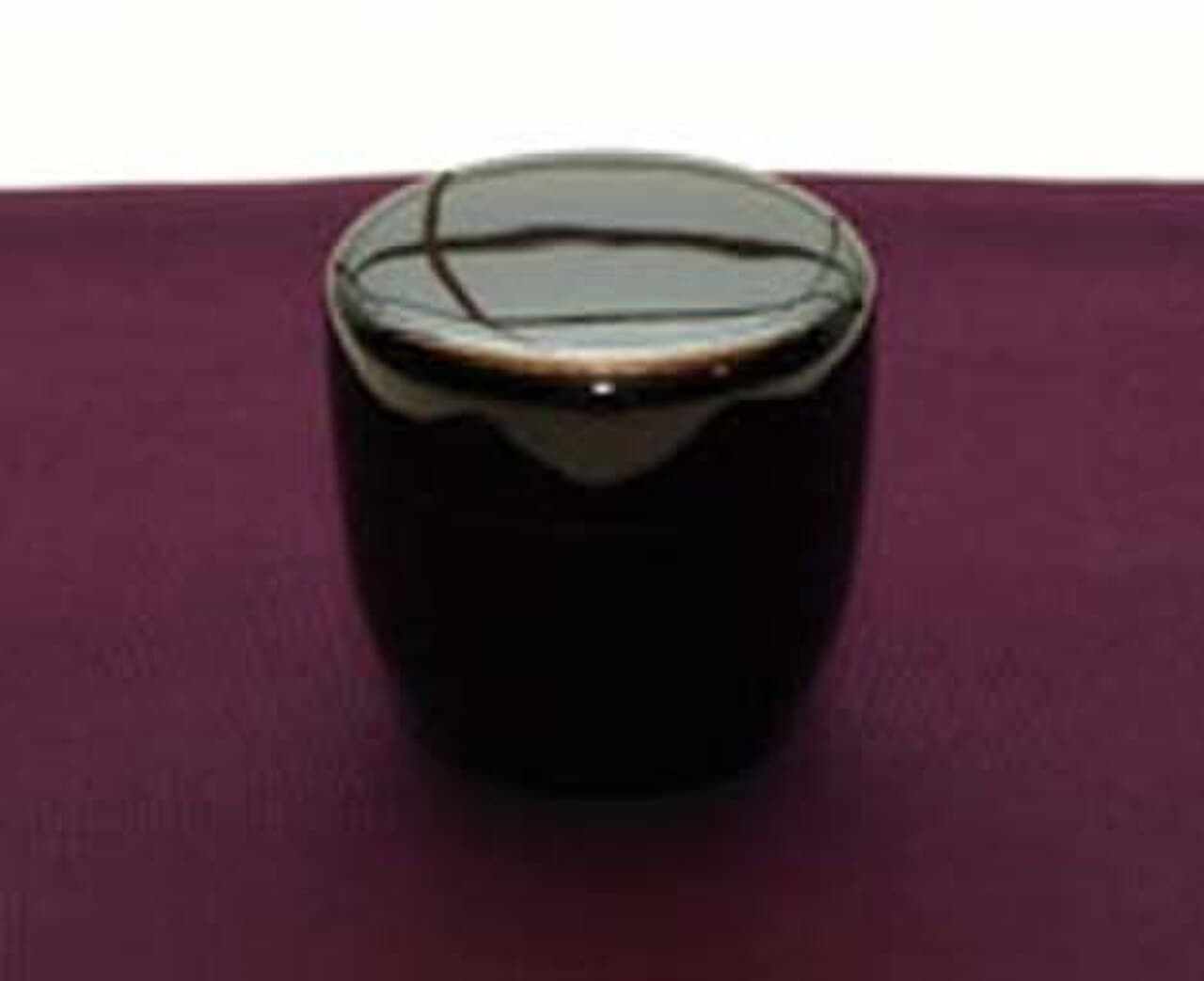
Tea ceremony in Kyoto — the best English-friendly experiences (and how to book)
Book an English-guided tea ceremony in Kyoto from ¥4,000 per adult (Camellia, 45-minute shared session) or ¥5,000 with kimono (MAIKOYA, about 90 minutes), as of September 2026 — plus the few manners that matter.
Related
Kyoto
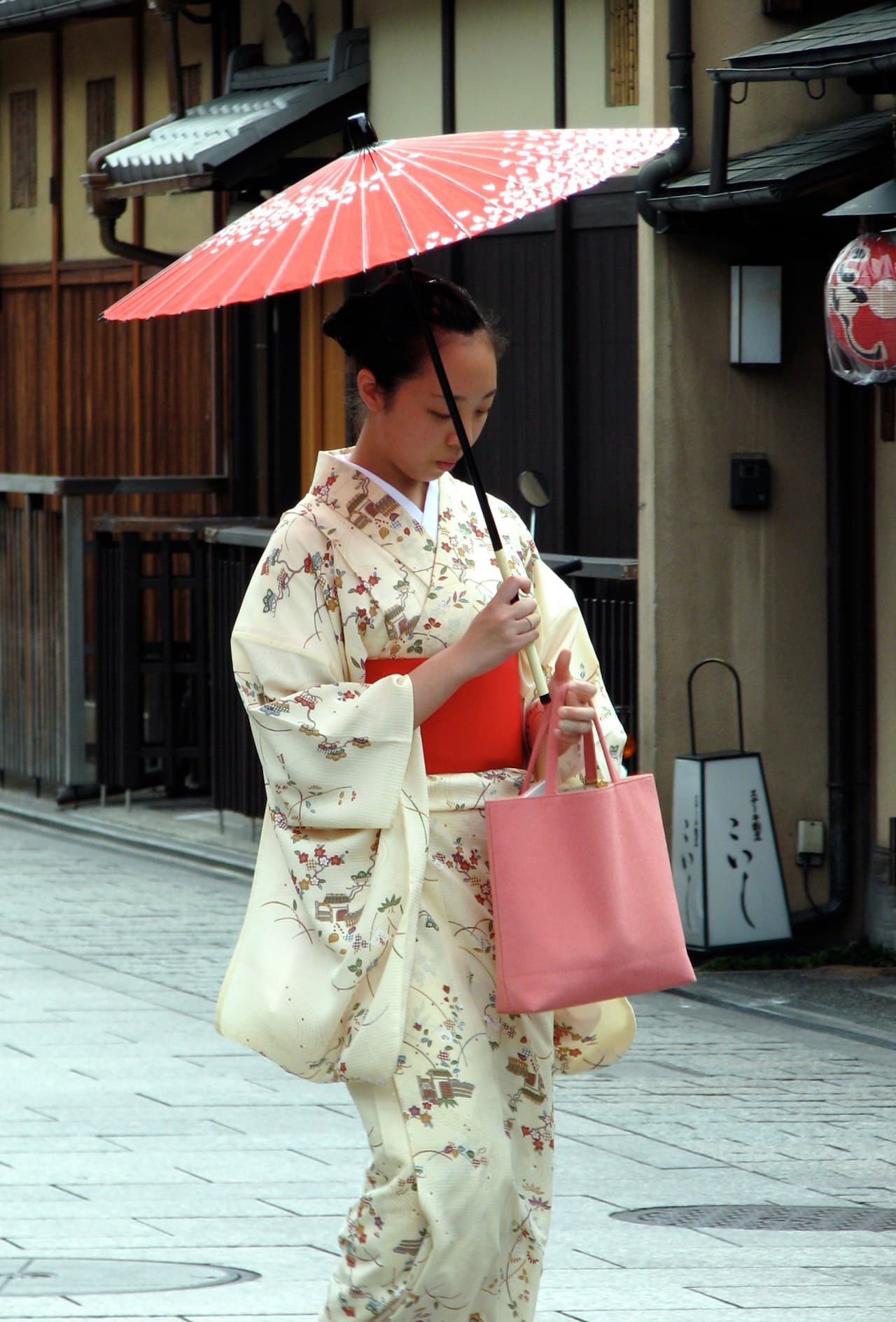
The best cultural experiences in Kyoto for first-timers
An honest, first-timer's shortlist of bookable Kyoto cultural experiences — tea ceremony, kimono, zazen, calligraphy and more — with how to choose and what each is really like.
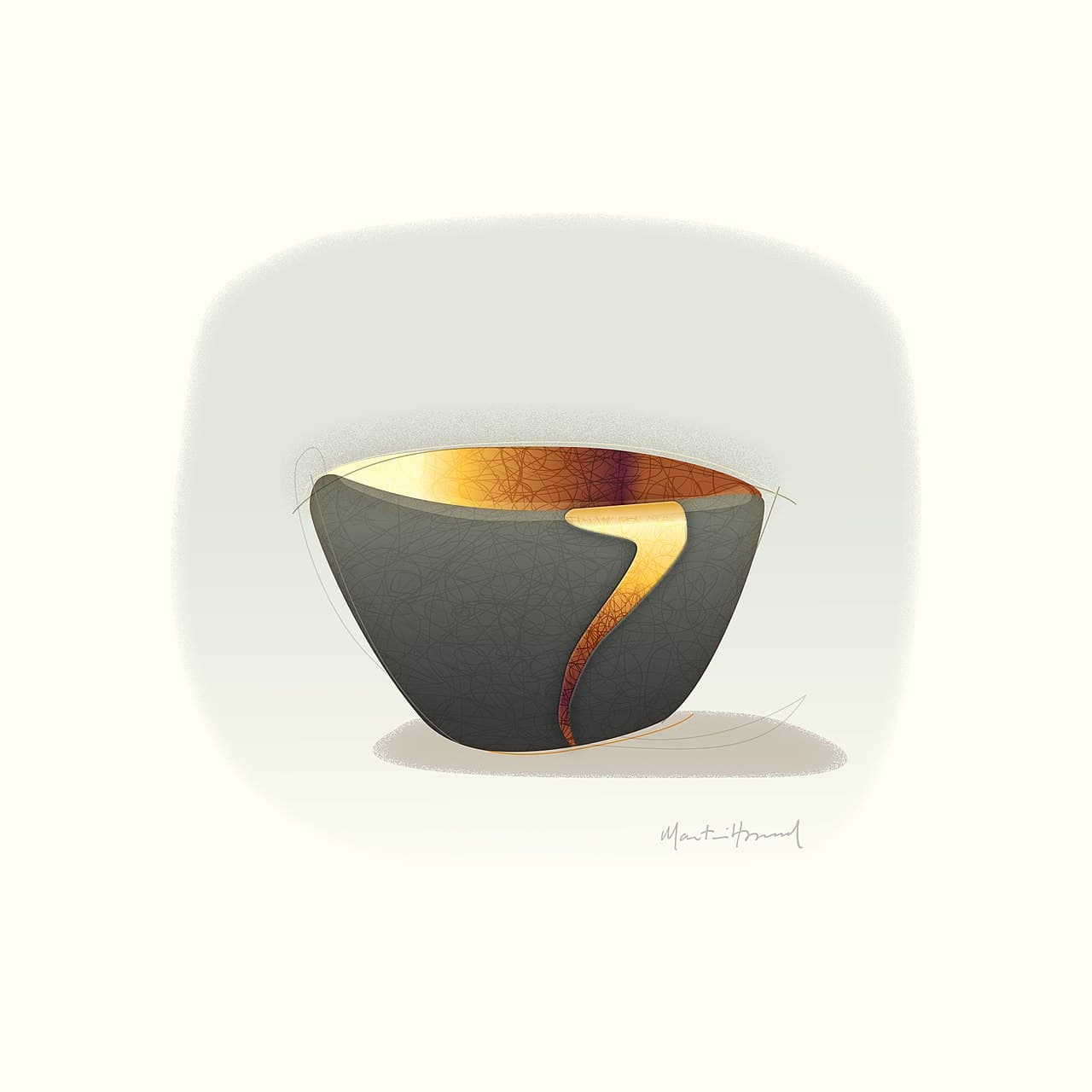
What is wabi-sabi? Meaning, examples, and how to experience it
A clear explainer of wabi-sabi — the Japanese aesthetic of imperfection, impermanence and quiet simplicity — with real examples and where to feel it for yourself.