
Cultural experiences in Kanazawa — gold leaf, tea and teahouse districts in one day
Why Kanazawa
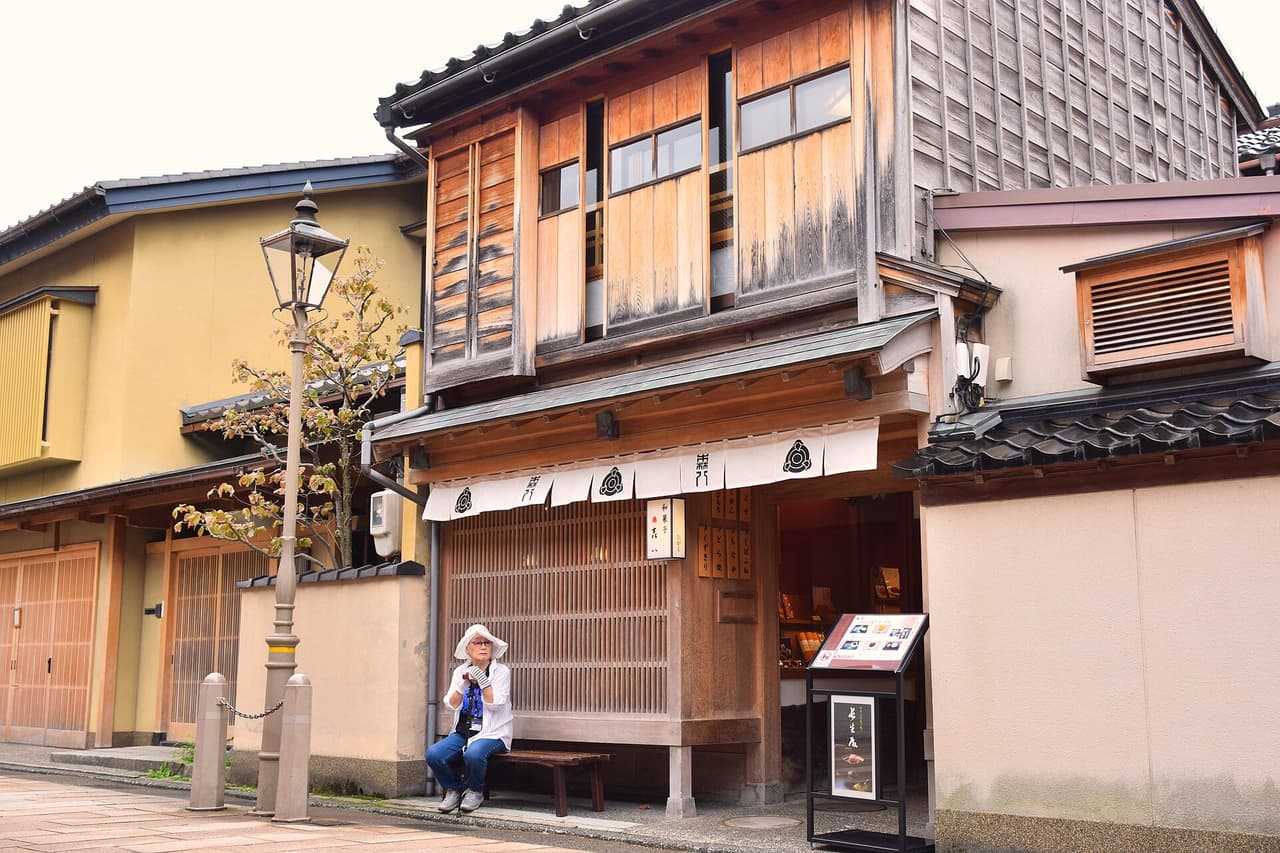
Kanazawa is the answer for travellers who wanted what Kyoto promises and found it under two thousand other people. It kept its Edo-period fabric — the American bombing that flattened most Japanese cities never came — so the teahouse districts and samurai quarters are original rather than reconstructed. And it is small: the three things worth doing sit within about two kilometres.
What it has that nowhere else does:
- About 99% of Japan's gold leaf is made here, per the city's tourism board. This is a live industry, not a heritage display.
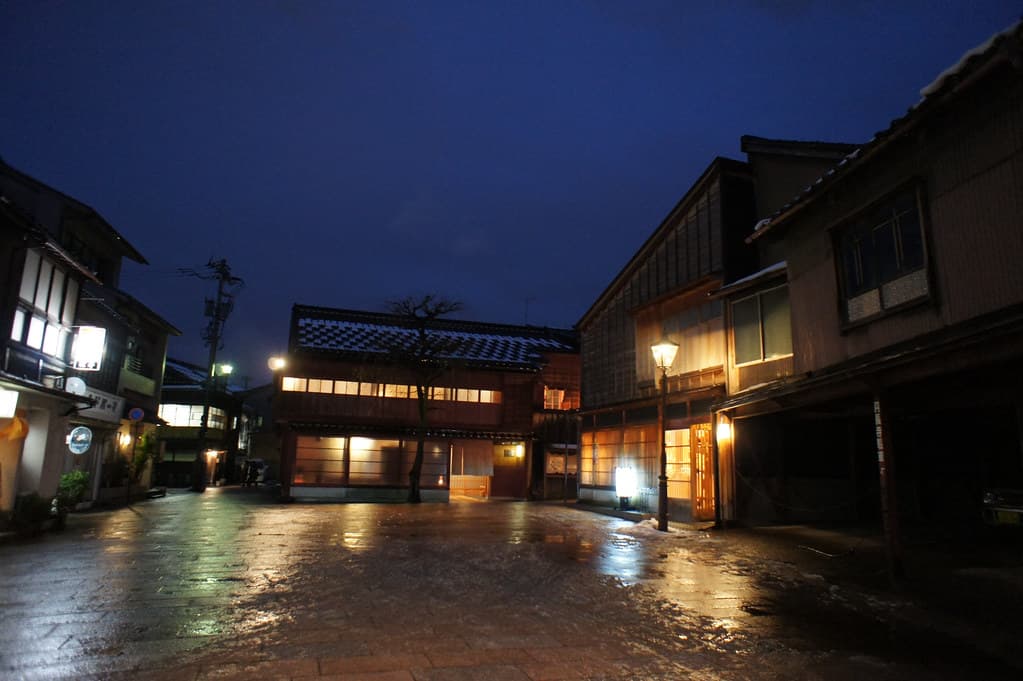
- Three intact teahouse districts — Higashi Chaya, Nishi Chaya and Kazue-machi — with a working geigi community.
- Its own tea and confectionery lineage. The Kaga domain's lords were serious tea patrons, and Kanazawa remains one of Japan's three great wagashi cities.
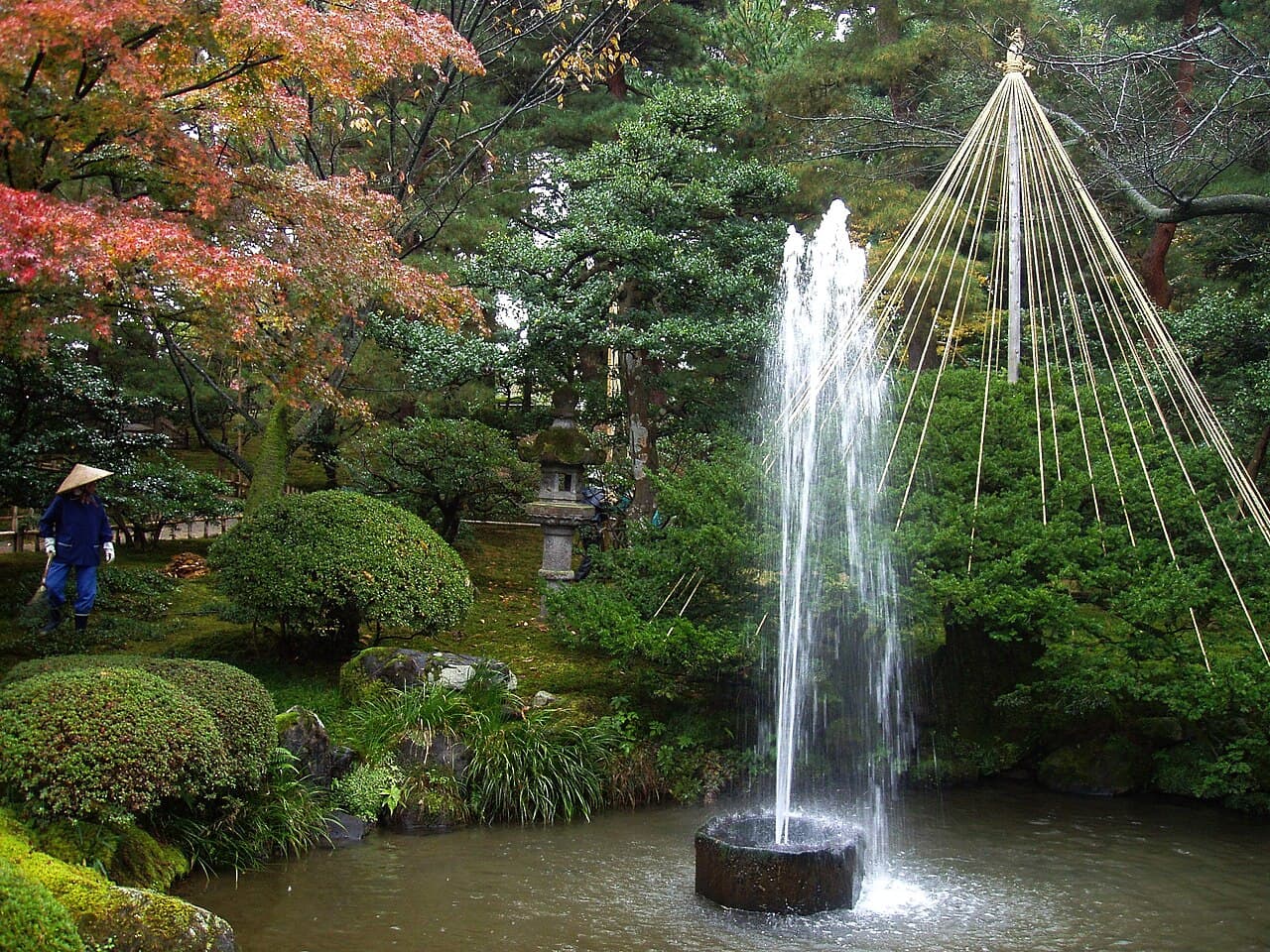
- Kenroku-en, generally listed among the country's three finest gardens.
A single day, sequenced
Morning — Kenroku-en. Go early. The garden is at its best before the coaches and it sets the register for the day.
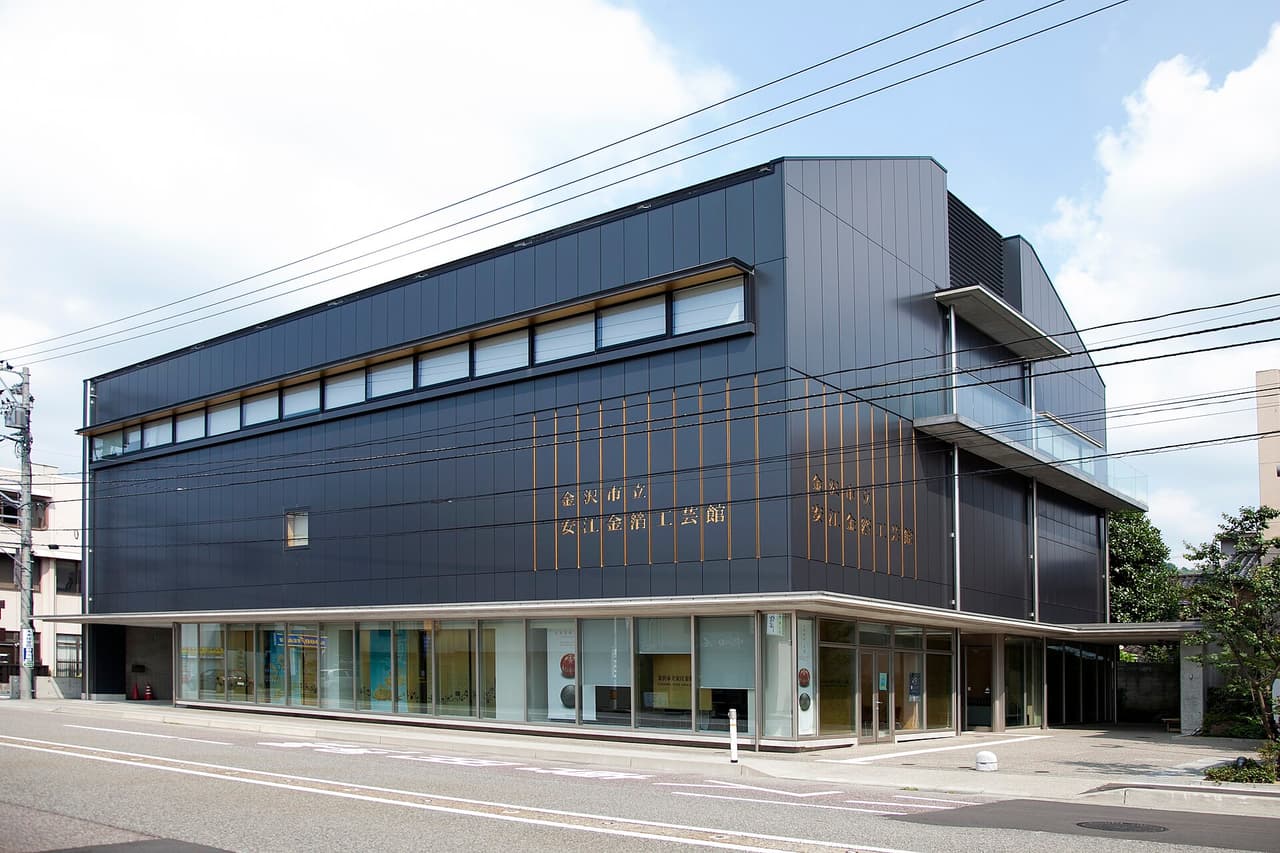
Late morning — a gold-leaf workshop. From about ¥1,760 for 60 minutes in the Higashi Chaya district, or ¥2,000 for Hakuichi's Master Course. Reserve in advance — this is the step people skip and then find closed. You leave with a decorated plate, mirror or pair of chopsticks, which is the rare cultural experience that produces a real object.
Afternoon — Higashi Chaya. Wooden latticed facades, some teahouses open as museums with their upstairs entertainment rooms intact, and gold-leaf ice cream on nearly every corner (which is silly, photogenic and entirely local). This is also where several of the gold-leaf workshops sit, so morning and afternoon can be swapped.
Late afternoon — a tea ceremony. Kanazawa's tea culture is its own, shaped by the Kaga lords' patronage rather than by Kyoto's schools, and its wagashi are correspondingly distinct.
With a second day, add: the Nagamachi samurai district's earthen walls, the 21st Century Museum of Contemporary Art (which sits deliberately at odds with everything above and is better for it), and Omicho market for lunch.
Getting there
From Tokyo: Hokuriku Shinkansen, roughly 2.5–3 hours direct.
From Kyoto or Osaka: this changed in March 2024, when the Hokuriku Shinkansen was extended to Tsuruga. The Thunderbird limited express now terminates at Tsuruga, where you transfer to the Shinkansen for Kanazawa. Allow about 2.5 hours from Kyoto including the change. Plenty of older guidebooks and blog posts still describe a direct Thunderbird to Kanazawa; they are out of date.
How Kanazawa compares
| Kyoto | Kanazawa | Takayama | |
|---|---|---|---|
| Scale | Overwhelming choice | One good day, two comfortable | Half a day to a day |
| Crowds | Severe in spring and autumn | Noticeable but manageable | Light |
| Signature craft | Textiles, ceramics, tea | Gold leaf, Kutani ware, Kaga yuzen | Woodwork, sake |
| Geisha districts | Five, largely closed to walk-ins | Three, partly open as museums | — |
| Best for | Depth and range | The same things without the crush | Slowing down |
If you are building a Hokuriku or Japan-Alps route, Takayama pairs naturally with Kanazawa, and both work as a two-or-three-day arc off the Tokyo–Kyoto axis. The national picture is in best cultural experiences in Japan.
Practical notes
Book the workshop, not the garden. Kenroku-en needs no reservation; almost every craft workshop does, and several close on a fixed weekday (Hakuza's experience slots run only 10:00–15:00, and the ROKETSU studio in Kyoto — a useful comparison — is shut on Wednesdays).
Buses, not trains, inside the city. Kanazawa's loop bus from the station covers Kenroku-en, Higashi Chaya and Nagamachi. The city is walkable between any two of them, but not comfortably between all three in one day.
Rain is normal. The Sea of Japan coast is genuinely wet, and there is a local saying about never forgetting your umbrella. This is an argument for booking an indoor craft workshop rather than against visiting — a gold-leaf session is completely weather-proof.
One shared rule with Kyoto: the geigi here are working women walking to appointments, not an attraction. The photography etiquette that Gion had to enforce with a ¥10,000 fine applies here as courtesy rather than penalty — which is exactly why it is worth extending voluntarily.
---
Prices, schedules and booking links on this page were verified as of 2026-08-09. Operators change them without notice — confirm on the booking page before you travel, and tell us if you find something out of date.
FAQ
- Is Kanazawa worth visiting for cultural experiences?
- Yes, and specifically if Kyoto felt crowded. Kanazawa has intact Edo-period teahouse and samurai districts, produces about 99% of Japan's gold leaf, has its own tea and confectionery lineage under the Kaga domain, and is compact enough that a gold-leaf workshop, a tea ceremony and a teahouse district fit into one unhurried day.
- How do you get to Kanazawa?
- By Hokuriku Shinkansen from Tokyo in roughly two and a half to three hours. From Kyoto and Osaka the route changed in March 2024, when the Shinkansen was extended to Tsuruga: the Thunderbird limited express now runs to Tsuruga, where you change onto the Shinkansen for Kanazawa. Allow around two and a half hours from Kyoto including the transfer.
- How much do cultural experiences in Kanazawa cost?
- A gold-leaf workshop runs from about ¥1,760 to ¥16,500 depending on depth. Kenroku-en garden admission is modest. Tea ceremony sessions vary by venue and format. Budget roughly ¥5,000–¥10,000 for a full day of experiences excluding meals and transport, or considerably more if you take the artisan-led gold-leaf plan.
- Can you see geisha in Kanazawa?
- Kanazawa has three preserved teahouse districts — Higashi Chaya, Nishi Chaya and Kazue-machi — with a working geigi community, smaller and less visited than Kyoto's. Some teahouses are open to the public as museums, and arranged performances exist. As in Kyoto, do not photograph performers on their way to work; our Kanazawa geisha district guide covers what is open to visitors.
- How many days do you need in Kanazawa?
- One full day covers the essentials — a craft workshop, Kenroku-en, and a teahouse district. Two days lets you add the Nagamachi samurai district, the 21st Century Museum of Contemporary Art, Omicho market and a tea ceremony without compressing anything. Most travellers who allow only a half-day regret it.
Try it yourself
ExperienceKanazawa
Gold leaf experience in Kanazawa — prices, workshops, and how to book (kinpaku)
Gold leaf is Kanazawa's craft the way tea is Kyoto's, and the hands-on version is one of the best-value cultural experiences in Japan: under ¥2,000 buys you a finished object you actually keep. Here is what each of the main workshops charges, how long they take, where they are, and which one to pick depending on whether you want the cheap souvenir or the serious craft.
Tea ceremonyKanazawa
Tea Ceremony in Kanazawa — the best English-friendly experiences (and how to book)
Tea ceremony in Kanazawa, compared: Kenrokutei inside Kenrokuen Garden, the historic Gyokusen-en teahouse, and private machiya options — from ¥1,700, English-friendly, book direct.
Geisha cultureKanazawa
Geisha District Kanazawa — the best English-friendly experiences (and how to book)
See a real geiko in Kanazawa's Higashi Chaya district — from ¥5,000, English-friendly, book official tickets online.