
The best cultural experiences in Kyoto for first-timers
How to choose
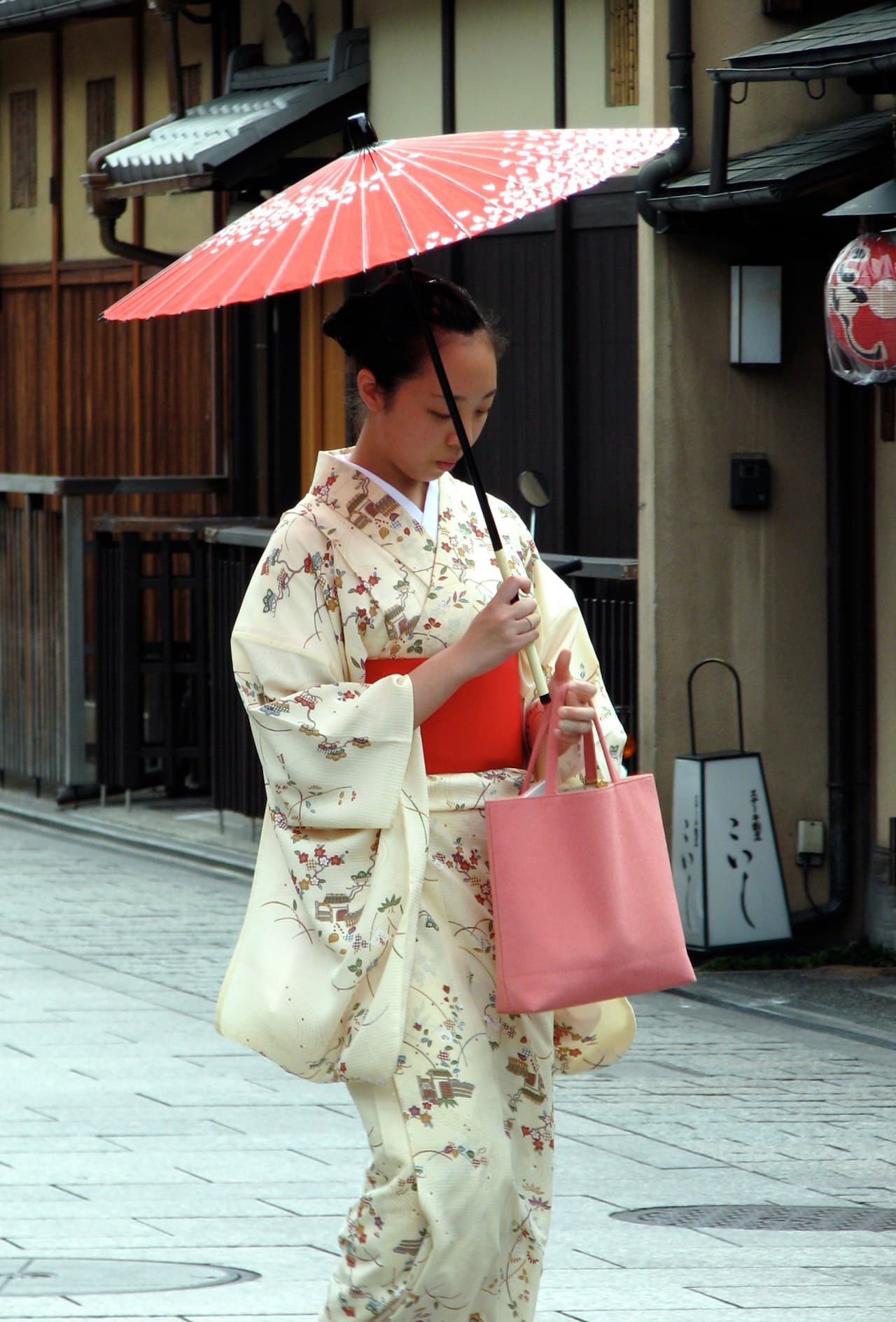
Kyoto now has nine bookable cultural experiences on this site, more than any one trip can cover — so pick by mood, budget and time rather than trying to tick every box. Want calm and meaning in under an hour? Tea ceremony or zazen. Want a costume day for photos? A kimono photoshoot. Want to make or taste something with your own hands? Wagashi, pottery, washi paper or sake. Have a special evening and a bigger budget? A geisha tea ceremony or a private incense session. Below is a practical first-timer's order, with what each one actually costs and how much English support to expect.
1. Tea ceremony — the essential first
Short (around 45 minutes), inexpensive, and unmistakably Kyoto. A Kyoto tea ceremony at a Higashiyama machiya like Camellia starts from ¥3,000 and is guided in English throughout; MAIKOYA runs a kimono-plus-tea combo from ¥7,000 if you want to layer two experiences into one afternoon. It's the best starting point on this list because it teaches you to slow down and read a room, which changes how you experience every temple you visit afterwards. Ask about the basic etiquette when you book — most hosts will walk you through it before the bowl is even in your hands, so nothing feels unfamiliar.
2. Geisha experience — meet a geiko or maiko properly
Rather than chasing a maiko for a photo on the street, book a private tea ceremony and dance with a real Kyoto geiko or maiko in a historic Gion teahouse. MAIKOYA's Gion tea-ceremony-with-geisha starts from about US$100 per person and comes English-interpreted, so you can actually ask her questions about her world, rather than just watching from a distance. Check GetYourGuide to compare other operators' prices before you commit, since exact pricing and inclusions vary by operator. It's the more respectful way to meet a geisha in Kyoto, and the one that leaves you with an actual conversation rather than a blurry photo.
3. Kimono photoshoot — compare before you book
If you want the classic kimono rental photos, compare what Kyoto's kimono-photoshoot operators actually include before you book, since pricing is usually split into two separate line items. MOCOMOCO's photo-plan-only option starts from ¥9,900, and kimono rental itself is billed separately from roughly ¥3,300–¥5,500 depending on the shop. Book directly with the operator once you've confirmed exactly what the photo-plan fee covers versus what the separately billed kimono rental covers.
4. Wagashi making — sculpt sweets, then eat them
Shaping delicate seasonal nerikiri sweets by hand is a genuinely calming hour, and wagashi classes in Kyoto are easy for English speakers to join. Kanshundo, with locations in Higashiyama and Arashiyama, runs a roughly 75-minute class from ¥3,700; Wagashi Issho near Karasuma is another option, and airKitchen runs a fully English-guided class from ¥12,000 if you want more thorough English support. You finish by eating your own sweet with a bowl of tea.
5. Pottery class — throw a bowl in Kiyomizu-ware country
Kyoto is where Kiyomizu ware comes from, and a wheel-throwing pottery class lets you make a bowl in the same tradition. Zuikou, near Kiyomizu, runs English-friendly 25-minute sessions from ¥2,900; Asahiyaki in Uji, a tea-ware kiln operating since the year 1600, starts from ¥5,500 if you'd rather learn inside a working historic kiln. Either way, the fired piece is shipped to your home country afterwards.
6. Zazen meditation — stillness in a temple
For the quietest hour of your trip, sit zazen in a working Zen temple. Shunkō-in at Myōshin-ji runs a fully English-guided sitting — posture, breathing, and a short dharma talk — for ¥3,000. If you'd rather join the way locals do, Kennin-ji holds a free public sitting on the second Sunday of the month at 7:30am (just the ¥500 temple entry fee applies, and it isn't English-guided).
7. Incense ceremony — a private splurge
Kōdō, the formal appreciation of incense, is the most expensive experience on this list, and the only one held inside a temple garden that's normally closed to the public. Zikido Ichifune's private, English-guided session, bookable via Wabunka, runs two hours and includes ikebana and matcha alongside the incense itself, from ¥33,600 per person — a price that covers the whole private session, not just the incense. Reserve this one only if you have both the budget and an afternoon to spare — it isn't a quick add-on, and it rewards unhurried attention.
8. Sake tasting — Fushimi's soft water
Fushimi brews sake with the district's famously soft spring water, and you can taste the results two ways. The self-guided route through Gekkeikan Okura Museum costs ¥600; if you want an English-speaking sommelier walking you through seven tastings, a 1.5-hour guided tour starts from ¥9,800. It's a good half-day add-on on its own, or paired with the rest of Fushimi.
9. Washi paper making — a souvenir you make yourself
At Kamitowa, a small family-run paper shop six minutes from Karasuma Oike Station, you can hand-make your own sheet of washi paper in about an hour for ¥3,000 plus tax. Book directly with the shop or through Airbnb Experiences (from $35). It packs flat, so it survives the flight home better than most souvenirs.
Plan around the seasons, and combine what fits
Cherry blossom and autumn-leaf weeks are magical in Kyoto but crowded and pricier — book any of the above earlier than you think you need to, and go early in the day. Several pair naturally into a single itinerary: tea ceremony and kimono into one afternoon, wagashi and pottery into a hands-on morning, or wagashi and sake tasting if you want a full day built around taste.
For dated festivals and seasonal events across the city, cross-reference japan-event.info; for Kyoto's sake breweries and kaiseki dining beyond the tasting above, see umami-hunt.info. And if the aesthetic behind all of this — the tea bowl's imperfection, the quiet of zazen — has you curious, it's worth reading up on wabi-sabi before you go; understanding it makes every one of these experiences easier to read once you're there.
One more craft worth a half-day: wax-resist and indigo dyeing in Kyoto, from ¥2,900 for a 90–120 minute session that ends with a dyed tote, tenugui or furoshiki you take home.
FAQ
- How many experiences can I fit in a day?
- Realistically one or two. A tea ceremony runs about an hour; a kimono rental is a half- or full-day. Pair a morning experience with afternoon temple-walking rather than stacking workshops back to back.
- Which is best if I only do one?
- A tea ceremony — it's short, calm, deeply Kyoto, English-friendly and inexpensive, and it frames everything else you'll see. See our Kyoto tea ceremony guide.
- Do I need to book ahead?
- Yes for tea ceremony, kimono and zazen, especially in cherry-blossom and autumn seasons. Many small venues cap group sizes and sell out days ahead.
Try it yourself
Tea ceremonyKyoto
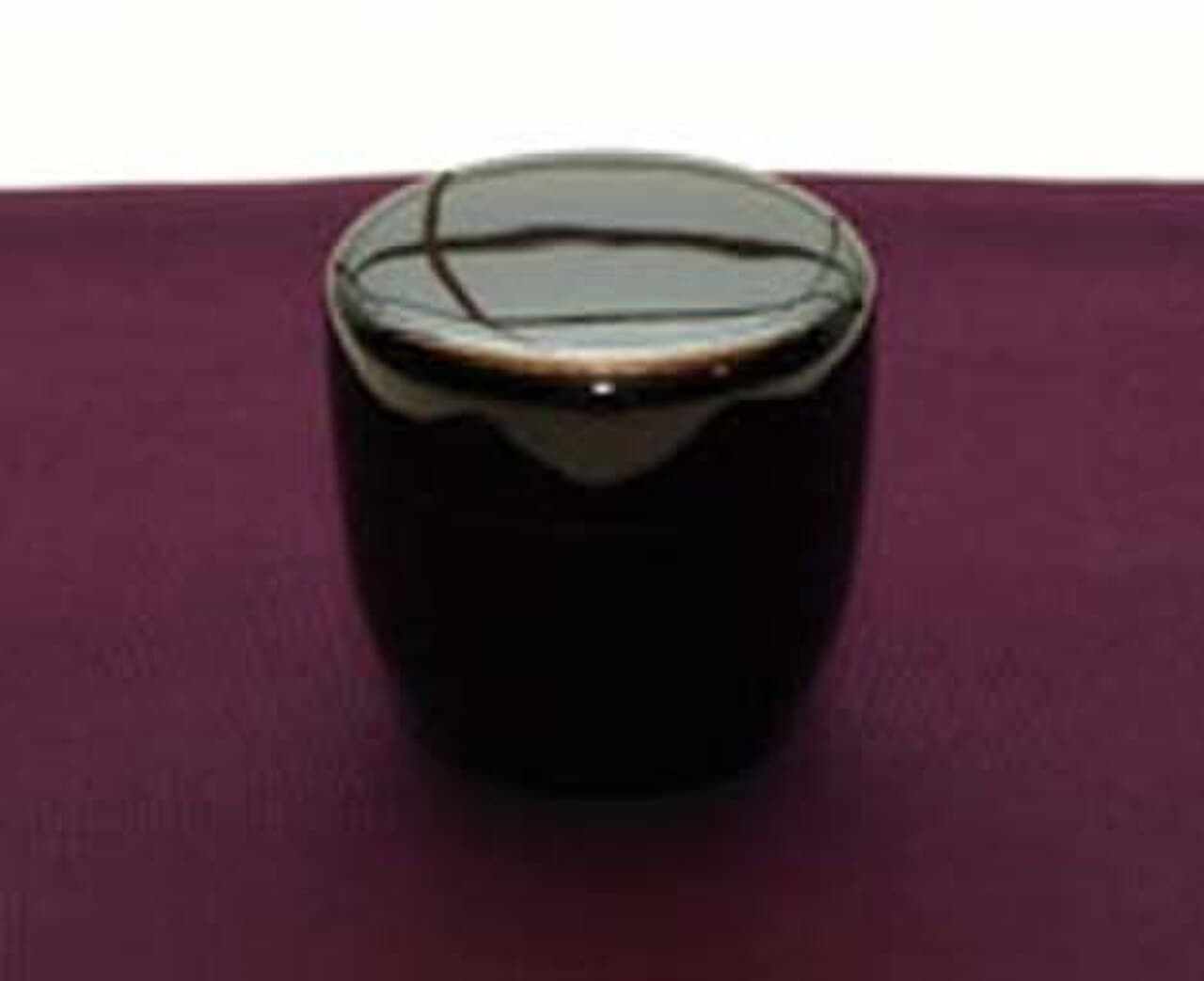
Tea ceremony in Kyoto — the best English-friendly experiences (and how to book)
Book an English-guided tea ceremony in Kyoto from ¥4,000 per adult (Camellia, 45-minute shared session) or ¥5,000 with kimono (MAIKOYA, about 90 minutes), as of September 2026 — plus the few manners that matter.
ExperienceKyoto
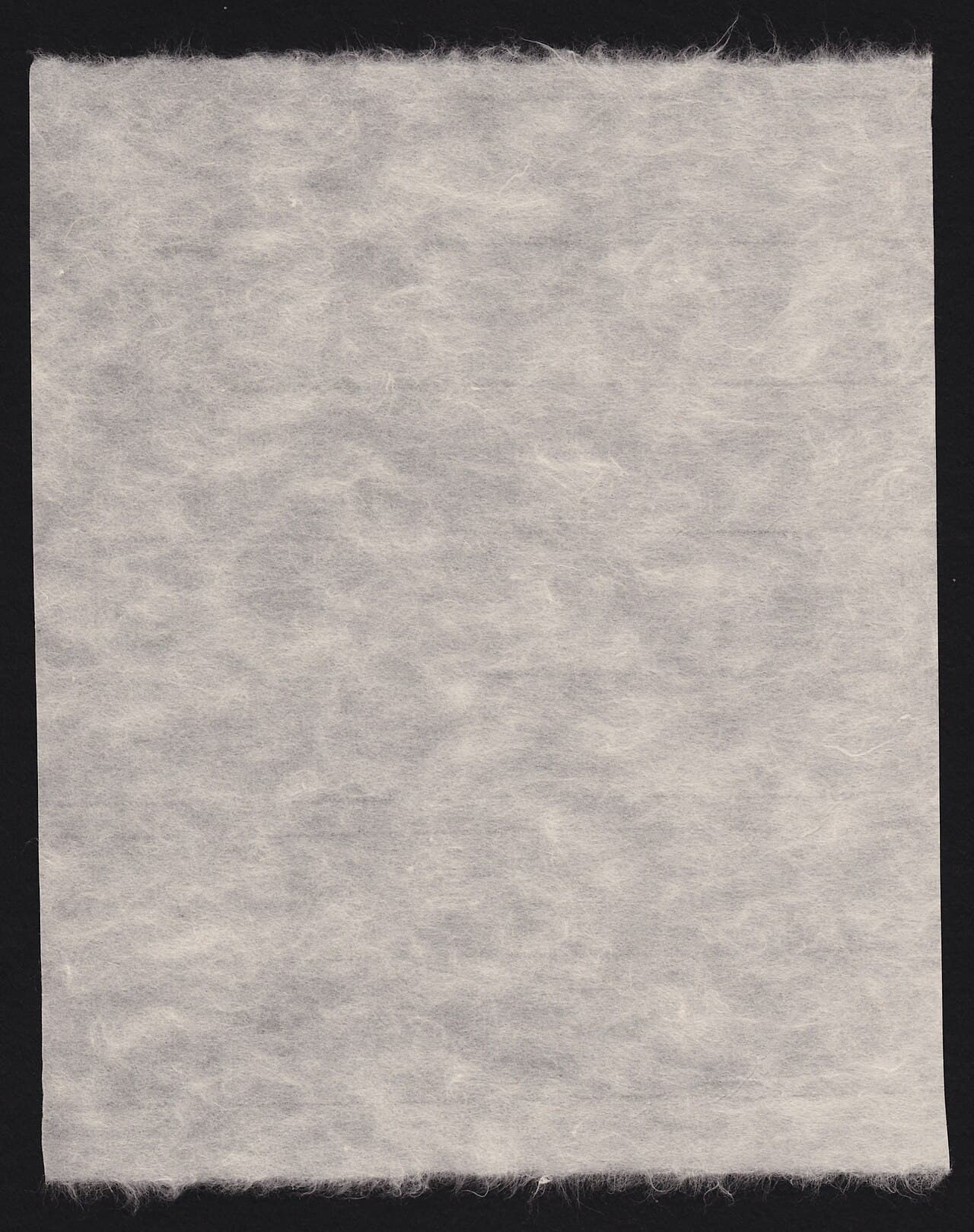
Washi Paper-Making in Kyoto — Kamitowa's Family Paper Shop (book direct or via Airbnb)
Hand-make a sheet of washi paper — as postcards, a placemat, or a lampshade — at Kamitowa, a small English-friendly paper shop on Sanjo-dori in central Kyoto. From ¥3,000 (plus tax), about an hour, with both direct and Airbnb booking options.
Incense (kōdō)Kyoto
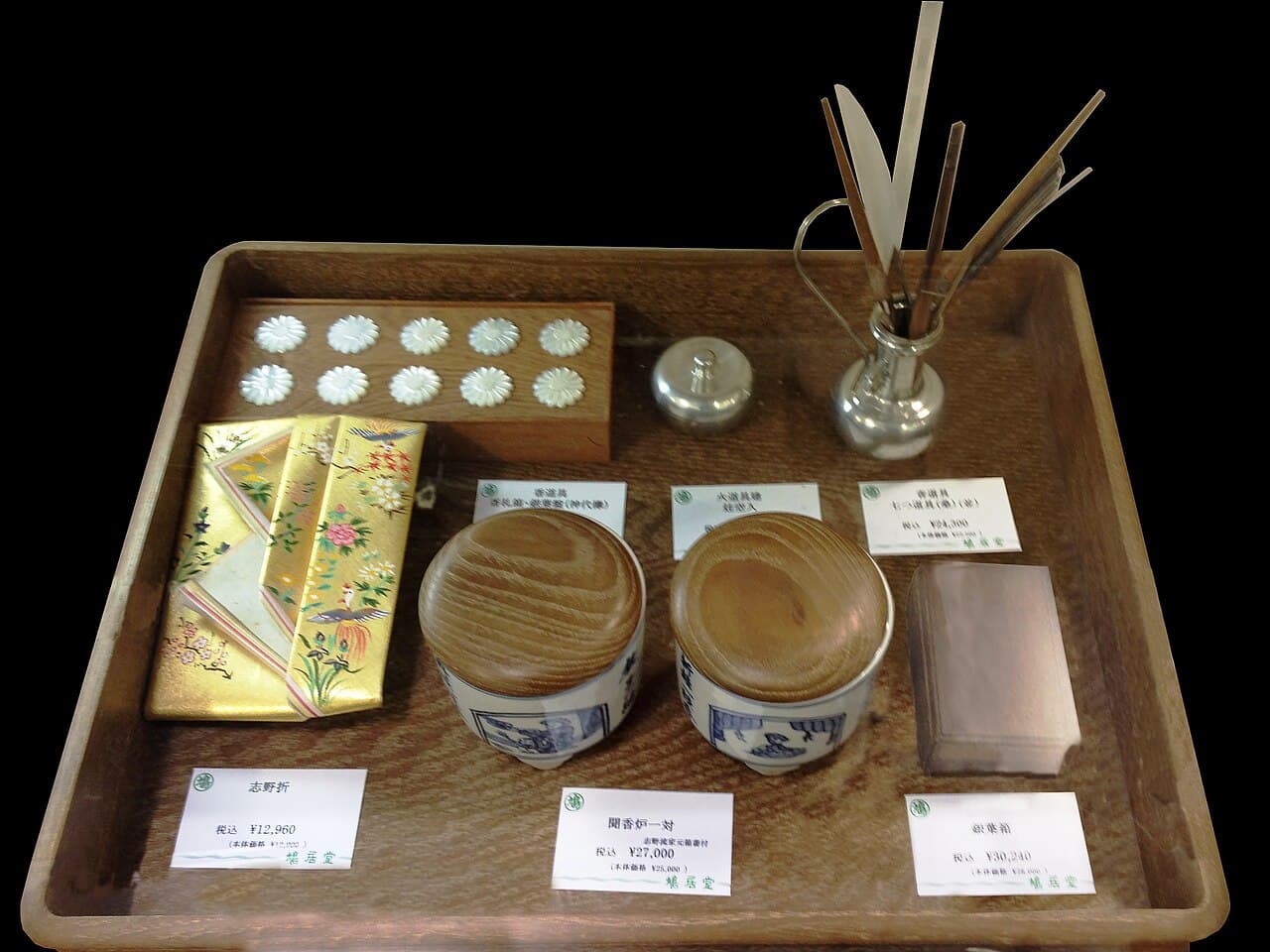
Kōdō Incense Appreciation Experience at Zikido Ichifune, Kyoto
Learn real kōdō — burning and "listening to" fragrant wood chips the way Kyoto's incense schools have for centuries — inside the private garden of Kōsei-in temple, followed by ikebana and matcha.