
Kyoto
The heart of the tea ceremony, kimono and machiya craft.
16Experiences & guides¥300+Lowest listed priceEnglish-friendly
Experiences in Kyoto · 体験All cities →
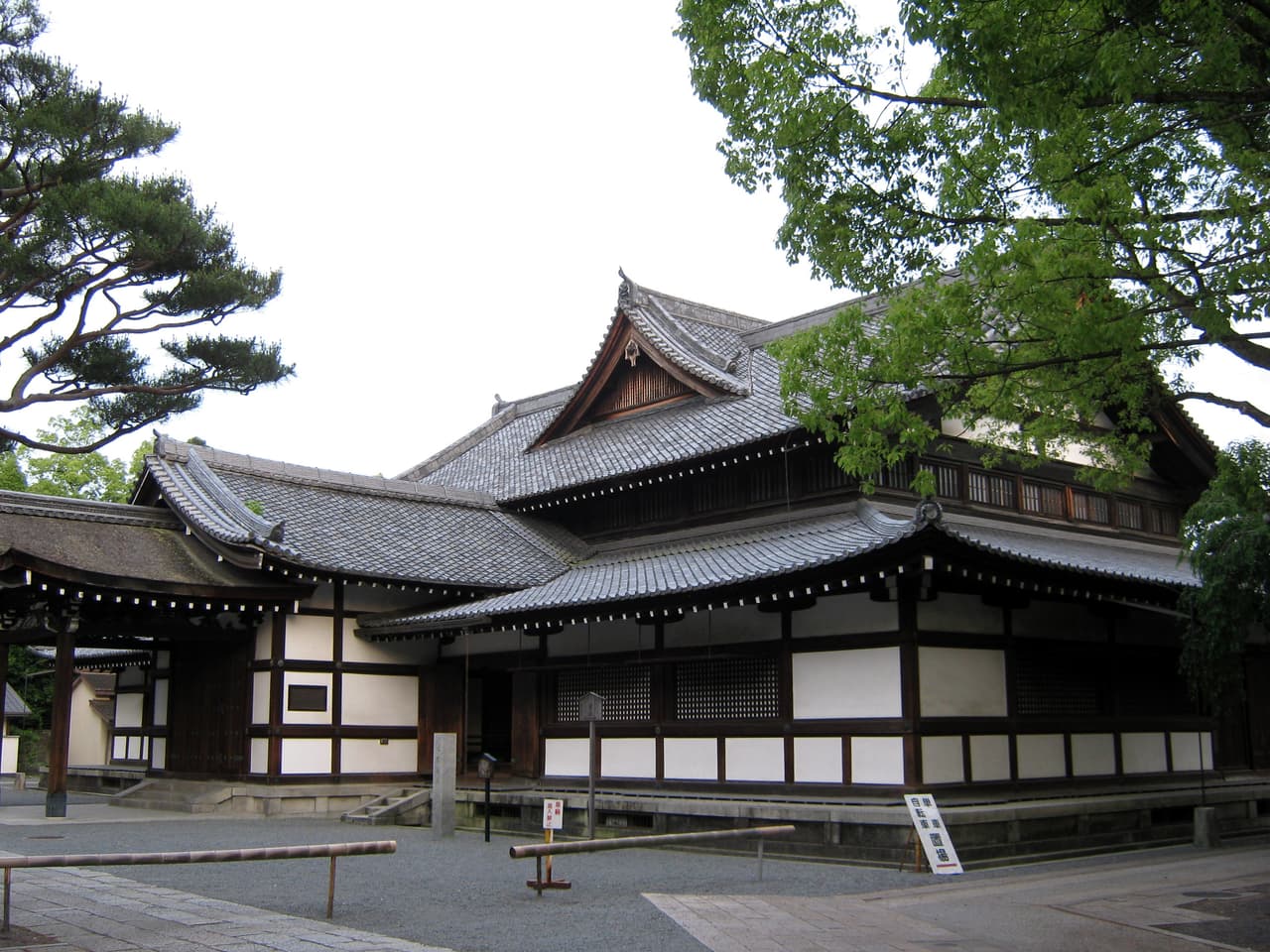
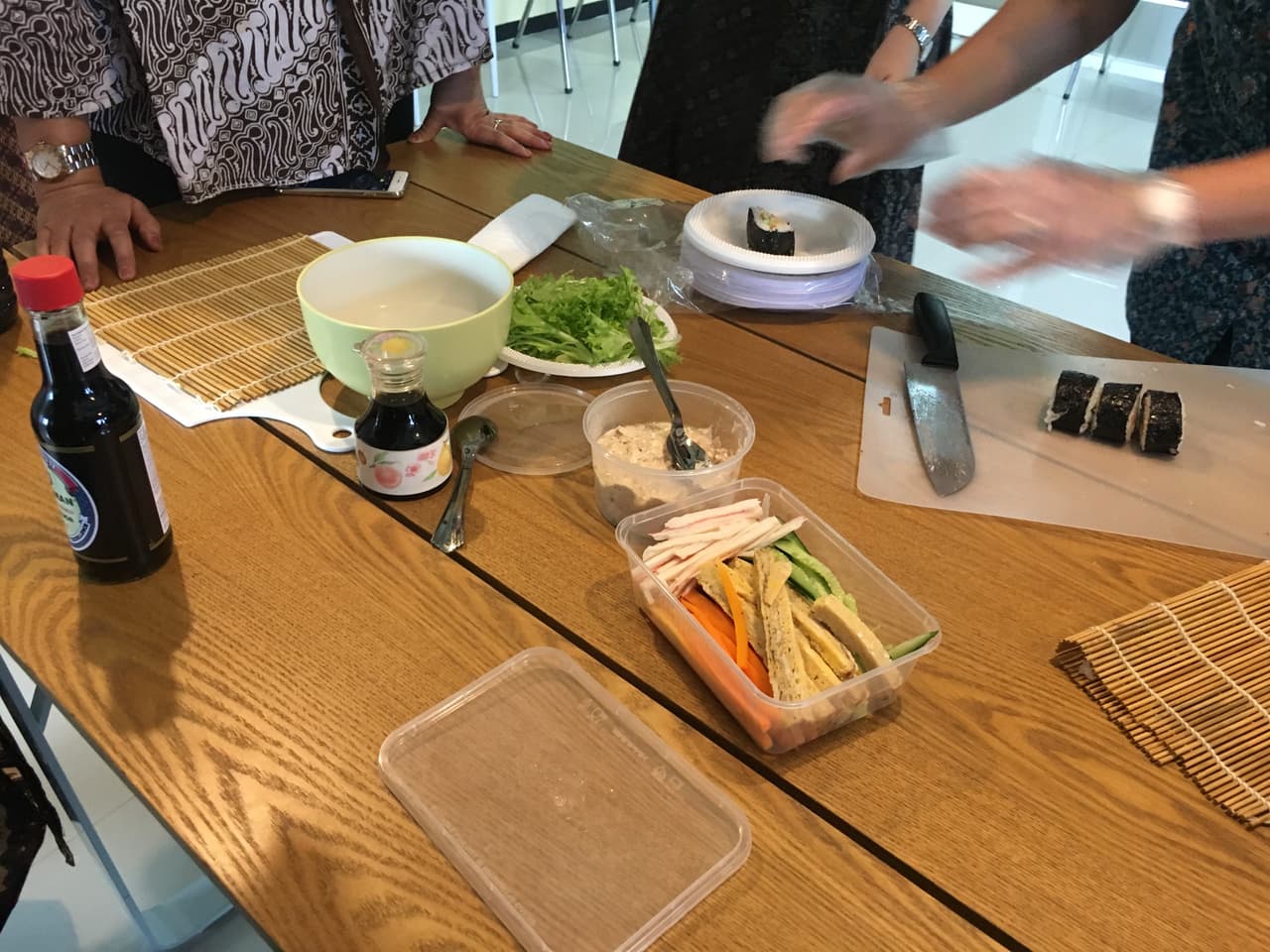
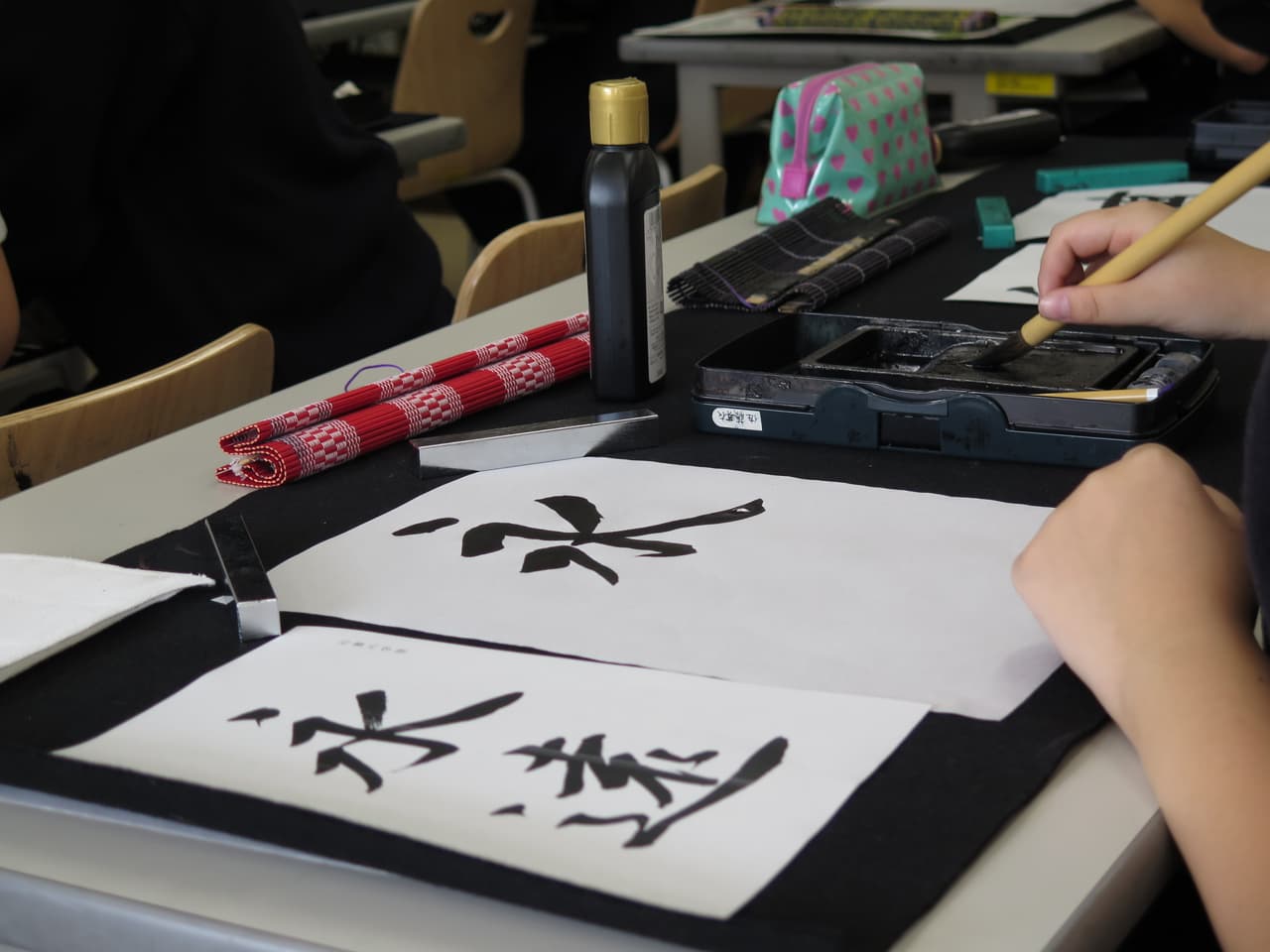
SamuraiSamurai Experience in Kyoto — What You Can Actually Book (and Why Real-Sword Cutting Isn't on the List)The Kyoto samurai experiences we checked run from ¥3,300 (museum and armour photos) to ¥20,000 (dojo training with an iaitō) on their standard shared plans, with private sessions priced separately — and why none of the operators we checked sells live-blade cutting to tourists. Verified on the operators' own sites, 2026-09-23.Standard shared plans in our table ¥3,300–¥20,000 per person, tax included (as of 2026-09-23): museum basic ticket ¥3,300, MAIKOYA sword lessons ¥7,700–¥12,100, kenbu class + show ¥10,000–¥13,000, dojo training ¥20,000; Uzumasa costume ¥5,800 plus ¥2,800 park admission. Private and special sessions are priced separately and are not always dearer: Samurai Kenbu Theater's private class for big groups ¥5,000 per person (¥8,000 with kimono rental) and private class for 1–9 people ¥20,000 per person; Yushinkan's 31 Oct 2026 temple session ¥30,000 per person; Samurai Kenbu Theater's Musashi's Journey ¥33,000 per lesson participant; MAIKOYA's private VIP sword training ¥198,000 per bookingSushi makingSushi-making class in Kyoto — the 5 we verified, prices, English support and how to bookFive English-friendly hands-on classes in Kyoto, ¥5,000 to ¥13,500 per person — one of them a bento class that includes makizushi — compared on what you actually make, how many people are in the room, and how far ahead you must book.From ¥5,000 pp (home kitchen, Fushimi) to ¥13,500 pp (studio workshop, Higashiyama), as of 2026-09-23Calligraphy (shodō)Calligraphy Class in Kyoto — Which One Mounts Your Writing as a Scroll?Kyoto shodō classes from ¥6,500 for 50 minutes — and, at one Nakagyo studio, a two-hour course that sends you home with a shikishi board, a hanging scroll and a hanko you made yourself. Verified on the operators' own sites, 2026-09-23.¥6,500–¥25,000 pp depending on what you take home (as of 2026-09-23); Deeper Japan from $320 pp ($620 for two on its own booking widget); MK Taxi and SAKURA do not publish a priceMartial artsKyudo experience in Kyoto — Japanese archery from ¥2,500, and the free one in JanuaryDraw a Japanese bow in Gion for ¥2,500 with 20 arrows, or spend an hour in a real dojo with a kyoshi 6th-grade teacher for about US$64 — and in January, watch the Tōshiya at Sanjūsangen-dō for free.Kyudo Experience Cafe, Gion: ¥2,500 per person for the Basic plan, 20 arrows included (operator listing, checked 21 August 2026). Prices for the Traditional Uniform and Samurai Armour plans are not published — ask at booking. Dojo option with a kyoshi 6th-grade teacher: about US$64 per person for 1 hour, all class fees and equipment included, free cancellation (listing priced in US dollars, so the yen figure moves with the exchange rate). Watching the Tōshiya at Sanjūsangen-dō on 17 January 2027: free — temple admission is waived on the day.ExperienceIndigo and wax-resist dyeing in Kyoto — workshops, prices, and what you actually makeKyoto's hands-on dyeing is mostly rōketsu (wax-resist), and one studio in Nishikyōgoku teaches the whole process from ¥2,900 for a 90–120 minute session — you leave with a dyed tote, tenugui, t-shirt or furoshiki.¥2,900 (Easy course) / ¥3,900 (S course, the most popular) / ¥5,500 (M) / ¥6,500 (L) / ¥7,000 (LL) at ROKETSU Dyeing Studio Yamamoto, the price rising with the size of the item you dye.Incense (kōdō)Kōdō Incense Appreciation Experience at Zikido Ichifune, KyotoA private 2-hour kōdō (incense appreciation) session inside a normally closed Kyoto temple garden costs from ¥33,600 per person and includes an English-speaking guide, ikebana, and matcha.From ¥33,600 per person (private session, 1–8 guests; the longer Genjiko + garden-tour version is from ¥48,300/person)ExperienceWashi Paper-Making in Kyoto — Kamitowa's Family Paper Shop (book direct or via Airbnb)Hand-make your own sheet of washi paper at Kamitowa, a small family paper shop 6 minutes from Karasuma Oike Station in central Kyoto — ¥3,000 plus tax, about an hour, book direct online or through Airbnb Experiences.¥3,000 plus tax (about ¥3,300 total) per person for the 1-hour standard or matcha papermaking course; +¥3,240 for an extra hour, +¥550 for a wall-hanging or mini-lampshade display kitKimono rentalKimono Photoshoot in Kyoto — The Best English-Friendly Experiences (and How to Book)Skip the guesswork on Kyoto's kimono photoshoot add-ons — see what four English-friendly operators actually charge, include, and don't include, then book directly.From about ¥9,900 for a 30-min photo package (kimono rental billed separately, typically ¥3,300–5,500)Wagashi makingWagashi making class in Kyoto — sculpt seasonal nerikiri sweets, English-friendly (and how to book)Sculpt delicate seasonal nerikiri sweets with your own hands in Kyoto, then eat them with a bowl of tea — English-friendly classes from about ¥3,700.From about ¥3,700 (as of July 2026) for a 75-minute class with matcha; artisan small-group classes about ¥12,000PotteryPottery class in Kyoto — throw Kiyomizu ware on the wheel, English-friendly (and ship it home)Throw your own bowl on the wheel in the home of Kiyomizu ware — English-friendly Kyoto pottery classes from about ¥2,900, with the fired piece shipped to your home country.From about ¥2,900 (as of July 2026) for a 25-min wheel session; ¥5,500–¥6,900 for longer plans; firing & overseas shipping extraGeisha cultureGeisha & maiko experience in Kyoto — meet one the right way (and how to book)Meet a real Kyoto geiko or maiko the respectful way — a private tea ceremony and dance in a historic Gion teahouse, English-interpreted, where you can actually ask her about her world.Tea ceremony with a geisha from about US$100 (≈¥15,000) pp; geisha makeover ¥10,000–25,000Sake tastingSake tasting in Kyoto (Fushimi) — breweries, English tours, price & bookingTaste Fushimi sake brewed with Kyoto's famously soft spring water — a ¥600 self-guided museum, or an English sommelier-led tasting tour.¥600 self-guided at the Gekkeikan Okura Sake Museum (3 tastings + a souvenir cup); guided English tasting tours from ¥9,800.Zazen meditationZazen meditation in Kyoto — English temple sittings, price, and how to bookSit zazen in a working Kyoto Zen temple, guided in English — posture, breathing and a short dharma talk, in the quietest hour of your trip.Shunkō-in's English Zen Immersion (about 120 minutes) is booked through Peatix and the temple publishes no price on its own site; Kennin-ji's monthly public sitting is free and needs no reservation (as of September 2026).Tea ceremonyTea ceremony in Kyoto — the best English-friendly experiences (and how to book)A short, English-guided matcha ceremony in a Higashiyama machiya — the gentlest first taste of chanoyu, the etiquette and a hand-whisked bowl included.From ¥4,000 per adult for a shared session (as of September 2026)SeasonalKyoto Autumn Temple Light-Ups 2026 — Kiyomizu-dera, Kōdai-ji & Eikan-dō at NightAll three are confirmed for 2026: Kōdai-ji Oct 23–Dec 13, Eikan-dō Nov 20–Dec 6 and Kiyomizu-dera Nov 21–30. Tōfuku-ji has no night light-up.Kōdai-ji adults ¥800 (same day and night); Eikan-dō light-up ¥1,000 (junior high and up); Tōfuku-ji Tsūtenkyō & Kaisandō adults ¥1,000 in the Nov 14–Dec 6 autumn period (daytime only); Kiyomizu-dera — check the official site (as of September 18, 2026).FoliageAutumn Leaves in Kyoto 2026: Where & When to See Fall FoliageKyoto's autumn leaves typically peak in the second half of November 2026, with top spots like Tofukuji, Eikando and Arashiyama running mid-November into early December. Here's where to go, what's free, and which temples light up at night.Many temple grounds are free; paid temples run roughly ¥300–¥1,000 for daytime entry. Night illuminations cost about ¥500–¥800 (Rurikoin's special opening is ~¥2,000). Prices as of 2025 — confirm 2026 on each official site.
Read before you go · 心得
KyotoTattoo-Friendly Onsen in Ito (2026): Official Policies, Stickers & How to AskTattoo-friendly onsen in Ito, per each facility's own site (2026-09-23): K's House allows tattoos, Laforet allows 2 cover stickers, 5 decline. Phrase card.KyotoKomuroyama Ridge Walk MISORA, Ito: Lift Price, Hours, Access (2026) and Mt. Omuro ComparedKomuroyama Ridge Walk MISORA, Ito: lift 1,000 yen round trip (children 100 yen), 9:30–16:00, free parking, dogs in carriers. Plus a Mt. Omuro comparison.KyotoTokaikan, Ito: Admission, Hours, Onsen Bath Days (2026) and the Spirited Away QuestionTokaikan, Ito: 300 yen, 9:00–21:00, closed 3rd Tuesday. Hot-spring bath on weekends and holidays (500 yen). 7 min from Ito Station. Spirited Away myth checked.KyotoLake Ippeki (Ippekiko) Guide 2026: Bus from Ito, Path Closure, Boats & ParkingLake Ippeki, Ito: a crater lake 36 min by bus from Ito Station. Part of the lakeside path is closed since Oct 2025, so no full loop. Boats, parking, seasons.