
Kyoto
The heart of the tea ceremony, kimono and machiya craft.
16Experiencias y guías¥300+Precio más bajo listadoApto en inglés
Experiencias en Kyoto · 体験Todas las ciudades →
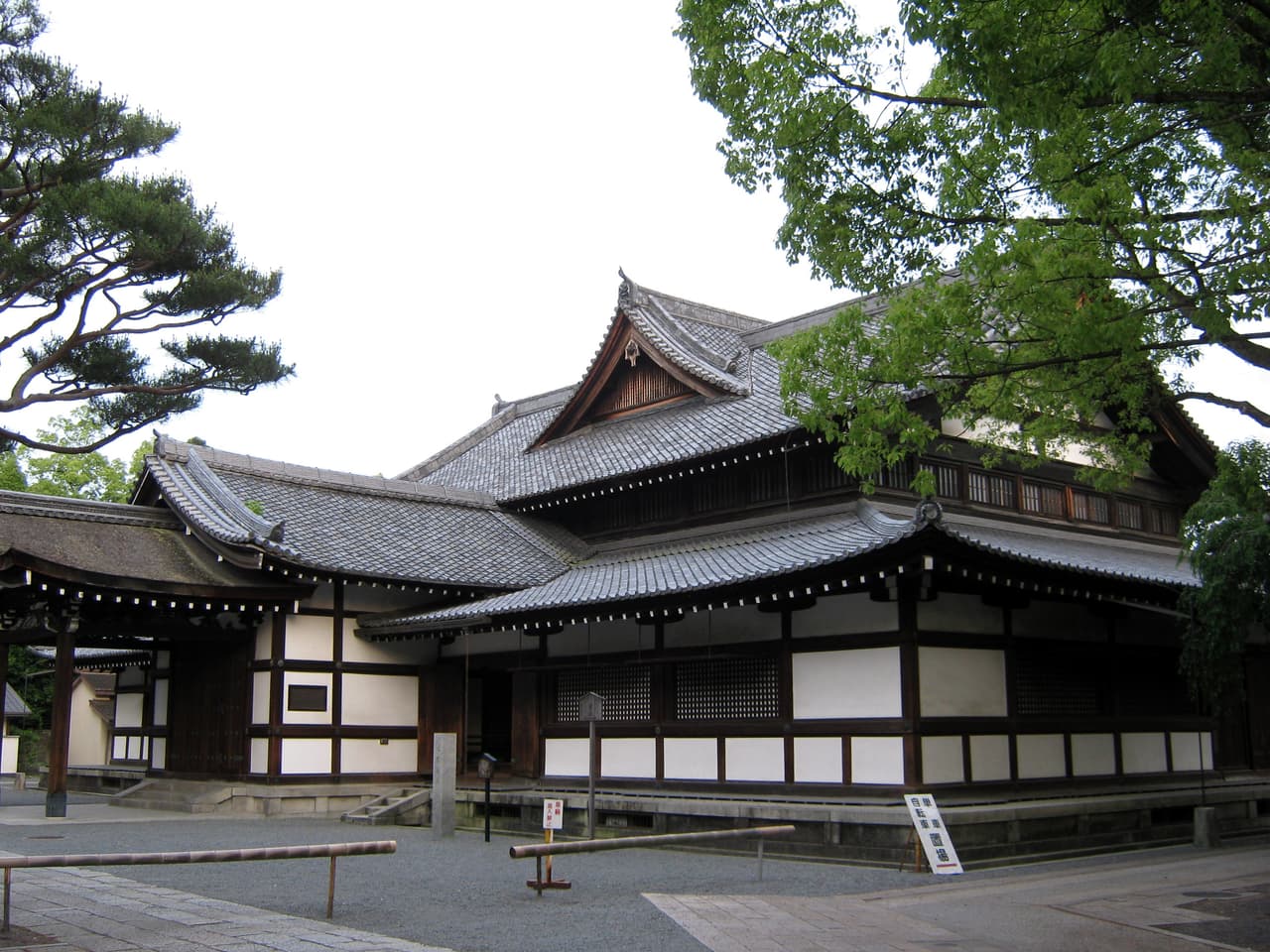
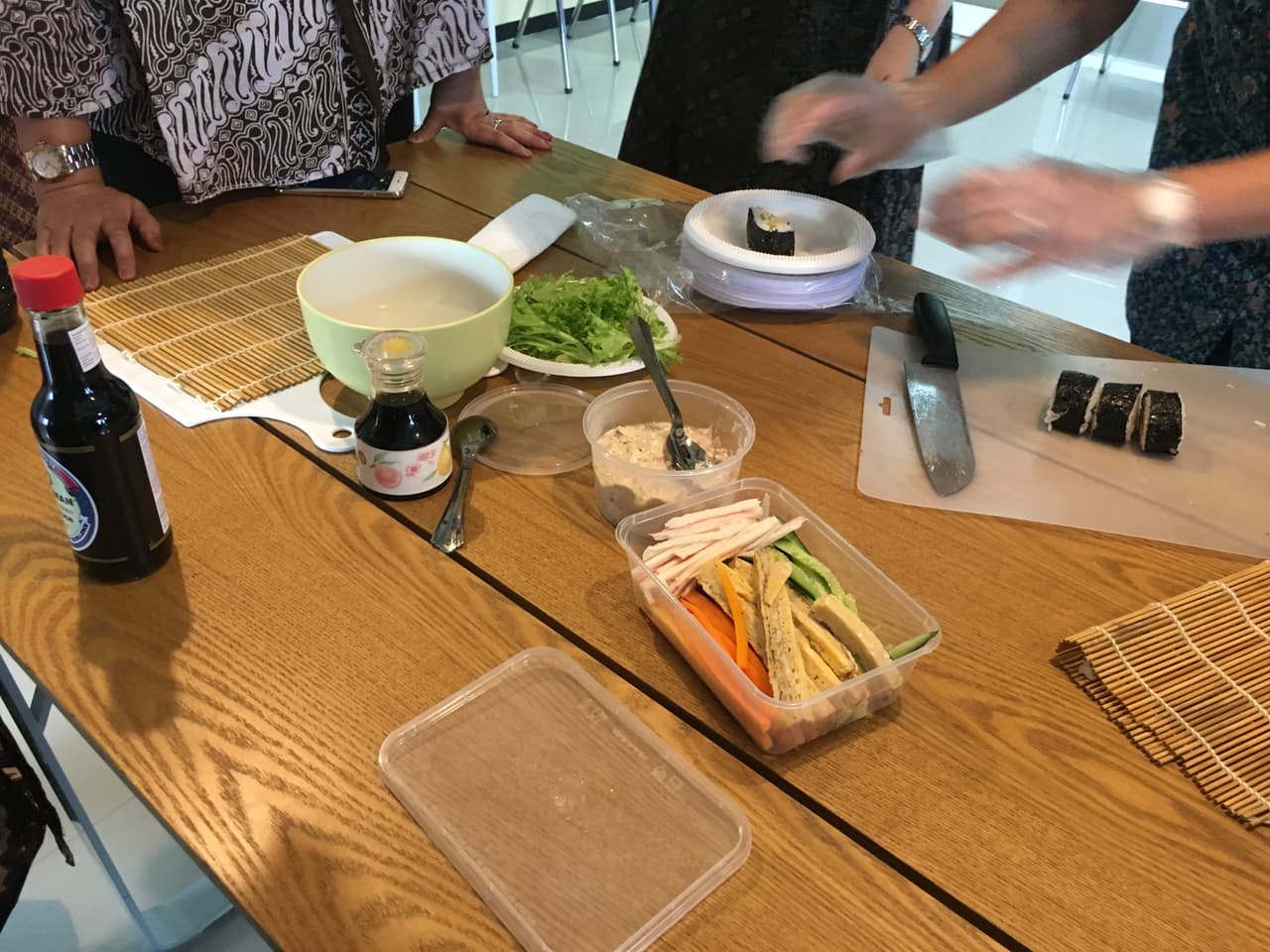
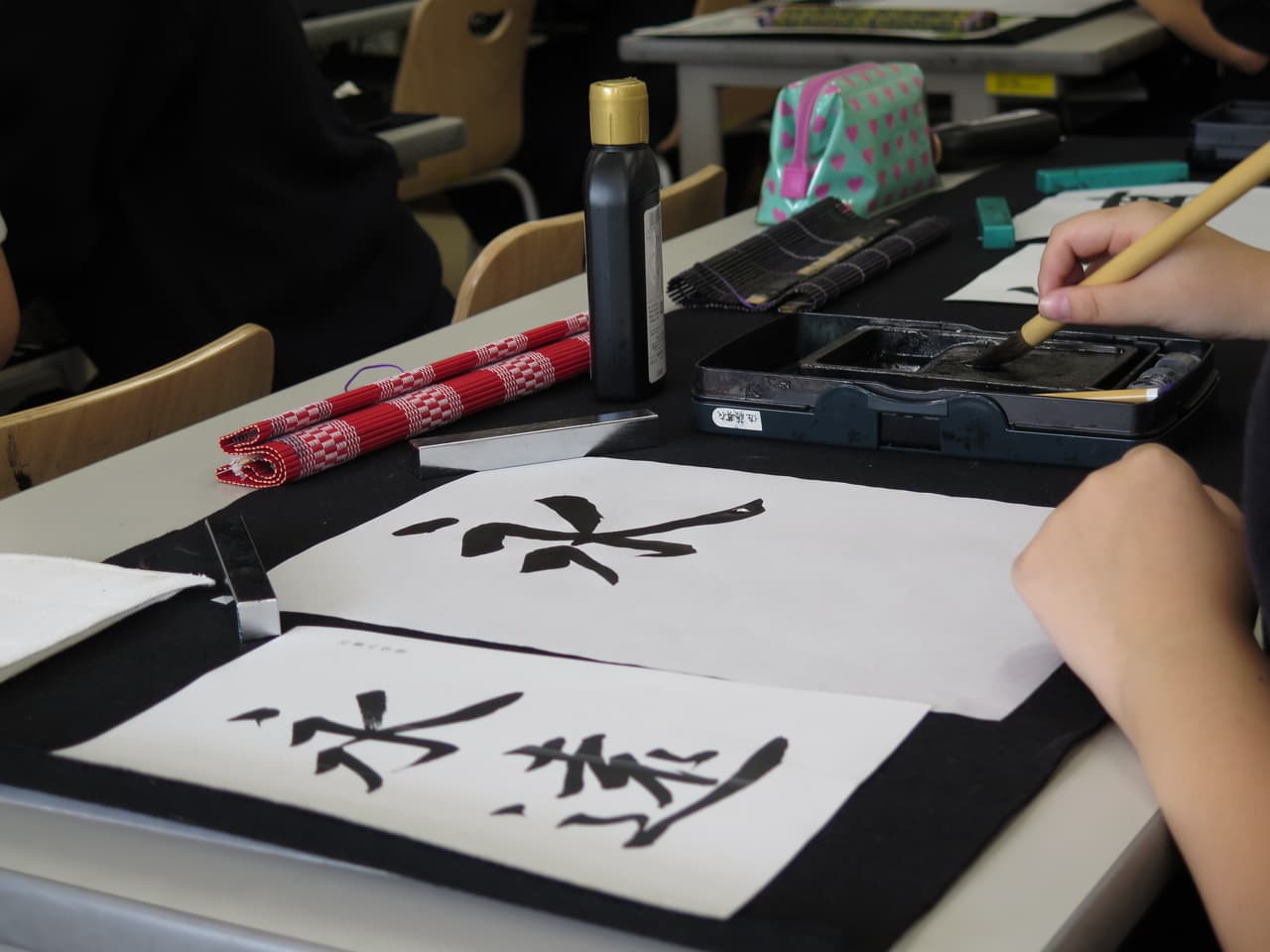
SamuraiSamurai Experience in Kyoto — What You Can Actually Book (and Why Real-Sword Cutting Isn't on the List)The Kyoto samurai experiences we checked run from ¥3,300 (museum and armour photos) to ¥20,000 (dojo training with an iaitō) on their standard shared plans, with private sessions priced separately — and why none of the operators we checked sells live-blade cutting to tourists. Verified on the operators' own sites, 2026-09-23.Standard shared plans in our table ¥3,300–¥20,000 per person, tax included (as of 2026-09-23): museum basic ticket ¥3,300, MAIKOYA sword lessons ¥7,700–¥12,100, kenbu class + show ¥10,000–¥13,000, dojo training ¥20,000; Uzumasa costume ¥5,800 plus ¥2,800 park admission. Private and special sessions are priced separately and are not always dearer: Samurai Kenbu Theater's private class for big groups ¥5,000 per person (¥8,000 with kimono rental) and private class for 1–9 people ¥20,000 per person; Yushinkan's 31 Oct 2026 temple session ¥30,000 per person; Samurai Kenbu Theater's Musashi's Journey ¥33,000 per lesson participant; MAIKOYA's private VIP sword training ¥198,000 per bookingSushi makingSushi-making class in Kyoto — the 5 we verified, prices, English support and how to bookFive English-friendly hands-on classes in Kyoto, ¥5,000 to ¥13,500 per person — one of them a bento class that includes makizushi — compared on what you actually make, how many people are in the room, and how far ahead you must book.From ¥5,000 pp (home kitchen, Fushimi) to ¥13,500 pp (studio workshop, Higashiyama), as of 2026-09-23Calligraphy (shodō)Calligraphy Class in Kyoto — Which One Mounts Your Writing as a Scroll?Kyoto shodō classes from ¥6,500 for 50 minutes — and, at one Nakagyo studio, a two-hour course that sends you home with a shikishi board, a hanging scroll and a hanko you made yourself. Verified on the operators' own sites, 2026-09-23.¥6,500–¥25,000 pp depending on what you take home (as of 2026-09-23); Deeper Japan from $320 pp ($620 for two on its own booking widget); MK Taxi and SAKURA do not publish a priceMartial artsKyudo experience in Kyoto — Japanese archery from ¥2,500, and the free one in JanuaryDraw a Japanese bow in Gion for ¥2,500 with 20 arrows, or spend an hour in a real dojo with a kyoshi 6th-grade teacher for about US$64 — and in January, watch the Tōshiya at Sanjūsangen-dō for free.Kyudo Experience Cafe, Gion: ¥2,500 per person for the Basic plan, 20 arrows included (operator listing, checked 21 August 2026). Prices for the Traditional Uniform and Samurai Armour plans are not published — ask at booking. Dojo option with a kyoshi 6th-grade teacher: about US$64 per person for 1 hour, all class fees and equipment included, free cancellation (listing priced in US dollars, so the yen figure moves with the exchange rate). Watching the Tōshiya at Sanjūsangen-dō on 17 January 2027: free — temple admission is waived on the day.ExperienceIndigo and wax-resist dyeing in Kyoto — workshops, prices, and what you actually makeKyoto's hands-on dyeing is mostly rōketsu (wax-resist), and one studio in Nishikyōgoku teaches the whole process from ¥2,900 for a 90–120 minute session — you leave with a dyed tote, tenugui, t-shirt or furoshiki.¥2,900 (Easy course) / ¥3,900 (S course, the most popular) / ¥5,500 (M) / ¥6,500 (L) / ¥7,000 (LL) at ROKETSU Dyeing Studio Yamamoto, the price rising with the size of the item you dye.Incense (kōdō)Kōdō Incense Appreciation Experience at Zikido Ichifune, KyotoA private 2-hour kōdō (incense appreciation) session inside a normally closed Kyoto temple garden costs from ¥33,600 per person and includes an English-speaking guide, ikebana, and matcha.From ¥33,600 per person (private session, 1–8 guests; the longer Genjiko + garden-tour version is from ¥48,300/person)ExperienceWashi Paper-Making in Kyoto — Kamitowa's Family Paper Shop (book direct or via Airbnb)Hand-make your own sheet of washi paper at Kamitowa, a small family paper shop 6 minutes from Karasuma Oike Station in central Kyoto — ¥3,000 plus tax, about an hour, book direct online or through Airbnb Experiences.¥3,000 plus tax (about ¥3,300 total) per person for the 1-hour standard or matcha papermaking course; +¥3,240 for an extra hour, +¥550 for a wall-hanging or mini-lampshade display kitKimono rentalKimono Photoshoot in Kyoto — The Best English-Friendly Experiences (and How to Book)Skip the guesswork on Kyoto's kimono photoshoot add-ons — see what four English-friendly operators actually charge, include, and don't include, then book directly.From about ¥9,900 for a 30-min photo package (kimono rental billed separately, typically ¥3,300–5,500)Wagashi makingWagashi making class in Kyoto — sculpt seasonal nerikiri sweets, English-friendly (and how to book)Sculpt delicate seasonal nerikiri sweets with your own hands in Kyoto, then eat them with a bowl of tea — English-friendly classes from about ¥3,700.From about ¥3,700 (as of July 2026) for a 75-minute class with matcha; artisan small-group classes about ¥12,000PotteryPottery class in Kyoto — throw Kiyomizu ware on the wheel, English-friendly (and ship it home)Throw your own bowl on the wheel in the home of Kiyomizu ware — English-friendly Kyoto pottery classes from about ¥2,900, with the fired piece shipped to your home country.From about ¥2,900 (as of July 2026) for a 25-min wheel session; ¥5,500–¥6,900 for longer plans; firing & overseas shipping extraGeisha cultureGeisha & maiko experience in Kyoto — meet one the right way (and how to book)Meet a real Kyoto geiko or maiko the respectful way — a private tea ceremony and dance in a historic Gion teahouse, English-interpreted, where you can actually ask her about her world.Tea ceremony with a geisha from about US$100 (≈¥15,000) pp; geisha makeover ¥10,000–25,000Tea ceremonyCeremonia del té en Kioto: las mejores experiencias en inglés (y cómo reservar)Una breve ceremonia del matcha guiada en inglés en una machiya de Higashiyama: la introducción más suave al chanoyu, con la etiqueta y un cuenco batido por ti incluidos.Desde ¥4,000 por adulto en sesión compartida (septiembre de 2026)Sake tastingSake tasting in Kyoto (Fushimi) — breweries, English tours, price & bookingTaste Fushimi sake brewed with Kyoto's famously soft spring water — a ¥600 self-guided museum, or an English sommelier-led tasting tour.¥600 self-guided at the Gekkeikan Okura Sake Museum (3 tastings + a souvenir cup); guided English tasting tours from ¥9,800.Zazen meditationZazen meditation in Kyoto — English temple sittings, price, and how to bookSit zazen in a working Kyoto Zen temple, guided in English — posture, breathing and a short dharma talk, in the quietest hour of your trip.Shunkō-in's English Zen Immersion (about 120 minutes) is booked through Peatix and the temple publishes no price on its own site; Kennin-ji's monthly public sitting is free and needs no reservation (as of September 2026).SeasonalKyoto Autumn Temple Light-Ups 2026 — Kiyomizu-dera, Kōdai-ji & Eikan-dō at NightAll three are confirmed for 2026: Kōdai-ji Oct 23–Dec 13, Eikan-dō Nov 20–Dec 6 and Kiyomizu-dera Nov 21–30. Tōfuku-ji has no night light-up.Kōdai-ji adults ¥800 (same day and night); Eikan-dō light-up ¥1,000 (junior high and up); Tōfuku-ji Tsūtenkyō & Kaisandō adults ¥1,000 in the Nov 14–Dec 6 autumn period (daytime only); Kiyomizu-dera — check the official site (as of September 18, 2026).FoliageHojas de otoño en Kioto 2026: dónde y cuándo ver el follajeEl follaje de otoño de Kioto suele alcanzar su punto álgido en la segunda mitad de noviembre de 2026, con lugares destacados como Tofukuji, Eikando y Arashiyama entre mediados de noviembre y principios de diciembre. Aquí te contamos adónde ir, qué es gratis y qué templos se iluminan de noche.Muchos recintos de templos son gratuitos; los templos de pago cuestan aproximadamente entre ¥300 y ¥1.000 la entrada de día. Las iluminaciones nocturnas cuestan alrededor de ¥500–¥800 (la apertura especial de Rurikoin ronda los ¥2.000). Precios a fecha de 2025; confirma los de 2026 en cada sitio oficial.
Lee antes de ir · 心得
KyotoBears in Japan 2026: What Travelers Should Know — Alert Areas, Official Maps by Prefecture, and What to DoBears in Japan 2026: Aomori has a prefecture-wide bear warning to 30 November; Akita (to 31 Oct) and Miyagi (to 30 Oct) have advisories. Black bears live across most of Honshu, brown bears in Hokkaido, none in Kyushu or Okinawa. Check the official map, go in a group, make noise, avoid dawn and dusk.KyotoJapan New Year 2026–27: What's Closed Dec 28–Jan 4 (Banks, Palaces, Museums) and What Stays OpenJapan's New Year 2026–27 closures are concentrated in Mon 28 Dec–Mon 4 Jan: banks shut Thu 31 Dec–Sun 3 Jan, national government offices 29 Dec–3 Jan, imperial palaces 28 Dec–4 Jan, Tokyo National Museum 26–31 Dec. Every date checked on the official page on 2026-10-14.KyotoShichi-Go-San 2026 (Sun 15 November): what it is, who celebrates, and how visitors can see it respectfullyShichi-Go-San 2026 falls on Sunday 15 November: families take children aged 3, 5 and 7 to shrines across Japan in kimono. Visitors may watch respectfully; at Meiji Jingu family photos are allowed with restrictions (not in front of the main shrine or during the prayer rite, no hired photographers), and prayers need no reservation (from ¥5,000, cash only).KyotoJR Pass 2026 Price: ¥50,000 Online vs ¥53,000 at Overseas Agents (from Oct 1)JR Pass 2026: since October 1, 2026 the 7-day pass costs ¥50,000 on the official online store but ¥53,000 from overseas agencies — and the online price freeze is only temporary. Full adult, child and Green Car prices, what changed, and where to buy.