
Kyoto
The heart of the tea ceremony, kimono and machiya craft.
16체험과 가이드¥300+게재 중 최저가영어 가능
이 도시의 체험 Kyoto · 体験모든 도시 →
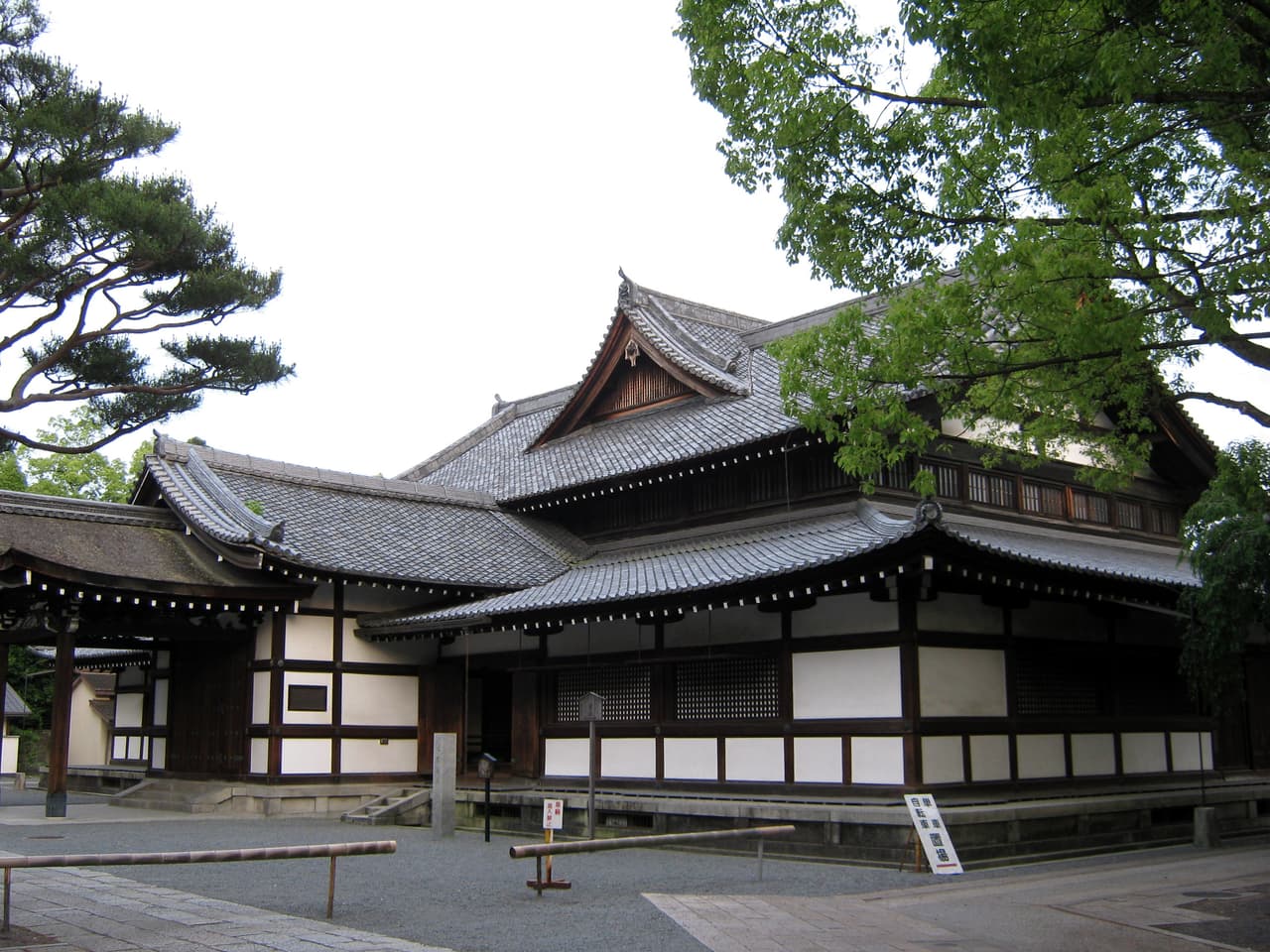
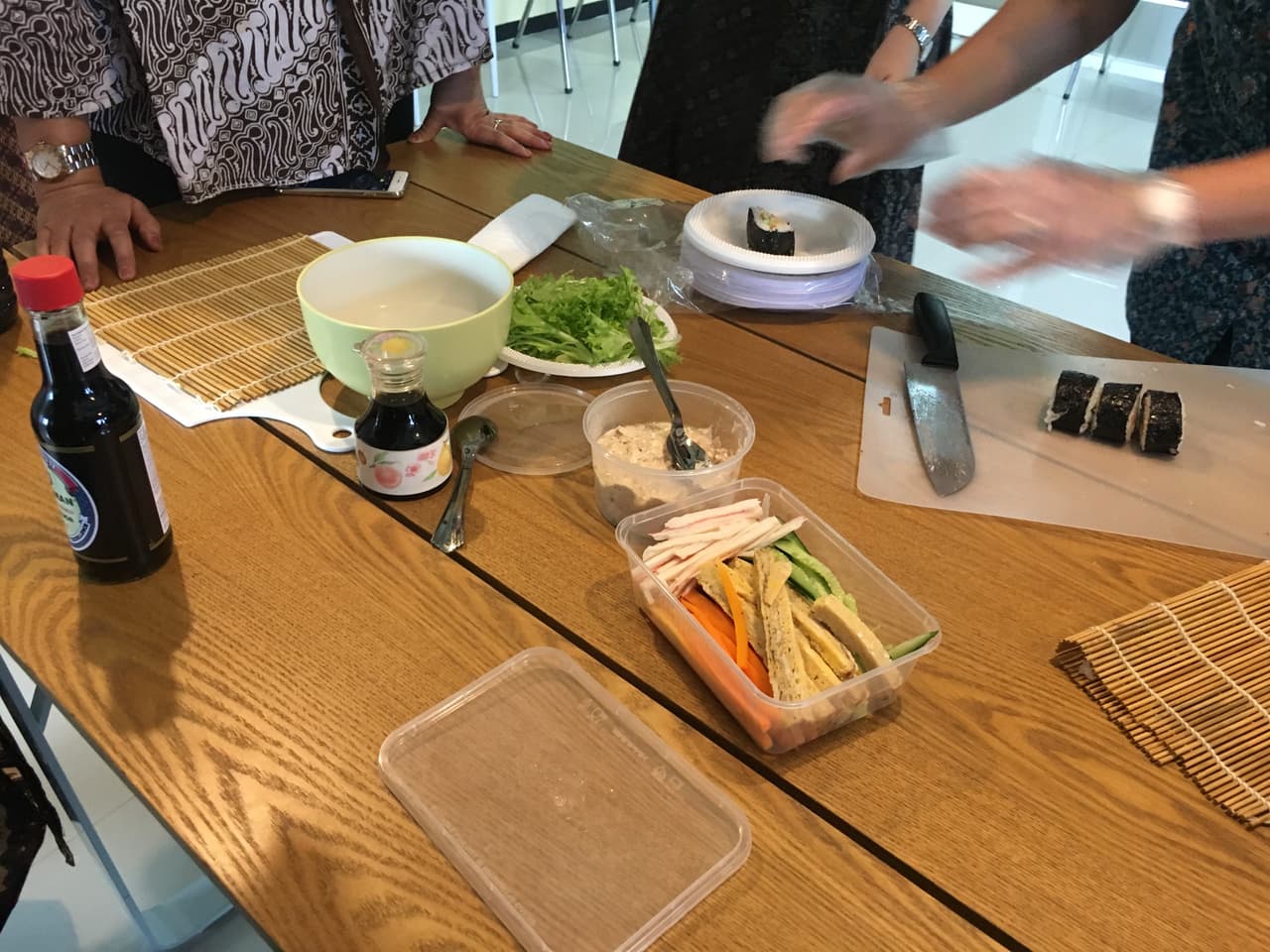
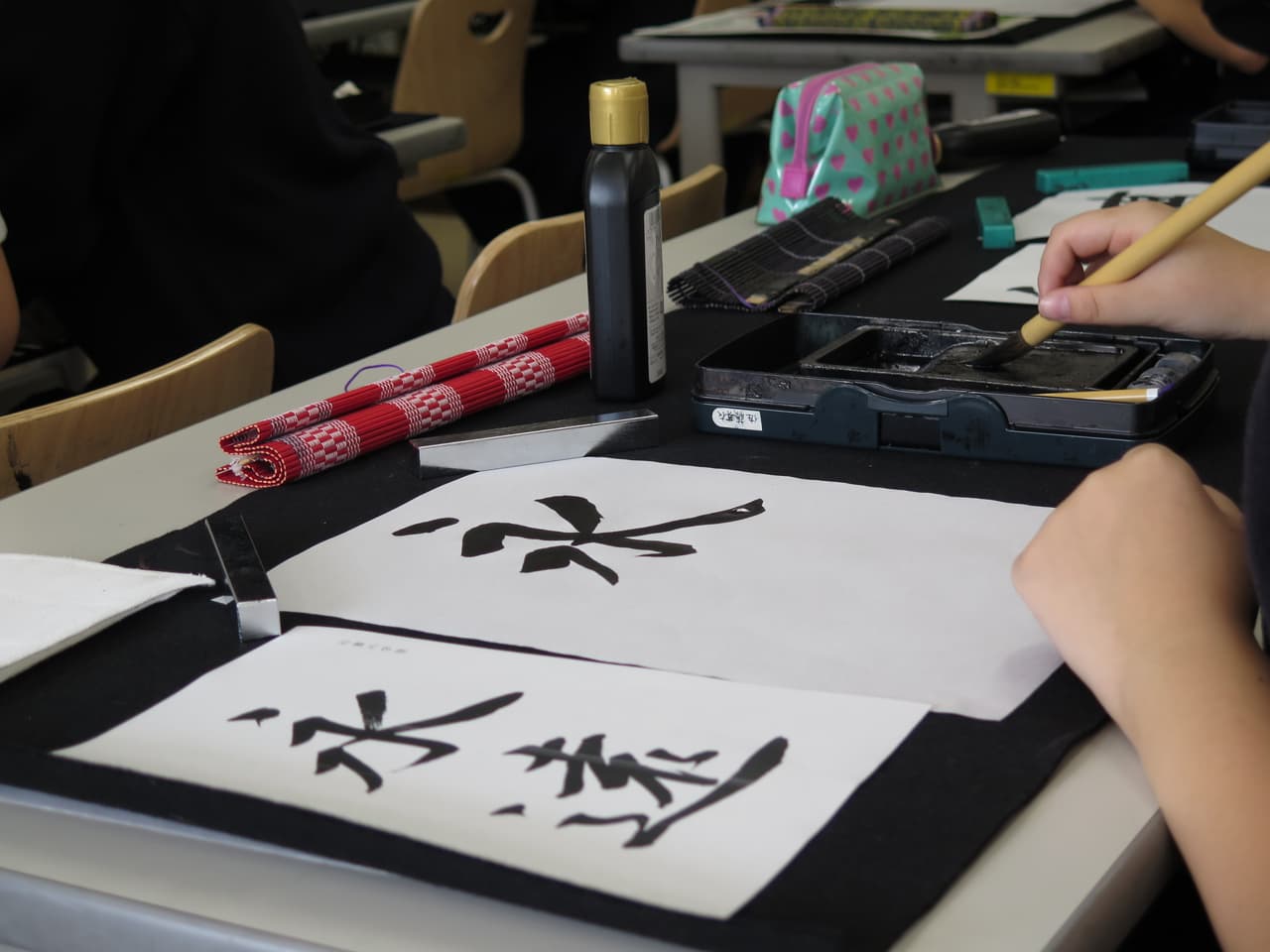
SamuraiSamurai Experience in Kyoto — What You Can Actually Book (and Why Real-Sword Cutting Isn't on the List)The Kyoto samurai experiences we checked run from ¥3,300 (museum and armour photos) to ¥20,000 (dojo training with an iaitō) on their standard shared plans, with private sessions priced separately — and why none of the operators we checked sells live-blade cutting to tourists. Verified on the operators' own sites, 2026-09-23.Standard shared plans in our table ¥3,300–¥20,000 per person, tax included (as of 2026-09-23): museum basic ticket ¥3,300, MAIKOYA sword lessons ¥7,700–¥12,100, kenbu class + show ¥10,000–¥13,000, dojo training ¥20,000; Uzumasa costume ¥5,800 plus ¥2,800 park admission. Private and special sessions are priced separately and are not always dearer: Samurai Kenbu Theater's private class for big groups ¥5,000 per person (¥8,000 with kimono rental) and private class for 1–9 people ¥20,000 per person; Yushinkan's 31 Oct 2026 temple session ¥30,000 per person; Samurai Kenbu Theater's Musashi's Journey ¥33,000 per lesson participant; MAIKOYA's private VIP sword training ¥198,000 per bookingSushi makingSushi-making class in Kyoto — the 5 we verified, prices, English support and how to bookFive English-friendly hands-on classes in Kyoto, ¥5,000 to ¥13,500 per person — one of them a bento class that includes makizushi — compared on what you actually make, how many people are in the room, and how far ahead you must book.From ¥5,000 pp (home kitchen, Fushimi) to ¥13,500 pp (studio workshop, Higashiyama), as of 2026-09-23Calligraphy (shodō)Calligraphy Class in Kyoto — Which One Mounts Your Writing as a Scroll?Kyoto shodō classes from ¥6,500 for 50 minutes — and, at one Nakagyo studio, a two-hour course that sends you home with a shikishi board, a hanging scroll and a hanko you made yourself. Verified on the operators' own sites, 2026-09-23.¥6,500–¥25,000 pp depending on what you take home (as of 2026-09-23); Deeper Japan from $320 pp ($620 for two on its own booking widget); MK Taxi and SAKURA do not publish a priceMartial artsKyudo experience in Kyoto — Japanese archery from ¥2,500, and the free one in JanuaryDraw a Japanese bow in Gion for ¥2,500 with 20 arrows, or spend an hour in a real dojo with a kyoshi 6th-grade teacher for about US$64 — and in January, watch the Tōshiya at Sanjūsangen-dō for free.Kyudo Experience Cafe, Gion: ¥2,500 per person for the Basic plan, 20 arrows included (operator listing, checked 21 August 2026). Prices for the Traditional Uniform and Samurai Armour plans are not published — ask at booking. Dojo option with a kyoshi 6th-grade teacher: about US$64 per person for 1 hour, all class fees and equipment included, free cancellation (listing priced in US dollars, so the yen figure moves with the exchange rate). Watching the Tōshiya at Sanjūsangen-dō on 17 January 2027: free — temple admission is waived on the day.ExperienceIndigo and wax-resist dyeing in Kyoto — workshops, prices, and what you actually makeKyoto's hands-on dyeing is mostly rōketsu (wax-resist), and one studio in Nishikyōgoku teaches the whole process from ¥2,900 for a 90–120 minute session — you leave with a dyed tote, tenugui, t-shirt or furoshiki.¥2,900 (Easy course) / ¥3,900 (S course, the most popular) / ¥5,500 (M) / ¥6,500 (L) / ¥7,000 (LL) at ROKETSU Dyeing Studio Yamamoto, the price rising with the size of the item you dye.Experience교토 와시(和紙) 종이뜨기 체험 — 가족이 운영하는 종이 가게 '카미토와'(공식 예약 또는 에어비앤비 예약 가능)교토 중심부 카라스마오이케역에서 도보 6분 거리에 있는 소규모 가족 운영 종이 가게 '카미토와'에서 직접 와시(일본 전통 종이)를 떠보는 체험. ¥3,000(세금 별도), 약 1시간 소요, 공식 홈페이지 또는 에어비앤비 익스피리언스로 예약 가능.1시간 표준 또는 말차 종이뜨기 코스 1인당 ¥3,000(세금 별도, 세금 포함 약 ¥3,300); 1시간 추가 시 +¥3,240; 벽걸이 또는 미니 램프 갓 마감 키트 각 +¥550Incense (kōdō)Kōdō Incense Appreciation Experience at Zikido Ichifune, KyotoA private 2-hour kōdō (incense appreciation) session inside a normally closed Kyoto temple garden costs from ¥33,600 per person and includes an English-speaking guide, ikebana, and matcha.From ¥33,600 per person (private session, 1–8 guests; the longer Genjiko + garden-tour version is from ¥48,300/person)Sake tasting교토 후시미 사케 시음 — 양조장, 영어 투어, 가격과 예약교토의 유명한 연수(軟水)로 빚은 후시미 사케를 맛보세요 — 600엔 셀프 관람 기념관부터 영어 소믈리에가 진행하는 시음 투어까지.겟케이칸 오쿠라 사케 기념관 셀프 관람은 600엔(시음 3종 + 기념 잔 포함), 영어 가이드 시음 투어는 9,800엔부터.Zazen meditation교토 좌선(자젠) 체험 — 영어 지도 사찰, 요금, 예약 방법실제로 운영 중인 교토의 선종 사찰에서 영어로 안내받는 좌선 — 자세와 호흡, 짧은 법문까지, 여행 중 가장 고요한 한 시간을 보내보세요.슌코인의 영어 프로그램(약 120분)은 Peatix로 예약하며 사찰 공식 사이트에는 요금이 표시되지 않습니다. 겐닌지의 매월 공개 좌선회는 무료·예약 불필요(2026년 9월 기준).Kimono rentalKimono Photoshoot in Kyoto — The Best English-Friendly Experiences (and How to Book)Skip the guesswork on Kyoto's kimono photoshoot add-ons — see what four English-friendly operators actually charge, include, and don't include, then book directly.From about ¥9,900 for a 30-min photo package (kimono rental billed separately, typically ¥3,300–5,500)Wagashi makingWagashi making class in Kyoto — sculpt seasonal nerikiri sweets, English-friendly (and how to book)Sculpt delicate seasonal nerikiri sweets with your own hands in Kyoto, then eat them with a bowl of tea — English-friendly classes from about ¥3,700.From about ¥3,700 (as of July 2026) for a 75-minute class with matcha; artisan small-group classes about ¥12,000PotteryPottery class in Kyoto — throw Kiyomizu ware on the wheel, English-friendly (and ship it home)Throw your own bowl on the wheel in the home of Kiyomizu ware — English-friendly Kyoto pottery classes from about ¥2,900, with the fired piece shipped to your home country.From about ¥2,900 (as of July 2026) for a 25-min wheel session; ¥5,500–¥6,900 for longer plans; firing & overseas shipping extraGeisha cultureGeisha & maiko experience in Kyoto — meet one the right way (and how to book)Meet a real Kyoto geiko or maiko the respectful way — a private tea ceremony and dance in a historic Gion teahouse, English-interpreted, where you can actually ask her about her world.Tea ceremony with a geisha from about US$100 (≈¥15,000) pp; geisha makeover ¥10,000–25,000Tea ceremony교토 다도 체험 — 영어로 즐기는 추천 체험과 예약 방법히가시야마의 마치야에서 즐기는 영어 안내 말차 다도 체험. 다도 입문의 가장 부드러운 첫걸음으로, 예법 설명과 직접 저어 만드는 한 잔이 포함됩니다.합석 체험 성인 1인 ¥4,000부터(2026년 9월 기준)SeasonalKyoto Autumn Temple Light-Ups 2026 — Kiyomizu-dera, Kōdai-ji & Eikan-dō at NightAll three are confirmed for 2026: Kōdai-ji Oct 23–Dec 13, Eikan-dō Nov 20–Dec 6 and Kiyomizu-dera Nov 21–30. Tōfuku-ji has no night light-up.Kōdai-ji adults ¥800 (same day and night); Eikan-dō light-up ¥1,000 (junior high and up); Tōfuku-ji Tsūtenkyō & Kaisandō adults ¥1,000 in the Nov 14–Dec 6 autumn period (daytime only); Kiyomizu-dera — check the official site (as of September 18, 2026).Foliage2026 교토 단풍: 명소와 절정 시기 완전 가이드교토의 단풍은 보통 2026년 11월 하순에 절정을 맞으며, 도후쿠지·에이칸도·아라시야마 같은 명소는 11월 중순부터 12월 초까지 이어집니다. 어디로 갈지, 무료 명소는 어디인지, 밤에 라이트업하는 사찰은 어디인지 정리했습니다.많은 사찰 경내는 무료이며, 유료 사찰의 주간 입장료는 대략 ¥300~¥1,000입니다. 야간 일루미네이션은 약 ¥500~¥800(루리코인의 특별 개방은 약 ¥2,000)입니다. 가격은 2025년 기준 — 2026년은 각 공식 사이트에서 확인하세요.
가기 전에 읽기 · 心得
KyotoTattoo-Friendly Onsen in Ito (2026): Official Policies, Stickers & How to AskTattoo-friendly onsen in Ito, per each facility's own site (2026-09-23): K's House allows tattoos, Laforet allows 2 cover stickers, 5 decline. Phrase card.KyotoKomuroyama Ridge Walk MISORA, Ito: Lift Price, Hours, Access (2026) and Mt. Omuro ComparedKomuroyama Ridge Walk MISORA, Ito: lift 1,000 yen round trip (children 100 yen), 9:30–16:00, free parking, dogs in carriers. Plus a Mt. Omuro comparison.KyotoTokaikan, Ito: Admission, Hours, Onsen Bath Days (2026) and the Spirited Away QuestionTokaikan, Ito: 300 yen, 9:00–21:00, closed 3rd Tuesday. Hot-spring bath on weekends and holidays (500 yen). 7 min from Ito Station. Spirited Away myth checked.KyotoLake Ippeki (Ippekiko) Guide 2026: Bus from Ito, Path Closure, Boats & ParkingLake Ippeki, Ito: a crater lake 36 min by bus from Ito Station. Part of the lakeside path is closed since Oct 2025, so no full loop. Boats, parking, seasons.