
What to expect
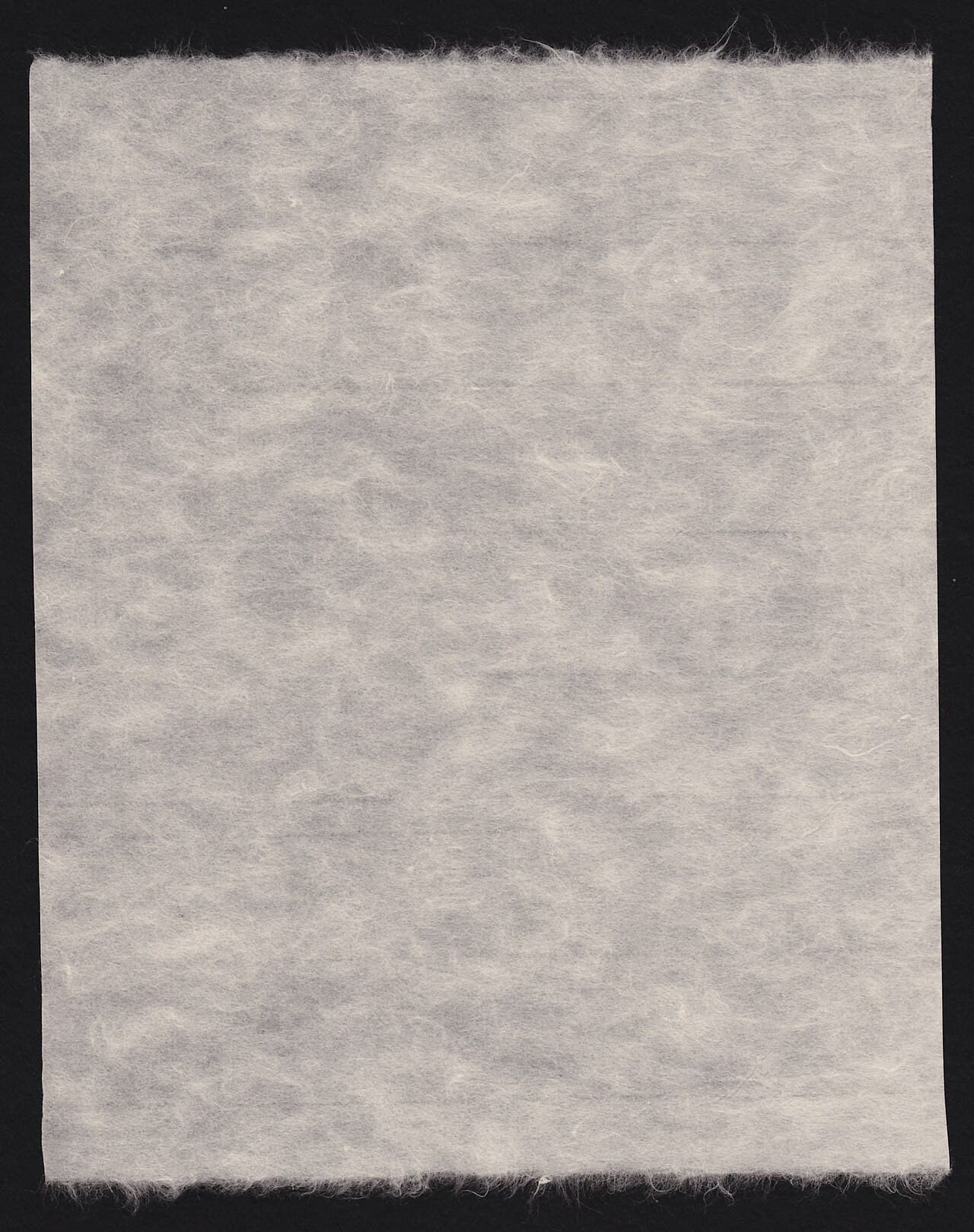
Kamitowa (紙とわ — "paper" plus "wa" for Japanese tradition) is a small, family-run paper shop on Sanjo-dori in Nakagyo-ku, central Kyoto, set in a traditional Japanese townhouse. The standard or matcha papermaking course runs about an hour and costs ¥3,000 plus tax (about ¥3,300 total) per person, as of the shop's own booking page in July 2026 — confirm on the day, since craft-shop pricing can change. After a short explanation of how washi is made, you shape your own sheet from raw fiber in a hand mold, pressing in dried flowers, leaves, and washi paper cutouts while it's still wet, before it's dried and heat-pressed. You choose what to make from a single B4 sheet — four postcards, a placemat, or a lampshade panel — and can add a wall-hanging or mini-lampshade display kit for +¥550, or book an extra hour of unlimited papermaking for +¥3,240.
Handmade Japanese paper is a craft that stretches back over a thousand years, traditionally made from kōzo (paper mulberry) and other plant fibers rather than wood pulp, and Japan's washi tradition was recognized by UNESCO as an Intangible Cultural Heritage in 2014. That specific UNESCO listing covers three regional lineages — Hosokawa-shi (Saitama), Sekishu-banshi (Shimane), and Honmino-shi (Gifu) — not Kyoto's city workshops, so what you're learning at Kamitowa is the same family of hand-papermaking technique, taught as an approachable one-hour lesson rather than a visit to one of those three UNESCO-listed production villages.
Sessions run by reservation only, Friday, Saturday, Monday and Tuesday, 9:30 AM–5:00 PM (closed Wednesday and Thursday) — it's a small operation with limited slots, so book a few days ahead rather than walking in.
Booking: official site vs. Airbnb Experiences
Book directly through Kamitowa's own English-language site: pick a date, choose the standard or matcha course plus any add-ons, and reserve online. If you'd rather book through a platform you already use, the same two-person team also runs a longer Airbnb Experience — "Craft postcards in a 94-year-old family paper shop" — a 1.5-hour version from $35 per guest, offered in English and Japanese, with a 4.98-star rating built on reviews that consistently praise the hosts' patient, encouraging teaching. Either route books the same hosts; the real difference is session length (1 hour direct vs. 1.5 hours on Airbnb) and whether you'd rather pay in yen on the shop's own site or through Airbnb.
If you want a full village day-trip instead
Kamitowa is a one-hour taste of the craft inside Kyoto city itself. If what you actually want is the deeper version — an entire papermaking village with centuries of production history — that's Kurotani washi (黒谷和紙) in Ayabe, roughly 90 minutes to two hours from central Kyoto by train and bus. Worth knowing before you plan around it: Kurotani is not in Kyoto city, and its hands-on workshop is temporarily closed for renovation from October 2026 until around spring 2028. For a trip centered on Kyoto itself, Kamitowa is the practical, currently bookable option.
Etiquette in brief
There's no dress code or ritual to worry about here — it's a craft lesson, not a ceremony. It is genuinely hands-on, and your hands and forearms get wet and a little pulpy while you shape the sheet, so wear something with sleeves that push up easily. Let the hosts set the pace on decorating: a sheet can only hold so many pressed flowers and leaves before it won't dry flat.
Getting there
Kamitowa is about a 6-minute walk from Karasuma Oike Station (Kyoto Municipal Subway Karasuma and Tozai lines), or roughly 9 minutes from Shijo Station (Karasuma Line) or Karasuma Station (Hankyu Kyoto Line). Karasuma Oike Station is also the stop for the Kyoto International Manga Museum, a 2-minute walk from the exit, so the two pair naturally into one central-Kyoto afternoon. If you'd rather work with ink than paper, our sumi ink-making experience in Nara is a different hands-on craft a short trip away; if you want somewhere to put your new paper to use, see our calligraphy class in Tokyo. For more of what to book around the city, browse our best cultural experiences in Kyoto guide, or the nationwide best cultural experiences in Japan overview.
- You shape the paper yourself from raw fiber in a hand mold — not just decorating a pre-made sheet — then press in dried flowers, leaves, and washi cutouts while it's still wet
- Choose the finished form: four postcards, a placemat, or a lampshade panel, all cut from one B4 sheet, plus an optional wall-hanging or mini-lampshade display kit (+¥550)
- Run by a couple whose reviewers on Tripadvisor and Airbnb consistently single out their patient, encouraging English explanations
- Located in a real, decades-old family paper shop on Sanjo-dori, not a studio built for tour groups — sessions stay small
- A short walk from the Kyoto International Manga Museum, so it pairs easily into a central-Kyoto afternoon
There's no dress code or bowing ritual here — it's a craft lesson, not a ceremony. It is genuinely hands-on: your hands and forearms get wet and a little pulpy while you shape the sheet, so let the hosts set the pace on decorating rather than rushing — a sheet can only hold so many pressed flowers and leaves before it won't dry flat.