
Bears in Japan 2026: What Travelers Should Know — Alert Areas, Official Maps by Prefecture, and What to Do
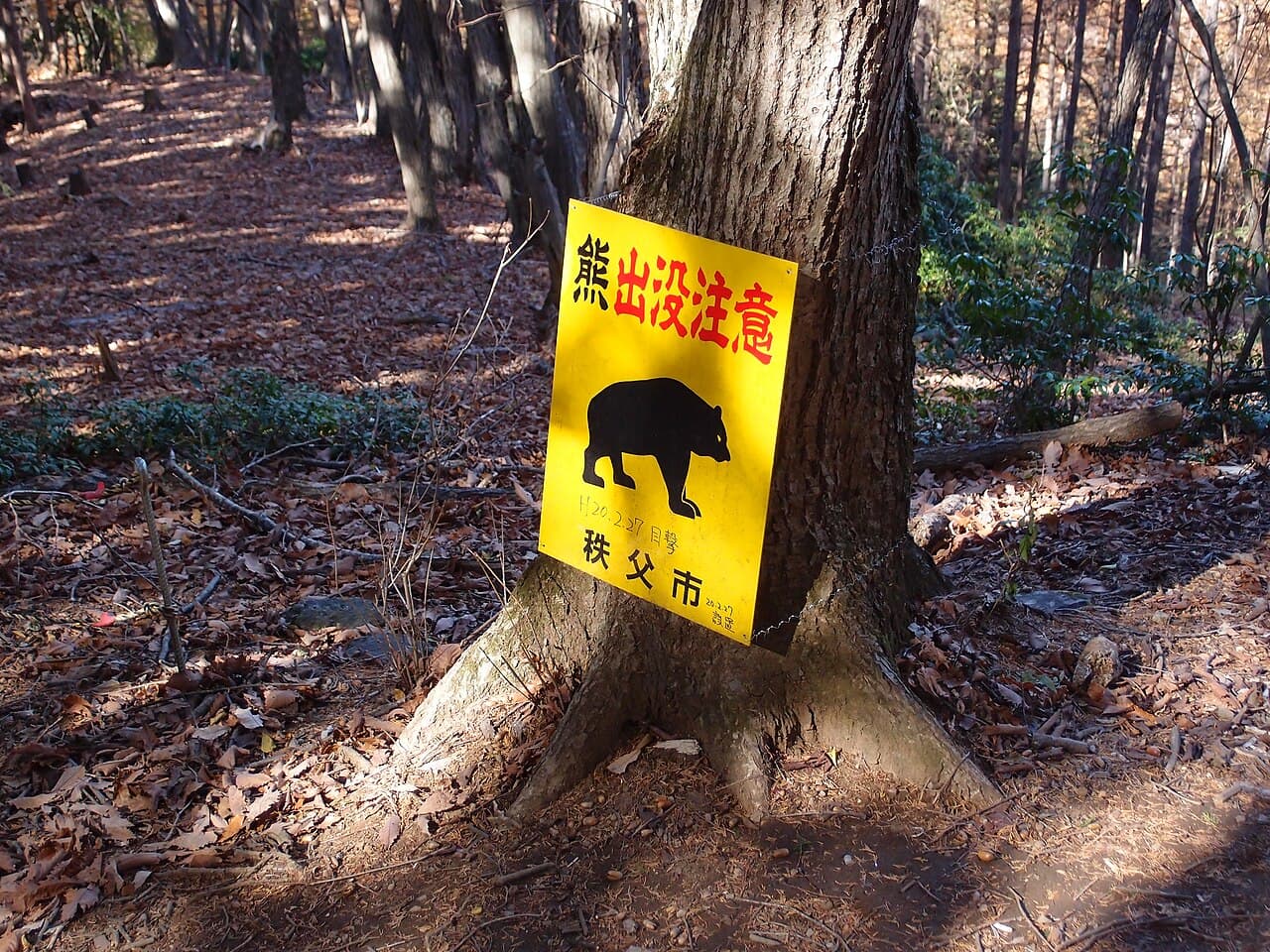
Bears in Japan 2026, in one paragraph: Asian black bears live across Honshu and in parts of Shikoku, and brown bears live in Hokkaido; the Ministry of the Environment leaves Kyushu and Okinawa out of its bear survey because no bears live there. Fiscal 2025 (April 2025 to March 2026) set records for sightings and injuries, and autumn is when bears feed hardest before hibernation. As of 14 October 2026, Aomori has a bear warning for the whole prefecture (to 30 November), and Akita (to 31 October) and Miyagi (to 30 October) have prefecture-wide advisories. Before a hike, a foliage walk or a stroll out of an onsen town, open that prefecture's official sighting map, walk in a group, make noise, and avoid dawn and dusk. If you meet a bear, don't run: back away slowly while watching it.
Checked 2026-10-14 against the Ministry of the Environment (bear information hub), Aomori, Akita, Miyagi and Iwate prefectures, the Consumer Affairs Agency and JNTO. Sources are listed at the end.
Where bears live, and where they don't
| Region | Bear | What the official sources say |
|---|---|---|
| Hokkaido | Brown bear (higuma) | Present. Hokkaido does not publish a prefecture-wide sighting count; information is published town by town |
| Honshu (Tohoku, Kanto, Chubu, Kansai, Chugoku) | Asian black bear (tsukinowaguma) | Present. Most prefectures publish an official sighting map or page, and the ministry links to them (see the maps section below) |
| Shikoku | Asian black bear | Present in parts of the island only |
| Kyushu and Okinawa | None | Outside the Ministry's survey because no bears live there |
Source: Ministry of the Environment, bears and national parks and the sighting table (notes 2 and 3).
Bears are active from roughly March to November and spend the winter in dens; the ministry notes that timing varies with region and weather. Miyagi Prefecture's current advisory says the coming weeks are when bears eat more ahead of hibernation and move around more.
The numbers, from the Ministry of the Environment
All figures are the ministry's preliminary counts collected from prefectures, and they change as prefectures revise them.
| Fiscal year | Bear sightings | People injured or killed | Deaths |
|---|---|---|---|
| FY2025 (Apr 2025 – Mar 2026) | 50,801 (excluding Hokkaido) | 238 people in 216 incidents | 13 |
- FY2025 set records. Sightings passed 50,000, and 216 incidents, 238 people and 13 deaths were each the highest on record (MOE injury table; reported as a record by nippon.com from the ministry's data).
- October is the dangerous month. In FY2025, October alone had 78 incidents involving 89 people, and 7 of the year's 13 deaths happened between 3 and 27 October (MOE injury table, MOE fatal-accident list).
- FY2026: six people died in bear attacks between April and August 2026, in Iwate (3), Akita, Yamagata and Aomori (MOE FY2026 table).
- How fresh is this? The ministry publishes injury counts in the first week of the following month, and sightings at the end of the following month. On 14 October the latest injury table ran to August 2026 and the sighting table to July 2026, so check the ministry's page for newer numbers.
Alerts we confirmed (checked 2026-10-14) — not a complete list
Prefectures issue their own bear advisories (kuma shutsubotsu chūihō) and, when things get worse, warnings (keihō). The names and thresholds differ from one prefecture to the next, so read the prefecture's own page rather than a news summary.
- Aomori (Hirosaki, Oirase, Hakkoda, Towada): a bear warning (keihō) for the whole prefecture from 20 April to 30 November 2026 — a higher level than an advisory. On 22 August a visitor was bitten on the arm near the Kanko-dai viewpoint at Lake Towada (prefecture notice).
- Akita: a bear advisory for the whole prefecture from 1 to 31 October 2026, switched down from a warning that ran to 30 September (Kumadas, Akita's official bear system).
- Miyagi (Sendai, Matsushima, Naruko): a bear advisory for every city, town and village from 1 to 30 October 2026, issued because September's 126 sightings passed the trigger of 114 (press release, current status). Miyagi asks people to avoid going out at dawn and dusk, carry a bear bell or make other noise, move in groups and not leave food waste. In fiscal 2025 the same prefecture issued bear warnings month after month from 29 July to 31 December, so check the status page after 30 October to see whether the advisory is extended, upgraded or lifted.
- Iwate (alert status not stated, check the page): the prefecture has asked visitors on autumn hikes and foliage trips to make the precautions a habit before they set out, and runs a sighting app called Bears inside its official LINE account (autumn notice). Its bear warning page was last updated on 21 May 2026 and does not say whether that warning is still in force on 14 October, so check the current status there before you go.
- Everywhere else: use the map table below. In a national park, the Ministry of the Environment suggests stopping at the visitor centre first for local rules and the latest sightings.
Check the map before you go
The Ministry of the Environment keeps a list of official bear maps for 32 prefectures. It is not complete: Shiga and Shimane are not on it, although the ministry's own tables record bear sightings in both in FY2025, so for those two use the prefecture's own website. These are the ones most travellers will need. Most are in Japanese only; your phone's camera translation handles the place names well enough.
| Prefecture | Map | Note |
|---|---|---|
| Hokkaido (brown bears) | Town-by-town bear information (link list) | Links to each town's own bear page; Hokkaido does not publish a prefecture-wide sighting count |
| Aomori | Official sighting map | Warning in force 20 Apr – 30 Nov 2026, whole prefecture |
| Iwate | Official sighting map | Iwate's sighting app Bears runs inside the prefecture's official LINE account |
| Miyagi | Official sighting map | Advisory in force 1–30 Oct 2026, whole prefecture |
| Akita | Official sighting map | Advisory in force 1–31 Oct 2026, whole prefecture |
| Yamagata | Official sighting map | |
| Fukushima | Official sighting map | |
| Tochigi (Nikko) | Official sighting map | On a phone, pick "アニマル" (animals) in the menu |
| Gunma | Official sighting map | |
| Niigata | Official sighting map | |
| Toyama | Official sighting map | |
| Nagano | Official sighting map | |
| Gifu (Takayama, Shirakawa-go) | Official sighting map | |
| Kyoto Prefecture | Official sighting map | On a phone: 自然環境・農林水産 → クマ目撃情報マップ |
Not on this list? Open the ministry's list, which also covers Saitama, Tokyo, Kanagawa, Ishikawa, Fukui, Yamanashi, Shizuoka, Aichi, Mie, Osaka, Hyogo, Nara, Wakayama, Tottori, Okayama, Hiroshima, Yamaguchi and Tokushima.
Before a hike, a foliage walk or a walk out of an onsen town
The advice below is what the Ministry of the Environment, Miyagi and Iwate tell their own residents, in plain English.
- Look at the map for the exact area you are going to, the morning you go. Sightings near the trailhead or the town edge are your cue to choose a different walk.
- Don't go alone. Groups are noisier and safer.
- Make noise all the time: a bear bell, a radio, talking. Miyagi says the most dangerous situation is a bear that has not noticed you until you meet face to face.
- Avoid dawn and dusk. Bears are most active early in the morning and in the evening, and on dull, dark days they may be out at midday. Fog, wind and streamsides make it harder for a bear to notice you.
- Stay on the path. Miyagi warns that stepping off the trail into thick brush — typically while picking wild plants or mushrooms — is how people walk into bears.
- Never leave food or rubbish. A bear that learns people carry food comes back for it. Take everything home and keep camp food out of reach.
- Turn back if you see signs: droppings, footprints, claw marks on bark. Assume a bear is close.
- Bear spray: you cannot bring it on a plane, in hand luggage or checked bags. If you want it, find out before your trip where you can buy or rent it locally, carry it where you can reach it, and know how to use it.
If you see a bear
- Far away: leave quietly the way you came.
- Don't approach it, and don't stop to take photos.
- Don't shout or throw things. It only excites the animal.
- Don't turn your back and run. Bears are much faster than people and may chase.
- Back away slowly, facing the bear and keeping your eyes on it. Wait for it to leave rather than trying to get past.
- A cub means a mother nearby. Never go towards a cub, however small.
If a bear attacks
Lie face down on the ground and protect the back of your neck and your head with both arms; a backpack shields your back. If you carry bear spray, aim it at the bear's face. These are the steps Miyagi, Iwate and the Ministry of the Environment all give, but Miyagi itself says they cannot be guaranteed to work, which is why the steps above, about not meeting a bear at all, matter most.
Who to call
| Number | For |
|---|---|
| 119 | Ambulance and fire — call if anyone is hurt |
| 110 | Police |
| 050-3816-2787 | JNTO Japan Visitor Hotline: 24 hours, 365 days, in English, Chinese and Korean (JNTO) |
If you come across a cub, Miyagi asks you not to go near it and to contact the local municipal office.
Planning the rest of the trip
Bear country in autumn overlaps with much of the onsen and foliage country travellers come for. If your plans include a hot-spring town, our first-time onsen etiquette guide covers the bath itself; for ideas that suit any region, see the best cultural experiences in Japan.
Sources
- Ministry of the Environment: bear information hub (preliminary counts), FY2025 injury table, FY2025 fatal accidents, FY2026 injury table, sighting table, bears and national parks, prefectural map links
- Miyagi Prefecture: advisory press release, 1 Oct 2026, advisory status, how to avoid bear injuries
- Aomori Prefecture: bear warning, warning press release
- Akita Prefecture: Kumadas bear map, advisory notice
- Iwate Prefecture: autumn notice, bear warning page
- Consumer Affairs Agency: bear spray
- JNTO: Japan Visitor Hotline
Checked 2026-10-14. Numbers are the Ministry of the Environment's preliminary counts and change as prefectures revise them; advisories start and end on fixed dates. Check the official page before you travel. Update log: 2026-10-14 first published with Aomori's warning (to 30 Nov), Akita's (to 31 Oct) and Miyagi's (to 30 Oct) advisories and the ministry's tables to August 2026.
FAQ
- Are there bears in Japan, and where?
- Yes. Asian black bears live across Honshu and in parts of Shikoku, and brown bears live in Hokkaido. The Ministry of the Environment leaves Kyushu and Okinawa out of its bear survey because no bears live there.
- Is there a bear warning in Japan right now (October 2026)?
- As of 14 October 2026, Aomori has a bear warning for the whole prefecture until 30 November, and Akita (to 31 October) and Miyagi (to 30 October, after 126 sightings in September passed its trigger of 114) have prefecture-wide advisories. Other prefectures issue their own advisories and warnings, so check the official page or sighting map of the prefecture you are visiting (checked 2026-10-14).
- What should I do if I see a bear in Japan?
- Don't approach it, shout, throw things or run. Face the bear and back away slowly while watching it, and wait for it to leave. If it attacks, lie face down and protect your neck and head with both arms. Call 119 if anyone is hurt.
- Can I bring bear spray to Japan on a plane?
- No. The Consumer Affairs Agency and the Ministry of the Environment both say bear spray cannot be taken on aircraft, in the cabin or in checked bags. Find out before your trip where you can buy or rent it locally.
- Where can I find a bear sighting map for Japan?
- There is no single national map. Most prefectures run their own, and the Ministry of the Environment links to 32 of them on one page. Some prefectures with bears, such as Shiga and Shimane, are not on that list, so search the prefecture's own website. Hokkaido publishes bear information town by town.
Related
Across Japan
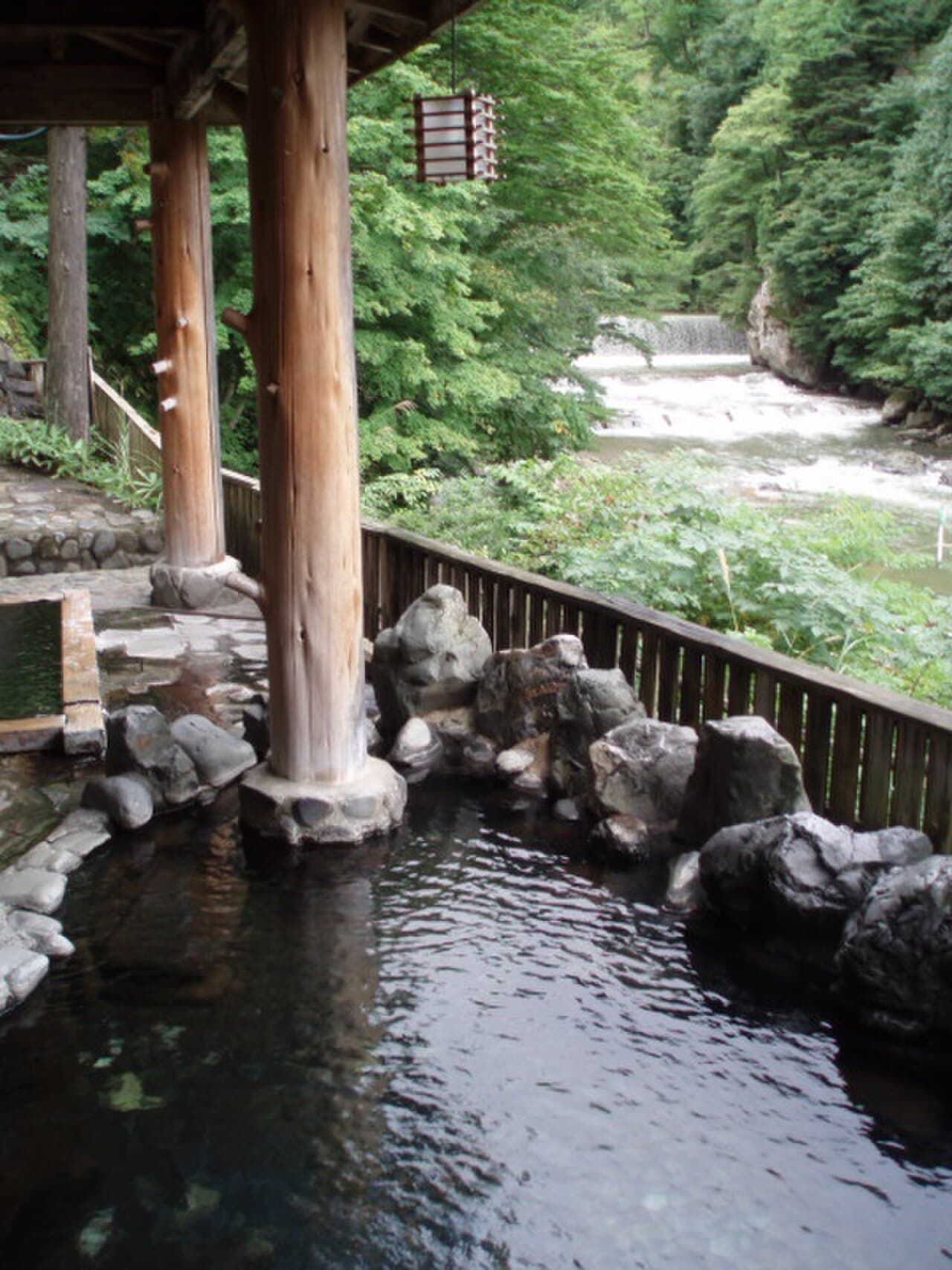
Onsen etiquette for your first time — the full sequence, from the curtain to the changing room
Nearly every rule in a Japanese bath follows from one principle: the bath water is shared and is not for washing in. Wash and rinse completely at the seated shower before you get in, keep the small towel out of the water, and you have already got 90% of it right. Here is the full sequence in order, plus the six mistakes visitors actually make.
Across Japan
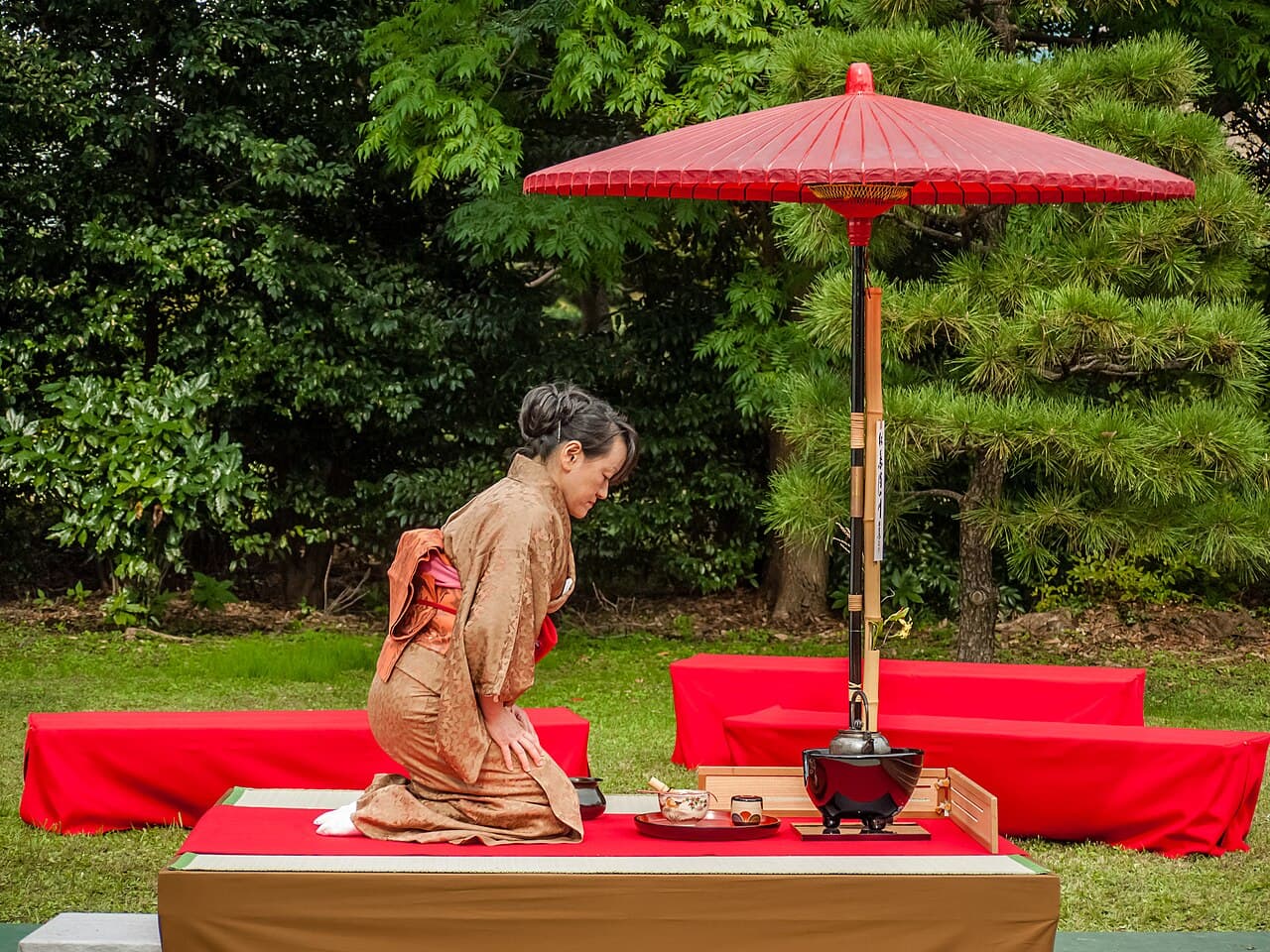
The Best Cultural Experiences in Japan (and How to Book Them)
The best traditional cultural experiences in Japan are the **tea ceremony, zazen meditation, kimono wearing, samurai and ninja training, calligraphy, pottery, taiko drumming, sushi-making, and geisha and sake culture** — almost all offered as English-friendly 1–2 hour drop-in workshops needing no prior experience. Kyoto leans refined and traditional; Tokyo leans hands-on. As of 2026.