
Onsen etiquette for your first time — the full sequence, from the curtain to the changing room
The one principle
The bath water is shared, and it is not for washing in. You enter it already clean, and you leave it as clean as you found it.
Almost every onsen rule that looks arbitrary is a consequence of that. Once you have it, you can improvise correctly in a bath you have never seen.
The sequence, in order
1. Read the curtain. The noren at the entrance says 男 (men, usually blue) or 女 (women, usually red). Many ryokan swap the two sides on a schedule so that both sets of guests get the nicer bath at some point — so check the kanji every single time, not the colour you remember from yesterday.
2. Shoes off before the changing room. If you have not already left them at the ryokan entrance — see taking your shoes off in Japan for where the line falls.
3. Undress completely in the changing room and put everything in the basket or locker. Everything: no swimsuit, no underwear, no shorts. You take one thing into the bathing area — the small towel.
4. Wash, sitting down. Along the wall there is a row of stations, each with a low stool, a handheld shower, a bowl, soap and shampoo. Sit on the stool — standing and showering splashes your neighbours. Wash your hair and your whole body. Then rinse until there is no soap left anywhere, including on the stool and the floor around you.
5. Rinse the station. Sluice the stool and the space with a bowl of water before you leave it. This is the courtesy that marks out someone who knows what they are doing.
6. Get in slowly. Onsen water often runs 40–43°C. Sit on the edge, then lower yourself; do not jump, and do not dive.
7. Towel out of the water. On your head, or folded on the rim. This is not a quirk to be smiled at — a towel in the bath is the single most-noticed mistake a foreign visitor makes.
8. Tie long hair up. Hair must not touch the water either.
9. Soak, quietly. Voices low. No swimming, no splashing, no lengths. Ten to fifteen minutes is a normal first soak; longer and hot water will make you dizzy.
10. Wipe down before the changing room. Squeeze out the small towel and wipe the water off your body at the doorway. You do not need to be dry — you need to not flood the changing-room floor for the person after you. The big towel is out there, in your basket, and is for drying properly.
The six mistakes visitors actually make
- Getting in before washing. The one that genuinely offends.
- Towel in the water. Second only to the above.
- Standing up at the shower station. Sit down; the stool is there for a reason.
- Bringing a phone in. Phones are banned in bathing and changing areas, full stop. No photographs, ever, including of an empty bath. If you want the picture, buy the postcard.
- Assuming the men's side is the one you used yesterday. See step 1.
- Soaking after several drinks. Hot water plus alcohol is how people faint. Most facilities ask you not to, and they are not being fussy.
What about tattoos?
This is the question that stops more travellers than any other, and it has a real answer that has been shifting for years: some onsen prohibit tattoos outright, some allow them, some allow them if covered with a patch, and some will steer you to a private bath instead. It is genuinely worth checking before you travel rather than at the door. We keep a dedicated guide: onsen etiquette with tattoos.
Onsen, sentō, and rotenburo
Worth knowing, because the words appear on signs and menus:
- Onsen (温泉) — a bath fed by naturally heated mineral spring water, legally defined by temperature and mineral content.
- Sentō (銭湯) — a public bath heated by ordinary means. Same etiquette exactly, usually cheaper, usually more local, and often more interesting. The legal and practical difference is set out in sentō vs onsen.
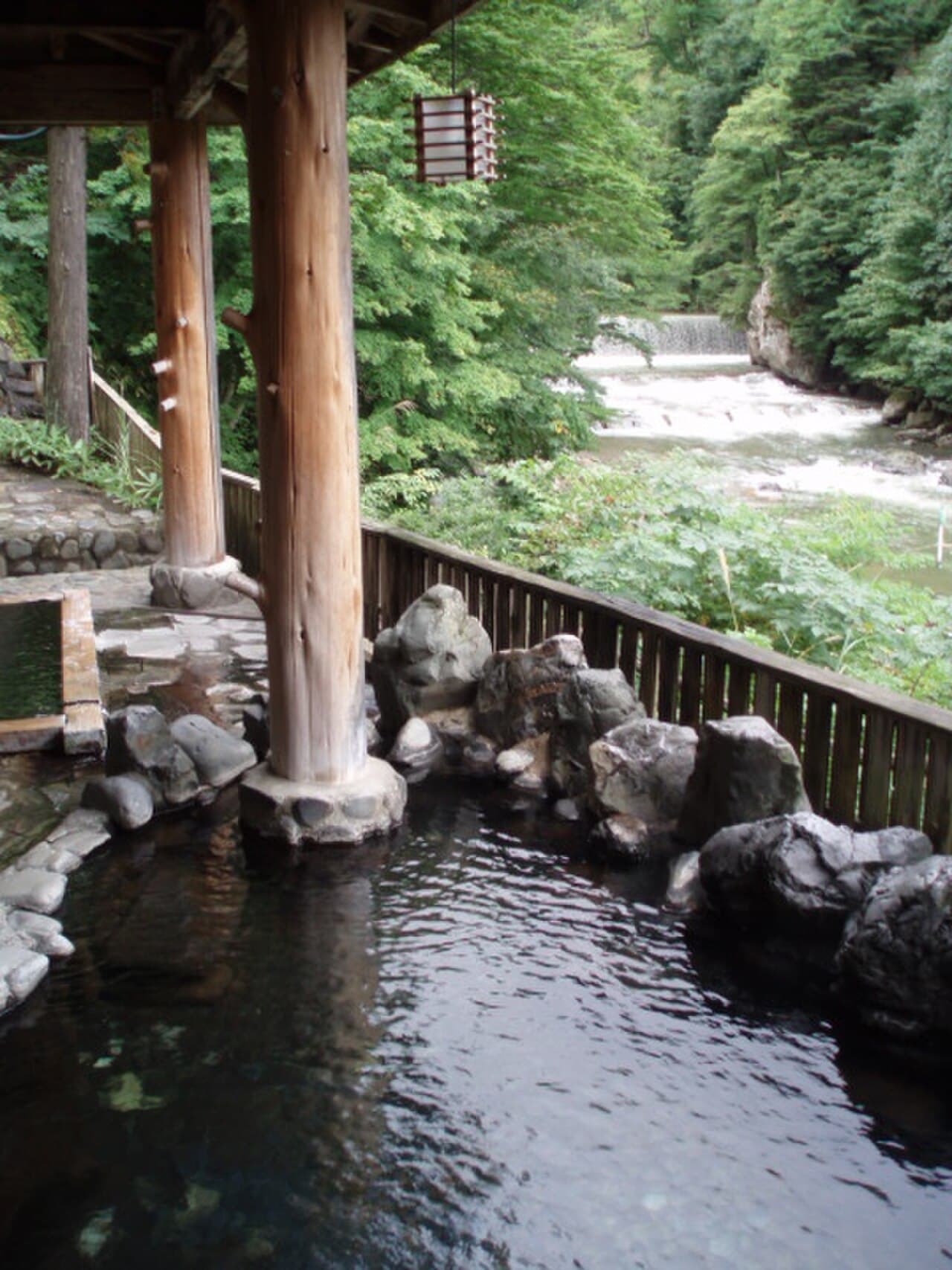
- Rotenburo (露天風呂) — an outdoor bath. Not a separate rule set; just the best seat in the house, especially in snow.
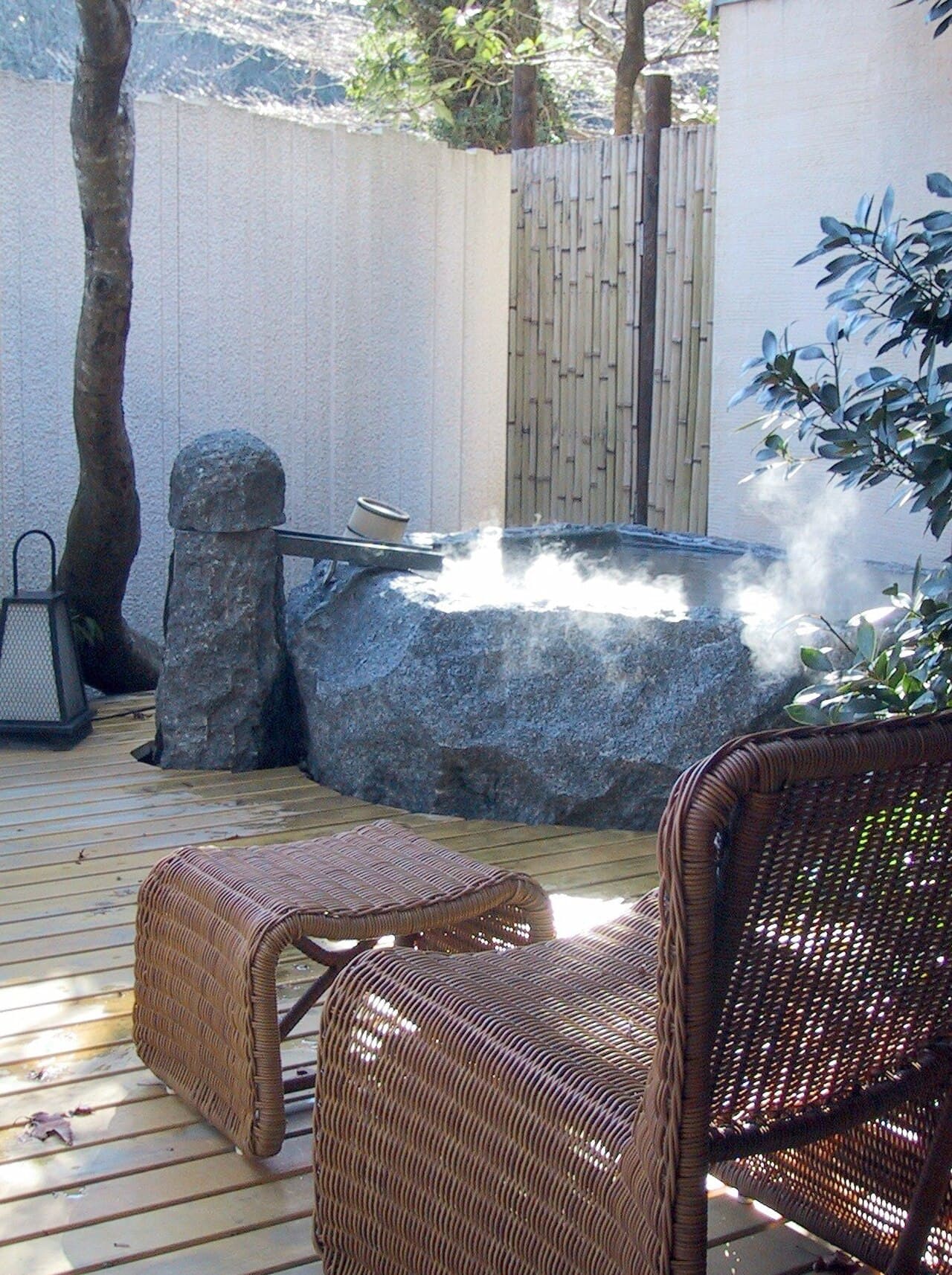
- Kashikiri-buro (貸切風呂) — a private bath you reserve, usually for 45 minutes. The solution for couples, families, tattooed travellers and anyone who simply does not want to be naked in public.
If you are staying at a ryokan
The bath is the centre of the day, not an amenity — most guests bathe before dinner and again in the morning, and the yukata provided is what you wear to walk there and back. Ryokan etiquette covers the rest of the house, what is a ryokan explains the format, and if you only have a day, a Hakone onsen day trip gets you the experience from Tokyo and back before dinner.
One last thing: wear the yukata left over right. Right over left is how the dead are dressed, and it is the sort of small error that a ryokan's staff will quietly fix for you — which is worse than being told.
---
Prices, schedules and booking links on this page were verified as of 2026-08-09. Operators change them without notice — confirm on the booking page before you travel, and tell us if you find something out of date.
FAQ
- Do you have to be completely naked in a Japanese onsen?
- Yes, in the traditional gender-separated baths, which is the overwhelming majority. No swimsuits, no shorts, no underwear. The only exceptions are konyoku (mixed) baths that specify bathing wear, private family baths, and some modern spa facilities — all of which say so explicitly.
- What is the small towel for in an onsen?
- Washing at the shower station, modesty while walking around, and wiping yourself down before you re-enter the changing room. It must never go into the bath water. Fold it and rest it on your head or on the rim of the bath while you soak — putting it on your head is not a joke, it is the standard solution.
- Do you wash before or after the onsen bath?
- Before, always, and thoroughly. Sit on the stool at a shower station, wash your hair and body with the soap and shampoo provided, and rinse every trace of it off before you approach the bath. The soak is not for cleaning; you enter the shared water already clean.
- How do I know which side is men and which is women?
- By the noren curtain at the entrance: 男 (otoko, men) is usually blue, 女 (onna, women) usually red. Do not rely on the colour alone — many ryokan swap the two sides on a schedule so that both guests get the better bath, so check the kanji or the sign each time you go.
- Can you go in an onsen with tattoos?
- It depends on the facility, and the picture has changed a lot. Many onsen still prohibit tattoos outright, many now allow them, and some allow them if covered with a patch or offer a private bath instead. It is worth checking in advance rather than at the door — our dedicated guide covers which policies apply where and how to find tattoo-friendly baths.
Try it yourself
OnsenHakone
Onsen Day Trip in Hakone — Tenzan vs. Matsuzakaya Honten (prices, tattoo policy, booking)
Compare Hakone's two day-trip onsen options — Tenzan's budget public baths (from ¥1,450, walk-in) and Matsuzakaya Honten's private open-air bath (from ¥17,600/room) — with real prices, hours and tattoo policy.