
Do You Have to Take Your Shoes Off in Japan? The Genkan Rules Explained
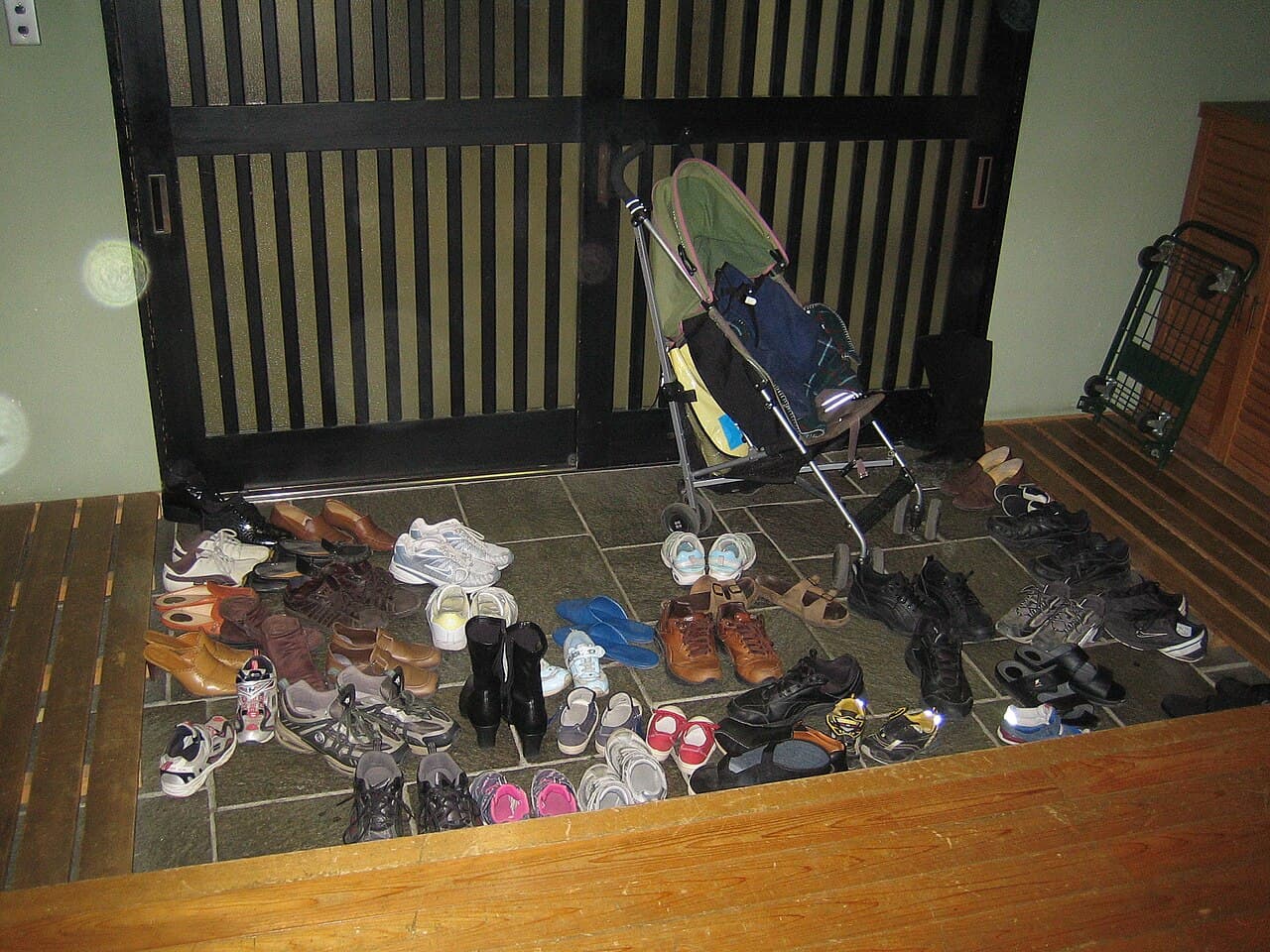
Yes — in private homes, ryokan, many temple interiors, and any room floored with tatami, shoes come off before you go further in. It's one of the most consistent rules a visitor will run into, and it's built right into the architecture: the entryway of almost every traditional building has a small sunken area, the genkan, that exists specifically to mark this boundary.
What the genkan actually is
The genkan is the entry space just inside the front door — a tiled or concrete floor (the tataki) sitting one step below the main floor of the house (the agari-kamachi). That single step isn't decorative: traditional Japanese homes were built slightly raised off the ground for ventilation and damp control, and the genkan's lower level exists to catch outdoor dirt before it reaches the raised, clean interior. Some writers compare its role — marking a clear line between the outside world and the home — to how a shrine's torii gate marks a boundary, though that's a symbolic comparison rather than a shared origin.
Where you'll actually need to remove your shoes
- Private homes — always, without exception, right at the genkan.
- Ryokan — off at the entrance genkan, then corridor slippers, then off again before stepping onto any tatami room floor. Full sequence in our ryokan etiquette guide.
- Temples and shrines — many require shoes off before entering interior halls, though outdoor grounds and courtyards are usually fine in shoes. Etiquette varies by site, so watch for shoe racks and other visitors. See our shrine etiquette guide for the rest of a shrine visit.
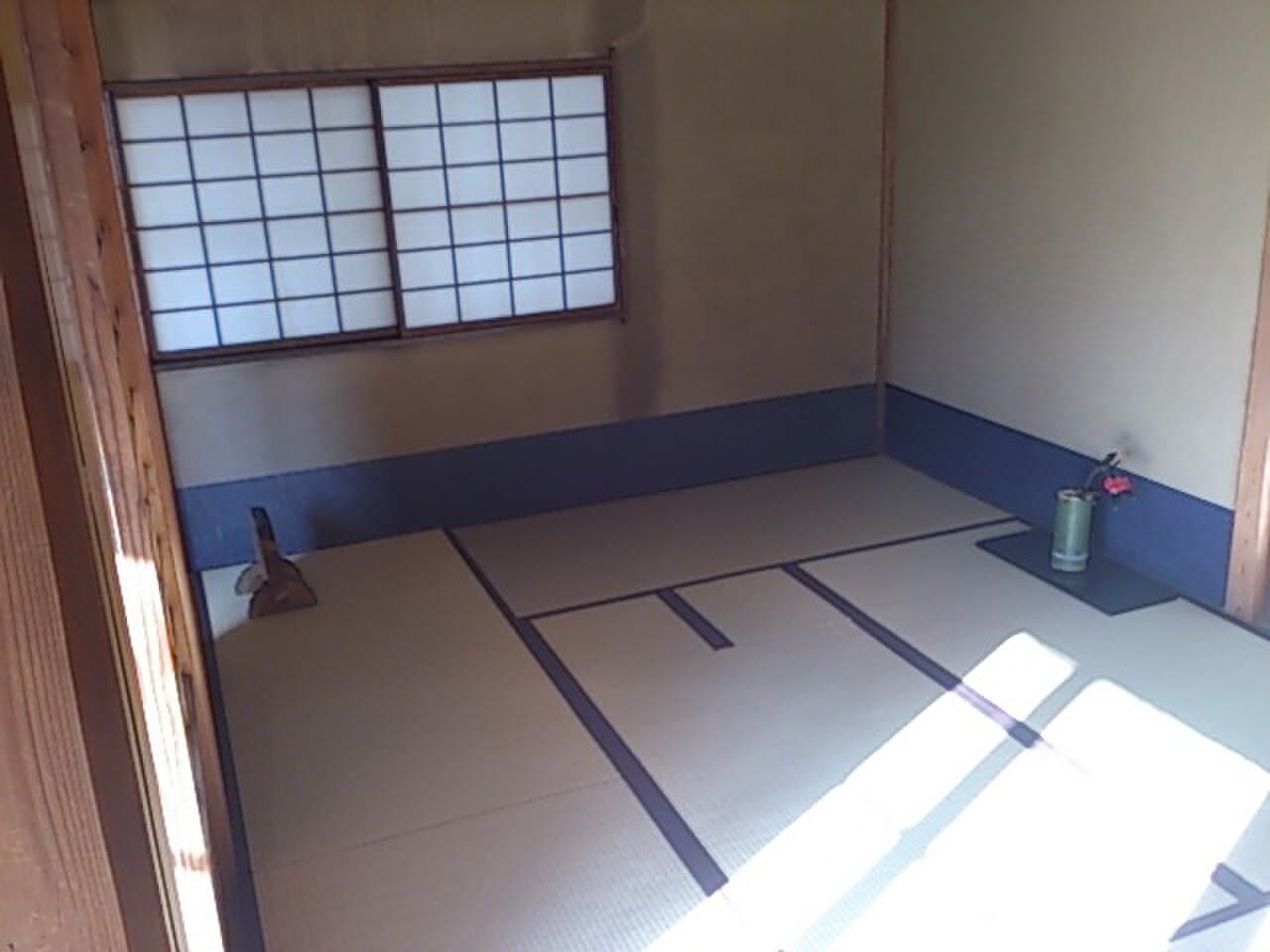
- Tatami rooms generally — including some traditional restaurants, tea ceremony rooms, and ryokan dining areas. If you're heading into a tea ceremony, plan on bare feet or clean socks (tabi), since shoes and even slippers come off before entering the tea room.
- Some historic buildings, castles and cultural properties — check for a shoe-removal area at the entrance.
Modern Western-style hotel rooms and most contemporary apartments generally don't require it, so this is much less of an issue if your whole trip is hotel-based city hopping.
How the slipper system works
Most ryokan, and plenty of traditional restaurants, hand you house slippers at the genkan. Wear those through hallways and public areas — but take them off again at the threshold of any tatami room, where it's socks or bare feet only, never slippers or shoes. Bathrooms usually have their own dedicated toilet slippers just inside the door; the most common visitor slip-up is forgetting to swap back into your regular slippers before walking away.
The etiquette of leaving
When you take your shoes off, try not to step onto the lower genkan floor in just your socks — step directly from the raised floor into your shoes if you can. When you put shoes back on to leave, it's considered a small courtesy to turn them around so the toes face the door, ready to step straight into on your way out; staff at ryokan and traditional restaurants will often do this for you automatically.
FAQ
- Do I need to take my shoes off at every restaurant?
- No — only at restaurants with tatami seating or a genkan-style entrance. Most casual and Western-style restaurants in Japan don't require it.
- Can I just wear socks, or do I need to go barefoot?
- Socks are completely fine and normal for tatami rooms; bare feet are also fine. What's not fine is stepping onto tatami in shoes or slippers.
- What if my socks have a hole in them?
- There's no rule against it, but many visitors bring a spare pair of clean socks for occasions — like a tea ceremony or ryokan stay — where they know their feet will be on display.
- Do I have to take my shoes off at every temple or shrine?
- Not always — it depends on the specific building. Outdoor shrine grounds and courtyards are normally fine in shoes; interior halls at many temples require you to remove them. Look for a shoe rack or shelf, and follow what other visitors are doing.
- Why do Japanese homes have this custom?
- Mainly practicality and cleanliness: traditional homes have tatami floors people sit, kneel and sleep on, so keeping outdoor dirt out matters more than in a shoes-on culture.
Related

Ryokan Etiquette for First-Timers: What to Do From Check-In to Checkout
Ryokan etiquette for first-timers: shoes off at the genkan, wearing the yukata, the onsen bathing order, kaiseki timing, futon, tipping and checkout.

How to Pray at a Japanese Shrine: Etiquette, Step by Step
How to pray at a Japanese shrine, step by step: bow at the torii, purify at the temizuya, then two bows, two claps, one bow — plus coins, omamori and omikuji.
Tea ceremony etiquette: what to do (and not do) your first time
A clear, first-timer's walkthrough of Japanese tea ceremony etiquette: how to enter, receive the bowl, drink, and handle the sweet — no Japanese required.