
How to Pray at a Japanese Shrine: Etiquette, Step by Step

How to pray at a Japanese shrine (quick answer)
- Bow once at the torii gate before you step through — and walk slightly to the left or right, since the center of the path is traditionally reserved for the kami (the shrine's spirit).
- Purify your hands and mouth at the temizuya, the water pavilion near the entrance, using the ladle provided.
- Approach the main hall and make an offering — drop a coin gently into the box, and ring the bell if there is one.
- Bow twice, clap twice, pray silently, then bow once — this is nirei-nihakushu-ichirei (二礼二拍手一礼), the standard way to pray at a Shinto shrine.
- Draw an omikuji or pick up an omamori afterwards, if you'd like a fortune or a keepsake.
- At a Buddhist temple, skip the claps — the ritual there is different, and mixing the two up is the single most common mistake visitors make.
Here's each step in more detail, plus the questions first-timers ask most.
1. Bow at the torii gate
Stop just before the torii — the vermilion (or occasionally stone or wood) gate marking the shrine's boundary — and give a small, unhurried bow. It's a gesture of respect on entering sacred ground, not a formal ceremony, so there's no need to overthink it. Then walk through slightly off-center: the middle of the sandō (approach path) is traditionally left clear for the kami to pass. If the approach has more than one torii, a light bow at each is polite but not obligatory — locals don't fuss over it, and neither should you.
2. The temizuya: purifying your hands and mouth
Most shrines have a temizuya (also called chōzuya) — a stone water basin with a row of ladles — just past the gate. The full sequence uses a single ladle of water, so don't scoop again halfway through:
- Take the ladle (hishaku) in your right hand, scoop a full ladle of water, and pour a little over your left hand to rinse it.
- Switch the ladle to your left hand, and rinse your right hand the same way.
- Switch it back to your right hand, pour a small amount of water into your cupped left palm, and use that to quietly rinse your mouth. Never touch the ladle itself to your lips, and spit the water discreetly to the side of the basin, not back into it.
- Rinse your left hand once more, since it touched your mouth.
- Finally, tip the ladle upright so the remaining water runs down and rinses the handle for the next person, then set it back on the rack, face-down.
Written out it looks like a lot, but in practice it's four or five unhurried seconds. If you're unsure, watch the person ahead of you — everyone does the same sequence.
3. Approach the hall and make your offering
Walk up to the main hall (haiden) calmly; there's rarely a strict queue, but wait for space to open in front of the offering box (saisen-bako). Toss your coin in gently rather than throwing it hard — a loud clatter isn't required or polite. If the shrine has a thick rope hanging above the box with bells attached (suzu), give it a shake too. Guides differ on whether you ring the bell just before or just after the coin goes in; both orders are common and both are fine — the bell's purpose is simply to let the kami know a visitor has arrived.
Does the coin have to be ¥5?
You'll often hear that a 5-yen coin is the "correct" offering, because go-en (五円, five yen) is a homophone of goen (ご縁), meaning a fated or fortunate connection — handy for prayers about relationships, work or opportunity. It's a genuinely popular, low-stakes tradition, and dropping in a 5-yen coin (look for the hole in the middle) is a nice touch if you happen to have one. But shrine priests, including those at Izumo Taisha, are consistent on one point: there's no required amount. The size of the offering doesn't change how a prayer is received — sincerity does. Any coin is appropriate.
4. The prayer: two bows, two claps, one bow
Once your coin is in, step back half a pace and begin nirei-nihakushu-ichirei:
- Bow deeply, twice — from the waist, unhurried, roughly a right angle each time.
- Clap twice — raise your hands to chest height, offset your right hand slightly below your left, and clap firmly. The sound is traditionally believed to call the kami's attention and express your presence and gratitude.
- Pray silently — keep your palms together. Many Japanese visitors mentally state their name and address first (so the kami knows who's asking), give thanks, and then make one specific wish rather than a long list.
- Bow once more, deeply, to close.
A handful of shrines vary this pattern: Izumo Taisha and Usa Jingū use four claps instead of two, tied to their own traditions, and Ise Jingū's priests use eight in formal ritual. You'll never be faulted for using the standard two-two-one; most locals do exactly that everywhere except Izumo Taisha, where signage usually reminds visitors of the difference.
5. Omamori and omikuji: charms and fortunes
Once you've prayed, the shrine's office (juyosho or shamusho) is where two of the most popular souvenirs come from:
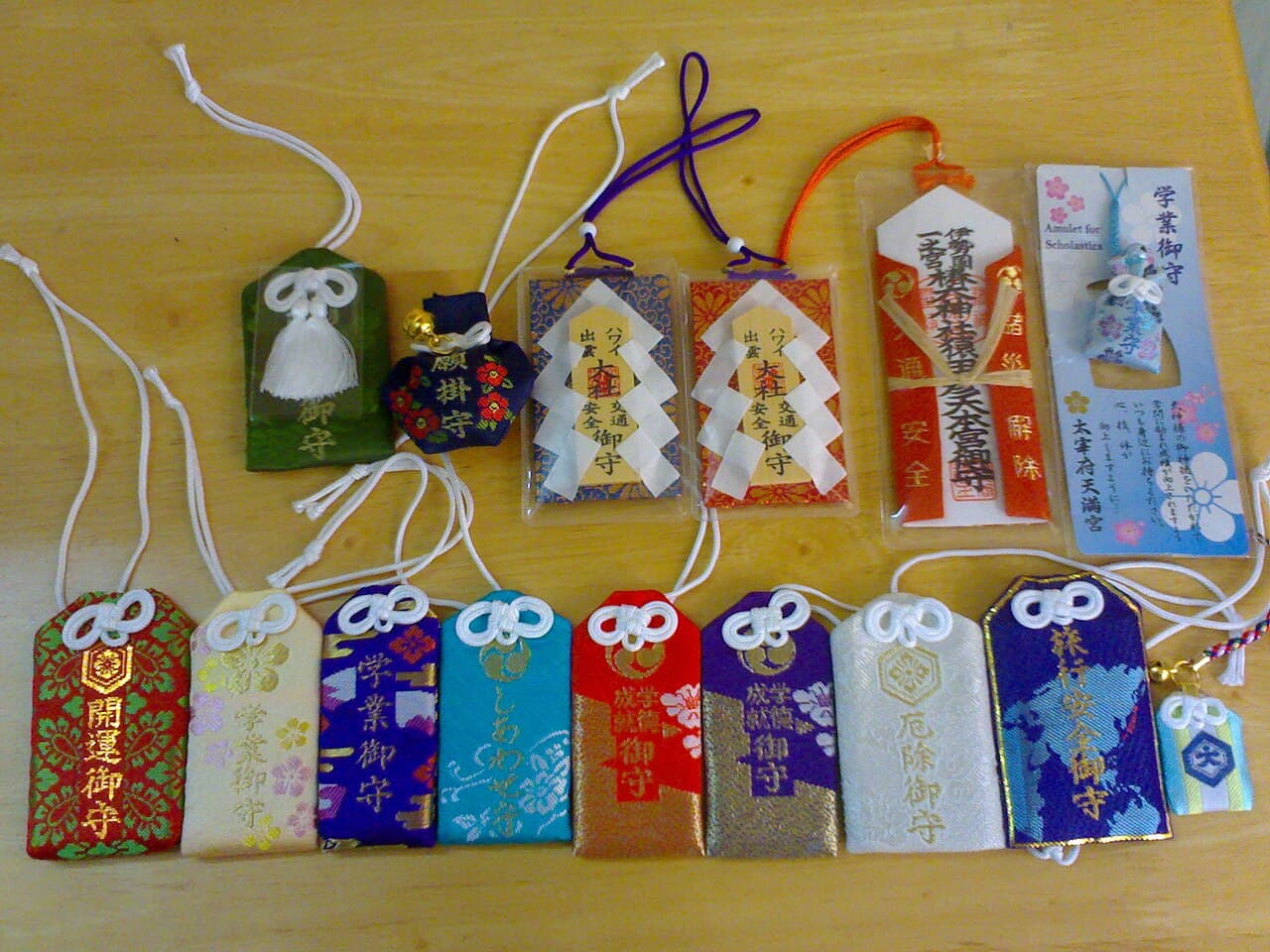
- Omamori (お守り) are small brocade charms, each sealed and dedicated to a specific kind of luck — travel safety, academic success, romance, health. They typically cost a few hundred to around a thousand yen. Carry it with you (a bag or phone strap is common); the charm is meant to be replaced, so many people return an old one to a shrine — ideally, but not necessarily, the one it came from — after about a year, rather than opening it or throwing it away.
- Omikuji (おみくじ) are random paper fortunes, usually drawn from a box of numbered sticks for around ¥100–200. They range from daikichi (great blessing) down to daikyō (great misfortune). A good result is kept in a wallet or at home; an unlucky one is traditionally folded and tied to the rack or strings set up near the drawing box — not to a tree branch, which damages the bark — so the bad luck "waits" there instead of following you home.
6. Shrine vs. temple: the difference that matters most
Shrines (jinja, marked by a torii gate) are Shinto, home to kami. Temples (tera or -ji, marked by a sanmon gate and often guarded by fierce niō statues rather than the lion-dog komainu of shrines) are Buddhist. The prayer is different too: at a temple, you don't clap. Instead, stand before the main hall, press your palms together silently in gasshō, bow your head, and pray without sound — Buddhist worship favours quiet stillness over the clap's summons. If you only remember one rule crossing between the two, make it this one; clapping at a temple is the etiquette slip visitors make most often, and it's easy to avoid once you know it.
Plan the rest of your visit
Shrines and temples sit at the center of a lot of Japan's cultural experiences, not just as sightseeing stops. In Kyoto, Zen meditation at a working temple puts the shrine-vs-temple distinction into practice, and a morning with a geisha or maiko experience in Gion often passes right by Yasaka Shrine. In Asakusa, most visitors pair kimono rental with a walk to Sensō-ji Temple and the neighbouring Asakusa Shrine, so it's worth knowing which one calls for a bow-and-clap. For more of Japan's quieter rituals, see our guides to tea ceremony etiquette, onsen etiquette (and tattoos) and how to wear a yukata — and if you're building a full itinerary, the best cultural experiences in Kyoto is a good place to start.
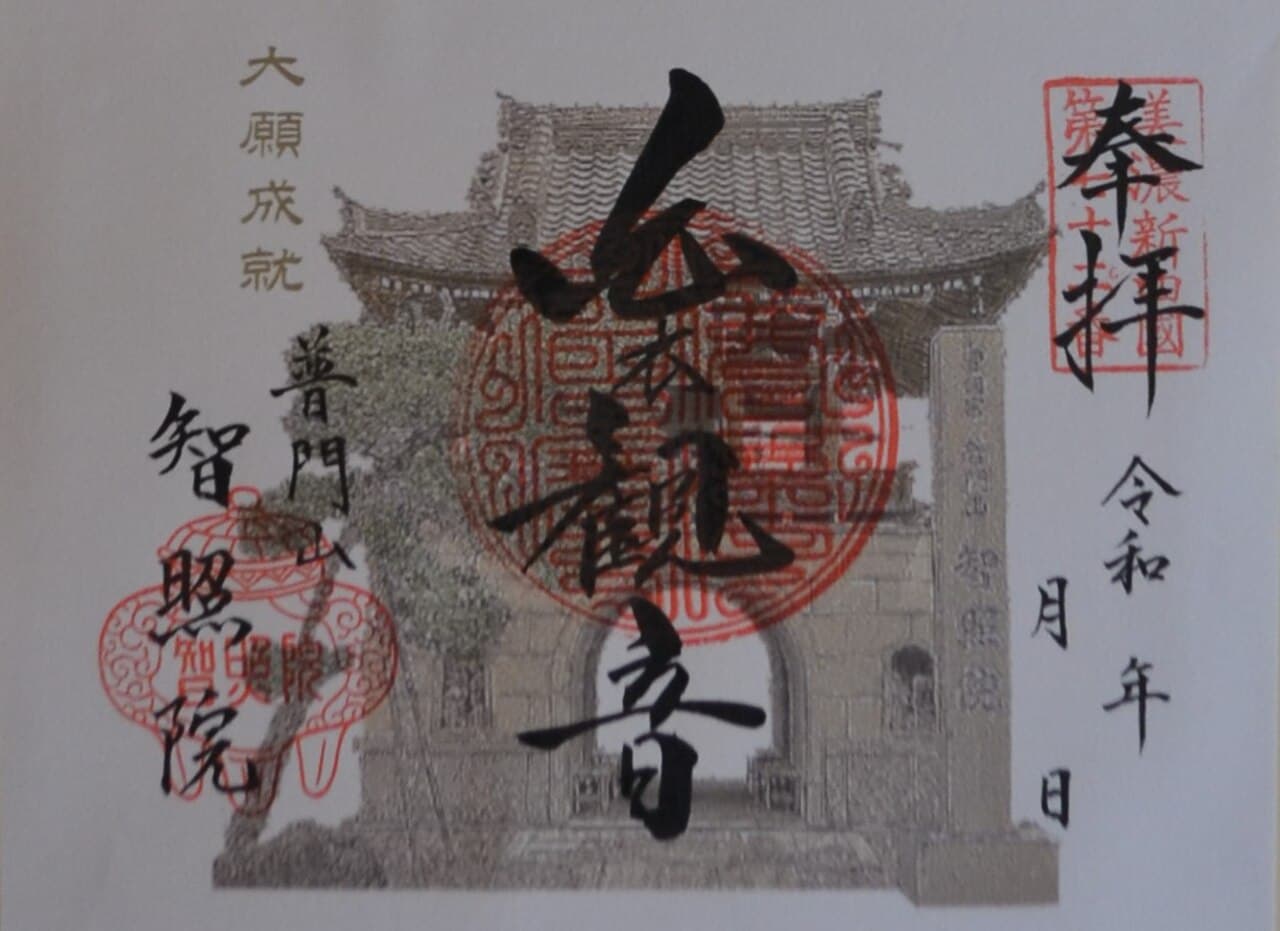
Two things people do after worshipping, both with etiquette of their own: receiving a goshuin — the hand-brushed seal that is proof you worshipped, which is why you never send someone else with your book — and choosing an omamori, which you never open and are meant to bring back after about a year.
FAQ
- How many times do you bow and clap at a shrine?
- The standard is two bows, two claps, one bow (nirei-nihakushu-ichirei): bow deeply twice, clap twice at chest height, pray silently, then bow once more. A few shrines differ — Izumo Taisha and Usa Jingu use four claps, and Ise Jingu's priests use eight in formal ritual.
- Which hand do I rinse first at the temizuya?
- Scoop water with your right hand and pour it over your left hand first, then switch the ladle to your left hand and rinse your right. Finally pour a little water into your cupped left hand to rinse your mouth — never touch the ladle to your lips.
- Does the coin have to be a 5-yen piece?
- No. A 5-yen coin is popular because 'go-en' sounds like goen, meaning 'good connection', but shrine priests are clear that any amount is fine — sincerity matters more than the coin. Toss it in gently rather than aiming for a loud clang.
- What's the difference between praying at a shrine and a temple?
- At a Shinto shrine you bow, clap, and bow again. At a Buddhist temple you never clap — press your palms together silently (gassho), bow your head, and pray without sound. Mixing the two up is the most common mistake visitors make.
- Can I take photos while I pray?
- Photos of the grounds are usually fine, but put the camera away as you approach the offering hall itself, and never photograph other worshippers mid-prayer or restricted inner buildings — look for posted signs. If you're ever unsure, it's always fine to simply ask a shrine staff member.
- What do I do with an omamori or a bad omikuji?
- An omamori (protective charm) is carried with you and typically returned to a shrine, ideally the one it came from, after about a year. If your omikuji fortune slip is unlucky, fold it and tie it to the rack or string near the drawing box, not a tree branch, and simply draw again another time.
- Do I have to be Shinto or religious to pray at a shrine?
- No. Shrines welcome visitors of any faith, or none at all, and following the etiquette respectfully is considered polite participation rather than a religious commitment. Many Japanese people who wouldn't call themselves devout still visit shrines every New Year or before big exams for good luck.
Related
Across Japan
Goshuin: how to collect Japan's temple and shrine seals (etiquette, cost, and the mistake to avoid)
A goshuin is not a stamp-rally souvenir: it is calligraphy brushed by hand as proof that you personally worshipped, and the etiquette follows from that one fact. Buy the book (¥1,000–¥2,000), pray first, then ask. Here is the full sequence, what it costs, why some temples will refuse a book that has shrine seals in it, and the phrase to say at the counter.
Across Japan
Omamori: what Japanese amulets mean, which to choose, and how to return them
An omamori is a prayer someone made on your behalf, sealed into a cloth pouch — which is why you never open it, why it lasts about a year, and why the correct ending is to bring it back rather than to keep it forever. Typically ¥500–¥2,000. Here is how to pick the right one, how to carry it, and what to do with it afterwards.