
Ryokan Etiquette for First-Timers: What to Do From Check-In to Checkout

The short answer
At a ryokan, the etiquette that matters is: take your shoes off at the genkan and never step onto tatami in slippers or shoes; wrap your yukata left side over right; wash thoroughly before you get into the onsen tub, never in it; show up for kaiseki dinner on time (usually served 6–8pm); let the room attendant lay out your futon rather than doing it yourself; and don't tip — attentive service is already included in the price. Checkout is typically 10am or 11am. None of this needs to be perfect — a little awareness goes a long way, and staff are used to guiding first-timers. If you're still deciding whether a ryokan stay is right for your trip, start with what a ryokan actually is.
Arrival: the genkan and your shoes
Every stay starts at the genkan, the sunken entry area that marks the boundary between "outside" and "inside." Take your shoes off here, on the lower level, and leave them facing the door for an easy exit later — staff will often turn them for you.
- You'll be given slippers at check-in; wear them through the corridors and public areas.
- At your room's threshold, step out of the slippers before you step onto the tatami — walk on the mats in socks or bare feet only, never in slippers or shoes.
- The washroom usually has its own separate toilet slippers just inside the door. Swap into those, and — this trips up almost every first-time visitor — remember to swap back into your regular slippers before you walk away.
Life on tatami: a few unwritten rules
- Nothing with a sole touches tatami. That includes slippers, shoes, and ideally suitcase wheels — lift bags onto the mat rather than rolling them across it.
- Traditionally, guests avoid standing or sitting directly on the woven border of a tatami mat, a small courtesy rooted in old etiquette about thresholds.
- The floor cushions (zabuton) and low table are there to sit at; kneeling or sitting cross-legged are both fine — there's no requirement to hold formal seiza for a whole meal.
- Rules vary slightly between ryokan, so don't stress about getting every detail right. If you're ever unsure, ask the front desk or your nakai — they're used to guiding first-time foreign guests and are happy to help.
Wearing the yukata correctly
Your ryokan will supply a cotton yukata robe to wear around the building, to dinner, and even into town in summer. The one rule that actually matters: wrap it left side over right — bring the right panel against your body first, then fold the left panel over the top. Right-over-left is used only when dressing the deceased, so it's worth double-checking in a mirror. For the full step-by-step, including the obi tie and fixing a gaping collar, see how to wear a yukata.
Bathing: the onsen order, step by step
If your ryokan has hot-spring baths, the sequence is fixed and the same for every guest:
- Undress completely in the changing room — bathing is naked, no swimwear.
- Wash and rinse first, at the seated shower stations, before you go near the tub. The bath itself is for soaking, not scrubbing.
- Bring only your small towel into the bathing area, and keep it (and your hair) out of the water — rest it on your head or the tub's edge.
- Soak quietly. No swimming, splashing, or photos.
- Leave your phone in the changing-room locker — phones and cameras aren't used in the changing area or bathing room, out of respect for other guests' privacy.
- Rinse and towel off before you re-enter the dry changing room.
If you have visible tattoos, ryokan policies vary — some restrict them, others don't, and private baths sidestep the question entirely. Check our honest guide to onsen and tattoos before you book.
Kaiseki dinner: timing matters
Most ryokan dinners run somewhere between 6pm and 8pm, and you'll usually confirm the exact time at check-in. Kaiseki is a fixed, multi-course meal — often 8 to 12 small seasonal dishes — timed to arrive at specific moments, so:
- Be on time. Courses are prepared to be served hot or cold at a precise point; lateness throws off the kitchen for every course after.
- Wearing your yukata to dinner is completely normal — most guests do.
- Eat at an unhurried pace; there's no need to rush between courses.
- Flag allergies or dietary restrictions when you book, not on arrival — the kaiseki menu is planned days in advance around seasonal ingredients.
Futon: you don't make your own bed
Traditional ryokan rooms don't have a bed set up when you check in. While you're at dinner, a nakai (room attendant) will quietly enter, move the low table aside, and lay your futon bedding out for the night. In the morning, staff often put it away while you're at breakfast; if they haven't by the time you leave, it's fine to simply leave it as is — you're not expected to fold or store it yourself.
Tipping: not customary
Don't tip. Tipping isn't part of Japanese hospitality, and money handed over directly is often politely declined — the attentive, personal service from your nakai is already built into what you paid for the room. The one narrow exception: at some higher-end ryokan, guests occasionally leave a small cash gift called kokorozuke (roughly ¥1,000–¥3,000) in an envelope as thanks for exceptional service — but it's optional, uncommon, and never expected of a first-time guest.
Checkout: earlier than a hotel
Ryokan checkout is typically 10am or 11am, noticeably earlier than most hotels, since staff need time to reset the tatami rooms, put away bedding, and prepare for same-day arrivals. Confirm the exact time at check-in, and ask about luggage storage if you'd like to explore before catching your train.
Go deeper
If you're still weighing whether to book a night at all, start with what a ryokan is — what's included, and how it compares to a hotel. Pair your stay with a day of Kyoto's best cultural experiences, and if the kaiseki dinner sparks a deeper interest in Japanese food culture, umami-hunt.info covers it in more depth.
The bath is the part most first-time guests worry about, and it has its own full sequence — see onsen etiquette for first-timers, including the one rule about the small towel that everyone gets wrong once.
FAQ
- Do I take my shoes off at a ryokan?
- Yes — remove them at the genkan entrance and switch into the slippers provided. Wear those in the corridors, but take them off again before stepping onto tatami (socks or bare feet only), and swap into the separate toilet slippers when you use the washroom.
- What time is dinner served at a ryokan?
- Usually between 6pm and 8pm, confirmed with you at check-in. Kaiseki is a multi-course meal timed and plated in sequence, so arrive promptly — courses are prepared to be served hot or cold at a specific moment, and lateness disrupts the timing of everything that follows.
- Can I wear the yukata to dinner?
- Yes, it's completely normal — most guests wear their yukata around the inn and to the dining room. Just wrap it correctly, left side over right, and tie the obi snugly; right-over-left is used only for dressing the deceased, so it's worth double-checking.
- Do I need to make my own futon?
- No. A room attendant (nakai) lays out your futon while you're at dinner, and either puts it away the next morning while you're at breakfast or leaves it for staff to handle later. You're not expected to fold or store it yourself.
- Should I tip the ryokan staff?
- No — tipping isn't customary in Japan, and attendants will often politely decline cash handed to them directly. The attentive personal service is already built into your room rate; at some high-end ryokan, guests occasionally leave a small envelope called kokorozuke instead, but it's optional.
- What time is checkout at a ryokan?
- Typically 10am or 11am, earlier than most hotels, since staff need time to reset the tatami rooms, put away bedding, and prepare for same-day arrivals. Confirm the exact time at check-in, and ask about luggage storage if you want to explore before your train.
- What's the correct order for bathing in a ryokan onsen?
- Undress fully in the changing room, then wash and rinse thoroughly at the shower stations before getting in — the tub is for soaking, not washing. Keep your small towel out of the water, bathe without swimwear, and stay quiet. If you have tattoos, check the ryokan's policy first.
Related
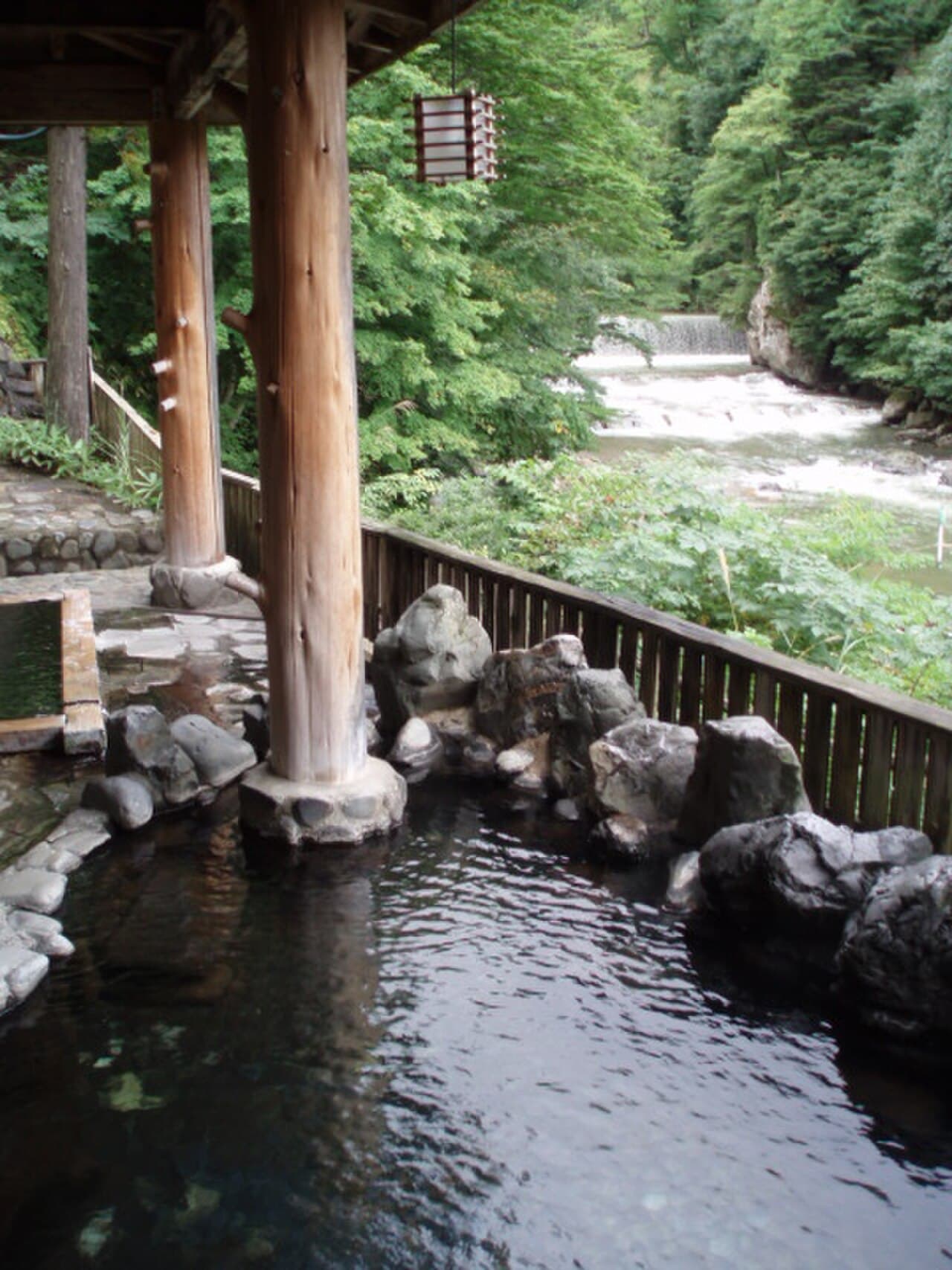
Across Japan
Onsen etiquette for your first time — the full sequence, from the curtain to the changing room
Nearly every rule in a Japanese bath follows from one principle: the bath water is shared and is not for washing in. Wash and rinse completely at the seated shower before you get in, keep the small towel out of the water, and you have already got 90% of it right. Here is the full sequence in order, plus the six mistakes visitors actually make.