
What is a ryokan? Japan's traditional inn, explained
What is a ryokan?
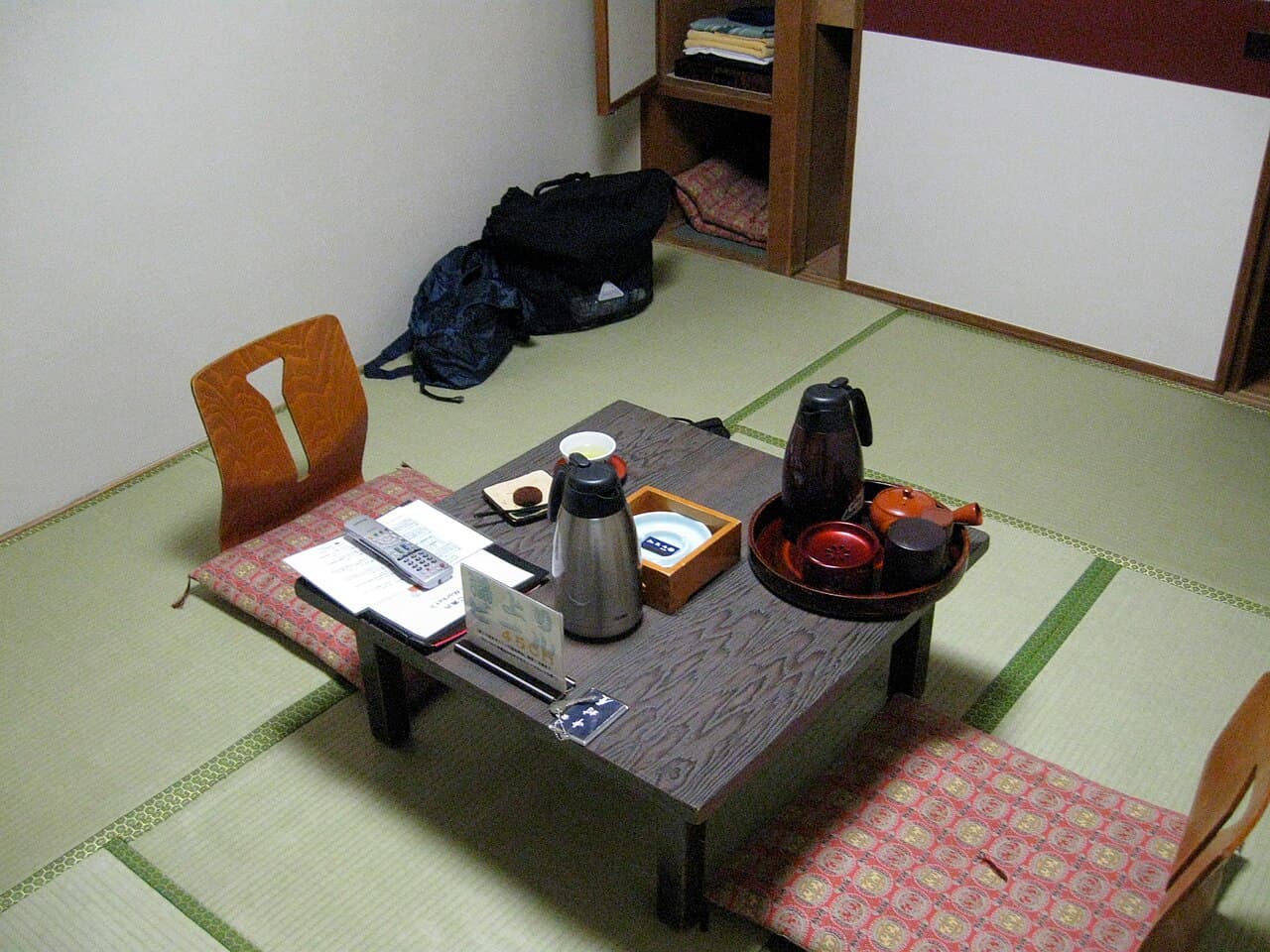
A ryokan (旅館) is a traditional Japanese inn — the country's centuries-old form of hospitality. Instead of a hotel room you get a tatami-matted room, sleep on a futon laid out on the floor, wear a yukata robe, and are usually served an elaborate multi-course kaiseki dinner and breakfast. Many ryokan, especially in hot-spring towns, have their own onsen baths. Staying in one is one of the most memorable things you can do in Japan.
What a ryokan stay includes
- A tatami room with low furniture and sliding paper doors; staff lay out your futon in the evening.
- Meals: typically dinner and breakfast included — kaiseki, a seasonal procession of small, beautiful dishes.
- Yukata & onsen: a cotton robe to wear around the inn, and often hot-spring baths (public, sometimes private).
- Omotenashi: attentive, understated Japanese hospitality, often from a nakai room attendant.
Ryokan etiquette (the essentials)
- Take your shoes off at the entrance (genkan); switch to provided slippers, and no slippers on tatami.
- Wash before the bath: in the onsen you soap and rinse fully before getting in; the bath water is for soaking, not washing.
- Tattoos: some onsen still restrict them — see our onsen tattoo guide.
- Wear the yukata left side over right, and you can wear it to dinner and around the inn.
- Meal times are set: dinner and breakfast are usually served at fixed times — confirm on arrival.
Ryokan vs hotel — which to choose
Choose a ryokan for the experience: tradition, kaiseki, onsen and quiet. Choose a hotel for flexibility, late check-in and lower cost. Many travellers do one or two ryokan nights (often in an onsen town like Hakone, Kinosaki or Kyoto) as a highlight and hotels elsewhere.
Plan it
Ryokan range from simple family inns to luxury. Book popular ones early, especially in autumn-leaf and cherry-blossom seasons, and check whether private-bath rooms or tattoo-friendly onsen are available if you need them. Pair a ryokan night with Kyoto's cultural experiences for a deeply traditional trip.
A ryokan is not the only traditional lodging worth a night: a shukubo temple stay on Koyasan puts you inside a working monastery, with vegetarian shojin ryori and a 6am service, from roughly ¥12,000 including two meals.
Try it yourself
ExperienceOther
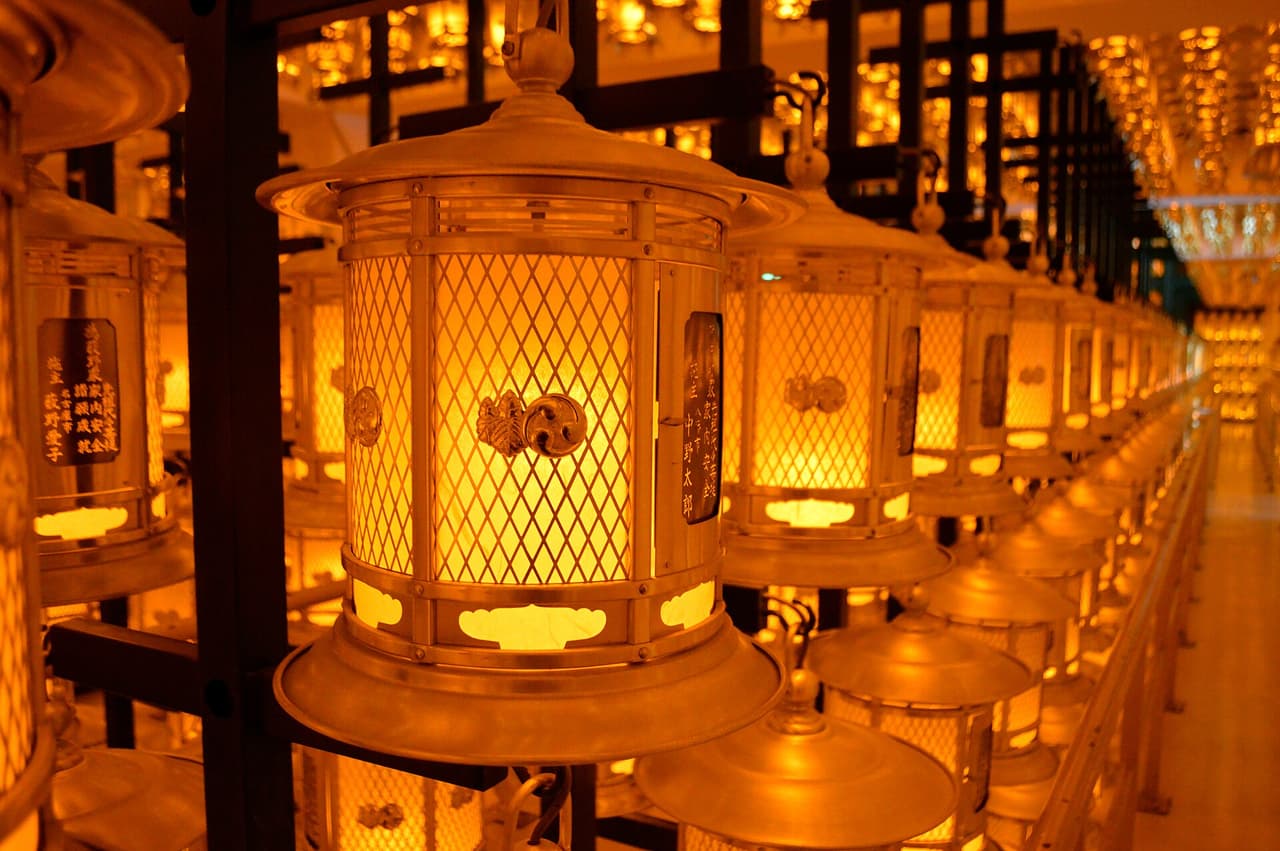
Shukubo temple stay at Koyasan — what a night in a Buddhist monastery costs, includes, and how to book
A shukubo is not a themed hotel — it is lodging inside a working monastery, and the day runs on the monks' clock. Here is the honest version: what a night actually includes, what it costs, which temples you can book instantly in English, and the parts (shared bathrooms, cold corridors, cash-only, 9pm gates) that surprise first-timers.
Related
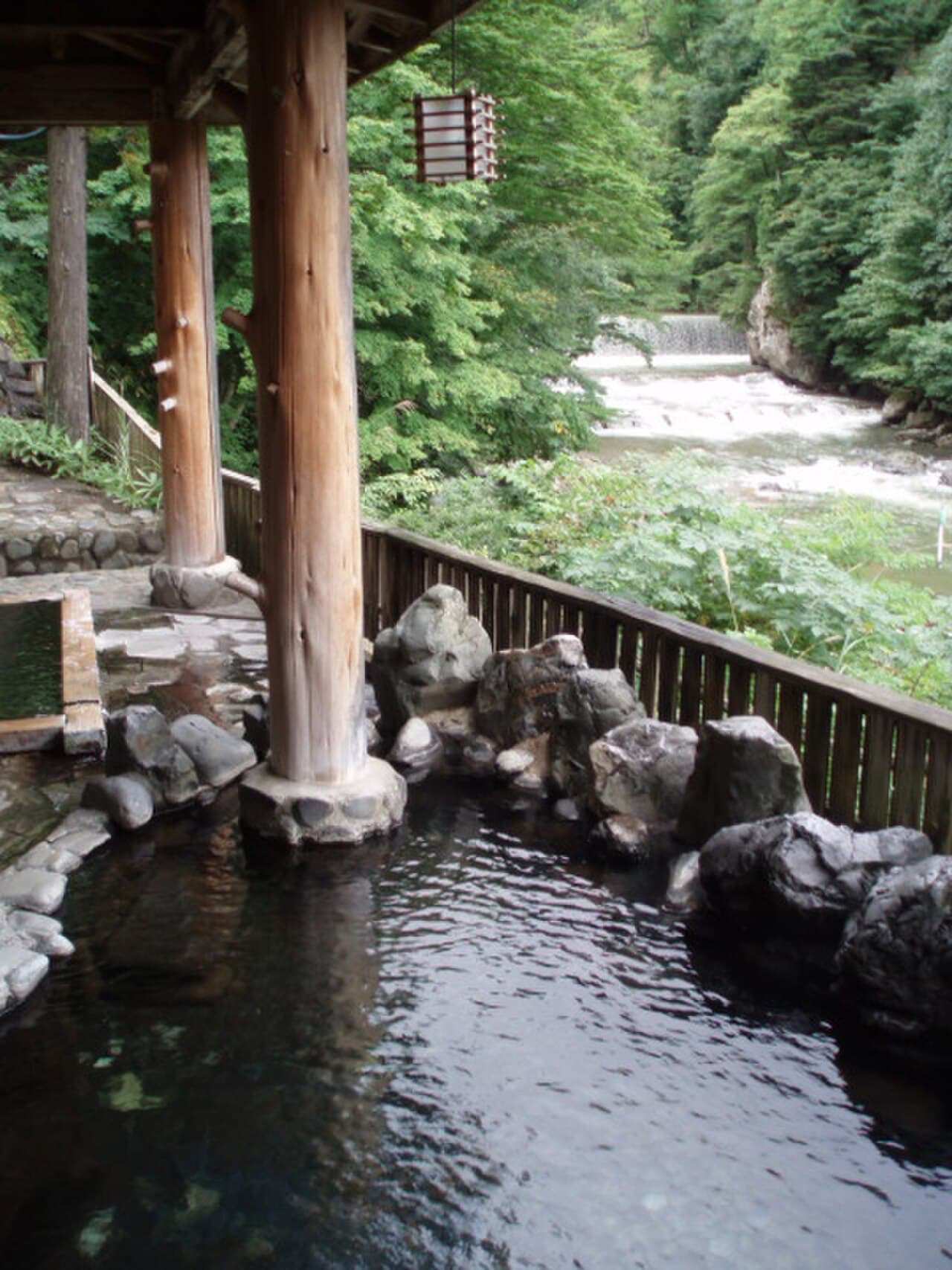
Onsen with tattoos: can you go? The honest 2026 guide
Yes, you can enjoy a Japanese onsen with tattoos — here's how: tattoo-friendly baths, cover-up patches, and private (kashikiri) baths, plus the etiquette that actually matters.
Kyoto
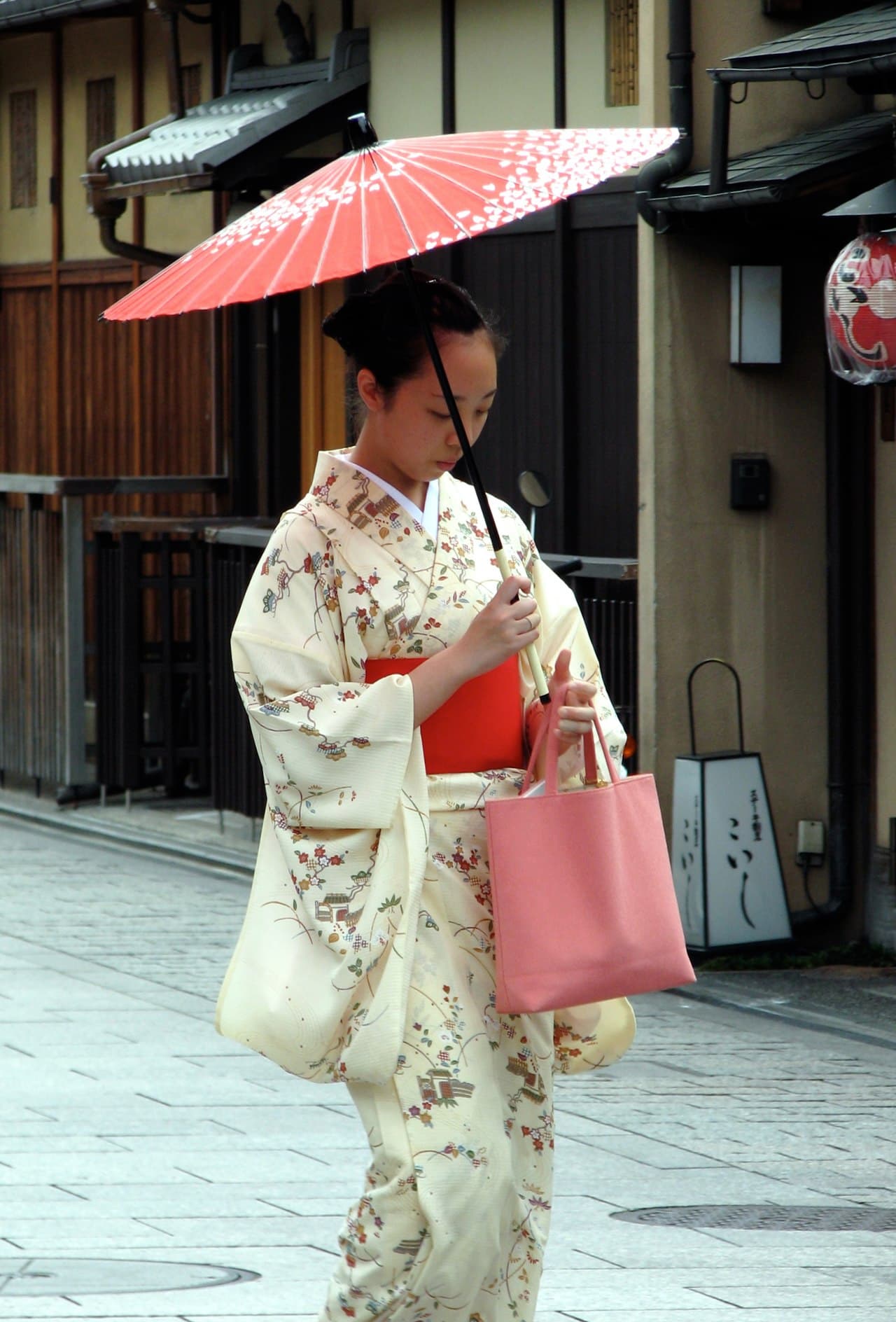
The best cultural experiences in Kyoto for first-timers
An honest, first-timer's shortlist of bookable Kyoto cultural experiences — tea ceremony, kimono, zazen, calligraphy and more — with how to choose and what each is really like.
How to wear a yukata: a step-by-step guide (men & women)
A clear, step-by-step guide to putting on a yukata yourself — the correct left-over-right wrap, tying the obi, fixing a loose collar, and the one mistake to avoid.