
What Is Omotenashi? Japan's Idea of Hospitality, Explained
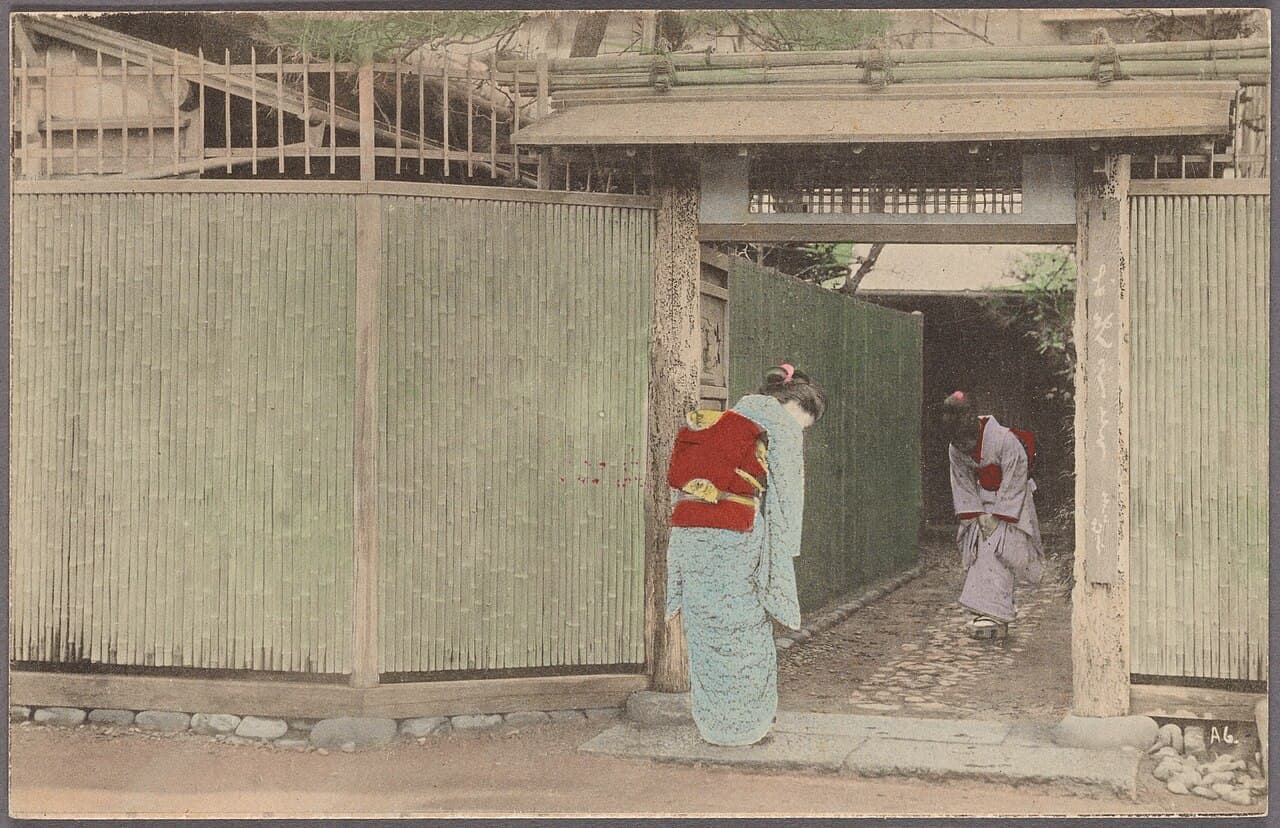
Omotenashi is the Japanese idea of hospitality performed wholeheartedly, with nothing expected in return — not a tip, not even necessarily a thank-you. It describes a host anticipating what a guest needs before being asked, and treating even small, unglamorous tasks as worth doing well simply because a guest's experience depends on them. It shows up in a ryokan attendant's timing, a shop clerk's greeting, and the choreography of a tea ceremony — and it's the concept behind one of the most common questions visitors ask about Japan: why doesn't anyone expect a tip here?
Where the word comes from
You'll often see omotenashi broken down online as omote ("face" or "surface") plus nashi ("without") — hospitality with "nothing hidden," nothing put on for show. It's a popular, memorable reading, but it isn't the word's actual grammatical root: omotenashi is built from the verb motenasu (to entertain, to treat a guest well) with the honorific prefix o- attached. The "nothing hidden" story is worth knowing because it captures the spirit people are pointing at — sincerity, without a performance — even if it's a folk gloss rather than strict etymology.
Its roots in the tea ceremony
Many accounts trace the modern idea of omotenashi back to the tea ceremony tradition, where the host prepares every detail — the room, the utensils, the pace of movement — around a single gathering that will never happen in quite the same way again, a principle known as ichigo ichie ("one time, one meeting"). Whether or not that connection is the literal origin of the word, it's a genuinely useful way to feel omotenashi rather than just read about it: sit through a tea ceremony and you're watching the concept in motion, gesture by gesture.
Where you'll actually notice it
- The irasshaimase greeting called out the moment you step into almost any shop or restaurant, whether or not staff expect you to buy anything.
- A ryokan attendant (nakai) timing your kaiseki dinner course-by-course, laying out your futon while you're at dinner, and generally arranging your stay so you rarely have to ask for anything — see our ryokan etiquette guide for what that actually looks like night to night.
- Small, easy-to-miss gestures, like station staff or cleaning crews bowing to a train as it departs.
Why omotenashi means no tipping
This is the practical payoff for a traveller: because attentive, anticipatory service is treated as the baseline of doing a job well — not an extra you unlock with money — offering a tip doesn't read as generous so much as slightly beside the point. It can even come across as implying the service wasn't already good enough on its own. That's the real answer behind do you tip in Japan? — it isn't stinginess or a missing custom, it's a different idea of what service is for in the first place.
FAQ
- What does omotenashi mean?
- Omotenashi is the Japanese idea of hospitality performed wholeheartedly, with nothing expected in return — a host anticipating a guest's needs before being asked, seen in ryokan service, shop greetings and the tea ceremony.
- Is omotenashi just a fancy word for customer service?
- Not quite. Ordinary customer service is often built around a transaction and a reward (a tip, a good review). Omotenashi is framed as unconditional — care given because it's the right way to treat a guest, not because it earns something back.
- Does "omotenashi" really mean "nothing hidden"?
- That's a popular explanation, but the word's actual root is the verb motenasu (to receive and entertain a guest) plus the honorific o-. The "nothing hidden" reading is a folk etymology — memorable, and true to the spirit of the idea, but not how linguists trace the word.
- Where did the word become internationally known?
- It gained wide recognition abroad through Tokyo's bid for the 2020 Summer Olympics, where it was used to describe the quality of hospitality visitors could expect.
- Is omotenashi only something hotels and restaurants do for tourists?
- No — it's a broader cultural attitude that shows up in everyday interactions between Japanese people too, not a performance reserved for foreign visitors.
- What is an example of omotenashi?
- The irasshaimase greeting called out the moment you step into almost any Japanese shop or restaurant, whether or not you intend to buy anything; a ryokan attendant (nakai) timing your kaiseki dinner course by course and laying out your futon while you're at dinner; and station staff bowing to a train as it departs.
Related
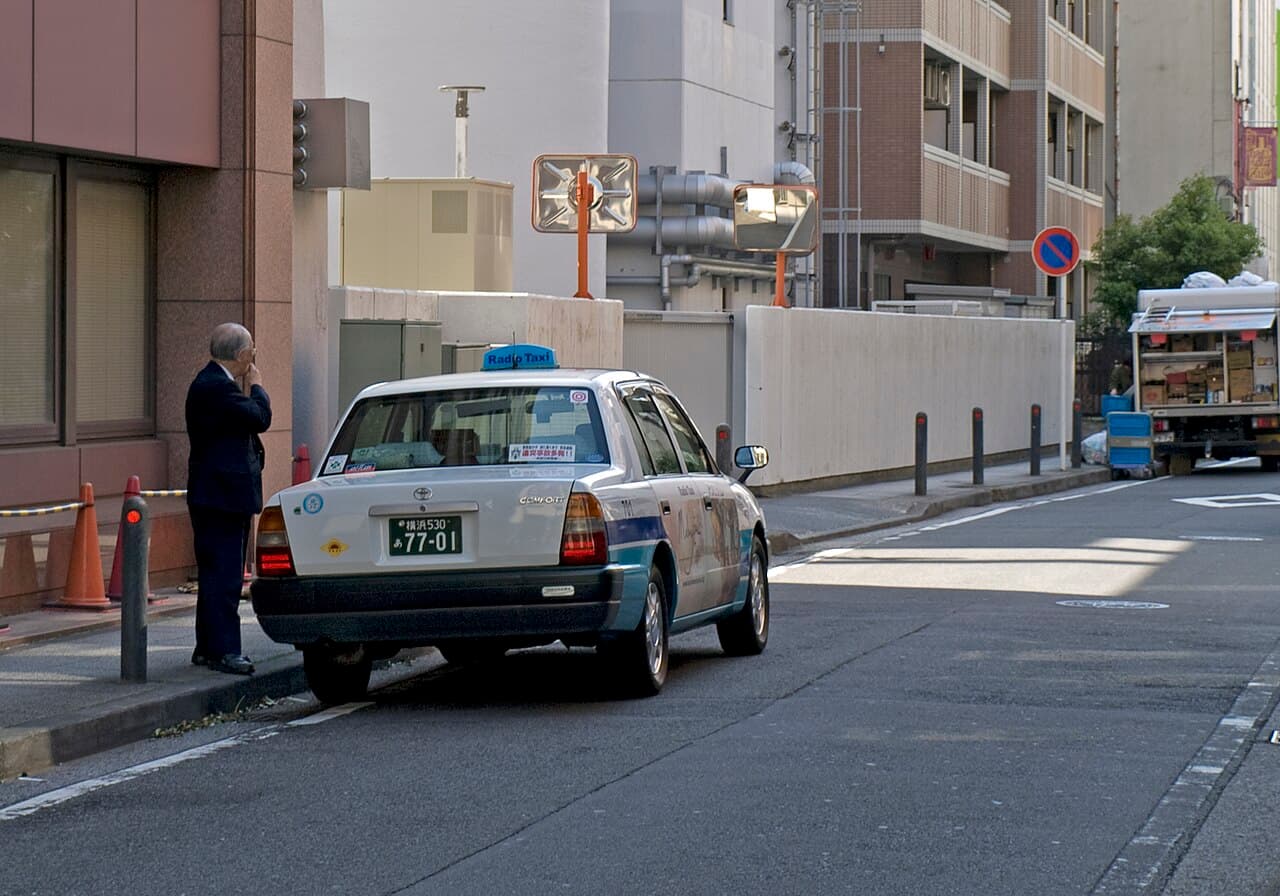
Do You Tip in Japan? The Short Answer for Every Situation
No — tipping isn't customary anywhere in Japan, and pressing cash on someone is more likely to confuse them than please them.

Ryokan Etiquette for First-Timers: What to Do From Check-In to Checkout
Ryokan etiquette for first-timers: shoes off at the genkan, wearing the yukata, the onsen bathing order, kaiseki timing, futon, tipping and checkout.
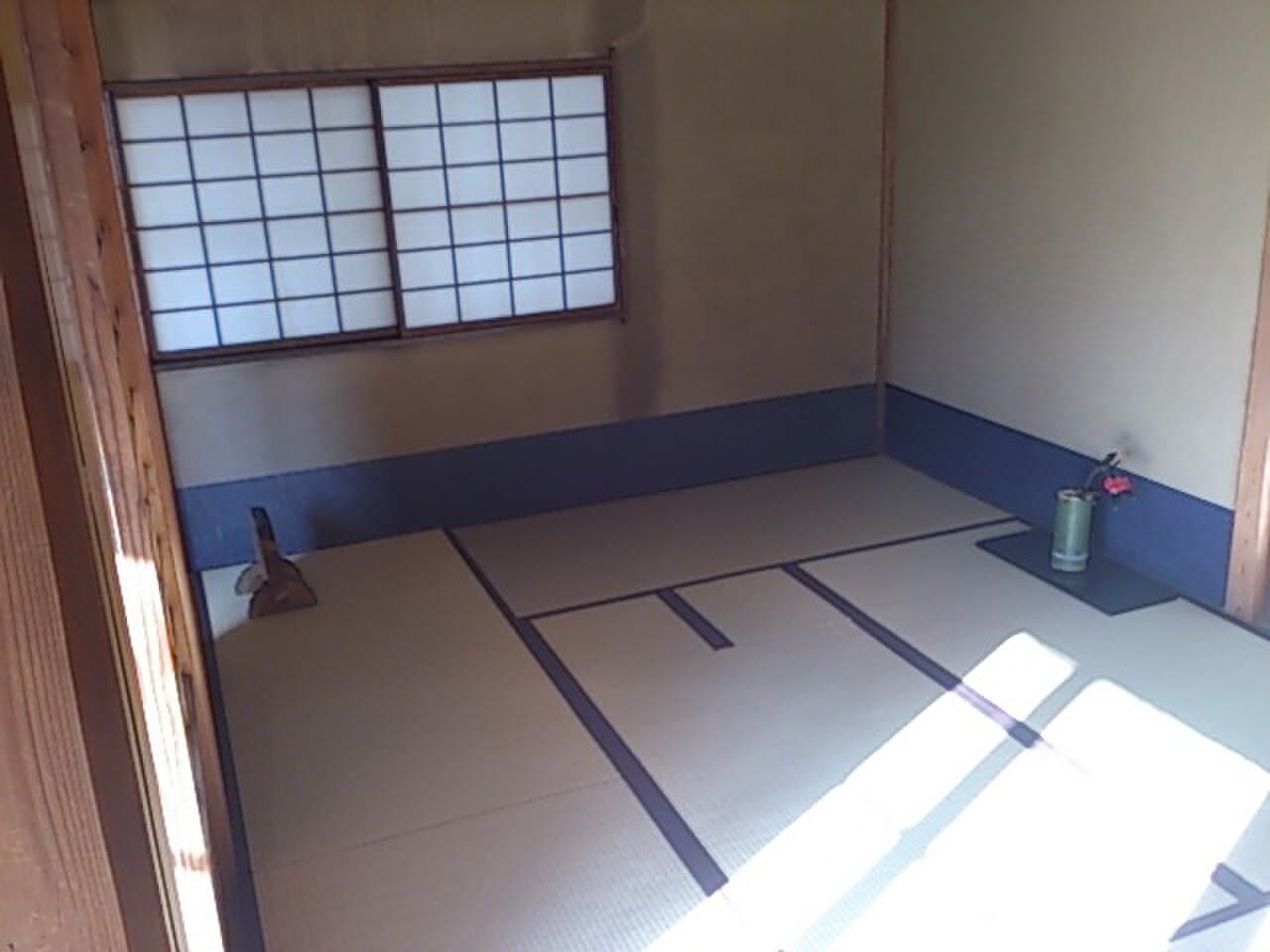
Tea ceremony etiquette: what to do (and not do) your first time
A clear, first-timer's walkthrough of Japanese tea ceremony etiquette: how to enter, receive the bowl, drink, and handle the sweet — no Japanese required.