
Across Japan
Cultural experiences beyond the big cities.
3Experiences & guides¥300+Lowest listed price
Experiences in Across Japan · 体験All cities →
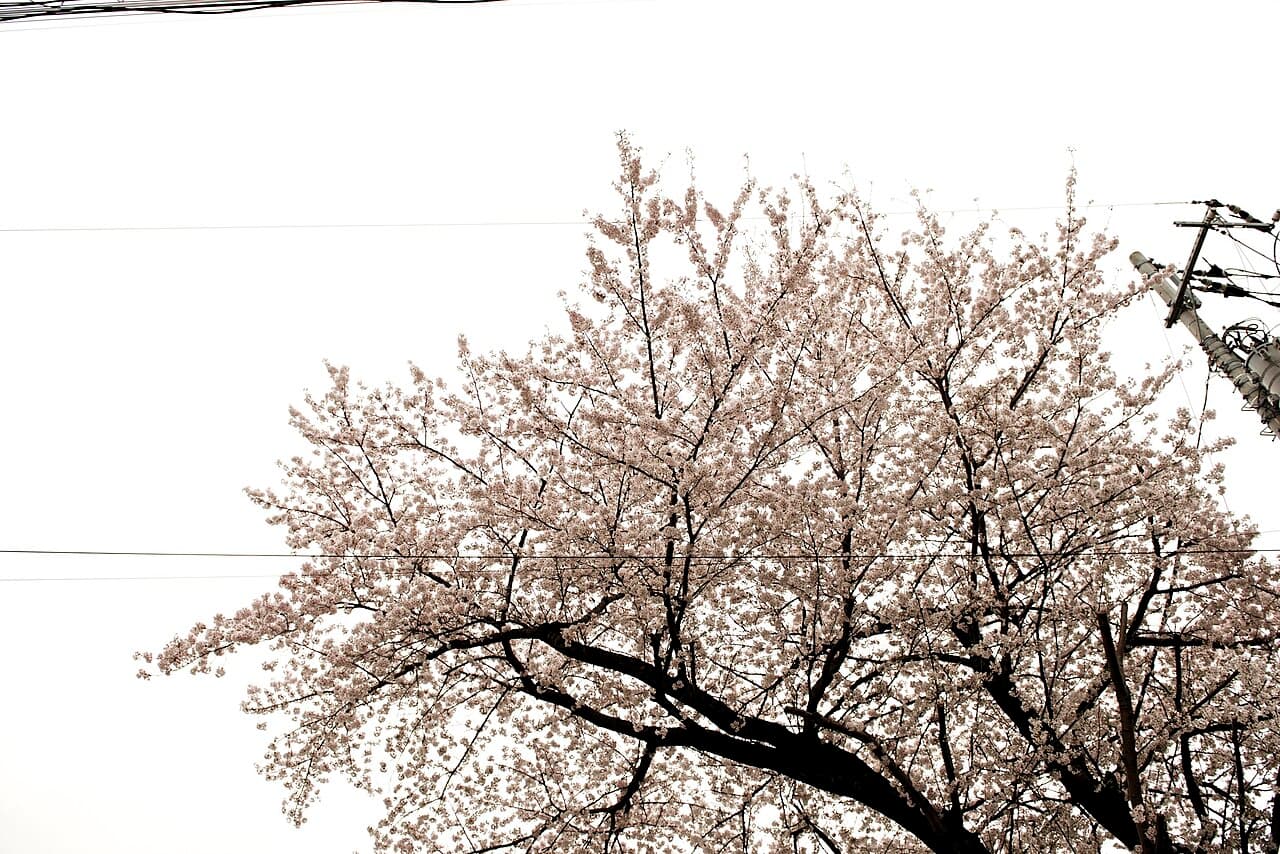
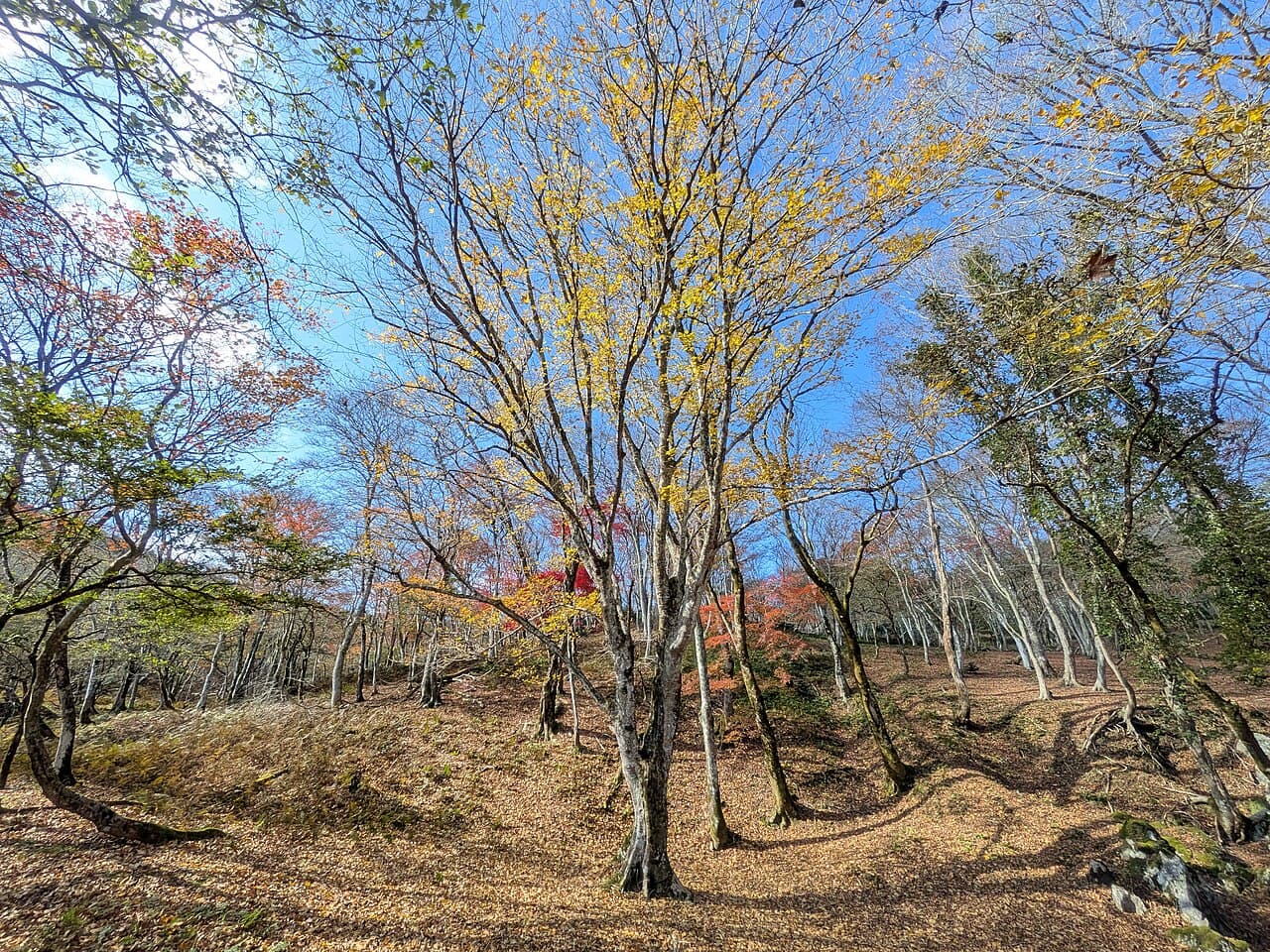
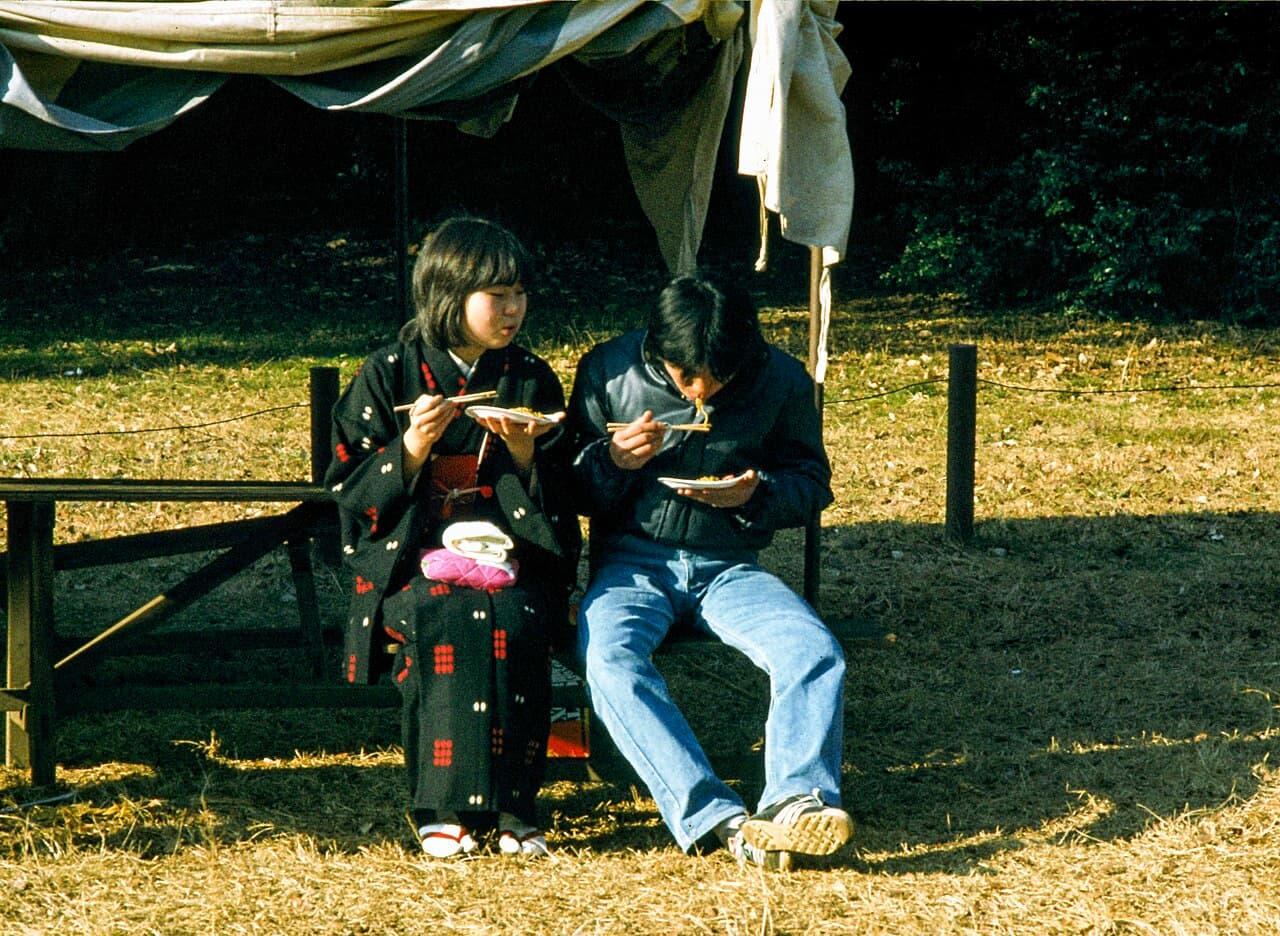
Cherry blossomCherry Blossom Season in Japan 2027 — When & Where to See SakuraJapan's cherry blossoms typically peak late March to early April in Tokyo and Kyoto, with the bloom front moving north from Okinawa (late January) to Hokkaido (early May). The 2027 forecasts are not out yet: in the 2026 season the first ones came between December 18, 2025 and January 29, 2026 — here's how to plan now.Free — most parks, riverbanks and temple grounds cost nothing to enter; some gardens (e.g. Shinjuku Gyoen) and castle keeps charge a small entry fee, and evening illuminations may have separate hours. As of 2026.FoliageAutumn Leaves in Japan 2026: When & Where to See Fall FoliageThe 2026 momiji front sweeps south from Hokkaido in mid-to-late September to Kyushu in early December — here is a region-by-region timing table and Japan's best fall foliage spots.Free at most parks, gardens and mountain roads; some famous gardens, temple grounds and light-up events charge roughly ¥300–¥1,000 (as of 2026).New yearHatsumode 2027 — Your First Shrine Visit of the Japanese New YearHatsumode is Japan's first shrine or temple visit of the New Year, done January 1–3, 2027. Here's what it means, when to go, and exactly how to pray — including the crucial shrine-vs-temple difference.Free to visit and pray. Bring small coins for the offering box (a 5-yen coin is the lucky choice); omikuji fortunes, ema plaques, hamaya arrows and omamori amulets typically cost a few hundred yen each (as of 2026 — confirm at each site).
Read before you go · 心得
Across JapanTattoo-Friendly Onsen in Ito (2026): Official Policies, Stickers & How to AskTattoo-friendly onsen in Ito, per each facility's own site (2026-09-23): K's House allows tattoos, Laforet allows 2 cover stickers, 5 decline. Phrase card.Across JapanKomuroyama Ridge Walk MISORA, Ito: Lift Price, Hours, Access (2026) and Mt. Omuro ComparedKomuroyama Ridge Walk MISORA, Ito: lift 1,000 yen round trip (children 100 yen), 9:30–16:00, free parking, dogs in carriers. Plus a Mt. Omuro comparison.Across JapanTokaikan, Ito: Admission, Hours, Onsen Bath Days (2026) and the Spirited Away QuestionTokaikan, Ito: 300 yen, 9:00–21:00, closed 3rd Tuesday. Hot-spring bath on weekends and holidays (500 yen). 7 min from Ito Station. Spirited Away myth checked.Across JapanLake Ippeki (Ippekiko) Guide 2026: Bus from Ito, Path Closure, Boats & ParkingLake Ippeki, Ito: a crater lake 36 min by bus from Ito Station. Part of the lakeside path is closed since Oct 2025, so no full loop. Boats, parking, seasons.