
Hatsumode 2027 — Your First Shrine Visit of the Japanese New Year
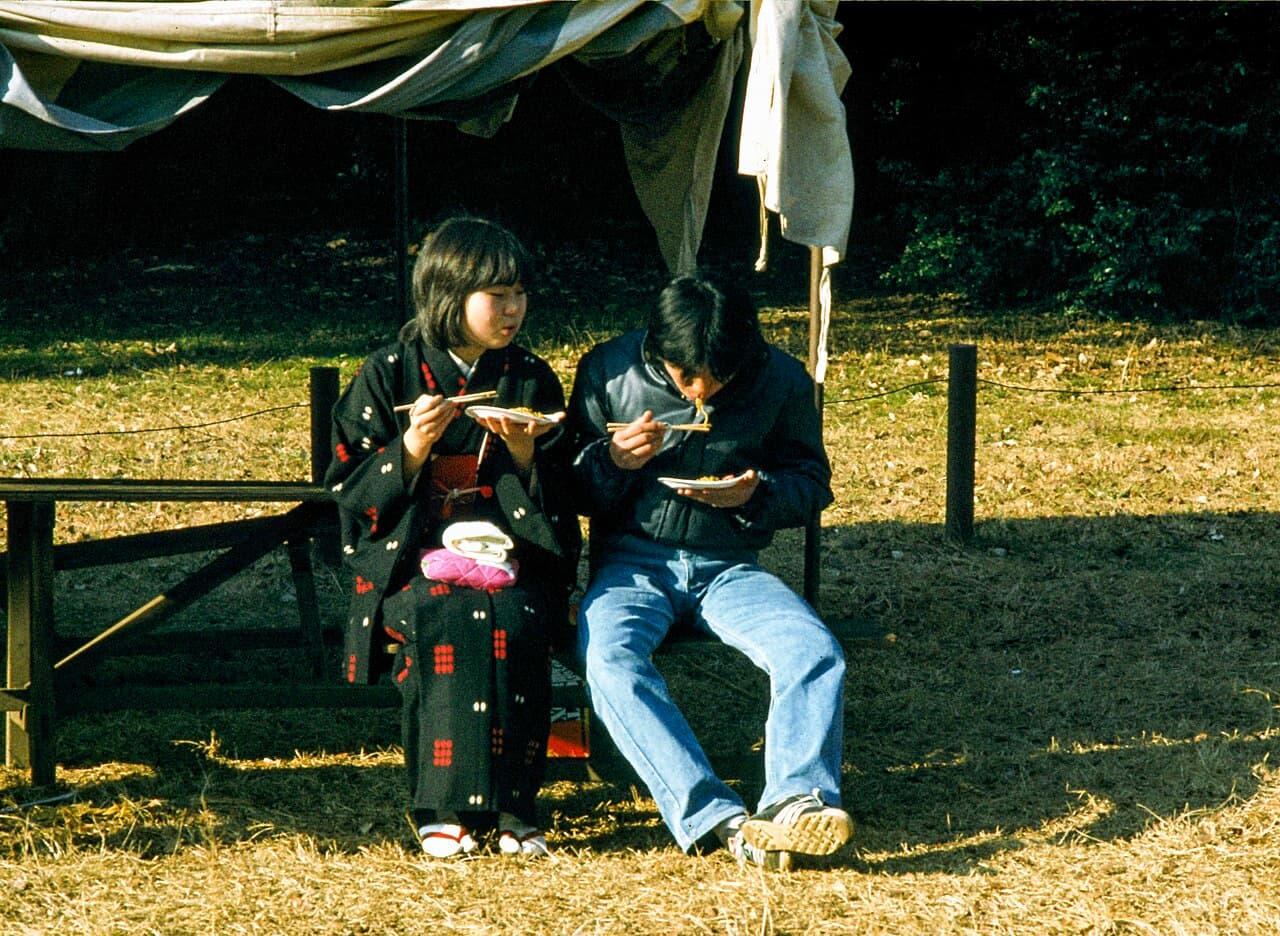
Hatsumode (初詣) is the first shrine or temple visit of the Japanese New Year — your chance to give thanks for the year just passed and pray for health and luck in the one ahead. Most people go on January 1–3, 2027 (Friday–Sunday), with January 1 the single busiest day. Visiting is free; just bring a few coins for the offering box. Here is exactly how to do it — including the one rule most guides get wrong.
What hatsumode actually is
The word means "first (hatsu) visit/worship (mode)." Its purpose is simple and warm: thank the deities for the past year and ask for good fortune, health and safe passage into the new one. Though it feels ancient, the modern mass form is relatively recent — it was popularised in the Meiji era, partly by railway companies encouraging New Year day-trips. Some visitors go at midnight, crossing from New Year's Eve into New Year's Day in a variation called ninenmairi ("two-year visit").
When to go — and beating the crowds
The first three days of January (sanganichi) draw the biggest crowds by far, and January 1, 2027 falls on a Friday — meaning all three peak days form a full weekend and will likely be busier than usual. You don't have to squeeze into the crush: going any time in the first week of January (the matsunouchi period) still counts as hatsumode. For calmer moments, arrive early morning, or visit a mid-sized local shrine instead of a headline destination. If you're building a wider New Year itinerary, japan-event.info tracks countdown events, first-sale (hatsuuri) sales and New Year happenings across the country.
How to pray — step by step
First, purify at the temizu / chōzuya water pavilion: take the ladle in your right hand, rinse your left hand, then your right hand, pour water into a cupped hand to rinse your mouth (never drink from the ladle), then tip it up to let water run down the handle. Bow at the torii gate and walk to the side of the path, not down the centre.
Then, the crucial difference:
| Shrine (Shinto) | Temple (Buddhist) | |
|---|---|---|
| Offering | Toss a coin into the saisen box | Place a coin gently in the box |
| Hands | Two claps at chest height | No clapping — palms pressed together (gasshō) |
| Form | Two bows, two claps, one bow | Palms together, bow, pray, bow |
At a shrine: bow twice, clap twice at chest height, make your wish, then one final bow — ni-rei, ni-hakushu, ip-pai. At a temple you do not clap: quietly press your palms together, sound the bell gently if there is one, and bow. Getting this right is the single biggest etiquette win — our full shrine etiquette guide walks through it in more detail.
The top hatsumode spots
- Meiji Jingu (Tokyo) — Japan's most-visited spot, regularly over 3 million visitors in three days.
- Sensoji (Asakusa, Tokyo) — Tokyo's most popular temple and one of the busiest nationwide.
- Naritasan Shinshoji (Chiba) and Kawasaki Daishi (Kanagawa) — perennial top temples, each drawing on the order of 2–3 million.
- Fushimi Inari Taisha (Kyoto) — famous vermilion torii tunnels.
- Sumiyoshi Taisha (Osaka), Atsuta Jingu (Nagoya), Dazaifu Tenmangu (Fukuoka) — regional giants.
New Year foods & lucky charms
Warm up with amazake, a sweet, low- or no-alcohol rice drink often served at shrines during the New Year. At home, the season centres on osechi ryori (lacquer boxes of dishes that each symbolise a blessing), toshikoshi soba ("year-crossing" buckwheat noodles eaten on New Year's Eve for long life), and ozoni (mochi soup) on New Year's Day. At the shrine you can draw an omikuji paper fortune — if it's bad luck, tie it to the designated rack so the prediction stays behind. Take home an ema wish plaque, a hamaya demon-breaking arrow, or an omamori amulet (old ones are returned to be ceremonially burned).
Make it a full cultural trip
Hatsumode pairs beautifully with quieter experiences. Book a Tokyo tea ceremony for a calm counterpoint to the shrine crowds, and if you're staying traditional, our ryokan etiquette guide helps you settle into a New Year inn with confidence.
FAQ
When is hatsumode in 2027? The peak is January 1–3, 2027 (Friday–Sunday), with January 1 the busiest. Visiting any time in the first week of January still counts.
Is hatsumode free? Yes — visiting and praying costs nothing. You only need small coins for the offering box, plus a few hundred yen if you want an omikuji, ema or amulet (as of 2026).
Where should first-time visitors go? Meiji Jingu in Tokyo is the classic, but any nearby shrine works. Sensoji, Fushimi Inari (Kyoto) and Sumiyoshi Taisha (Osaka) are other famous choices.
How do I actually pray? Purify at the water pavilion first. At a shrine: two bows, two claps, one bow. At a temple: press your palms together and bow — no clapping.
Do I clap at a temple? No. Clapping is only for shrines. At temples you quietly press your palms together (gasshō), which is the mistake most visitors make.
How do I avoid the biggest crowds? Skip midday on January 1. Go early morning, later in the first week, or choose a mid-sized local shrine over a headline destination.
Is it worth it for tourists? Absolutely. It's one of the warmest, most atmospheric windows into everyday Japanese ritual — lantern light, food stalls, amazake and a whole nation sharing a fresh start.