
Across Japan
Cultural experiences beyond the big cities.
3Experiencias y guías¥300+Precio más bajo listado
Experiencias en Across Japan · 体験Todas las ciudades →
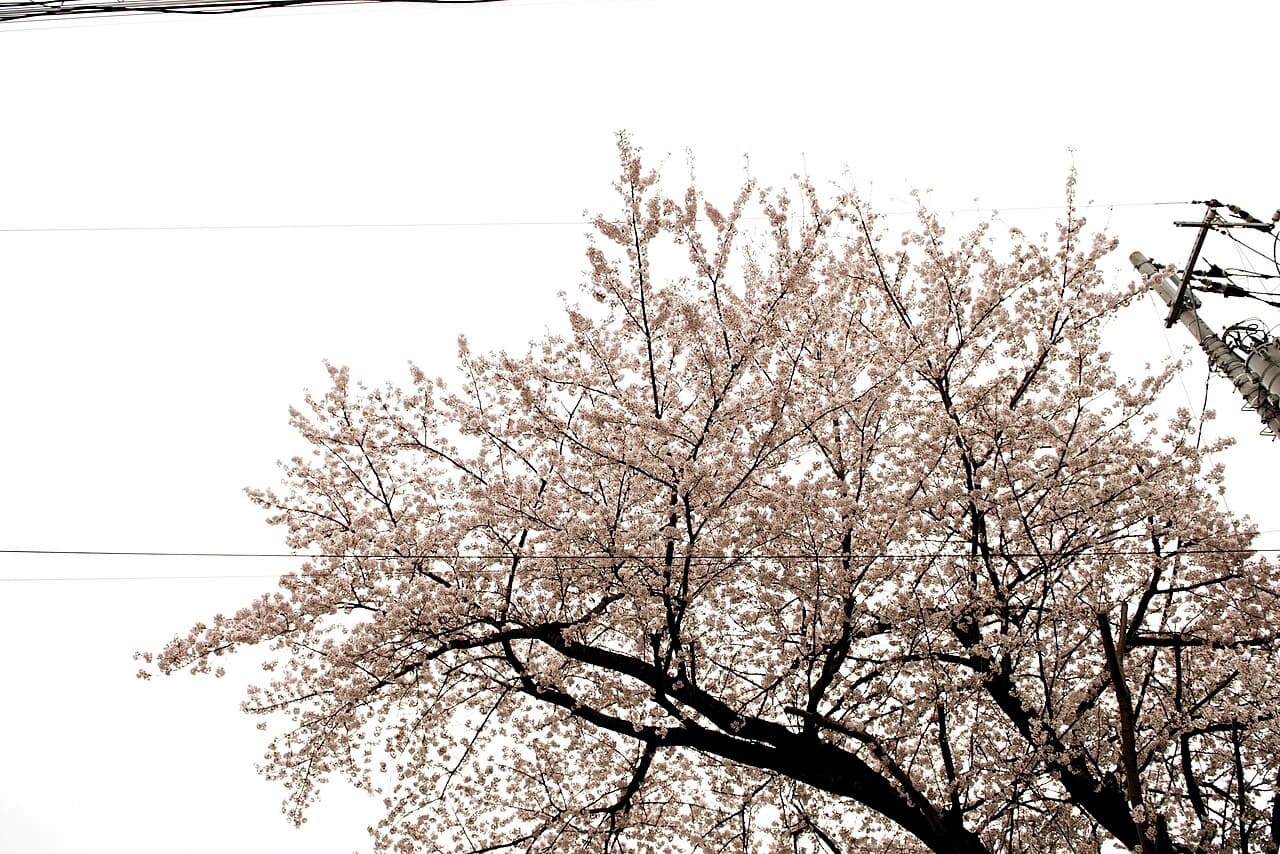
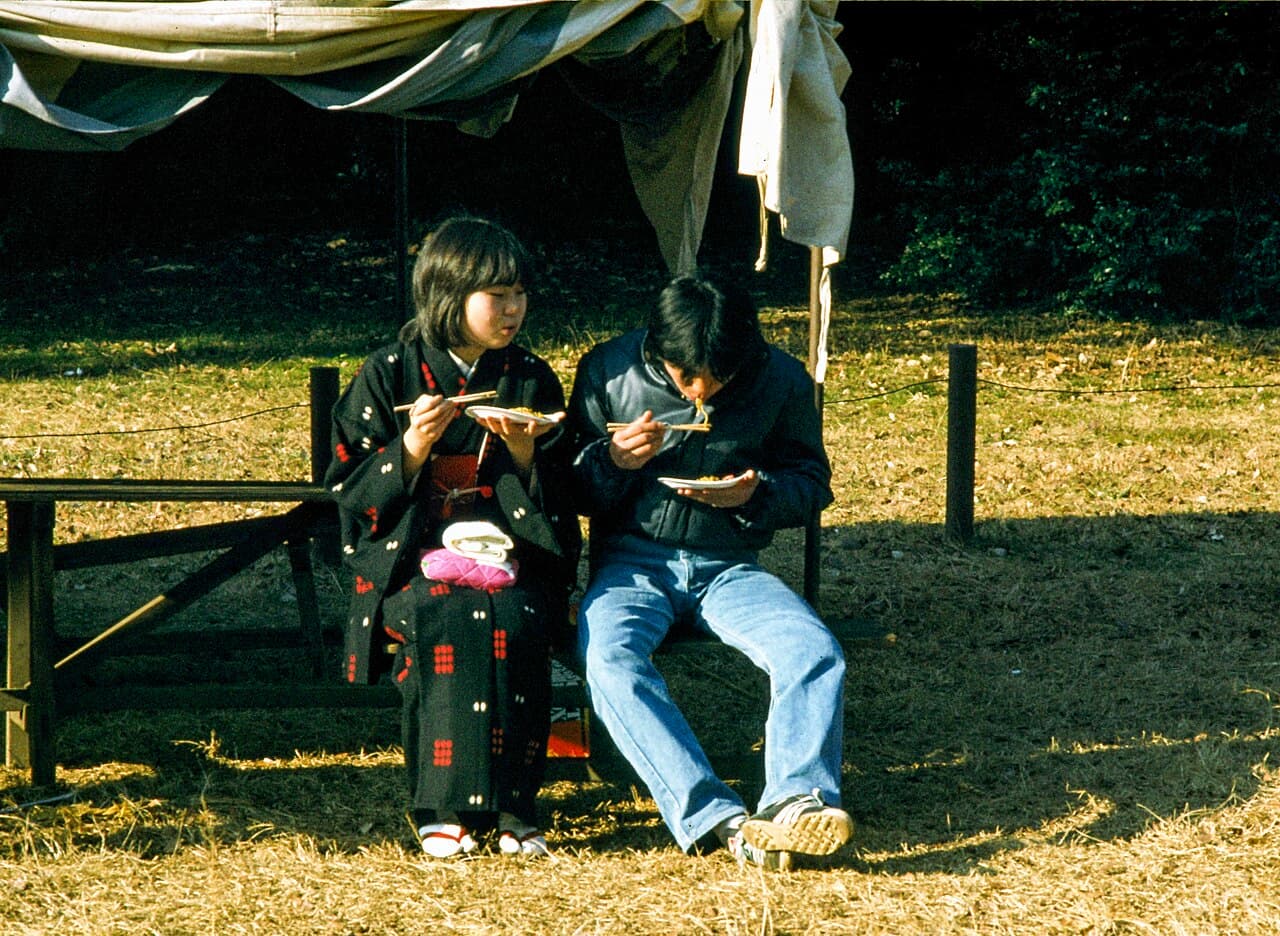
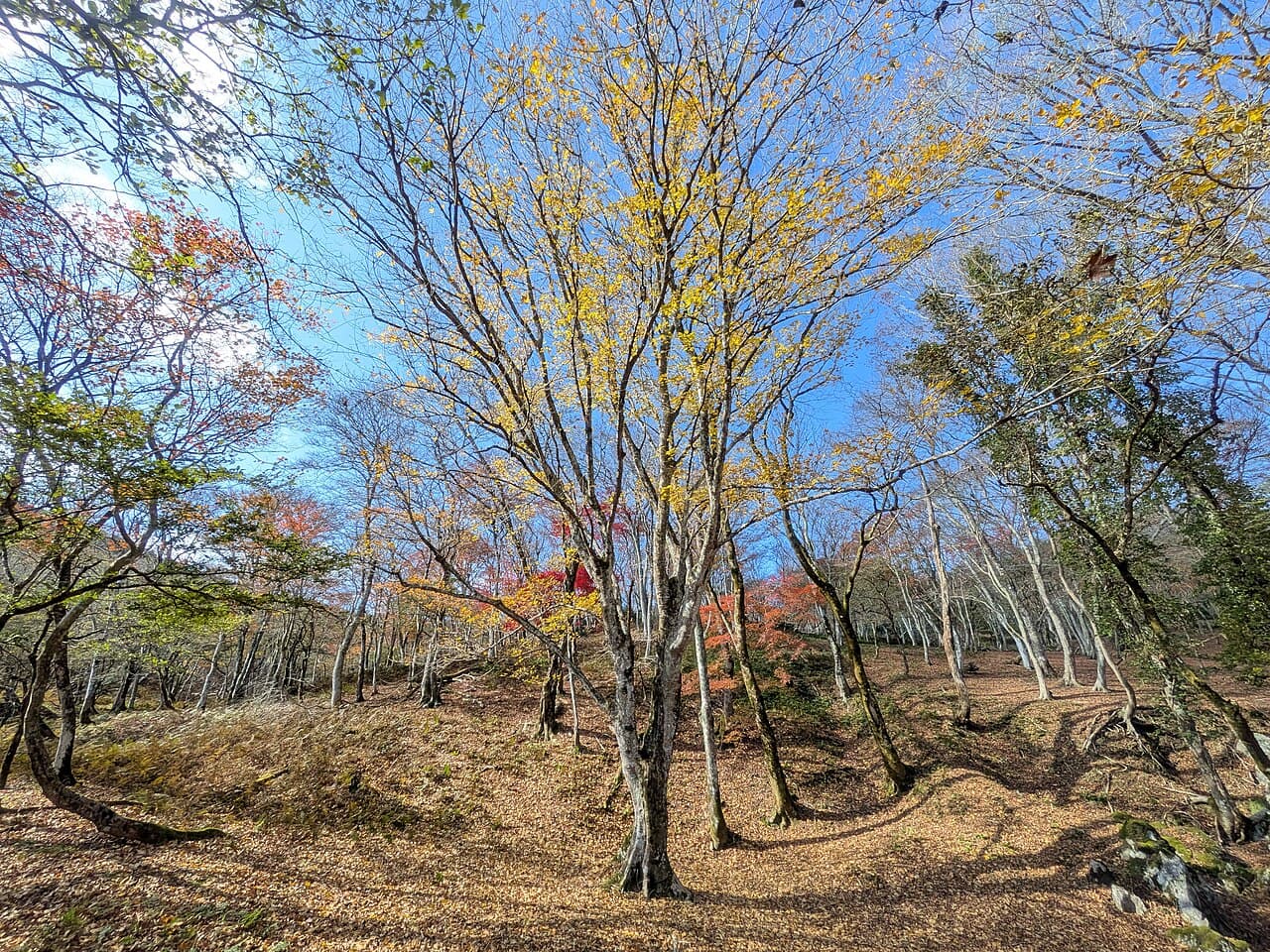
Cherry blossomCerezos en flor Japón 2027: cuándo florecen (guía por región)Las fechas exactas de 2027 aún no se han pronosticado; en la temporada 2026, las primeras previsiones se publicaron entre el 18 de diciembre de 2025 y el 29 de enero de 2026.Gratis: la mayoría de los parques, riberas de ríos y recintos de templos no cobran entrada; algunos jardines (por ejemplo, Shinjuku Gyoen) y torres de castillos cobran una pequeña tarifa, y las iluminaciones nocturnas pueden tener horarios aparte. A fecha de 2026.New yearHatsumode 2027: tu primera visita a un santuario en el Año Nuevo japonésEl hatsumode es la primera visita del año a un santuario o templo en Japón, que se hace del 1 al 3 de enero de 2027. Aquí te explicamos qué significa, cuándo ir y cómo rezar exactamente, incluida la diferencia clave entre santuario y templo.Visitar y rezar es gratis. Lleva monedas pequeñas para la caja de ofrendas (la moneda de 5 yenes es la opción de la suerte); los omikuji de la fortuna, las placas ema, las flechas hamaya y los amuletos omamori suelen costar unos cientos de yenes cada uno (a fecha de 2026; confírmalo en cada lugar).FoliageHojas de otoño en Japón 2026: cuándo y dónde ver el follaje otoñalEl frente del momiji de 2026 avanza hacia el sur, desde Hokkaido a mediados o finales de septiembre hasta Kyushu a principios de diciembre. Aquí tienes una tabla de fechas región por región y los mejores lugares de Japón para ver el follaje otoñal.Gratis en la mayoría de parques, jardines y carreteras de montaña; algunos jardines famosos, recintos de templos y eventos con iluminación nocturna cobran aproximadamente entre ¥300 y ¥1.000 (a fecha de 2026).
Lee antes de ir · 心得
Across JapanNara Autumn Leaves 2026: Peak Forecast, Best Spots & Light-UpsNara's autumn leaves are forecast to peak from mid to late November 2026: Tanzan Shrine from about Nov 19, Hasedera Nov 21, Nara Park and Shoryakuji Nov 23, Murouji Nov 28 (Weathernews). Murouji's nine light-up nights, prices and access, checked on official sites on October 2, 2026.Across JapanFuji Five Lakes Autumn Leaves 2026: Kawaguchiko Peak Forecast, Spots and BusesKawaguchiko's lakeside maples are forecast to peak from about 17 November 2026 (Weathernews), and the Fujikawaguchiko Autumn Leaves Festival light-up runs 7–29 November until 21:00. Spot-by-spot forecasts for the Momiji Corridor, Oishi Park, Lake Saiko, Lake Yamanaka and Koyodai, plus bus and Fuji Excursion times and fares, checked 2 October 2026.Across JapanPrivate Onsen in Tokyo for Day Use: 7 Bookable Private Baths (5 in Tokyo, 2 in Hakone) with Prices, Time Slots and Tattoo RulesOf the 7 private baths on this page, the cheapest is Sayanoyudokoro at ¥2,100 an hour (plus admission); couples can book Ariake's 90-minute private bath from ¥6,000, and Hakone Yuryo is the one place here that states it has no tattoo restriction (from ¥10,400 per room for 2 hours). Prices, slots, booking and tattoo rules for 7 facilities, checked on official pages on 24 September 2026.Across JapanOnsen in Kyoto: Kurama, Arashiyama, Ohara and City Baths, With Tattoo Policies (2026)We checked the official sites of nine Kyoto onsen and day-use baths on 2026-09-24. Kurama Onsen accepts tattoos; Ohara no Sato asks you to cover them with a towel. Fufu no Yu, Tenzan no Yu, Hana no Yu and HOTEL KUU KYOTO refuse them. Hours, prices and access in one table.