
Japan New Year 2026–27: What's Closed Dec 28–Jan 4 (Banks, Palaces, Museums) and What Stays Open
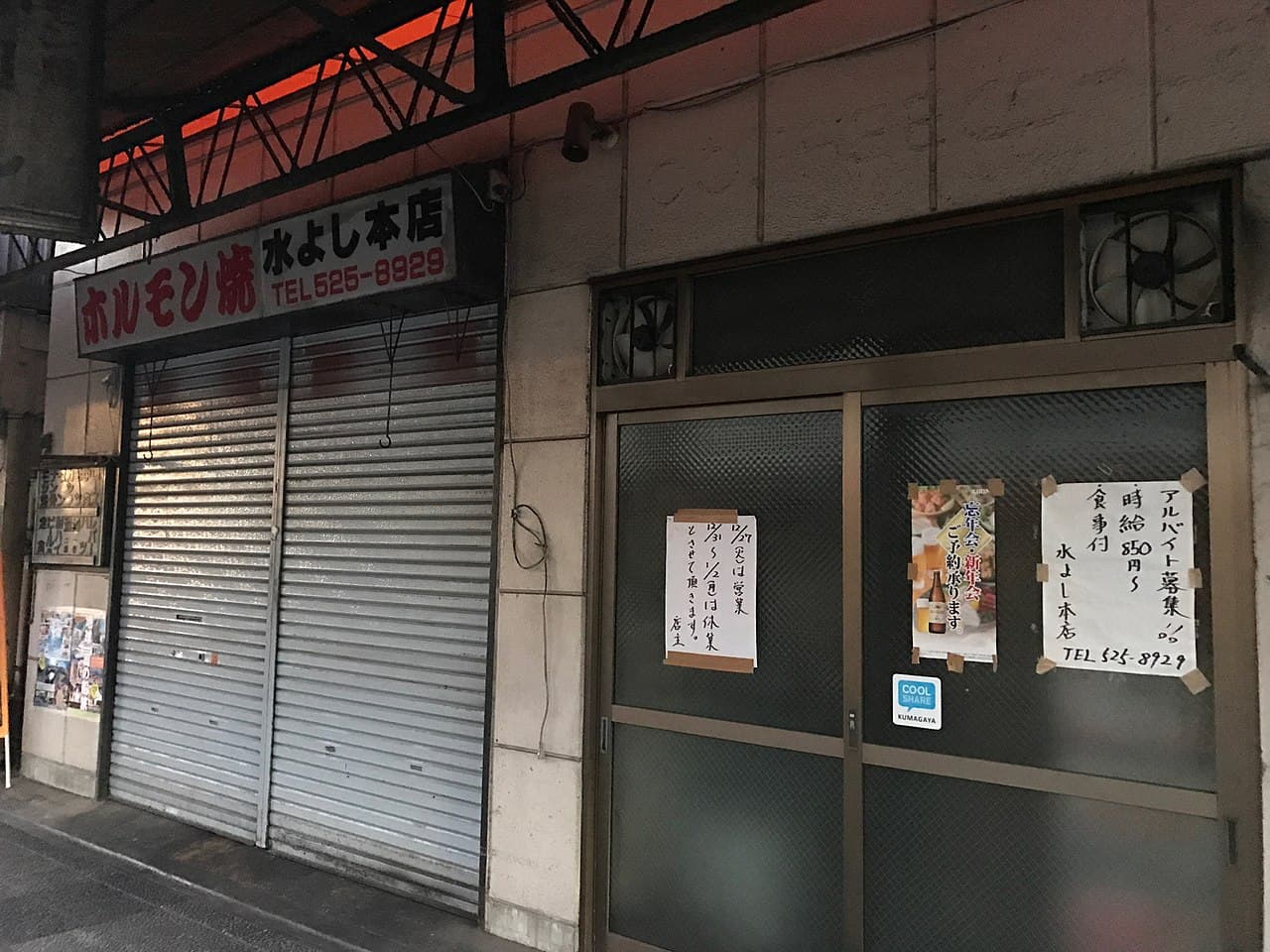
Short answer: in 2026–27 Japan's New Year closures are concentrated between Monday 28 December 2026 and Monday 4 January 2027. Banks are closed Thu 31 Dec – Sun 3 Jan by law, national government offices Tue 29 Dec – Sun 3 Jan, the imperial palaces in Tokyo and Kyoto 28 Dec – 4 Jan, and the Tokyo National Museum 26–31 Dec. Shrines and temples are the opposite: they stay open and fill with hatsumode visitors.
Below is every closure we could confirm on the operator's own page, with the date it was checked. Where a 2026–27 date has not been published, we say so and link the official page instead of guessing.
The 2026–27 calendar at a glance
| Date | Weekday | What it means |
|---|---|---|
| 22 Dec 2026 | Tue | Tokyo National Museum: from today until 25 Dec only the Horyu-ji Treasures Gallery and Kuroda Memorial Hall are open |
| 26 Dec 2026 | Sat | Tokyo National Museum closes completely for the year |
| 28 Dec 2026 | Mon | Imperial Palace, East Gardens, Kyoto Imperial Palace, Katsura, Shugakuin, Sento Palace, Kyoto National Museum and the National Museum of Western Art all start their New Year closure |
| 29 Dec 2026 | Tue | National government offices close; Nijo Castle and Himeji Castle close |
| 30 Dec 2026 | Wed | Last bank business day of 2026 |
| 31 Dec 2026 | Thu | Banks closed; Himeji Castle reopens; Nijo Castle's last closed day |
| 1 Jan 2027 | Fri | New Year's Day (national holiday). Tokyo National Museum reopens (hours not yet announced) |
| 2 Jan 2027 | Sat | Kyoto National Museum and the National Museum of Western Art reopen |
| 3 Jan 2027 | Sun | Last day of the bank and national-government holiday; last day of the East Gardens' New Year closure (the gardens stay shut on Mon 4 Jan, a regular Monday closure) |
| 4 Jan 2027 | Mon | Banks and national government offices reopen. Imperial palaces still closed; East Gardens closed (Monday); Monday is also a regular closing day at many museums |
| 5 Jan 2027 | Tue | First day the imperial sites' New Year closure no longer applies |
Weekdays are from the calendar; every closure date comes from the sources at the end of this page (checked 2026-10-14).
Banks, cash and government offices
Banks. Japan's Banking Act Enforcement Order (Article 5) makes 31 December to 3 January a bank holiday every year. In 2026–27 that is Thursday to Sunday, so Wednesday 30 December is the last day bank counters are open and they return on Monday 4 January.
What this means for you: bank counters and currency exchange at bank branches are out for four days. ATM hours are set by each bank or ATM operator, not by this rule — so draw the cash you need for the holiday before 30 December, and check your ATM operator's New Year notice rather than assuming.
Government offices. The Act on Holidays of Administrative Organs closes national government offices from 29 December to 3 January (Tue 29 Dec – Sun 3 Jan in 2026–27). That law covers national bodies only: under the Local Autonomy Act (Article 4-2), each city, town and ward office sets its own year-end and New Year holidays by ordinance, so check that office's notice. If you have anything to do at an immigration office (a national agency), finish it by Monday 28 December or wait until Monday 4 January.
Shops, restaurants and department stores are not covered by any of these rules — each sets its own New Year hours, so check the shop's own notice.
Imperial palaces and gardens (Tokyo and Kyoto)
All are run by the Imperial Household Agency, which publishes the same New Year rule every year. Admission is free everywhere except Katsura Imperial Villa, which charges ¥1,000 per visit for visitors aged 18 and over (junior and senior high-school students are free).
| Site | New Year closure | Notes |
|---|---|---|
| Imperial Palace grounds tour (Tokyo) | 28 Dec – 4 Jan | Tours also don't run on Sundays, Mondays or national holidays, so the first tour of 2027 is Tue 5 Jan |
| Imperial Palace East Gardens (Tokyo) | 28 Dec – 3 Jan | Also closed Mondays and Fridays, so Mon 4 Jan is closed too. Winter hours (Nov–Feb): 9:00–16:00, last entry 15:30. Free, no booking |
| Kyoto Imperial Palace (Kyoto Gosho) | 28 Dec – 4 Jan | Also closed Mondays (the next day when Monday is a holiday); open on Sundays. Free, no reservation needed |
| Sento Imperial Palace, Katsura Imperial Villa, Shugakuin Imperial Villa (Kyoto) | 28 Dec – 4 Jan | Also closed Mondays |
If Kyoto Gosho is on your list, the realistic windows are up to Sun 27 December or from Tue 5 January (the Imperial Household Agency also asks visitors to check its calendar for event-day closures). Don't apply the Tokyo palace-tour rule here: it is the Tokyo tour, not Kyoto Gosho, that skips Sundays.
Museums
| Museum | 2026–27 closure | Status |
|---|---|---|
| Tokyo National Museum (Ueno) | 26–31 Dec 2026; 22–25 Dec only the Horyu-ji Treasures Gallery and Kuroda Memorial Hall open | Reopens 1 Jan 2027; hours for that day not yet announced |
| Kyoto National Museum | 28 Dec 2026 – 1 Jan 2027 | Published for 2026–27. Mondays are its regular closing day |
| National Museum of Western Art (Ueno) | 28 Dec – 1 Jan (standing rule) | The permanent collection then closes for maintenance 12 Jan – 19 Mar 2027 (planned) |
Other museums set their own New Year closures. We add a museum here only once it has published its 2026–27 dates on its own site.
Castles
| Castle | Closed | Open around New Year |
|---|---|---|
| Nijo Castle (Kyoto) | 29–31 Dec (whole castle) | Grounds open 1–3 Jan, but the Ninomaru Palace interior is not shown 26–28 Dec and 1–3 Jan (plus every Tuesday in December and January, so Tue 5 Jan too), and the Honmaru Palace is not shown 26–28 Dec and 1–3 Jan. Hours 8:45–17:00, last entry 16:00 |
| Himeji Castle | 29–30 Dec only | Open 31 Dec and on New Year's Day. Hours 9:00–17:00, last entry 16:00 |
What stays open — and what gets busier
Shrines and temples do the reverse of everything above: the first visit of the year, hatsumode, brings crowds to major shrines and temples from 31 December to 3 January. If you are going, know the difference between the two before you queue (temple vs shrine), and if you bought an amulet last year, New Year is exactly when it is returned (omamori).
Bookable cultural experiences are run by small operators who set their own holidays; if a tea ceremony or workshop is the point of your trip, book it for the days the imperial sites are closed and confirm the date directly (how to book cultural experiences).
How to plan around it
- Do the paperwork first. Banks and offices: before Wed 30 Dec (banks) / Mon 28 Dec (national offices; city and ward offices set their own dates).
- Put palaces before 28 Dec or after 4 Jan. Kyoto Gosho, Katsura and Shugakuin all lose 28 Dec – 4 Jan.
- Use 31 Dec – 3 Jan for what's open: shrines and temples, Himeji Castle (open 31 Dec), the Nijo Castle grounds (from 1 Jan), and museums from the day they reopen.
- Recheck the week before. Every operator above reserves the right to add closures for events.
We have not verified 2026–27 rail timetables, department-store hours, ATM hours or the 2 January New Year Greeting at the Imperial Palace; check those with the operator.
Checked 2026-10-14. Official pages: Imperial Household Agency visits · Imperial Palace East Gardens · Kyoto Gosho · Tokyo National Museum · Kyoto National Museum · National Museum of Western Art · Nijo Castle · Himeji Castle · Banking Act Enforcement Order, Art. 5 · Act on Holidays of Administrative Organs, Art. 1. Operators change dates without notice — confirm before you travel.
FAQ
- When are banks closed in Japan over New Year 2026–27?
- From Thursday 31 December 2026 to Sunday 3 January 2027. Japan's Banking Act Enforcement Order (Article 5) makes 31 December – 3 January a bank holiday every year, so the last bank business day of 2026 is Wednesday 30 December and counters reopen on Monday 4 January. ATM hours are set by each operator — check its New Year notice.
- How long is the New Year holiday in Japan in 2026–27?
- National government offices are closed for six days, Tuesday 29 December 2026 to Sunday 3 January 2027, under the Act on Holidays of Administrative Organs. City and ward offices set their own year-end holidays by ordinance, so check that office's notice. There is no single national rule for shops, restaurants or attractions — each sets its own dates.
- Is the Kyoto Imperial Palace open over New Year?
- No. The Imperial Household Agency closes Kyoto Gosho from 28 December to 4 January, and it is also closed on Mondays. In 2026–27 the last open day before the break is Sunday 27 December (Kyoto Gosho opens on Sundays) and the first after it is Tuesday 5 January 2027.
- When does the Tokyo National Museum close for New Year 2026?
- It closes from Saturday 26 to Thursday 31 December 2026 (from 22 to 25 December only the Horyu-ji Treasures Gallery and Kuroda Memorial Hall are open) and reopens on Friday 1 January 2027; hours for 1 January had not been announced as of 2026-10-14.
- What is open in Japan on New Year's Day?
- Shrines and temples, which receive hatsumode visitors — the first visit of the year. Among the sites we checked, Himeji Castle (closed only 29–30 December), the Nijo Castle grounds and the Tokyo National Museum are open on 1 January 2027. Shops and restaurants set their own hours.
Related
Across Japan
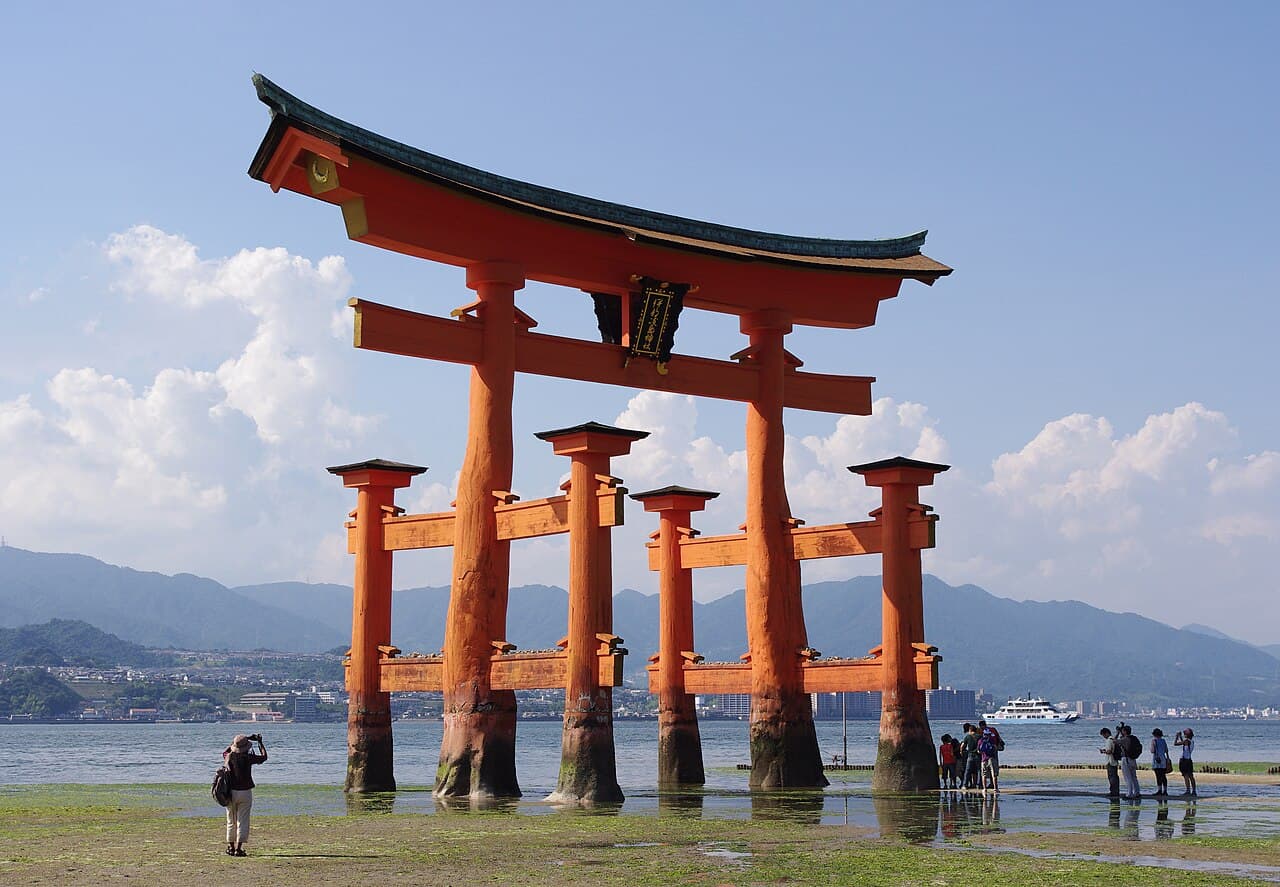
Temple vs Shrine in Japan: How to Tell Them Apart & How to Pray at Each
The quickest way to tell them apart: a **shrine (Shinto)** has a **torii gate** and you pray by **bowing twice, clapping twice, bowing once**; a **temple (Buddhist)** has a large **sanmon gate**, incense, and often a pagoda, and you pray **silently, palms together — no clapping.**
Across Japan
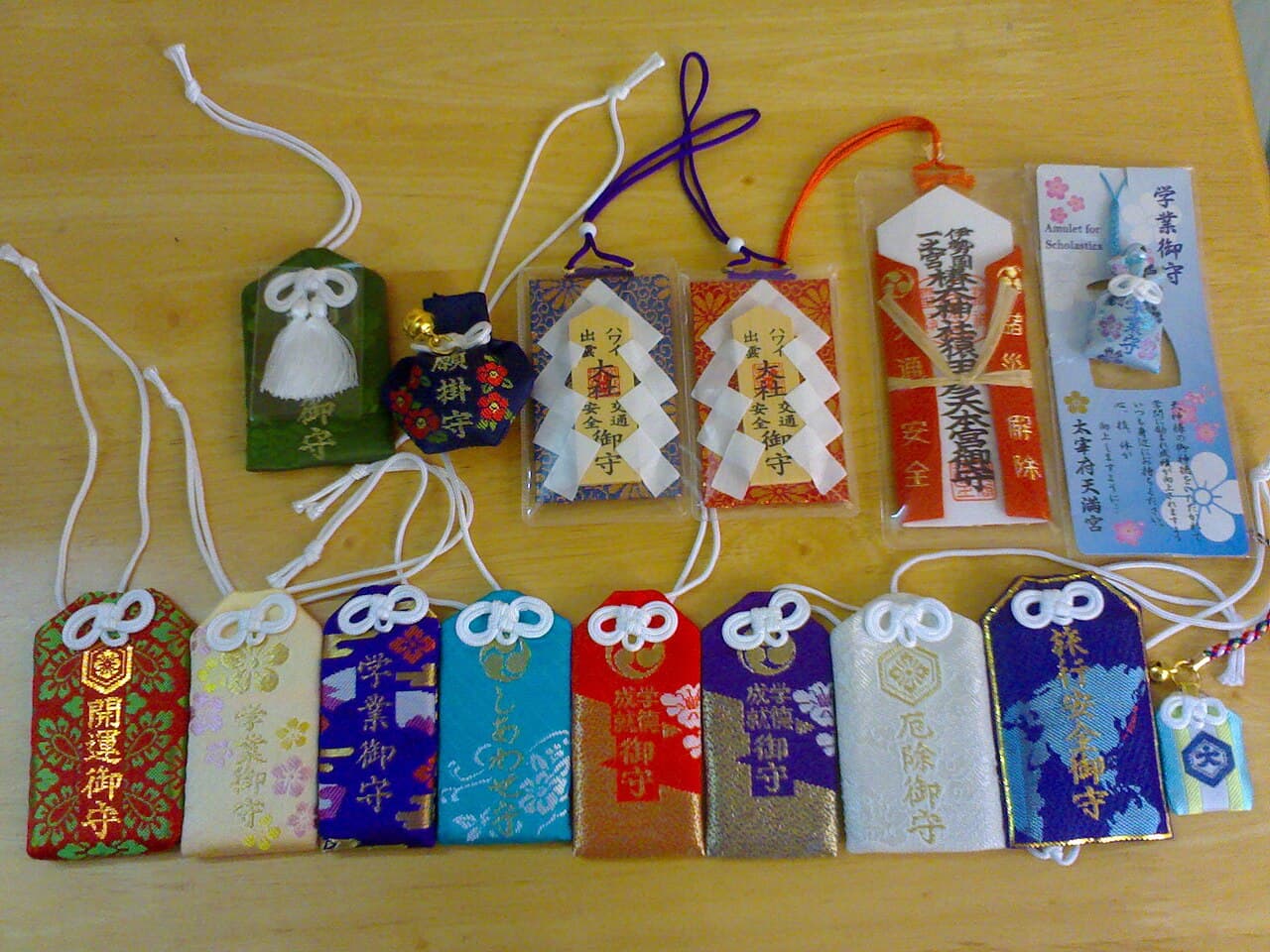
Omamori: what Japanese amulets mean, which to choose, and how to return them
An omamori is a prayer someone made on your behalf, sealed into a cloth pouch — which is why you never open it, why it lasts about a year, and why the correct ending is to bring it back rather than to keep it forever. Typically ¥500–¥2,000. Here is how to pick the right one, how to carry it, and what to do with it afterwards.
Across Japan
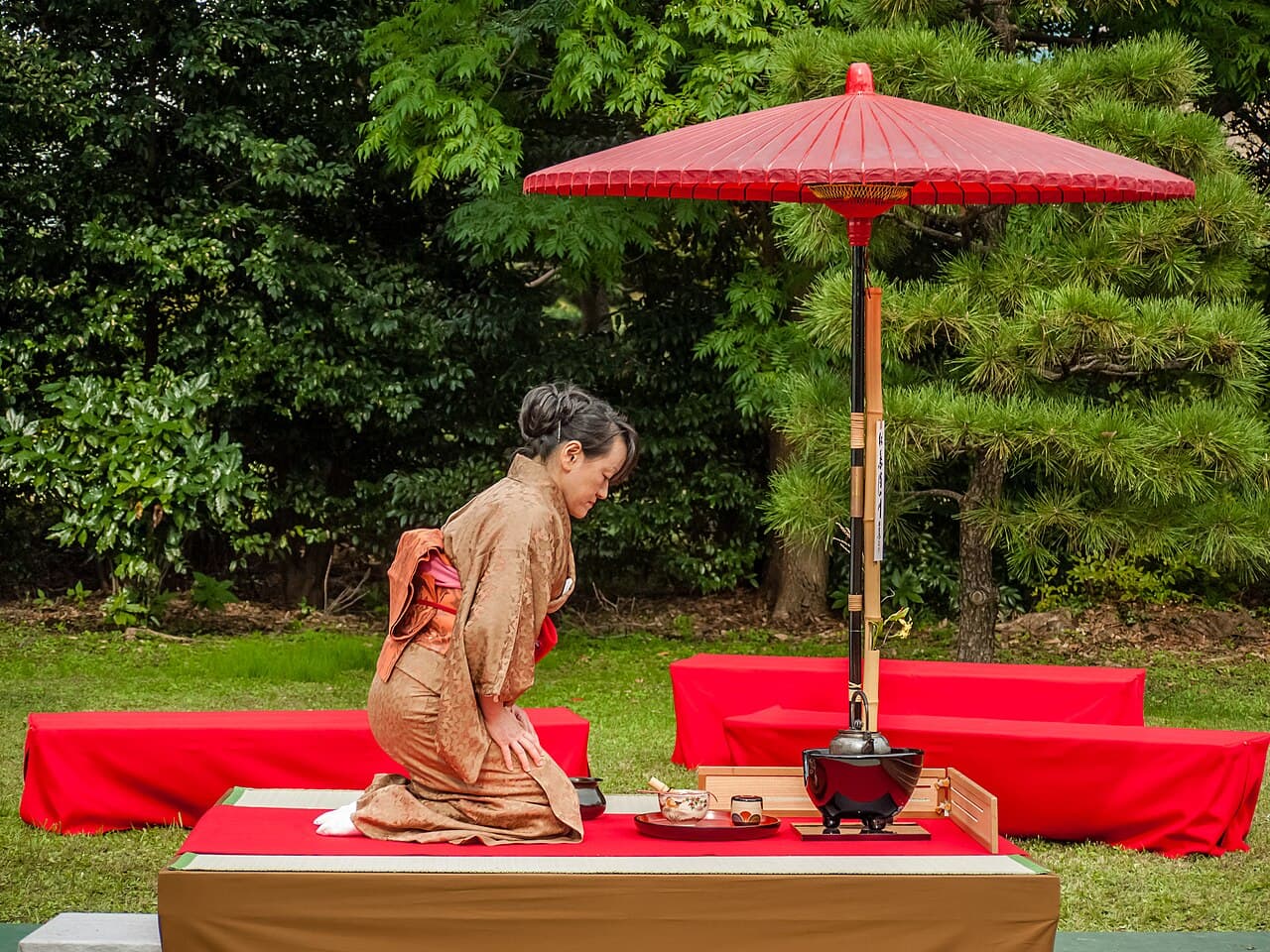
The Best Cultural Experiences in Japan (and How to Book Them)
The best traditional cultural experiences in Japan are the **tea ceremony, zazen meditation, kimono wearing, samurai and ninja training, calligraphy, pottery, taiko drumming, sushi-making, and geisha and sake culture** — almost all offered as English-friendly 1–2 hour drop-in workshops needing no prior experience. Kyoto leans refined and traditional; Tokyo leans hands-on. As of 2026.