
Temple vs Shrine in Japan: How to Tell Them Apart & How to Pray at Each
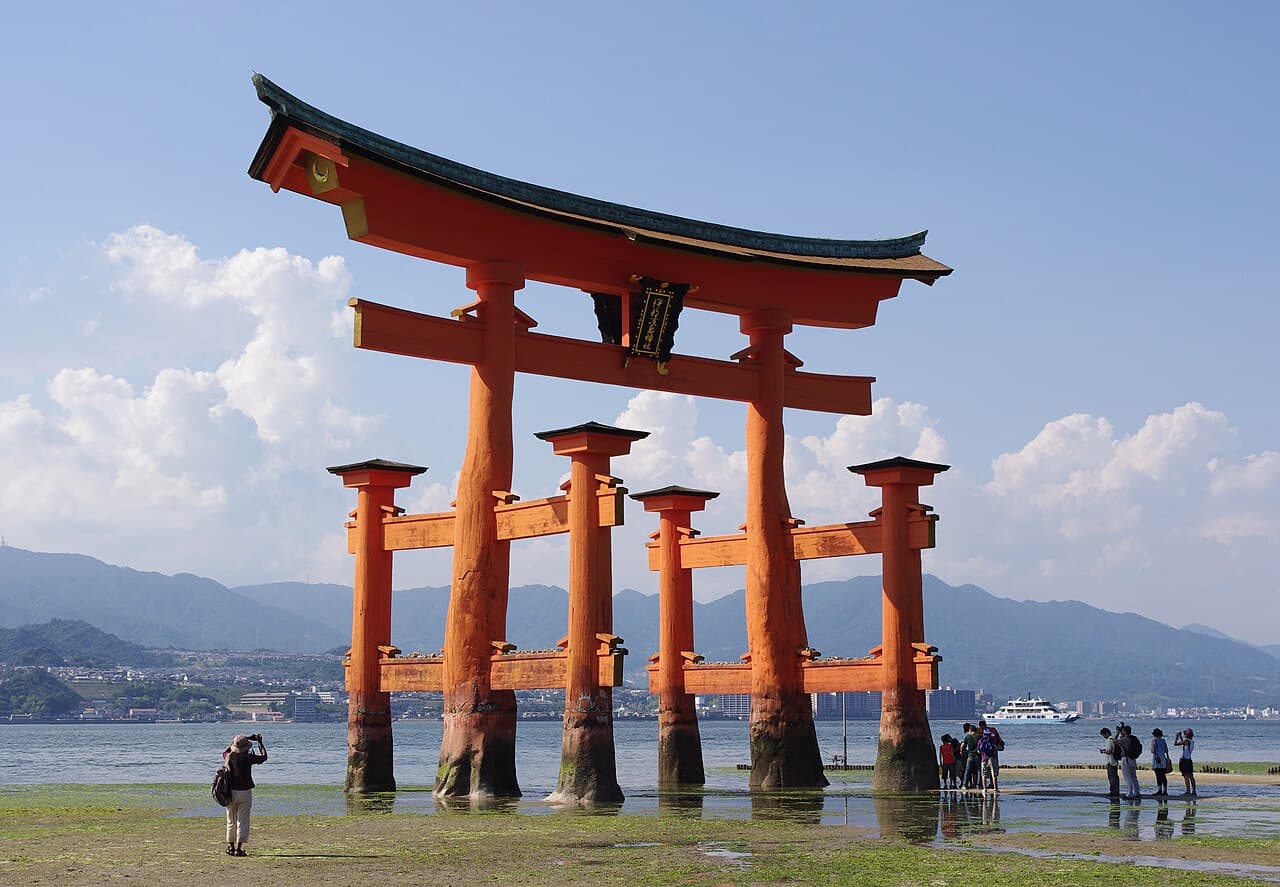
The quickest way to tell them apart: a shrine (Shinto) has a torii gate at the entrance and you pray by bowing twice, clapping twice, and bowing once; a temple (Buddhist) has a large roofed sanmon gate, incense, and often a pagoda, and you pray silently with palms together — no clapping. Master those two cues and you can read almost any sacred site in Japan.
The one-glance test: the gate
- Torii gate — two upright posts with one or two crossbeams, often painted vermilion. A torii almost always means you are entering a Shinto shrine, home to kami (deities).
- Sanmon gate — a large, roofed, house-like wooden gate, sometimes flanked by fierce Nio guardian statues. Add an incense burner, a pagoda, temple bells, or a cemetery, and you are at a Buddhist temple.
Comparison at a glance
| Feature | Shrine (神社 · Shinto) | Temple (寺 · Buddhist) |
|---|---|---|
| Entrance gate | Torii (often vermilion) | Sanmon (large roofed gate) |
| Honors | Kami (deities) | The Buddha |
| How you pray | 2 bows, 2 claps, 1 bow | Palms together, silent bow |
| Clapping? | Yes | No — never |
| Tell-tale features | Mirrors, shimenawa ropes, sakaki branches | Incense, pagodas, bells, statues, graves |
| Name ends in | -jinja / -jingu / -gu / -taisha | -ji / -dera |
The naming clue
The suffix on a place name is a reliable second check. Shrines end in -jinja, -jingu, -gu, or -taisha — think Meiji Jingu or Fushimi Inari Taisha. Temples end in -ji or -dera — think Sensoji or Kiyomizu-dera.
How to pray at a shrine (step by step)
- *Purify at the temizuya*** water pavilion: rinse your left hand, then right hand, then your mouth, then tilt the ladle to rinse the handle.
- At the offering hall, drop a coin in the box and, if there is one, ring the bell.
- Bow twice.
- Clap twice, expressing joy and respect toward the deity.
- Pray with your hands still together.
- Bow once more.
This is ni-rei ni-hakushu ichi-rei. For a deeper walkthrough, see our shrine etiquette guide.
How to pray at a temple (step by step)
- *Purify at the temizuya exactly as above — the water pavilion is shared etiquette at both* shrines and temples.
- If there is an incense burner, waft a little smoke over yourself.
- Drop a coin in the offering box.
- Put your *palms together (gassho) and bow in silence. There is no clapping* — this is the single most common tourist mistake. Clapping is a Shinto tradition, exclusive to shrines.
Want to go beyond a visit? A guided Zen meditation (zazen) session in Kyoto lets you experience temple practice from the inside.
Famous examples
- Shrines: Meiji Jingu (Tokyo, honoring Emperor Meiji), Fushimi Inari Taisha (Kyoto, thousands of red torii, dedicated to Inari the god of rice), Itsukushima Shrine (Miyajima, the famous "floating" torii).
- Temples: Sensoji (Tokyo's oldest temple), Kiyomizu-dera (Kyoto's wooden stage), Todaiji (Nara, home of the Great Buddha), Kinkakuji (Kyoto's Golden Pavilion, a Zen temple).
What you'll find at both
Don't assume amulets are shrine-only. Omamori (protective amulets) and omikuji (paper fortune slips) are sold and drawn at both shrines and temples. New Year is the peak time for this — see our hatsumode first-shrine-visit guide for 2027.
A note on the overlap
For most of Japanese history, Shinto and Buddhism were blended (shinbutsu-shugo), so a small number of sites host both a temple and a shrine on the same grounds, and a torii can occasionally appear at a temple. That's why we say a torii almost always means a shrine. When in doubt, the prayer style — clap or no clap — is your most reliable tell (as of 2026).
Planning your route around festivals and seasons? Pair this guide with the events calendar at japan-event.info so you can time shrine and temple visits with the celebrations happening nearby.
FAQ
Is it free to enter a shrine or temple? Most shrines are free to enter. Many temples are also free, but famous ones (like Kinkakuji or Kiyomizu-dera) charge a small admission to the main hall or grounds.
Can I visit if I'm not religious? Yes. Both welcome respectful visitors of any faith. Follow the basic etiquette — purify at the temizuya, stay quiet, and pray in the local style — and you're doing it right.
What's the number-one mistake tourists make? Clapping at a temple. Clapping is Shinto and belongs only at shrines. At a temple, put your palms together and bow in silence.
Do I have to pray at all? No. You can simply walk the grounds respectfully. Praying is optional; observing the quiet, calm atmosphere is part of the experience.
How can I tell them apart from just the name? Check the ending: -jinja, -jingu, -gu, -taisha = shrine; -ji or -dera = temple. It's a quick, reliable second check after spotting the gate.
Can I buy a good-luck charm at either one? Yes. Omamori amulets and omikuji fortune slips are available at both shrines and temples.
Do I need to remove my shoes? Usually not in the outdoor grounds. But if you enter a temple hall or a building interior, you'll often remove your shoes at the entrance — follow the local signs and other visitors.
FAQ
- Is it free to enter a shrine or temple?
- Most shrines are free to enter. Many temples are also free, but famous ones like Kinkakuji or Kiyomizu-dera charge a small admission to the main hall or grounds.
- Can I visit if I'm not religious?
- Yes. Both welcome respectful visitors of any faith. Purify at the temizuya, stay quiet, and pray in the local style, and you're doing it right.
- What's the number-one mistake tourists make?
- Clapping at a temple. Clapping is Shinto and belongs only at shrines. At a temple, put your palms together and bow in silence.
- Do I have to pray at all?
- No. You can simply walk the grounds respectfully. Praying is optional; soaking in the quiet, calm atmosphere is part of the experience.
- How can I tell them apart from just the name?
- Check the ending: -jinja, -jingu, -gu, or -taisha means a shrine; -ji or -dera means a temple. It's a quick, reliable second check after spotting the gate.
- Can I buy a good-luck charm at either one?
- Yes. Omamori amulets and omikuji fortune slips are available at both shrines and temples.
- Do I need to remove my shoes?
- Usually not in the outdoor grounds. But if you enter a temple hall or building interior, you'll often remove your shoes at the entrance — follow the local signs and other visitors.
Try it yourself
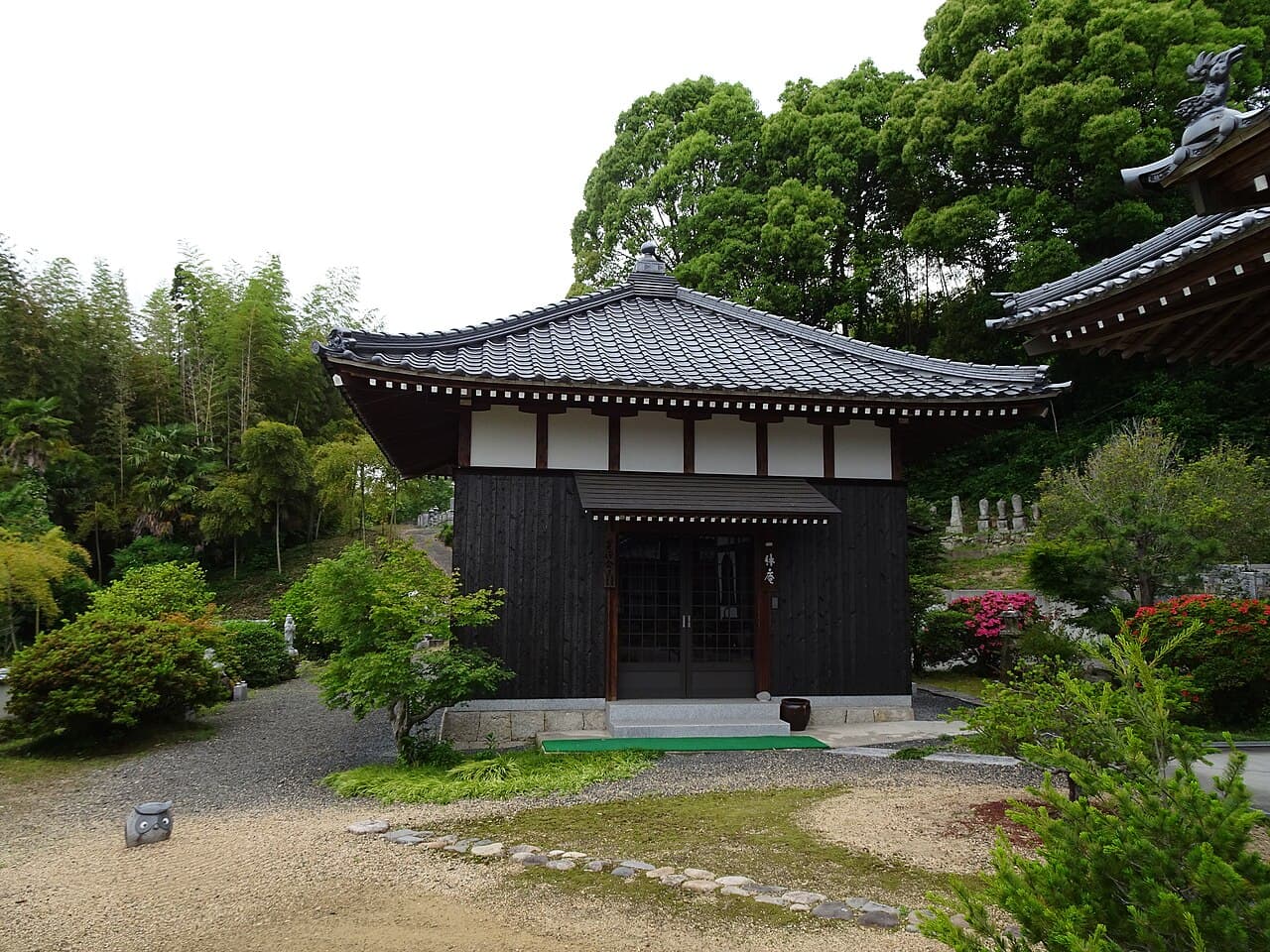
Zazen meditationKyoto
Zazen meditation in Kyoto — English temple sittings, price, and how to book
Where to try zazen (seated Zen meditation) in Kyoto in English — which temples, what it costs, what actually happens, and how to book or join a public sitting.