
Things to Do in Gion, Kyoto: An Honest Local Guide
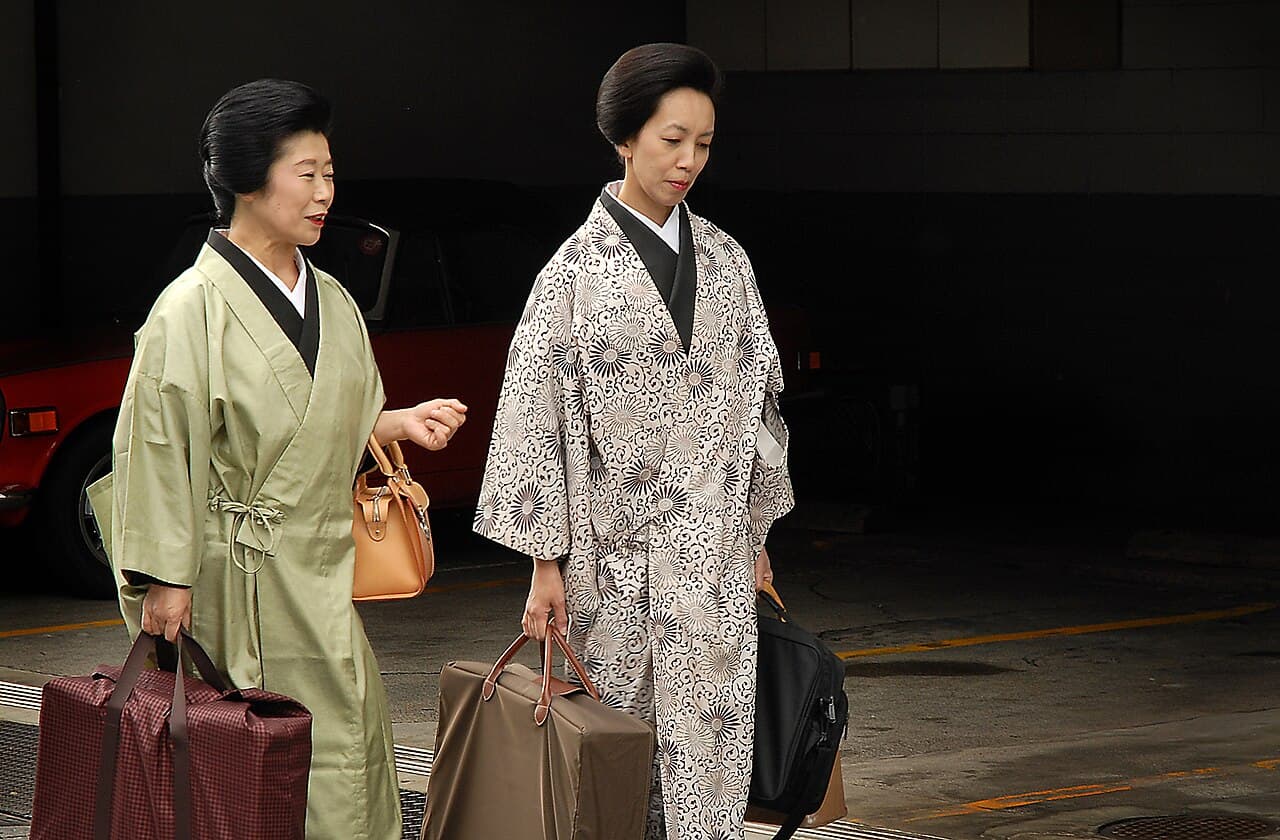
The best things to do in Gion, Kyoto: walk Hanamikoji street and the Shirakawa canal at dusk, book a hands-on cultural experience (a tea ceremony or wagashi sweet-making class), and visit free Yasaka Shrine and nearby Kenninji, Kyoto's oldest Zen temple. Gion rewards slow wandering over ticking off sights — and it asks one thing in return: treat the geiko district as the living neighbourhood it is.
Gion is Kyoto's historic geisha (geiko and maiko) quarter, tucked into the Higashiyama district on the east bank of the Kamo River. Its heart is Hanamikoji street, lined with wooden ochaya teahouses, and the willow-lined Shirakawa canal, one of the prettiest lanes in Japan. Yasaka Shrine anchors its eastern end; Kenninji temple sits just to the south. The nearest stations are Keihan Gion-Shijo and Hankyu Kyoto-Kawaramachi, both a short walk away.
Top things to do in Gion
Here's an honest short-list — what each thing is, roughly how long it takes, and whether it's free or best booked ahead.
| Spot / experience | What it is & how long | Free or booked |
|---|---|---|
| Hanamikoji street | The iconic teahouse-lined street; slow stroll, 20–40 min | Free (main street only) |
| Shirakawa canal lane | Willows, stone bridges, machiya — the photo everyone wants; 20 min | Free |
| Yasaka Shrine | Vermilion gate + lantern-lit grounds at Gion's east end; 20–30 min | Grounds free |
| Kenninji temple | Kyoto's oldest Zen temple (1202); raked gardens, twin-dragon ceiling; 45–60 min | Small admission — check the official site |
| Tea ceremony | A guided matcha ritual in Higashiyama; 45–60 min | Book ahead (from ¥3,000pp) |
| Wagashi class | Make seasonal Kyoto sweets by hand; ~60–90 min | Book ahead (from about ¥3,700, as of 2026) |
| Geisha experience | The reliable, respectful way to actually meet a maiko/geiko | Book ahead |
The free streets are wonderful, but a booked experience is what turns a walk-through into a memory — and, crucially, it's the ethical way to engage with geisha culture instead of chasing people down alleys for photos.
A suggested Gion half-day route
- Arrive at Keihan Gion-Shijo, walk east along Shijo to Yasaka Shrine (free grounds).
- Double back into Hanamikoji for teahouse atmosphere, then cut to the Shirakawa canal lane.
- Slot in your tea ceremony or wagashi class — both are in walking range in Higashiyama/central Kyoto.
- Finish at Kenninji for a quiet Zen garden, then linger until dusk, when the lanterns come on and you may glimpse a geiko hurrying to an appointment. A sighting is never guaranteed — the reward is the atmosphere itself.
When to go & the etiquette that matters
Early morning gives you empty photogenic streets; dusk gives you the golden, lantern-lit magic. Both beat the midday crowds.
The one rule that separates a respectful visitor from a nuisance: photography is banned on the private side-alleys branching off Hanamikoji, where a ¥10,000 fine applies. The main public streets — Hanamikoji itself, the Shirakawa lane, Sannenzaka — remain open, but Gion is a working neighbourhood full of residents and professionals. Stick to the main streets, never block doorways, and always ask permission before photographing a geiko or maiko. If you want a proper, welcome encounter, do it through our geisha experience or read our full how to see geisha in Kyoto guide.
Book a cultural experience in Gion
Gion is the best base in Kyoto for hands-on tradition. All three of our featured experiences are in walking distance:
- Tea ceremony in Kyoto — a 45–60 minute matcha ritual in Higashiyama, from ¥3,000 per person.
- Wagashi sweet-making — shape seasonal Kyoto confectionery by hand, from about ¥3,700 (as of 2026).
- Geisha experience in Kyoto — the respectful, guaranteed way to meet a maiko.
For the wider picture, our pillar guide to Kyoto cultural experiences covers everything from calligraphy to kimono. And if you're timing your trip around a specific festival or dated event, cross-check the calendar on Japan-Event — Gion is walking distance from many of Kyoto's biggest seasonal happenings.
FAQ
Is it OK to photograph geisha in Gion? Photography is banned on the private side-alleys off Hanamikoji, where a ¥10,000 fine applies. The main public streets are fine, but always ask permission before photographing a geiko or maiko — they are working professionals, not attractions.
How much time should I spend in Gion? A half-day (3–4 hours) covers the streets, Yasaka Shrine and Kenninji. Add a booked tea ceremony or wagashi class and it becomes a full, memorable half-day.
When is the best time to visit Gion? Early morning for empty streets and photos, or dusk for lantern-lit atmosphere and the chance to glimpse a geiko heading to an appointment. Avoid the midday crowds.
How do I get to Gion? The nearest stations are Keihan Gion-Shijo and Hankyu Kyoto-Kawaramachi, both a short walk from Hanamikoji and Yasaka Shrine.
Is Yasaka Shrine free to enter? Yes, the grounds of Yasaka Shrine are freely accessible. Some special halls may charge a small fee — check the official site.
What is Kenninji temple? Kenninji is Kyoto's oldest Zen temple, founded in 1202 by the monk Eisai, located just south of Gion. It's one of the Kyoto Gozan and known for its raked gardens; a small admission applies — check the official site.
Will I definitely see a geisha in Gion? No — a sighting is never guaranteed. Evening is your best chance, but the respectful and reliable way to meet a maiko or geiko is to book a dedicated geisha experience.
Can I do a tea ceremony in Gion? Yes. Our tea ceremony experience is a 45–60 minute guided matcha ritual in the Higashiyama area, from ¥3,000 per person — bookable ahead.
Before you walk it with a camera: Gion's private streets carry a ¥10,000 penalty for photographing geiko or maiko without permission, while Hanamikoji, Shirakawa-dori and Sannenzaka are public roads and are not covered. The full map is in photography etiquette in Japan.
FAQ
- Is it OK to photograph geisha in Gion?
- Photography is banned on the private side-alleys off Hanamikoji, where a ¥10,000 fine applies. The main public streets are fine, but always ask permission before photographing a geiko or maiko — they are working professionals, not attractions.
- How much time should I spend in Gion?
- A half-day (3–4 hours) covers the streets, Yasaka Shrine and Kenninji. Add a booked tea ceremony or wagashi class and it becomes a full, memorable half-day.
- When is the best time to visit Gion?
- Early morning for empty streets and photos, or dusk for lantern-lit atmosphere and the chance to glimpse a geiko heading to an appointment. Avoid the midday crowds.
- How do I get to Gion?
- The nearest stations are Keihan Gion-Shijo and Hankyu Kyoto-Kawaramachi, both a short walk from Hanamikoji and Yasaka Shrine.
- Is Yasaka Shrine free to enter?
- Yes, the grounds of Yasaka Shrine are freely accessible. Some special halls may charge a small fee — check the official site.
- What is Kenninji temple?
- Kenninji is Kyoto's oldest Zen temple, founded in 1202 by the monk Eisai, located just south of Gion. It's one of the Kyoto Gozan and known for its raked gardens; a small admission applies — check the official site.
- Will I definitely see a geisha in Gion?
- No — a sighting is never guaranteed. Evening is your best chance, but the respectful and reliable way to meet a maiko or geiko is to book a dedicated geisha experience.
- Can I do a tea ceremony in Gion?
- Yes. Our tea ceremony experience is a 45–60 minute guided matcha ritual in the Higashiyama area, from ¥3,000 per person — bookable ahead.
Try it yourself
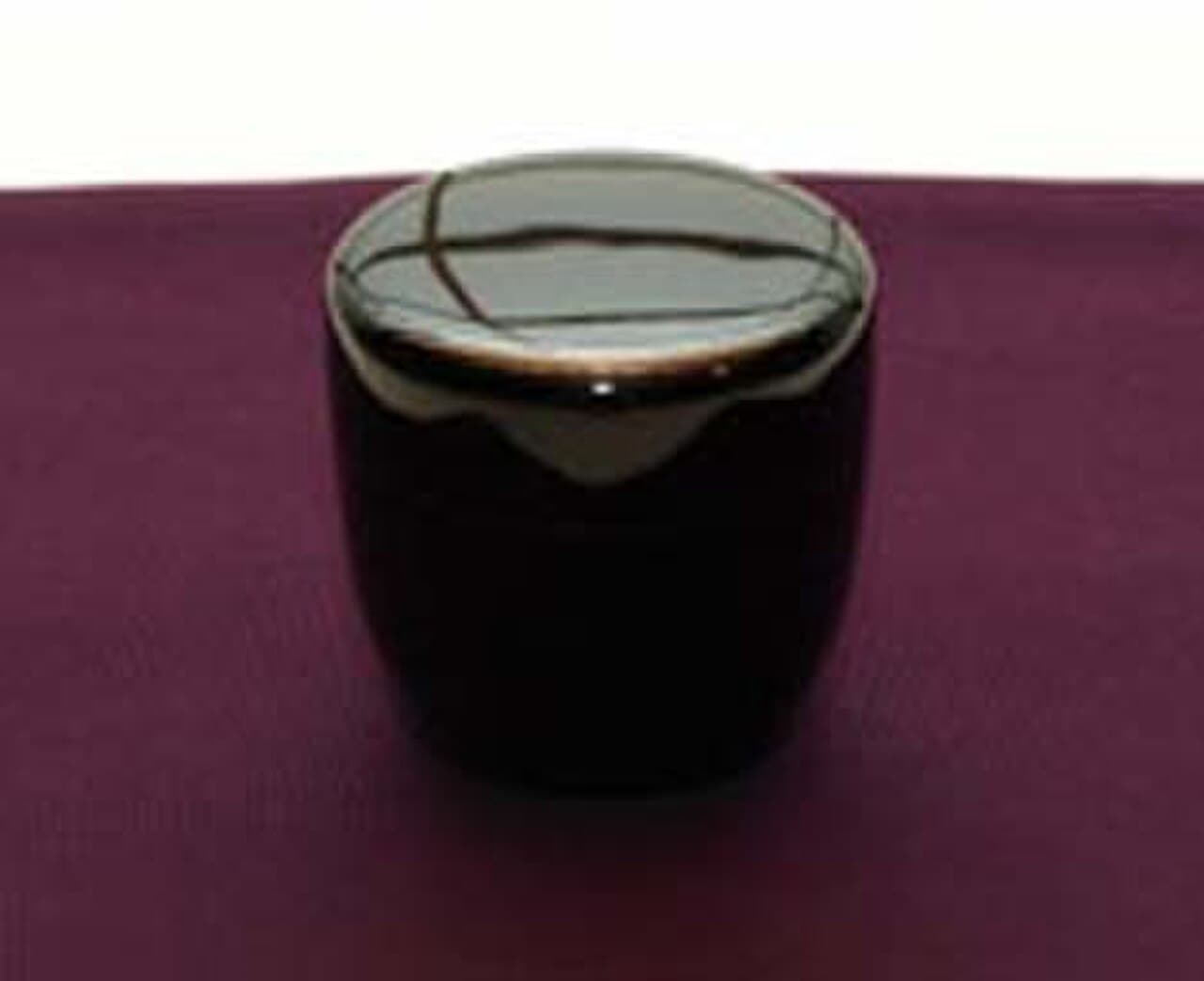
Tea ceremonyKyoto
Tea ceremony in Kyoto — the best English-friendly experiences (and how to book)
Book an English-guided tea ceremony in Kyoto from ¥4,000 per adult (Camellia, 45-minute shared session) or ¥5,000 with kimono (MAIKOYA, about 90 minutes), as of September 2026 — plus the few manners that matter.
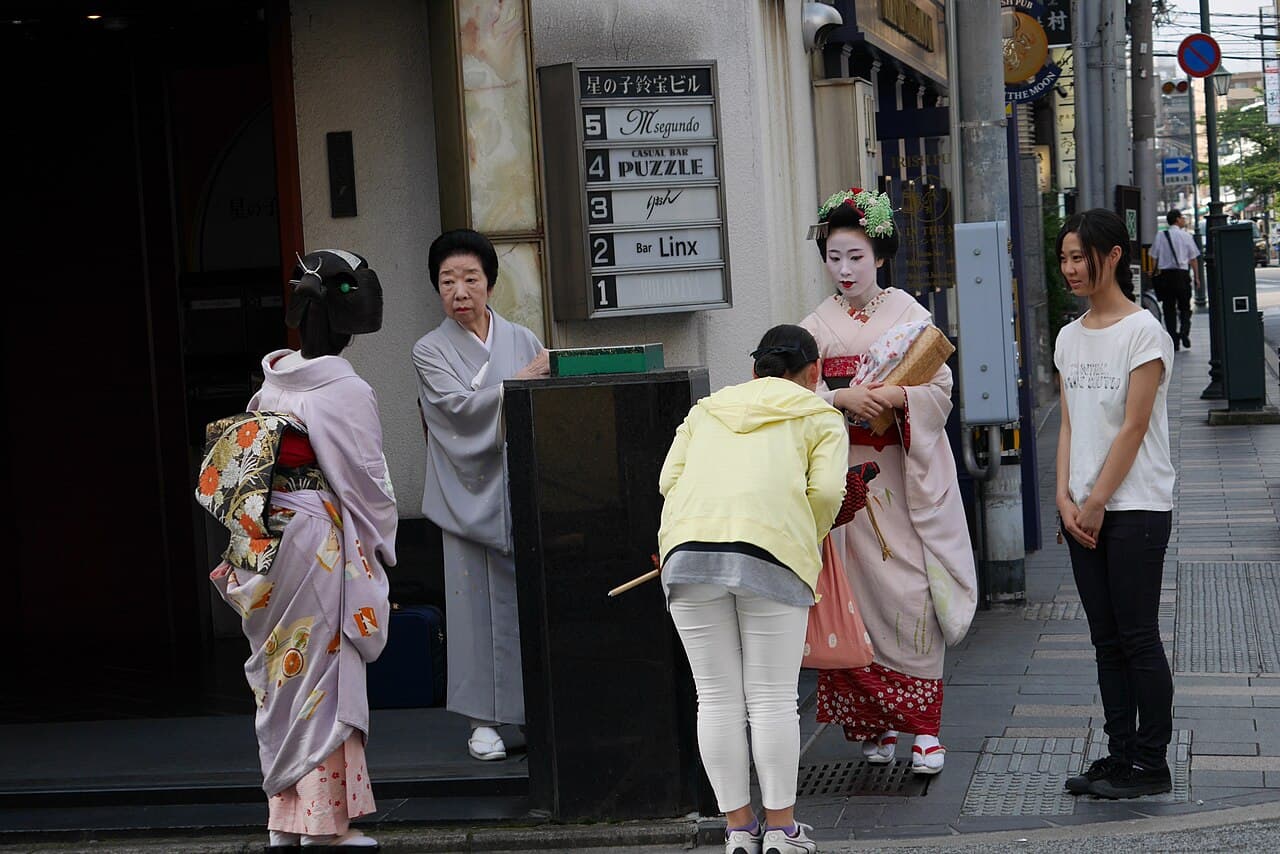
Geisha cultureKyoto
Geisha & maiko experience in Kyoto — meet one the right way (and how to book)
How to meet a real Kyoto geisha or maiko respectfully: English-friendly tea ceremonies and dinners in Gion, honest prices, the street etiquette that matters, and how to book.
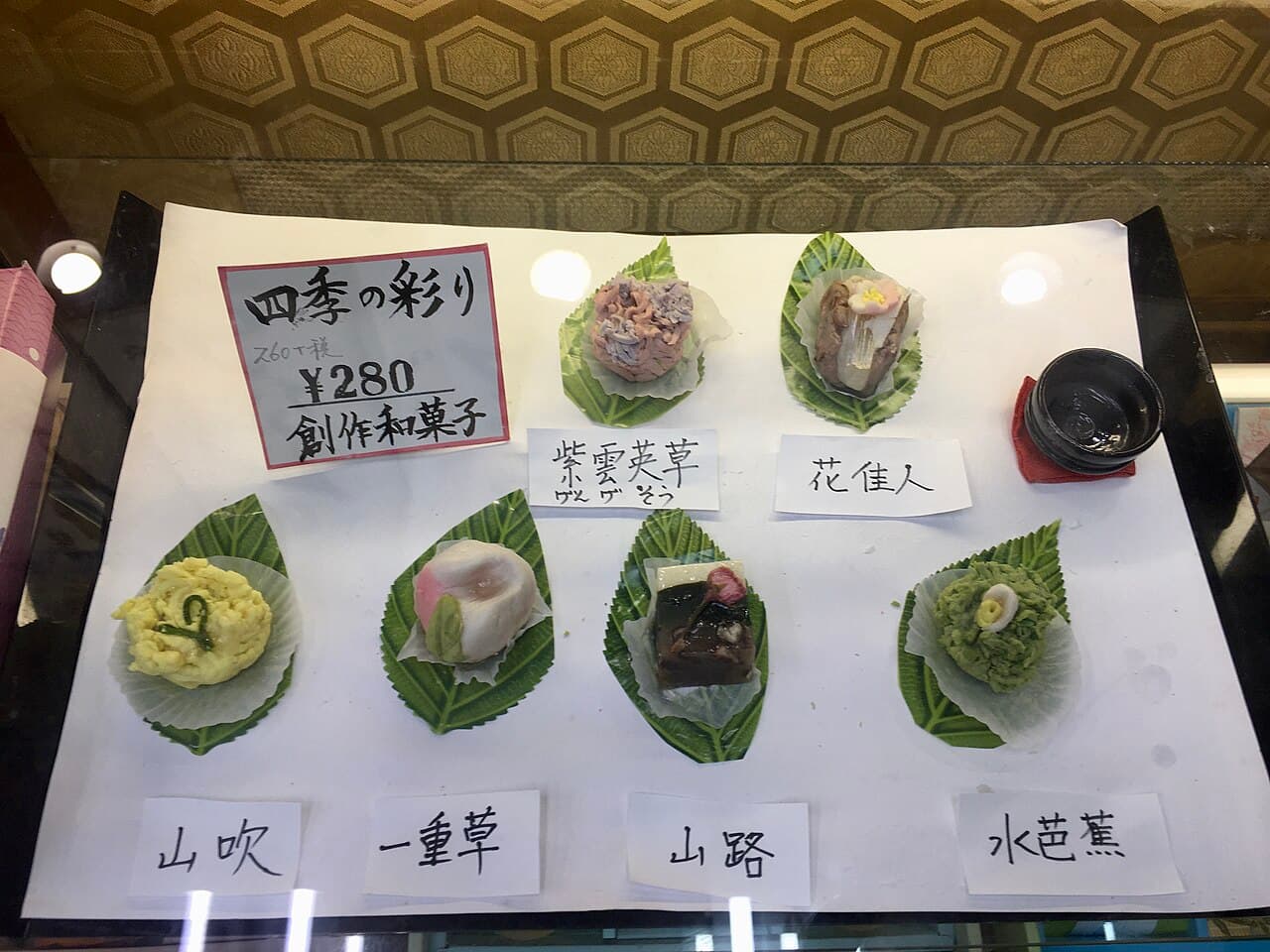
Wagashi makingKyoto
Wagashi making class in Kyoto — sculpt seasonal nerikiri sweets, English-friendly (and how to book)
Where to take a wagashi (nerikiri) making class in Kyoto — English support, honest prices from ¥3,700, what you actually make, real booking links, and how to pair it with a tea ceremony.