
Nara Cultural Experiences: Kimono, Tea Ceremony & Sumi Ink-Making Compared
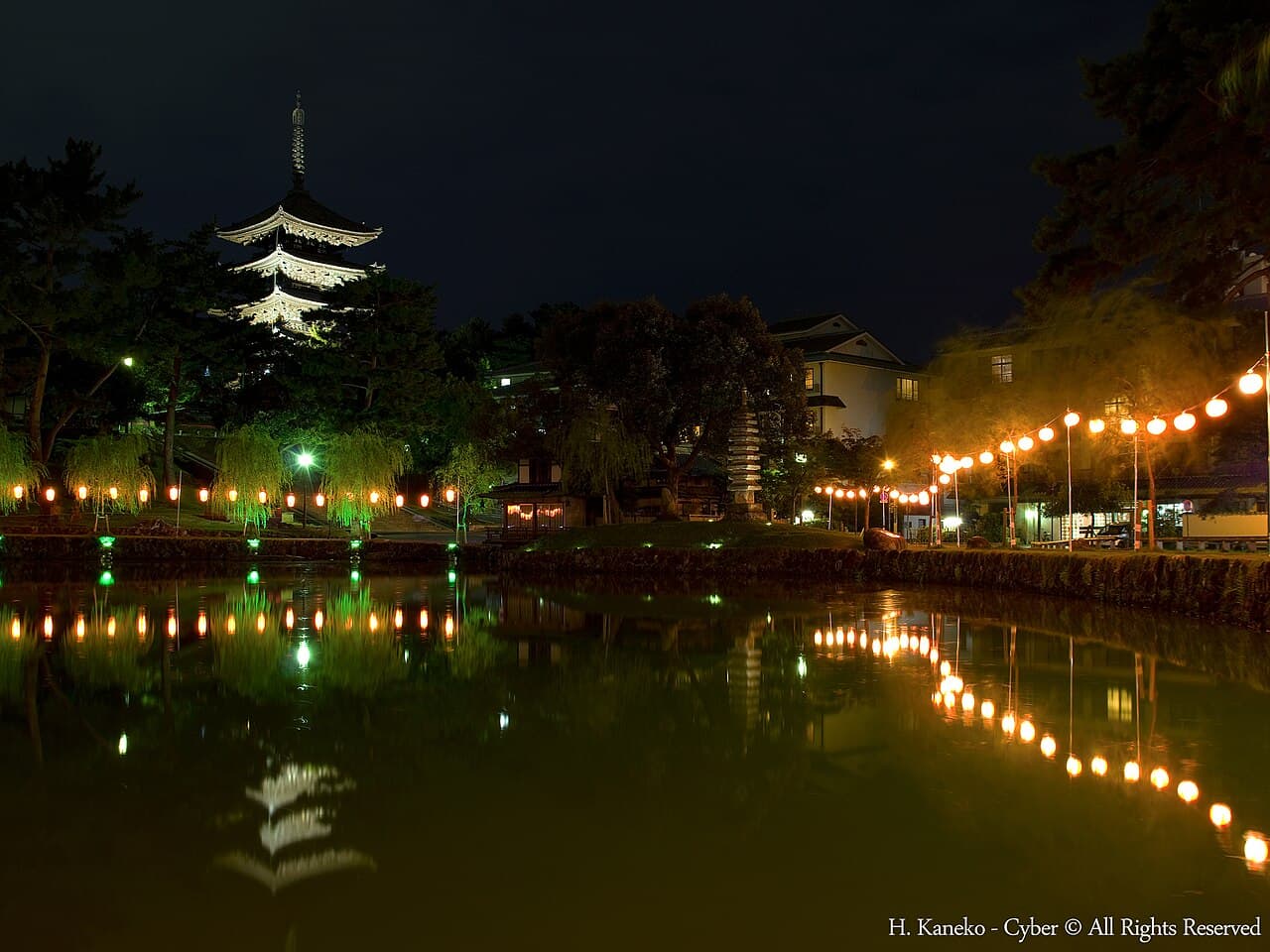
Nara is the most walkable base in Japan for stacking more than one cultural experience into a single day, because Todaiji, Nara Park, Kasuga Taisha and both train stations sit within roughly a 15-minute walk of each other. That density is really the point of this guide: unlike Kyoto's cultural experiences or Osaka's cultural experiences, which are spread across a much bigger city and usually mean committing a whole day to one neighborhood, Nara lets you rent a kimono in the morning, sit down for hand-pressed ink-making at lunchtime, and finish with matcha in a centuries-old teahouse — all on foot, all before the afternoon deer crowds peak. For the national overview of what's worth booking anywhere in the country, start with Best Cultural Experiences in Japan. This page compares only the three Nara-specific experiences we've independently verified.
The quick comparison
| Experience | Price | Duration | Area | Best for |
|---|---|---|---|---|
| Kimono Rental — Waplus Nara | ¥12,000 all-inclusive (kimono, obi, bag, zori, tabi, luggage storage) | Dressing 40–70 min; worn all day until evening return | Near JR/Kintetsu Nara stations | First-timers who want a guaranteed English online booking |
| Kimono Rental — Enishiya | From ¥6,500; couples set ¥11,000 for two; summer-only yukata ¥4,800 | Dressing 40–70 min; worn all day until evening return | By Yakushido, an easy walk to Todaiji/Nara Park/Kasuga Taisha | Budget-conscious travelers and couples |
| Sumi Ink-Making — Kinkoen | ¥3,300 per adult (¥1,650 for high-school age and younger) | 30–40 minutes | Sanjo-dori, central Nara — 3 minutes from JR Nara Station | Craft lovers and anyone wanting a genuinely small, packable souvenir |
| Tea Ceremony — Isuien Garden (independent) | About ¥2,400 total (¥1,200 garden admission + ¥1,200 matcha, paid separately) | As long as you like — no reservation, sit when a table is free | Isuien Garden, beside Todaiji's Nandaimon gate | Casual first-timers and budget travelers who don't want formal ceremony pressure |
| Tea Ceremony — Isuien Garden (guided) | From ¥12,375 per person | About 2 hours | Isuien Garden | Visitors who want an English-speaking guide to walk them through the ceremony |
By budget
If you're keeping the day cheap, Isuien Garden's independent route is the best value in Nara: about ¥2,400 total buys you entry to Nara's finest strolling garden — two ponds linked by a footpath, with a 'borrowed scenery' view of Todaiji's Nandaimon gate and Mt. Wakakusa — plus a bowl of matcha at Sanshu-tei, a former Edo-period merchant's teahouse moved onto the grounds. There's no reservation and no formal ceremony etiquette to worry about; you simply pay for the garden, then pay again for tea when a table opens up. Kinkoen's sumi ink-making session is the next-cheapest fixed activity at ¥3,300 (half price, ¥1,650, for students), and unlike the tea garden it comes with a physical object to take home — a stick of ink you shaped yourself. Kimono rental has the widest price range of the three: Enishiya's ¥6,500 base plan undercuts Waplus by nearly half, and its ¥11,000 couples set and ¥4,800 summer yukata plan are worth checking if you're traveling as a pair or visiting in the hotter months. Waplus, at ¥12,000, is the priciest single option here, but the price is genuinely all-inclusive — kimono, obi, bag, zori, tabi and luggage storage — which matters if you don't want to hunt down separate accessory rentals.
By time available
Sumi ink-making is the shortest commitment on this list at 30–40 minutes, which makes it the easiest thing to slot between a Todaiji visit and lunch without reshaping your itinerary. The independent tea ceremony route at Isuien is technically open-ended — you can linger over matcha for five minutes or an hour, since seating is first-come, first-served rather than timed — so it flexes to whatever gap you have. The guided version is a fixed roughly 2-hour block, which is worth planning around rather than squeezing in. Kimono rental is the biggest time investment of the three, not because dressing takes long (40–70 minutes at either shop) but because the whole point is wearing it for the rest of the day until the shop's evening return deadline — factor that into how you plan the hours after dressing, since you'll be walking Nara Park and Todaiji in kimono rather than street clothes.
By who it's for
First-time visitors who want one simple, low-risk booking should look at Waplus Nara: the appeal is a guaranteed English online booking system and two locations right by the stations, so there's little room for a language mix-up on the day. Couples and anyone watching the budget are better served by Enishiya, whose from-¥6,500 pricing and dedicated couples set make it the more economical route to the same Nara Park photos, and its location by Yakushido puts you closer to Todaiji from the start. If you're the kind of traveler who reads plaques and likes knowing the history behind a craft, Kinkoen's ink workshop stands out — Nara Prefecture still produces roughly 95% of Japan's solid sumi ink, and this 150-year-old family workshop is one of the few left that lets visitors knead and press the ink themselves while it's still warm, rather than just watching a demonstration. For a first taste of Japanese tea culture without committing to the etiquette of a full tea ceremony, Isuien's independent matcha service is the least intimidating entry point in Nara; if you'd rather have the ritual explained properly, the 2-hour guided tour with an English-speaking host is the better fit. Anyone curious about the etiquette itself, in Nara or elsewhere, can check tea ceremony etiquette — though it's worth noting Isuien's casual matcha service specifically doesn't require you to know it.
Combining more than one in a day
Because all three cluster within about 15 minutes' walk of Todaiji, a realistic day looks like: dress in kimono first thing at either shop, walk through Nara Park and Todaiji in it, stop at Kinkoen on Sanjo-dori for a 30–40 minute ink session on the way back through town, then finish at Isuien Garden next to Todaiji's Nandaimon gate for matcha before returning your kimono in the evening. The only hard constraint is Kinkoen's booking cutoff — reserve by 9 PM the day before — so lock that in first and build the rest of the day around it. If you're still deciding whether kimono rental is worth the money at all versus just sightseeing in your own clothes, our broader kimono rental worth-it guide walks through the trade-offs city by city.
FAQ
- What's the best single cultural experience to do in Nara if I only have time for one?
- It depends on budget and interest. For a low-cost, no-reservation taste of tea culture with a great garden view, Isuien's independent matcha service (about ¥2,400 total) is the easiest entry point. For a full-day photo experience walking Nara Park and Todaiji, kimono rental from either Waplus (¥12,000 all-inclusive) or Enishiya (from ¥6,500) is the most memorable. For something short and craft-focused, Kinkoen's 30–40 minute sumi ink-making session (¥3,300) is a quieter, more unusual option.
- Do I need to book these Nara experiences in advance?
- It varies by experience. Kinkoen's sumi ink-making requires reserving by 9 PM the day before. Waplus Nara's kimono rental offers 24-hour English online booking. Isuien Garden's independent matcha service needs no reservation at all — you simply pay for garden admission and tea and sit when a table is free, though the guided 2-hour tea ceremony tour (from ¥12,375) should be booked ahead.
- Can I do kimono rental, sumi ink-making, and tea ceremony all in one day in Nara?
- Yes — all three sit within about a 15-minute walk of Todaiji, so a realistic order is: dress in kimono first, walk Nara Park and Todaiji, stop at Kinkoen on Sanjo-dori for a 30–40 minute ink session, then finish with matcha at Isuien Garden beside Todaiji's Nandaimon gate before returning your kimono in the evening.
Try it yourself
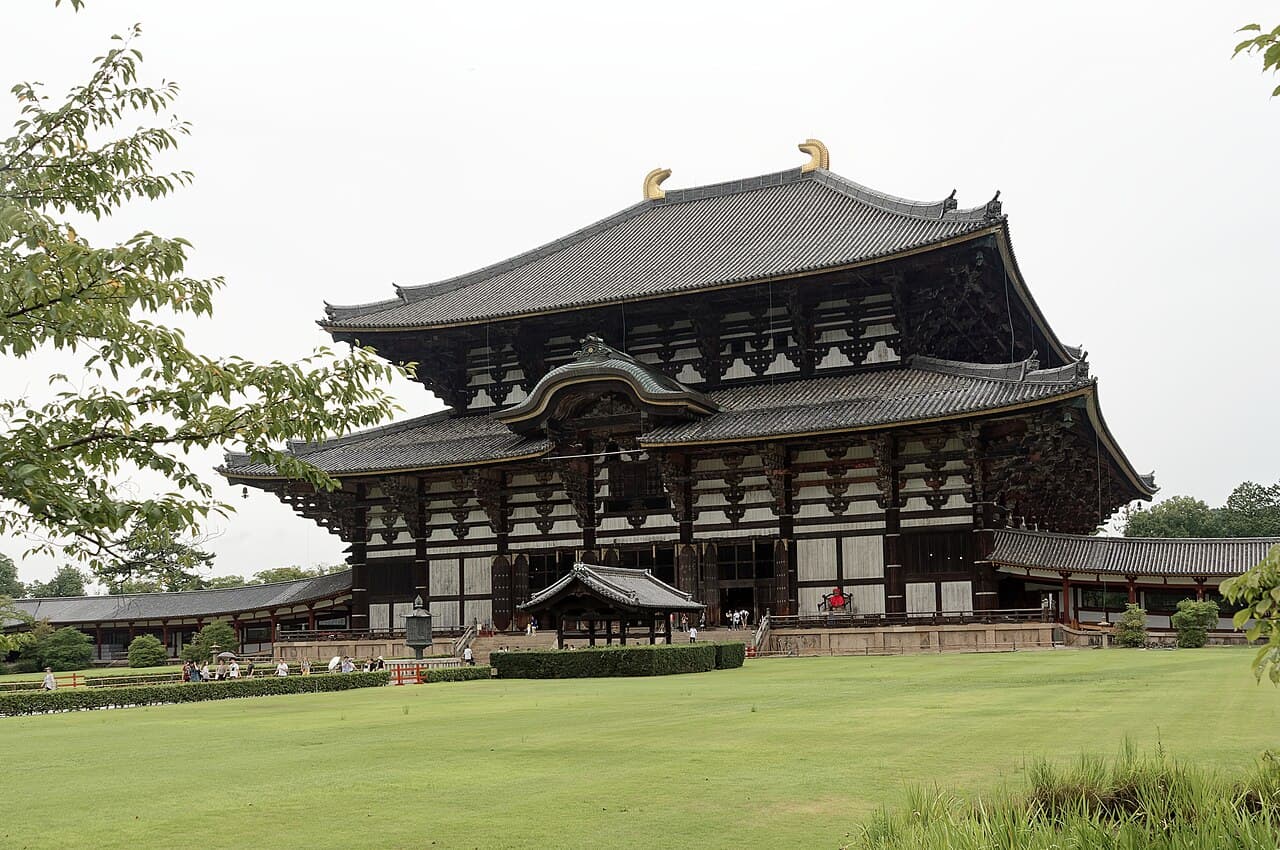
Kimono rentalNara
Kimono Rental in Nara — comparing the two English-friendly shops (and how to book)
Compare Nara's two English-friendly kimono rental shops — Waplus (from ¥12,000, all-inclusive, instant online booking) and Enishiya (from ¥6,500, steps from Todaiji) — with real prices and direct booking links.
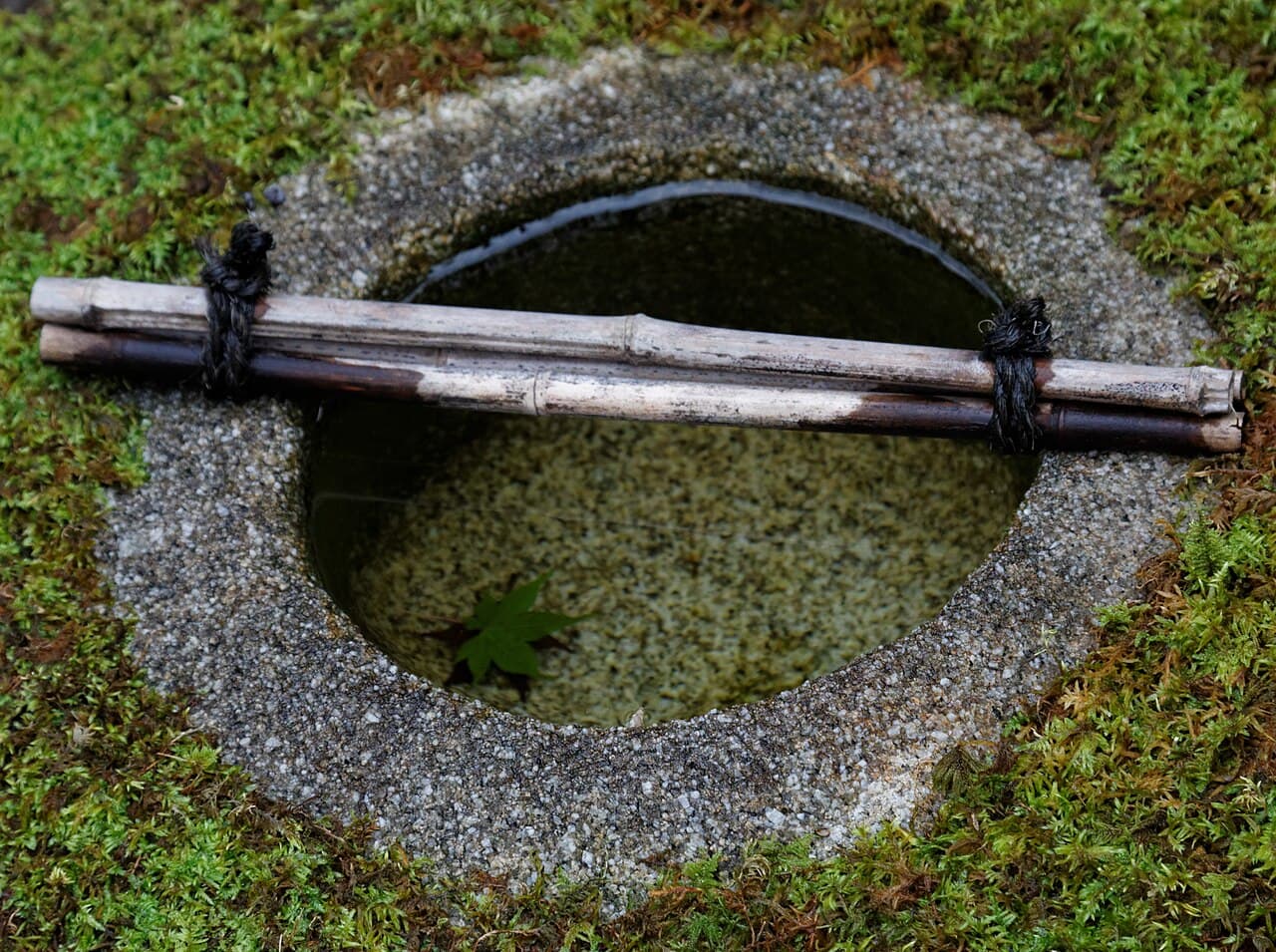
Tea ceremonyNara
Tea Ceremony in Nara — Isuien Garden's Sanshu-tei Teahouse (walk-in or guided, book)
Two ways to do tea ceremony in Nara: an informal ¥1,200 matcha at Isuien Garden's Sanshu-tei teahouse (no booking needed), or a 2-hour English-guided garden-and-tea tour from ¥12,375 — with real prices and booking links for both.
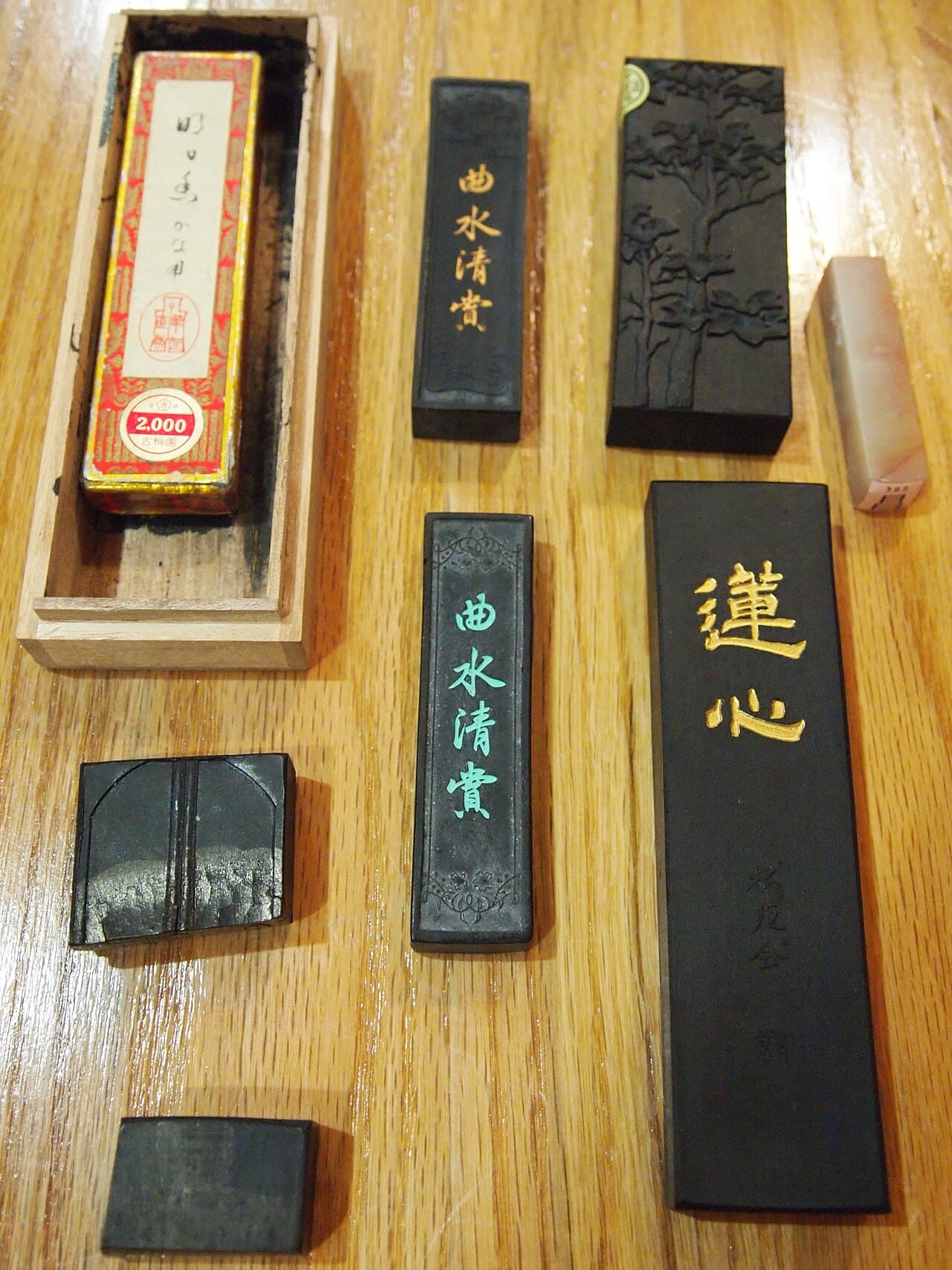
Sumi inkNara
Sumi Ink-Making in Nara — Kinkoen's 150-Year Workshop (book direct)
Hand-press your own stick of Nara ink at a 150-year-old family workshop in central Nara — ¥3,300, 30–40 minutes, a paulownia box to take it home in, and a direct booking link.