
What is a Japanese tea ceremony? Chanoyu explained for first-timers
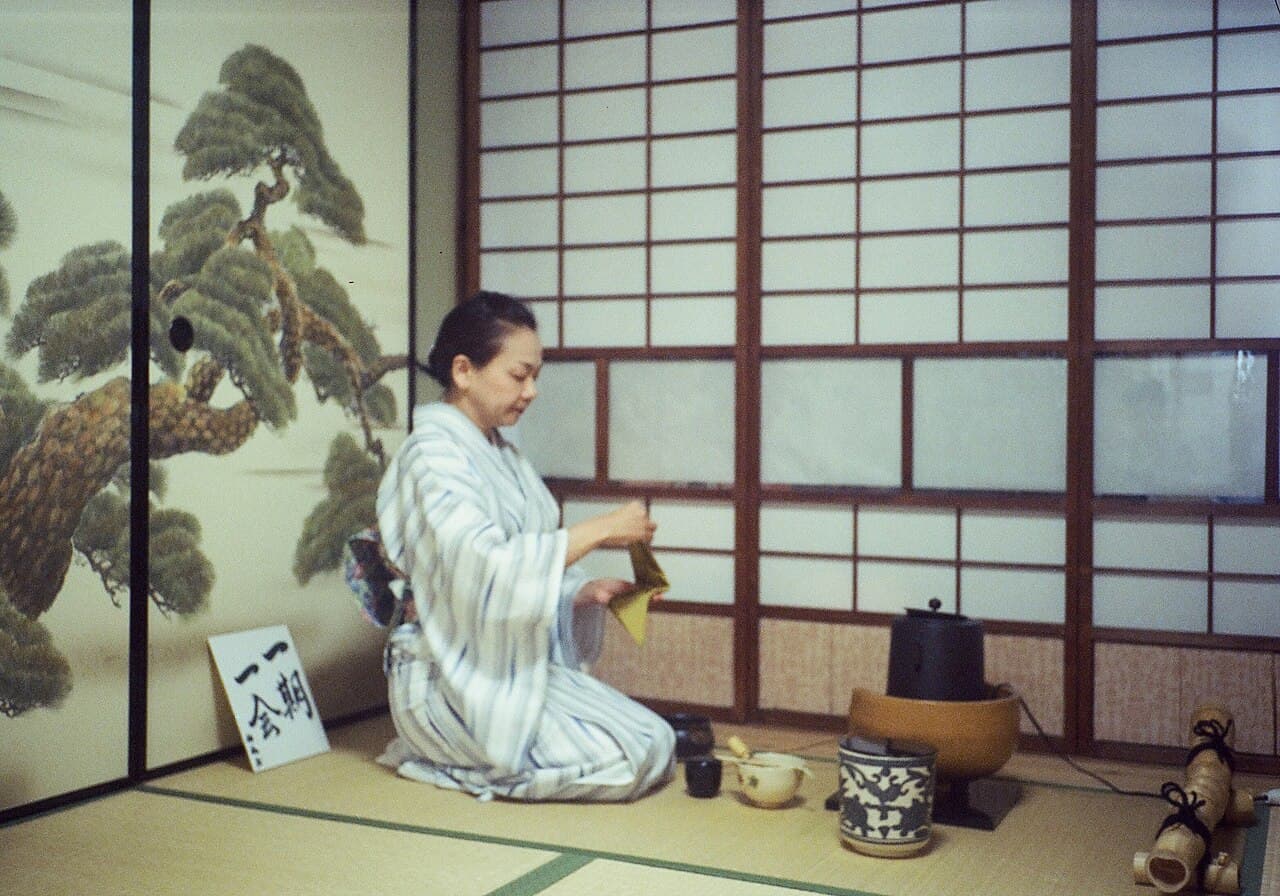
The one-line answer
A Japanese tea ceremony (chanoyu, 茶の湯) is a choreographed ritual of preparing and serving powdered green tea — matcha — to guests. It is not simply about drinking tea: it is an art form where every movement, utensil, flower and pause is chosen with care. The broader lifelong discipline behind it is called sado or chado (茶道), “the way of tea.”
Where it comes from: Zen and Sen no Rikyu
Powdered tea arrived from China with Zen Buddhist monks, who drank it to stay alert during meditation. Over centuries the practice grew into a refined social and spiritual art. Its most important figure is Sen no Rikyu (千利休, 1522–1591), the tea master who shaped the wabi-cha aesthetic — a pared-down, humble style that finds beauty in rustic simplicity rather than luxury. Rikyu favored small, plain tea rooms, rough hand-made bowls and an atmosphere of quiet attention. Much of the etiquette, design and spirit followed today traces back to him, and the three main schools — Omotesenke, Urasenke and Mushakojisenke — descend from his family line.
This spirit is closely tied to wabi-sabi, the aesthetic of imperfection and impermanence — the tea room is one of its clearest living expressions.
The four principles: wa-kei-sei-jaku
The heart of the practice is often summed up in four ideals attributed to Rikyu — wa-kei-sei-jaku (和敬清寂):
- Wa (和) — harmony: being in tune with the other guests, the host and the season.
- Kei (敬) — respect: treating every person and object with sincere regard.
- Sei (清) — purity: keeping the body, mind and space clean and uncluttered.
- Jaku (寂) — tranquility: the calm, settled state that arises once the first three are present.
A related idea you will often hear is ichigo ichie (一期一会), “one time, one meeting” — the reminder that this exact gathering, with these people, will never happen again, so it deserves your full presence.
What actually happens
A gathering takes place in a tea room (chashitsu), often a small, spare space with tatami mats and an alcove called the tokonoma holding a hanging scroll and a single seasonal flower. Water is heated in an iron kettle (kama) over a hearth.
The basic flow guests experience:
- Guests enter quietly, admire the scroll and arrangement, and are seated.
- A small seasonal sweet (wagashi) is served and eaten before the tea — its sweetness balances the tea’s slight bitterness.
- The host cleanses the utensils with deliberate, practiced movements, then places matcha in the bowl (chawan) using a slender bamboo scoop (chashaku).
- Hot water is ladled in and the tea is whisked to a froth with a bamboo whisk (chasen).
- The bowl is presented to the guest, who bows, turns it slightly to avoid drinking from its “front,” drinks, and may then admire the bowl itself.
Every item — the kettle, scoop, whisk and bowl — is appreciated as part of the experience, and the choice of utensils reflects the season and occasion.
Thick tea vs thin tea: koicha and usucha
There are two ways the tea itself is served:
- Usucha (薄茶) — “thin tea”: lighter, frothy and slightly bitter, made with less matcha. This is what most short, visitor-friendly sessions serve, and each guest gets their own bowl.
- Koicha (濃茶) — “thick tea”: a much more concentrated, almost syrupy preparation using more matcha and less water. It is the more formal, solemn high point of a full ceremony, and a single bowl is traditionally shared among the guests.
First-timers almost always meet usucha; koicha appears in longer, formal gatherings.
Experience it for yourself
Reading about chanoyu only goes so far — the slow gestures, plain bowl and shared quiet make sense once you are in the room. The easiest place to start is Kyoto, where many tea houses offer short, English-friendly sessions you can book in advance:
- Choose a session and see what to expect in our guide to a tea ceremony in Kyoto.
- Walk in confident by reading tea ceremony etiquette first — how to bow, handle the bowl and behave as a guest.
- Go deeper into the aesthetic behind it with what is wabi-sabi.
- Kyoto isn't the only city with a bookable ceremony: compare Tokyo, Osaka, Kanazawa, Nara, Miyajima and Hakone — each guide verifies its own venue, price and booking route rather than assuming Kyoto's applies everywhere.
Hungry for the food side of matcha — wagashi sweets, matcha desserts and where to taste them? Our sister site Umami Hunt covers Japan’s food culture.
FAQ
- What is a Japanese tea ceremony?
- It is a choreographed ritual of preparing and serving powdered green tea (matcha) to guests. Far more than 'drinking tea,' it is an art form rooted in Zen Buddhism in which every gesture, utensil and moment is considered. A small seasonal sweet (wagashi) is usually served first, followed by the whisked tea.
- What is the difference between chanoyu, sado and chado?
- They overlap. 'Chanoyu' (茶の湯, literally 'hot water for tea') usually refers to the gathering or practice of serving tea itself. 'Sado' and 'chado' are two readings of the same characters 茶道, 'the way of tea' — the broader discipline and lifelong path of study. In everyday English all three are often translated simply as 'tea ceremony.'
- Who invented the tea ceremony?
- No single person invented it, but Sen no Rikyu (1522-1591) is regarded as its greatest master. He refined the spirit of 'wabi-cha' — a pared-down, humble style emphasizing rustic simplicity — and shaped much of the etiquette, aesthetics and architecture still followed today. Three schools (Omotesenke, Urasenke, Mushakojisenke) descend from his line.
- What are the four principles of the tea ceremony?
- Wa-kei-sei-jaku (和敬清寂): harmony (wa), respect (kei), purity (sei) and tranquility (jaku). Attributed to Rikyu, these four ideals describe the spirit a host and guests bring to a gathering — being in tune with one another and the season, treating people and objects with respect, keeping body and space clean, and reaching a calm, settled mind.
- How can I experience a tea ceremony as a tourist?
- Many tea houses, temples and cultural centers — especially in Kyoto — offer short, English-friendly sessions for visitors, often 45 to 90 minutes and bookable in advance. See our guides to a tea ceremony in Kyoto and tea ceremony etiquette to choose one and know what to expect.
- What is the difference between koicha and usucha?
- Usucha (薄茶, 'thin tea') is lighter and frothy, made with less matcha, and each guest gets their own bowl — this is what almost every short visitor session serves. Koicha (濃茶, 'thick tea') is a far more concentrated, almost syrupy preparation using more matcha and less water, and a single bowl is traditionally shared among the guests. Koicha is the solemn high point of a full formal gathering, not something a first-timer will usually meet.
Try it yourself
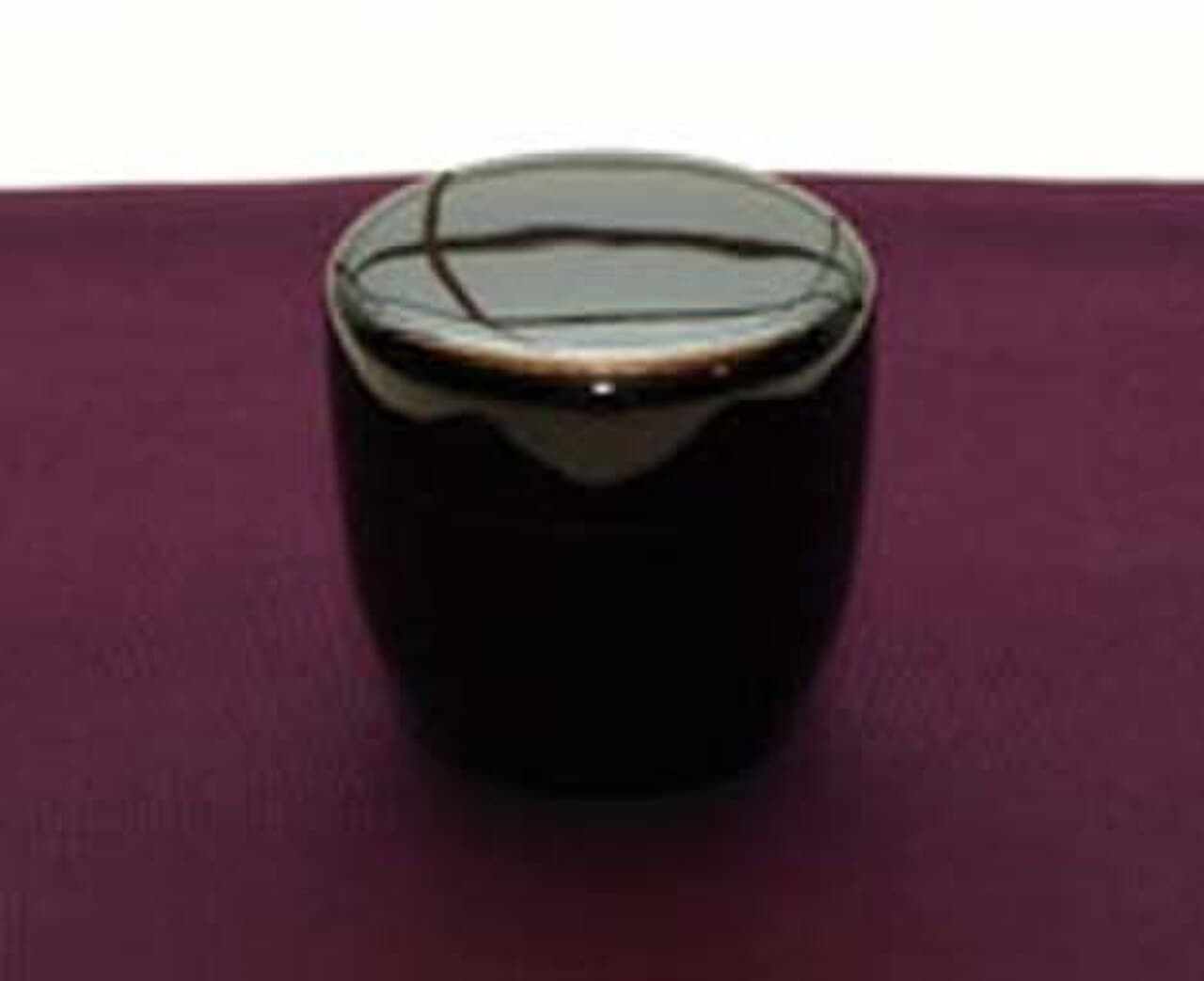
Tea ceremonyKyoto
Tea ceremony in Kyoto — the best English-friendly experiences (and how to book)
Book an English-guided tea ceremony in Kyoto from ¥4,000 per adult (Camellia, 45-minute shared session) or ¥5,000 with kimono (MAIKOYA, about 90 minutes), as of September 2026 — plus the few manners that matter.
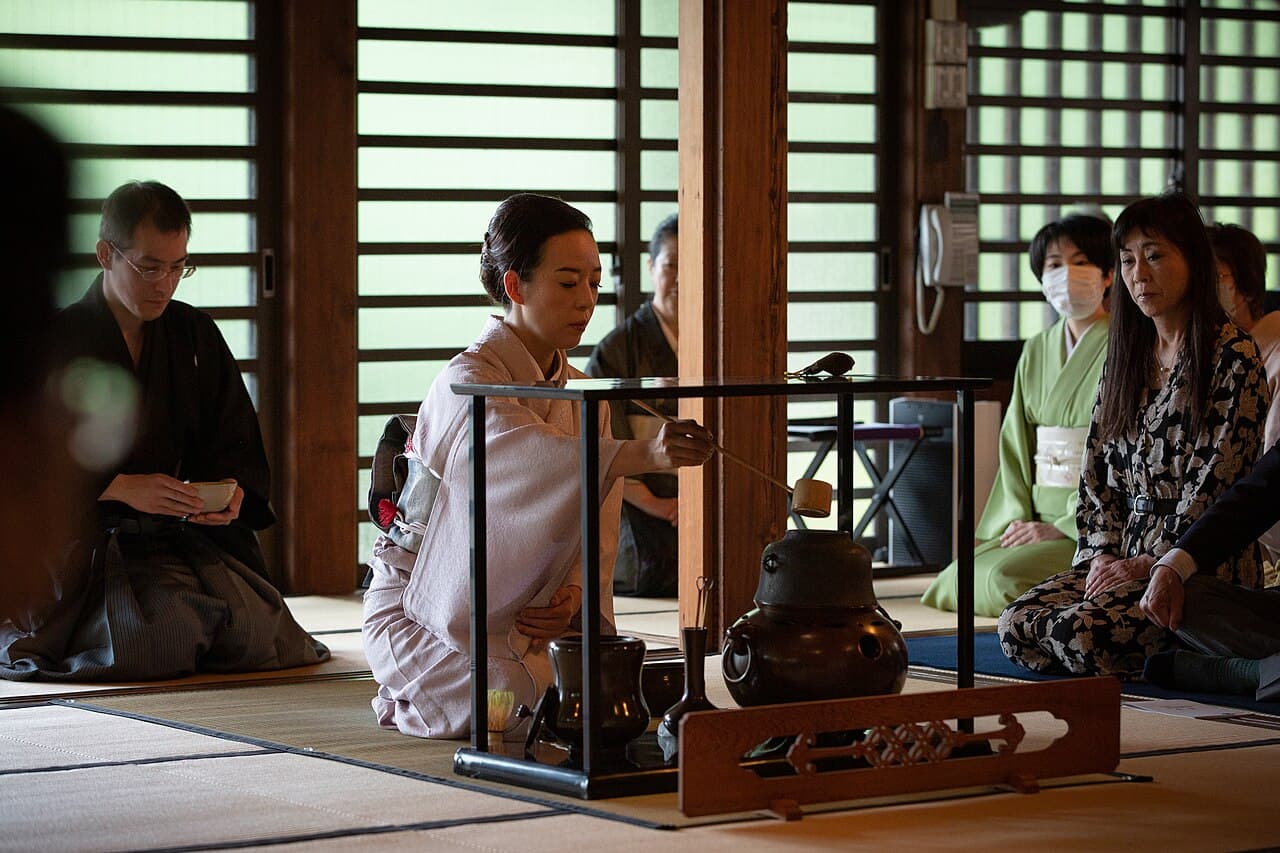
Tea ceremonyTokyo
Tea ceremony in Tokyo — English-friendly tea rooms in Ginza, Shibuya & Asakusa (and how to book)
Where to experience a tea ceremony in Tokyo with English guidance — honest prices (from about ¥3,500), how long it takes, what actually happens, kimono options, and real booking links for Ginza, Shibuya and Asakusa.
Tea ceremonyOsaka
Where Can You Do a Tea Ceremony in Osaka? English Options, Prices & How to Book
Real tea ceremonies in Osaka's Dotonbori district — from ¥3,900, English-speaking instructors, book direct, via GetYourGuide, or Viator.