
Tokyo
Every tradition within reach — calligraphy, sushi, zazen, sake.
21Experiences & guides¥100+Lowest listed priceEnglish-friendly
Experiences in Tokyo · 体験All cities →
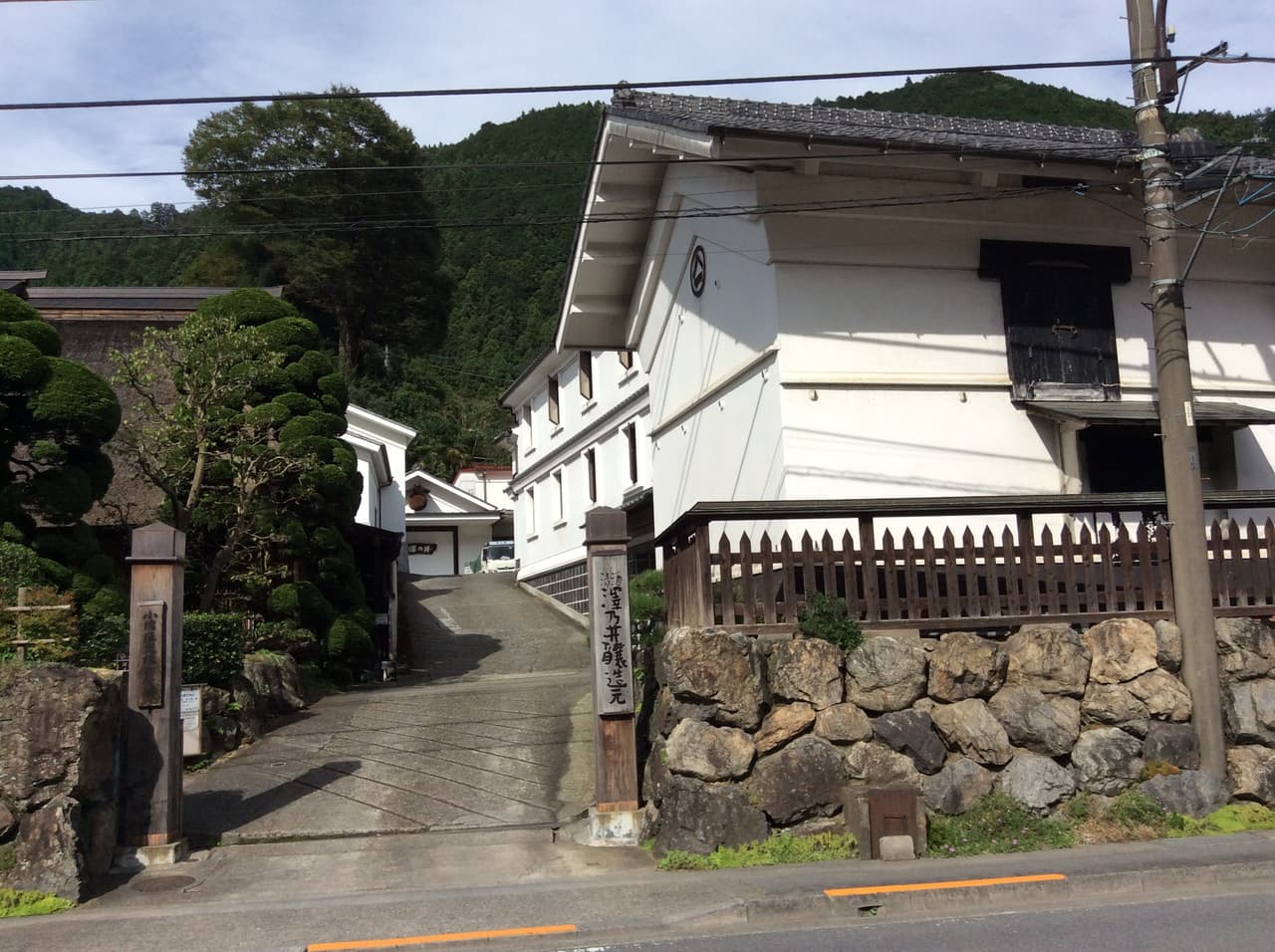
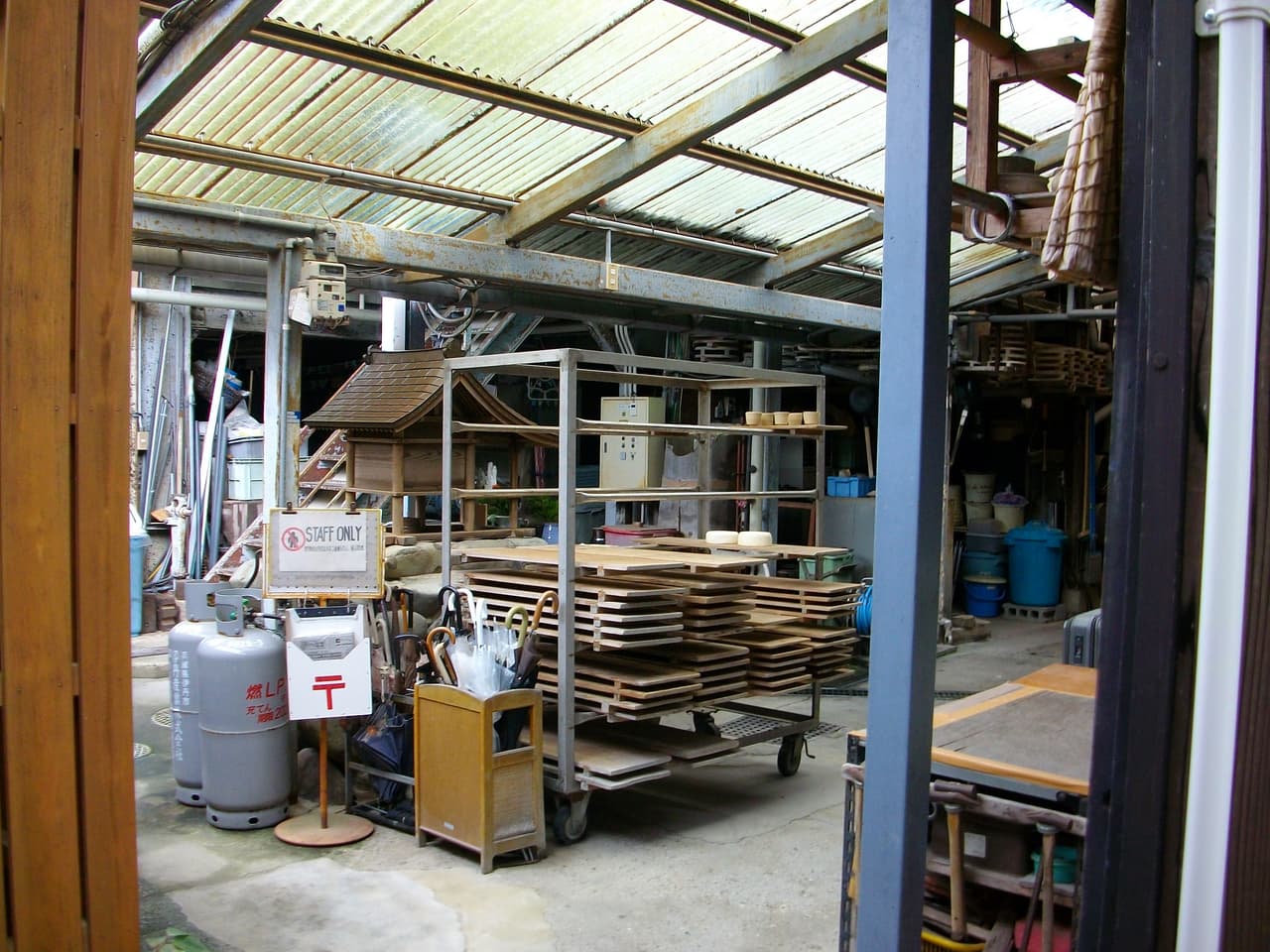
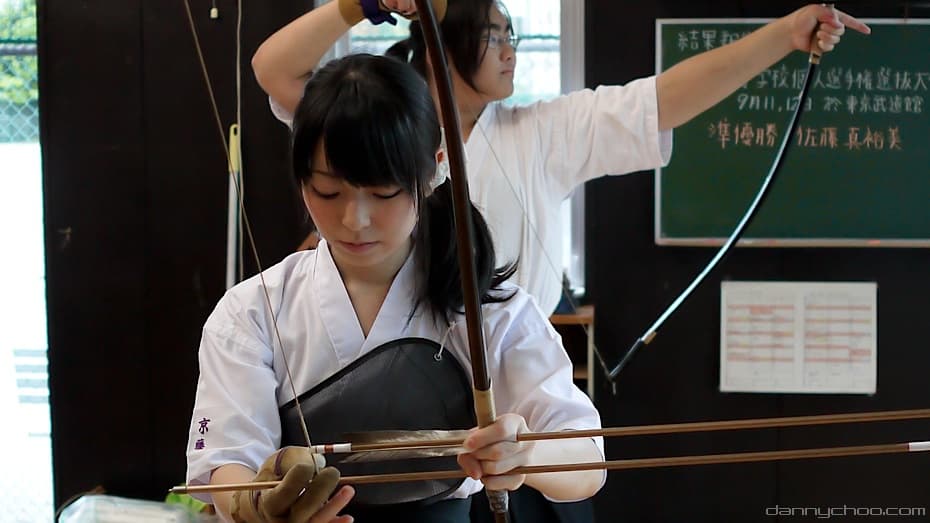
Sake tastingSake Tasting in Tokyo: Breweries, English Tours, Prices & BookingTokyo's working sake breweries are an hour west on the Ome line — one of them runs in English — while the centre pours from ¥100 a cup with no booking at all.Free entry and from ¥100 a cup at the Japan Sake and Shochu Information Center; ¥700 for the Sawanoi brewery tour (Japanese; free under 20); ¥3,000 for Ishikawa Brewery's English tour; ¥1,500–¥3,800 at SAKE MARKETPotteryPottery Class in Tokyo in English — Prices, and Whether Your Piece Can Follow You HomeTokyo has three studios that will teach you pottery in English — but none of them hands you a finished bowl that day, and only two of them will post it to you abroad.From ¥3,960 pp plus a per-piece firing fee (Uzumako, 1 hr); ¥4,400 for a one-day lesson (Ray Ceramic Studio); ¥12,000–15,000 pp firing included (Atelier Little, 2.5 hrs) — as of 2026-09-23Martial artsKyudo experience in Tokyo — the 28-metre range from ¥16,000, and the half-bow one that isn't kyudoFull 28-metre kyudo in an official Tokyo dojo from ¥16,000 per person with English guiding, or a private 45-minute half-bow session near Hongō-sanchōme from ¥29,900 per group of up to ten — cheap per head for a family, expensive alone.Full kyudo option: from ¥16,000 per person, tax included, covering the guide fee, facility usage fee and rental of a complete equipment set; a hakama can be bought for ¥20,000, cash only and non-cancelable once ordered (operator listing, checked 21 August 2026). Hankyu Dojo Yumiyasan: from ¥29,900 per booking for 1–10 people, taken privately — about ¥7,475 each split four ways, under ¥3,800 split eight ways. Credit card required; no cash payment on the day (operator's own site, checked 21 August 2026).ExperienceSoba making class in Tokyo — English options, real prices, and which one to bookTwo honest routes: a group class in Kappabashi at around US$49 a head where you cut noodles with the big soba knife, or a fully English-language specialist studio priced per group from ¥33,000 for up to three people.Kappabashi group class: about US$48.56 per person as listed on 2026-08-09, up to 15 participants. Tsukiji Soba Academy prices per group, not per head: ¥33,000 for up to three people on the "Just-For-Fun" and "Quick Hands-on" plans (+¥11,000 per extra person), ¥42,900 for the gluten-free plan (+¥14,300), and ¥66,000 for the professional half-day (+¥27,500).Martial artsKendo experience in Tokyo — try the samurai art in armour, in English (price and how to book)Two hours in a real dojo near Uguisudani: put on the armour, learn the strikes, and finish with a tournament-style bout — English instruction, all equipment included, about US$116 per person.About US$116.48 per person on Viator as of 2026-08-09 (the listing prices in US dollars, so the yen figure moves with the exchange rate). The same operator, SAMURAI TRIP, also lists on Klook and GetYourGuide and takes direct reservations; compare all four before booking, because per-channel pricing differs.Zazen meditationZazen in Tokyo — where to sit Zen meditation in English, and what it actually costsPublic zazen sittings in and around Tokyo start at ¥400, several run in English, and most take no reservation at all — the catch is that they run on fixed days, not on demand.From ¥400 at Kōun-ji in Setagaya. ¥500 for Sōji-ji's monthly English beginners' sitting in Tsurumi. ¥1,000 at Tōkōzen-ji in Yokohama, and ¥1,000 plus ¥500 temple admission at Kenchō-ji in Kamakura. Private English-guided sessions at temples that host them commercially cost substantially more — expect several times these figures.Knife-makingJapanese Knife Sharpening & Engraving Workshop, AsakusaIn a 90-minute, fully English workshop at BUB Activity Center in Asakusa (from ¥25,000), you sharpen a pre-forged Japanese kitchen knife on whetstones, fit a magnolia handle with a wooden mallet, and engrave your name to take home.¥25,000 per person booking direct (about $163); Viator, GetYourGuide, and Rakuten Travel Experiences list the same 90-minute class from about $134–165 depending on promotions.ShamisenShamisen Lesson in Tokyo: 45 or 60 Minutes from ¥5,200, Taught in English (Shinjuku)A 45- or 60-minute Tsugaru shamisen trial lesson in Shinjuku taught in English by a two-time world-championship player — ¥5,200–¥6,950 per person, no music experience needed.¥5,200 (45 min) or ¥6,950 (60 min) per person, booked direct with the school; OTA packages that bundle koto and Okinawa sanshin run roughly ¥8,700–¥10,300+ per instrumentBonsaiShunkaen Bonsai Museum — Hands-On Bonsai Class, TokyoPrune and wire your own miniature tree at a working bonsai garden in Edogawa — about ¥13,200 for the roughly 1-hour class (English available), or from ¥38,000 for a 100-minute private lesson with tea ceremony.¥13,200 (tax included; ¥12,000 + tax on the museum's own listing), including museum admission, for the ~1-hour class. From ¥38,000 per person for the 100-minute private class with tea ceremony (Wabunka).Martial artsSumo Experience in Tokyo — the Best English-Friendly Shows & Stable Visits (and How to Book)From an ¥11,000 tonkatsu-and-chanko lunch show in Ryogoku to a private morning practice at a real stable, here's every English-friendly way to see — or try — sumo in Tokyo, honestly compared with real prices, reviews and booking links.From ¥11,000 per person for a lunch show (Ryogoku); ¥16,000–¥27,000+ for dinner shows with chanko nabe or kaiseki (Asakusa/Ginza); about $75 for a 90-minute Shinjuku show; private stable visits are quote-only (as of July 2026)OrigamiOrigami class in Tokyo — English-friendly options from ¥1,100 (and how to book)Real, English-friendly origami classes across Tokyo at every budget — from a ¥1,100 drop-in mini lesson at a 160-year-old paper institute in Ochanomizu to a private 1.5-hour session with a local instructor in Shinjuku — with honest prices and a direct way to book each.From ¥1,100 per person (as of July 2026)Tea ceremonyTea ceremony in Tokyo — English-friendly tea rooms in Ginza, Shibuya & Asakusa (and how to book)Whisk your own bowl of matcha in a real tea room without leaving Tokyo — English-guided tea ceremonies in Ginza, Shibuya and Asakusa from about ¥3,500, easy to book online.From about ¥3,500 (as of July 2026) for a 45-minute session; kimono plans cost moreTaiko drummingTaiko drumming class in Tokyo — play the big drums, English-friendly (and how to book)Stand behind a real taiko, learn a rhythm phrase by phrase and end up playing a full piece together — an English-friendly, full-body Japanese drumming class in Tokyo.From about ¥15,000 per person for a 60-min group session (3+; solo/duo cost more — confirm the exact current rate on the operator's booking page) or a confirmed ¥16,500 for a 90-min Daikanyama workshop (as of July 2026)Sushi makingSushi making class in Tokyo — press nigiri with a chef, English-friendly (and how to book)Press real nigiri beside a Tokyo sushi chef and eat your own work — English-friendly classes from about ¥13,000, plus Tsukiji market-tour combos for food lovers.From about ¥13,000 for a 1.5-hour class; about ¥17,600 with a Tsukiji market tour (as of July 2026)IkebanaIkebana class in Tokyo — English-friendly lessons at the real schools (and how to book)Arrange seasonal flowers at the real headquarters of Japan's grand ikebana schools — English-taught classes in Tokyo from about ¥5,000, no experience needed.Trial lessons from about ¥5,000–¥6,000 at the grand schools; private-studio workshops from about US$90 (as of July 2026)KintsugiKintsugi class in Tokyo — repair with gold, English-friendly (and how to book)Mend a broken bowl with gold and take it home — a beginner-friendly, English-guided kintsugi workshop in Tokyo, the hands-on heart of wabi-sabi.From about ¥18,000 (≈US$120) for a ~1.5-hour beginner workshopNinjaNinja experience in Tokyo — hands-on, English-friendly (and how to book)Throw real shuriken, train with a katana and move like a shinobi — hands-on, English-guided ninja experiences in Tokyo, from a quick Asakusa museum visit to a full dojo lesson.From ¥3,000 (museum) / ¥10,000 (hands-on ninja lesson)Calligraphy (shodō)Japanese Calligraphy Class in Tokyo: 3 English-Friendly Studios, Prices from ¥7,000 and How to BookAn English-guided shodō (Japanese calligraphy) class in central Tokyo — grind your own ink, learn to hold the brush, and write a kanji on a scroll or fan to take home.From ¥7,000 per person (as of June 2026)SamuraiSamurai experience in Tokyo — English sword classes, prices, and how to bookLearn real samurai sword forms from a trained instructor in English — dress in hakama or armour, and at some studios cut a tatami mat (tameshigiri).From ¥11,000 per adult (¥8,800 per child under 12, tax included) for a guided sword class at SAMURAI EXPERIENCE, bookable from two people (as of September 2026); museum-style sessions vary — confirm on each operator's page.Kimono rentalKimono rental in Asakusa — prices, where to book, and how it worksRent a full kimono steps from Senso-ji, get dressed in under an hour, and walk Asakusa in style — English-friendly shops, honest prices, same-day OK.From ¥2,900–¥6,000 for a same-day plan (kimono, obi, accessories & dressing). Hair styling and next-day return are paid add-ons.SeasonalTokyo Autumn Foliage 2026: Rikugien Illumination, Koishikawa Korakuen, Gaien Ginkgo Avenue & Mt. TakaoWhere to see Tokyo's best autumn color in 2026 — Rikugien's evening light-up, Koishikawa Korakuen's maple-lined pond, the free Meiji Jingu Gaien ginkgo avenue, and Mt. Takao's mountain foliage — with hours, admission and the quiet etiquette that keeps these gardens special.Free (Gaien ginkgo avenue, Mt. Takao trails) to about ¥1,200 (Rikugien evening illumination, same-day ticket); day admission ¥300 at Rikugien / Koishikawa Korakuen; Mt. Takao cable car or lift ¥980 round-trip.
Read before you go · 心得
TokyoTattoo-Friendly Onsen in Ito (2026): Official Policies, Stickers & How to AskTattoo-friendly onsen in Ito, per each facility's own site (2026-09-23): K's House allows tattoos, Laforet allows 2 cover stickers, 5 decline. Phrase card.TokyoKomuroyama Ridge Walk MISORA, Ito: Lift Price, Hours, Access (2026) and Mt. Omuro ComparedKomuroyama Ridge Walk MISORA, Ito: lift 1,000 yen round trip (children 100 yen), 9:30–16:00, free parking, dogs in carriers. Plus a Mt. Omuro comparison.TokyoTokaikan, Ito: Admission, Hours, Onsen Bath Days (2026) and the Spirited Away QuestionTokaikan, Ito: 300 yen, 9:00–21:00, closed 3rd Tuesday. Hot-spring bath on weekends and holidays (500 yen). 7 min from Ito Station. Spirited Away myth checked.TokyoLake Ippeki (Ippekiko) Guide 2026: Bus from Ito, Path Closure, Boats & ParkingLake Ippeki, Ito: a crater lake 36 min by bus from Ito Station. Part of the lakeside path is closed since Oct 2025, so no full loop. Boats, parking, seasons.