
Tokyo Autumn Foliage 2026: Rikugien Illumination, Koishikawa Korakuen, Gaien Ginkgo Avenue & Mt. Takao
The short answer
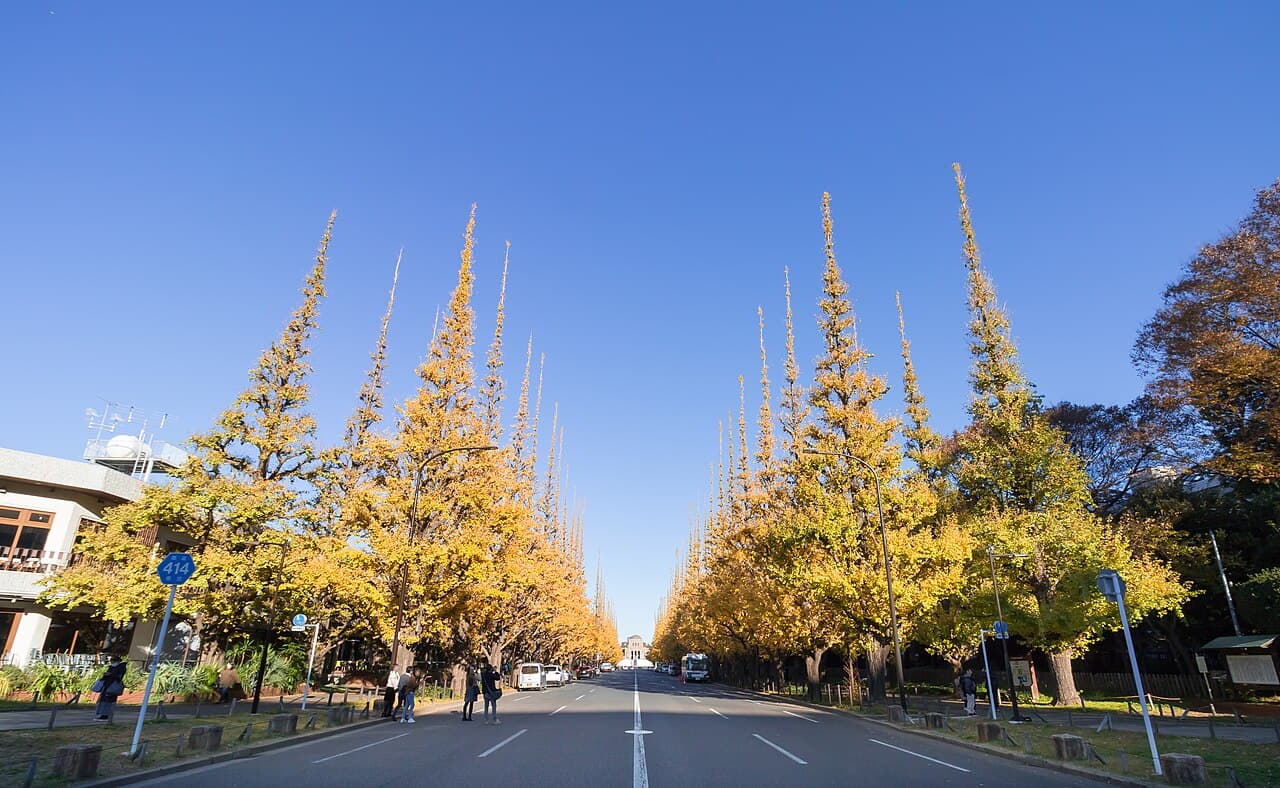
Tokyo's best autumn color usually peaks from mid-November to early December, and four spots make the case for staying in the city rather than chasing the mountains: Rikugien, an Edo-period strolling garden that lights its maples after dark; Koishikawa Korakuen, a quieter daytime garden built around a red-maple-ringed pond; the free, 24-hour Meiji Jingu Gaien ginkgo avenue, 146 trees turning gold in a single, photogenic line; and Mt. Takao, where a cable car and chair lift carry you up into forest color 45 minutes from Shinjuku. None require advance planning beyond checking dates close to your trip - this page has the hours, admission and etiquette for each.
Rikugien - the evening light-up
Rikugien (Bunkyo-ku, Honkomagome) is normally open 9:00-17:00 (adult ¥300, 65+ ¥150, free for elementary-age children and under), but for about two weeks in late autumn it reopens after dark for "Niwa-momiji no Rikugien" - the evening illumination. In 2025 that ran November 28-December 9, 18:00-20:30 (last entry 19:30); dates move slightly each year, so confirm the 2026 schedule on the Tokyo Parks Association site once it's published, usually in autumn. Advance tickets (online) cost ¥1,000, same-day tickets ¥1,200 (cash only, capped per night), children free. Inside, spotlights pick out the maples around the central pond, projection mapping plays across the old storehouse wall, and lotus-shaped lights float on the water - quieter and more atmospheric than a festival, closer to a formal garden after hours.
Koishikawa Korakuen - the daytime classic
A short ride from Rikugien's neighborhood but with no evening hours, Koishikawa Korakuen (Bunkyo-ku, Koraku) is one of only nine gardens in Japan carrying the double designation of Special Historic Site and Special Place of Scenic Beauty. Built in the 1600s around a Kyoto-inspired "borrowed scenery" design, its signature autumn view is the maples framing the Engetsukyo (Full-Moon Bridge). Open 9:00-17:00 (last entry 16:30), adult ¥300, closed only December 29-January 1. Come on a weekday morning if you can - it draws fewer crowds than Rikugien or the ginkgo avenue.
Meiji Jingu Gaien - the free ginkgo avenue
The 300-metre icho namiki running toward the old Meiji Memorial Picture Gallery is Tokyo's most photographed ginkgo avenue: 146 trees, free entry, open around the clock. Color usually peaks in the second half of November. Some recent years have added a short evening light-up (2025: November 22-30, 16:30-19:30) - it isn't an annual guarantee, so treat it as a bonus rather than a plan. Note that the wider Gaien district is under long-term redevelopment; the avenue's trees themselves are being preserved under the revised 2025 plan, but nearby paths and the area around the Picture Gallery can have construction fencing, so check the official Jingu Gaien redevelopment site for current closures before you go. The old food-stall "Icho Matsuri" festival has been on hiatus since 2019 - walk the avenue itself, don't plan around a festival that may not happen.
Mt. Takao - the mountain version
For forest rather than garden color, Mt. Takao is about 45-50 minutes from Shinjuku on the Keio Line to Takaosanguchi Station. A cable car and a two-person chair lift (same fare, ¥980 round-trip / ¥490 one-way as of current pricing) carry you partway up; color moves down the mountain through the season, so the summit turns first (mid-November) and the base last (into early December). Weekends during peak color bring 60-90 minute queues at the cable car between 10:00 and 15:00 - go early on a weekday, or walk one of the marked trails instead.
Quiet etiquette
These are gardens people return to every year, not a one-time photo op, and the etiquette is simple: stay on the paths (stepping onto moss or planted beds damages roots that take years to recover), don't shake branches or pick leaves, and keep tripods and selfie sticks out of narrow walkways so other visitors can pass. At Rikugien's evening event, flash photography of other guests is discouraged and voices carry in the quiet dark - keep them low.
Getting there
- Rikugien: JR/Metro Namboku Line Komagome Station, 7-min walk; or Toei Mita Line Sengoku Station, 10-min walk.
- Koishikawa Korakuen: Metro Marunouchi/Namboku Korakuen Station, or JR/Metro Iidabashi Station, both about an 8-min walk.
- Meiji Jingu Gaien ginkgo avenue: Metro Ginza Line Gaienmae Station, 3-min walk; or Aoyama-itchome Station, 6-min walk.
- Mt. Takao: Keio Line to Takaosanguchi Station (about 45-50 min from Shinjuku), then a 5-minute walk to the cable car base station.
Prices and dates above are current as of mid-2026 reporting; always check the official page for each site before you go, especially for Rikugien's exact 2026 illumination dates and any Gaien construction notices.