
How to book cultural experiences in Japan — Viator vs GetYourGuide vs Klook vs booking direct
The rule that saves you the most trouble
Cancellation and refund terms in Japan are set by the operator, per listing — not by the platform. Two experiences sold on the same site can have completely different rules, and the same experience sold on three sites can have three different prices.
So "which booking site is best for Japan" is the wrong question. Ask instead:
- Does the operator sell direct? If yes, check that price first.
- How far ahead am I booking? Season decides everything.
- What happens if my day slips? This is the question nobody asks until it is too late.
What each channel is actually good at
Viator carries the widest inventory in Japan alongside Klook, and its scale means the reviews are usually numerous enough to be informative. Terms vary widely between listings — the standard is free cancellation up to 24 hours before, but read each one. Its "reserve now, pay later" option is genuinely useful for uncertain itineraries, because a booking you have not paid for is effectively a free hold.
GetYourGuide is rarely the cheapest, but comparison write-ups in 2026 consistently credit it with labelling its terms most clearly up front and processing refunds fastest (typically 5–7 business days, against 7–10 for Viator). It also sells a flexible-booking upgrade for roughly ¥1,000–¥2,000 that extends the cancellation window. If you find the fine print exhausting, this is the channel that makes it least painful.
Klook tends to win on price for mainstream attractions and transport-linked products, and is generous with free cancellation on most listings. Its Asia focus shows: it carries Japanese operators that the Western OTAs miss, and its app is the one most useful for same-week bookings.
Byfood is Japan-specific and food-and-culture focused, with a Tokyo base and a donation attached to each booking. Worth checking for culinary experiences that the big three list thinly.
Rakuten Travel Experiences is the one most foreign travellers never find, and it matters: it carries Japanese operators who never list on Western OTAs. The Shunkaen bonsai class in our Tokyo listings is on Rakuten at ¥13,200 and on no global platform.
Wabunka sits at the premium end — private, English-hosted cultural experiences, often in venues that do not otherwise take visitors. Expensive, and occasionally the only way in.
Airbnb Experiences is variable in Japan. The good listings are individual hosts doing something genuinely personal; the weak ones are repackaged group tours. Read the host, not the title.
Direct with the operator is the option people skip and shouldn't. It is often marginally cheaper, it is always the operator's own terms, and it is sometimes the only channel — many working ateliers take bookings by email or phone with a few days' notice and settle in cash on the day.
Compare the same experience across channels
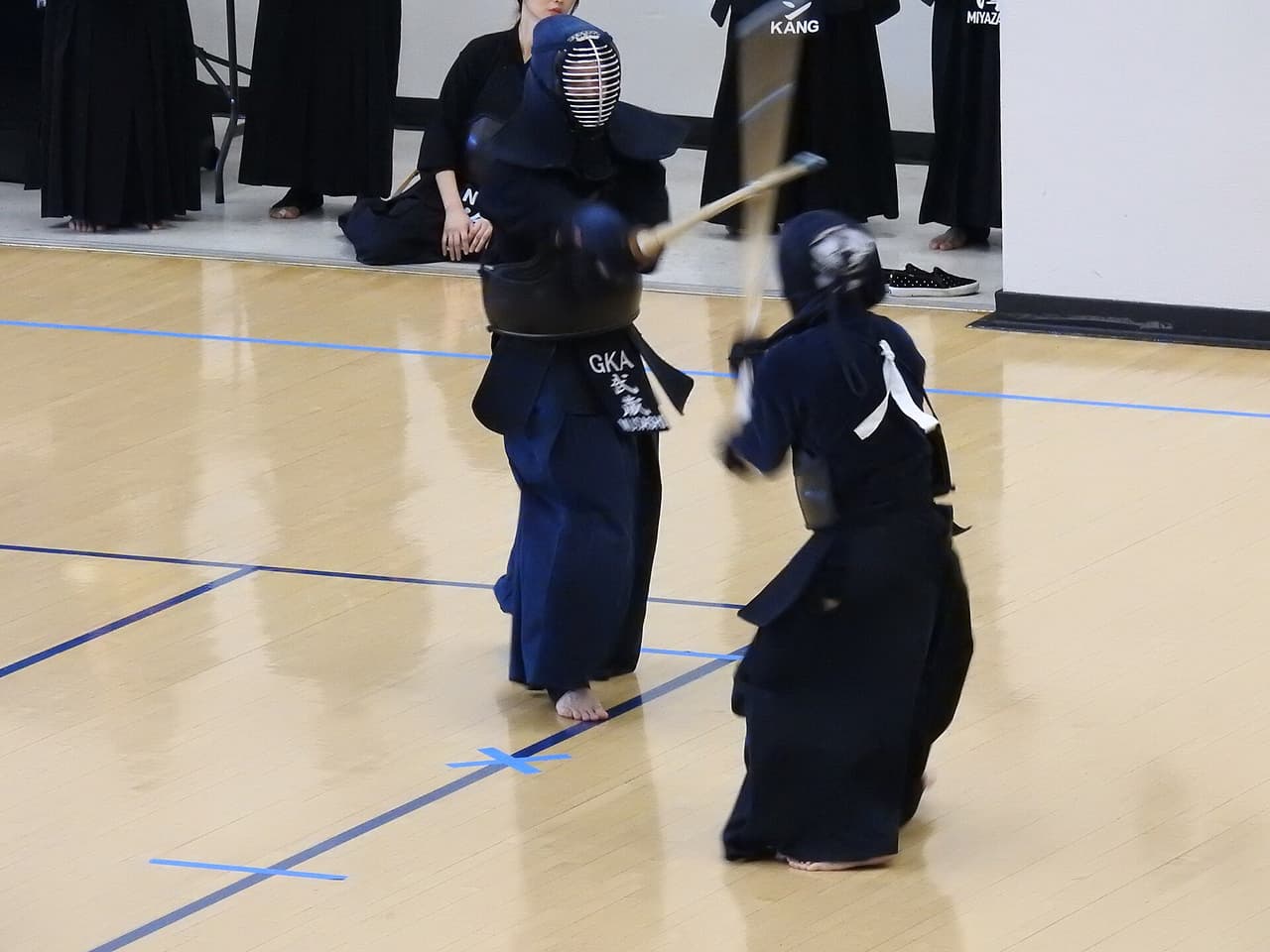
This is the highest-value ten minutes you will spend. A concrete example from our own kendo experience in Tokyo listing: the identical two-hour session with the same operator appears on Viator, Klook, GetYourGuide and the operator's own site — and the prices are set per channel and do not always match.
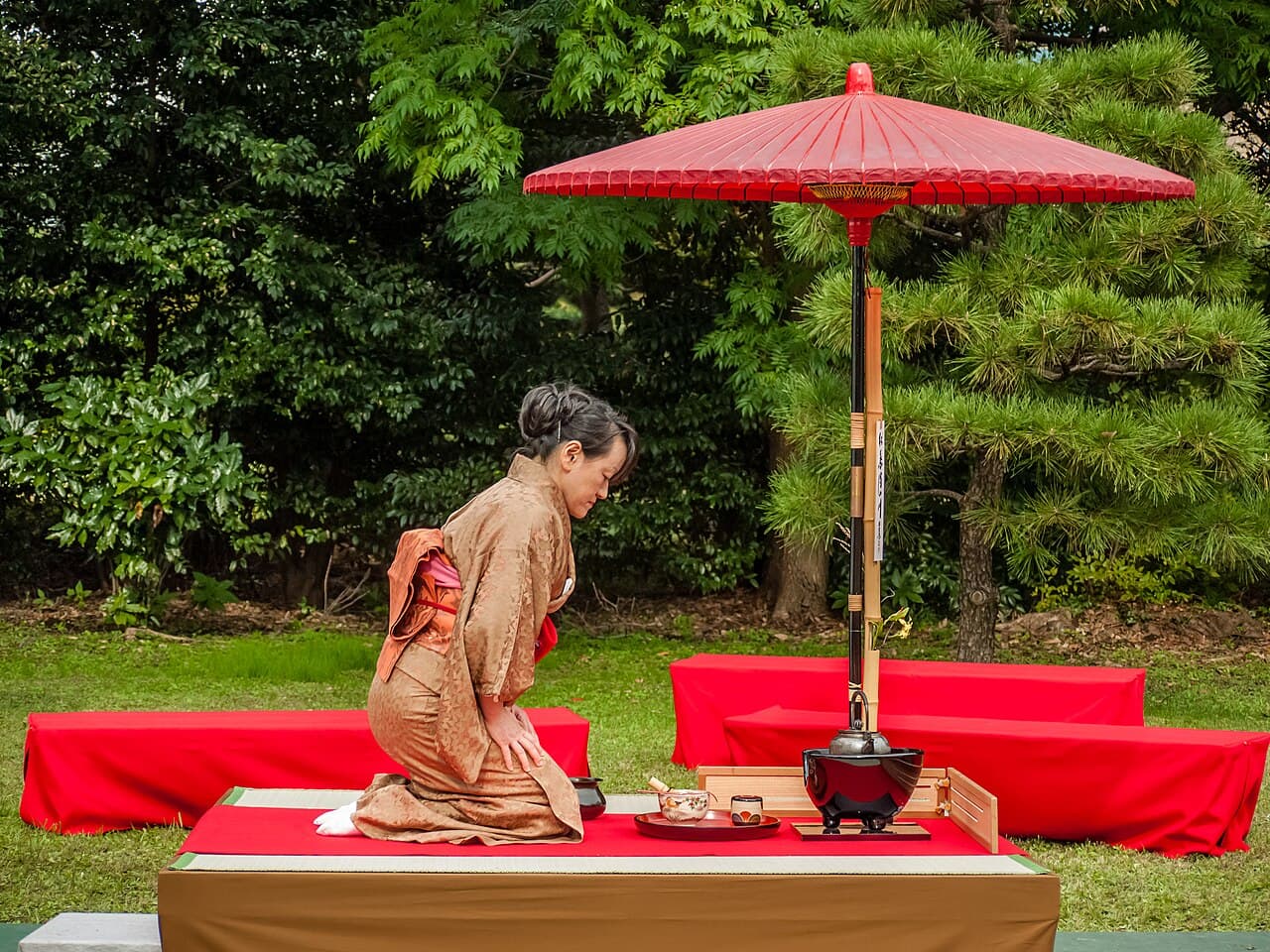
The same is true of tea ceremonies in Kyoto, where the price band across platforms for what is broadly the same product runs from around ¥1,100 for a shared group session to about ¥15,000 for a private one.
When to book
| Experience | Normal season | Cherry blossom / autumn |
|---|---|---|
| Tea ceremony, craft workshops | 2–4 weeks | 6–8 weeks |
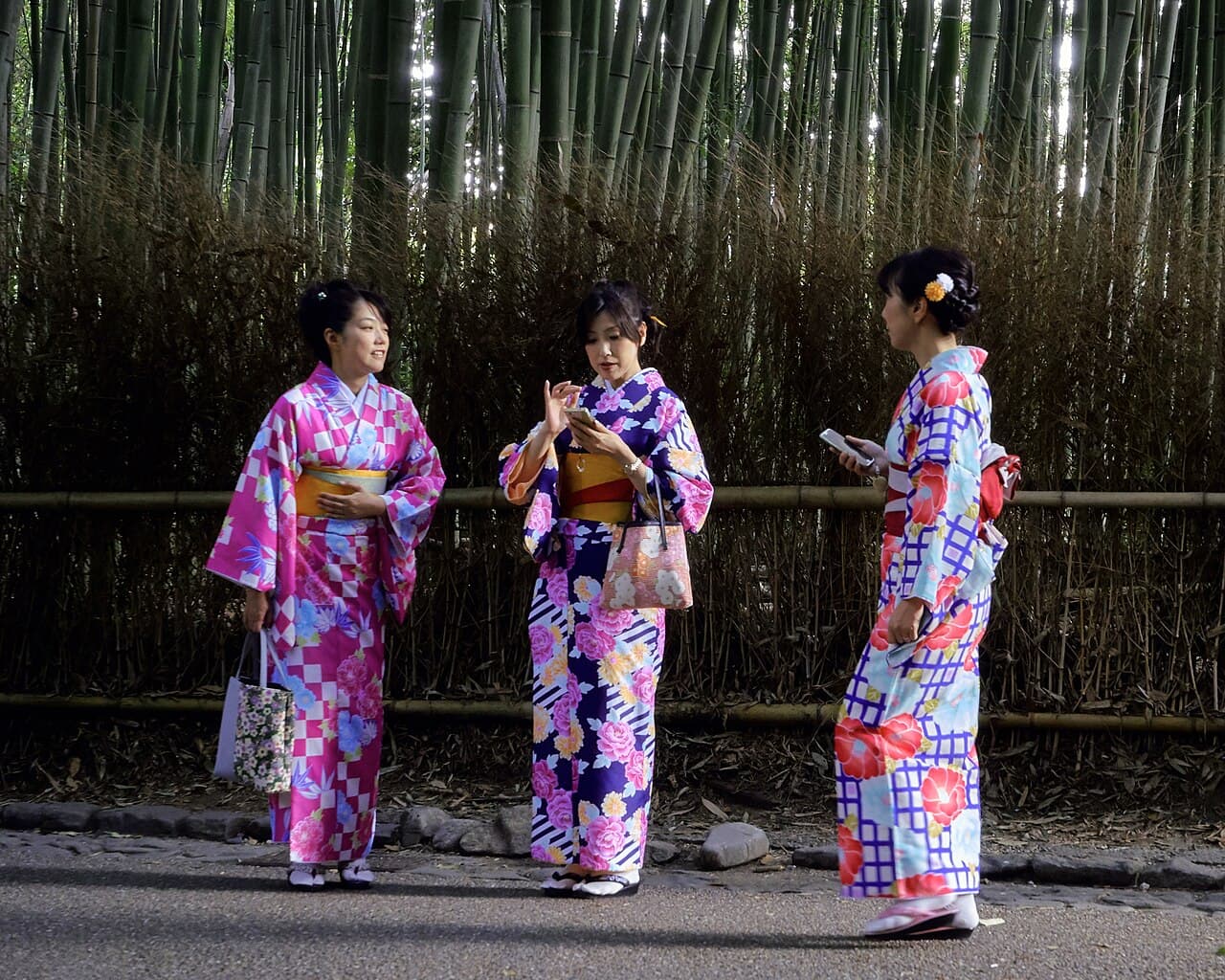
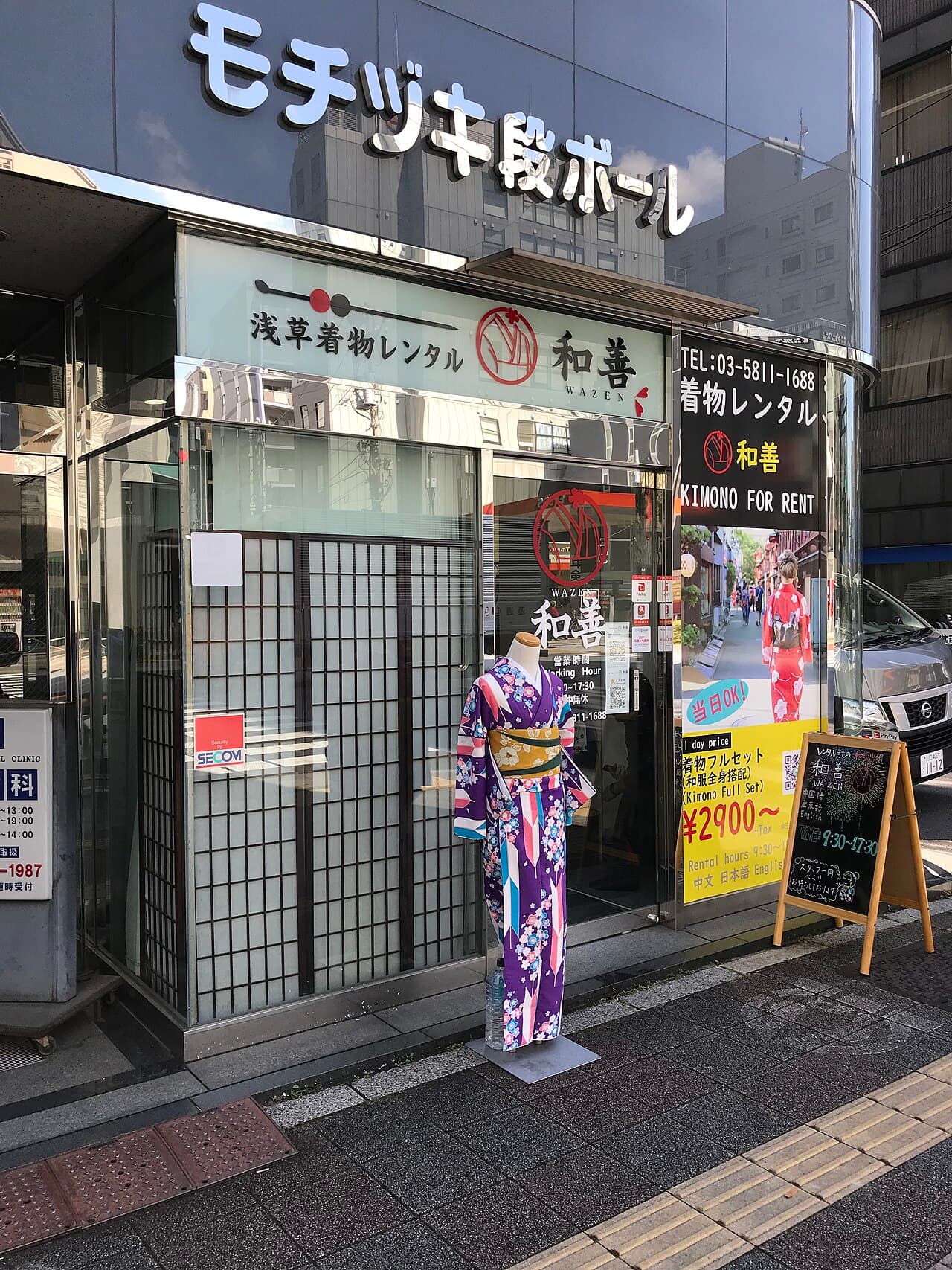
| Kimono rental | 1–2 weeks | 4+ weeks, and book the morning slot |
| Koyasan temple stay | 1–2 months | Books up to 11 months ahead |
| Private geiko / maiko engagement | Months, often via introduction | Months |
| Sumo tournament tickets | On sale roughly a month before, and popular days sell out in minutes | — |
Cherry blossom season (late March to early April) and autumn foliage (November) are the two genuine crunches. Everything else in the calendar is negotiable. Our avoid-the-crowds guide for Kyoto covers the timing in more detail.
Paying: the quiet 3%
Most international platforms will offer to charge you in your home currency. Decline, and pay in yen, on a card that does not add a foreign-transaction fee. The conversion the platform or terminal offers you — dynamic currency conversion — is almost always worse than your bank's. It is a small, boring saving that applies to every booking you make.
Also budget cash. Small ateliers, many temples, and most shukubo on Koyasan are cash-only on site, even when the reservation was made online.
Three things worth checking before you commit
Does the listing name the venue? Reputable operators do. A product that will only tell you the district after payment is either protecting a genuinely private venue — which happens, especially with teahouses — or has nothing specific to sell.
Is "English support" instruction, or a printed sheet? These are very different. Ask directly. An experience described as "English available" sometimes means a laminated translation of the steps.
Is the geisha in the "geisha show" a geiko? Both real hanamachi engagements and costumed dinner-show performances exist, and only one is what most people searching are picturing. Geisha vs maiko explains the distinction, and how to see geisha in Kyoto covers what a real engagement involves.
And the etiquette of cancelling
If you cannot make it, tell them, even when you are outside the refund window and will get nothing back. A small studio that held a two-hour slot for you has turned other people away. A message costs you nothing and is, in a very concrete sense, the whole subject of omotenashi working in the other direction.
---
Prices, schedules and booking links on this page were verified as of 2026-08-09. Operators change them without notice — confirm on the booking page before you travel, and tell us if you find something out of date.
常见问题
- Is it cheaper to book Japanese cultural experiences direct or through Viator?
- Often direct, but not always, and the gap is usually small. A worked example from our own listings: the Shunkaen bonsai class in Tokyo is ¥12,000 plus tax booked directly with the museum, and ¥13,200 through Rakuten Travel Experiences. What direct booking really buys you is the operator's own terms and their ability to accommodate you; what an OTA buys you is instant confirmation, a card payment, and a cancellation policy you can read before you commit.
- Which booking platform is best for Japan?
- None of them universally, because terms are set per listing. As a working default: Klook and Viator carry the widest Japanese inventory, GetYourGuide labels its terms most clearly, Rakuten Travel Experiences and Wabunka carry Japanese operators the global OTAs never list, and the operator's own site is worth checking every time. Compare the same experience across channels before you book — prices genuinely differ.
- How far in advance should I book cultural experiences in Japan?
- Two to four weeks for tea ceremonies, kimono rental and craft workshops in normal season. Six to eight weeks or more for cherry blossom season (late March to early April) and autumn foliage (November), which are the two genuine crunches. Koyasan temple stays take bookings up to eleven months ahead and the popular temples use them. Private geiko or maiko engagements need the longest lead and often an introduction.
- What happens if my train is late and I miss a booked experience?
- Almost certainly nothing good — a no-show is normally non-refundable regardless of cause, and most free-cancellation windows close 24 hours before the start. If your itinerary depends on a same-day Shinkansen connection, book the experience for the following day instead, or choose a listing with 'reserve now, pay later' so a cancellation costs you nothing.
- Why do some Japanese studios only take email or phone bookings?
- Because they are small working ateliers, not tourism businesses, and an online booking engine is overhead they do not need for a domestic clientele. Some also require several days' notice — the Shunkaen bonsai class asks for at least four. This is not a red flag; some of the best experiences in Japan are booked by email, in imperfect English, three days ahead, and paid in cash on the day.
Try it yourself
Martial artsTokyo
Kendo experience in Tokyo — try the samurai art in armour, in English (price and how to book)
Most "samurai experiences" in Tokyo hand you a costume and a photo. Kendo is the opposite: it is the living martial art that the sword schools became, it is practised by roughly two million people worldwide, and a two-hour beginner session puts you in real armour taking real strikes. Here is what it costs, where it is, and how it differs from the sword-cutting experiences.
相关
Across Japan
日本最佳文化体验(以及如何预订)
日本最好的传统文化体验是**茶道、坐禅冥想、和服穿着、武士与忍者训练、书道、陶艺、太鼓演奏、寿司制作,以及艺伎与清酒文化**——几乎全部以英语友好、1~2小时、无需经验的随到随学工作坊形式提供。京都偏精致传统,东京偏亲手体验。截至2026年。