
What is a taiko drum? One log, one cowhide, 400 kg — and an ensemble style invented in 1951
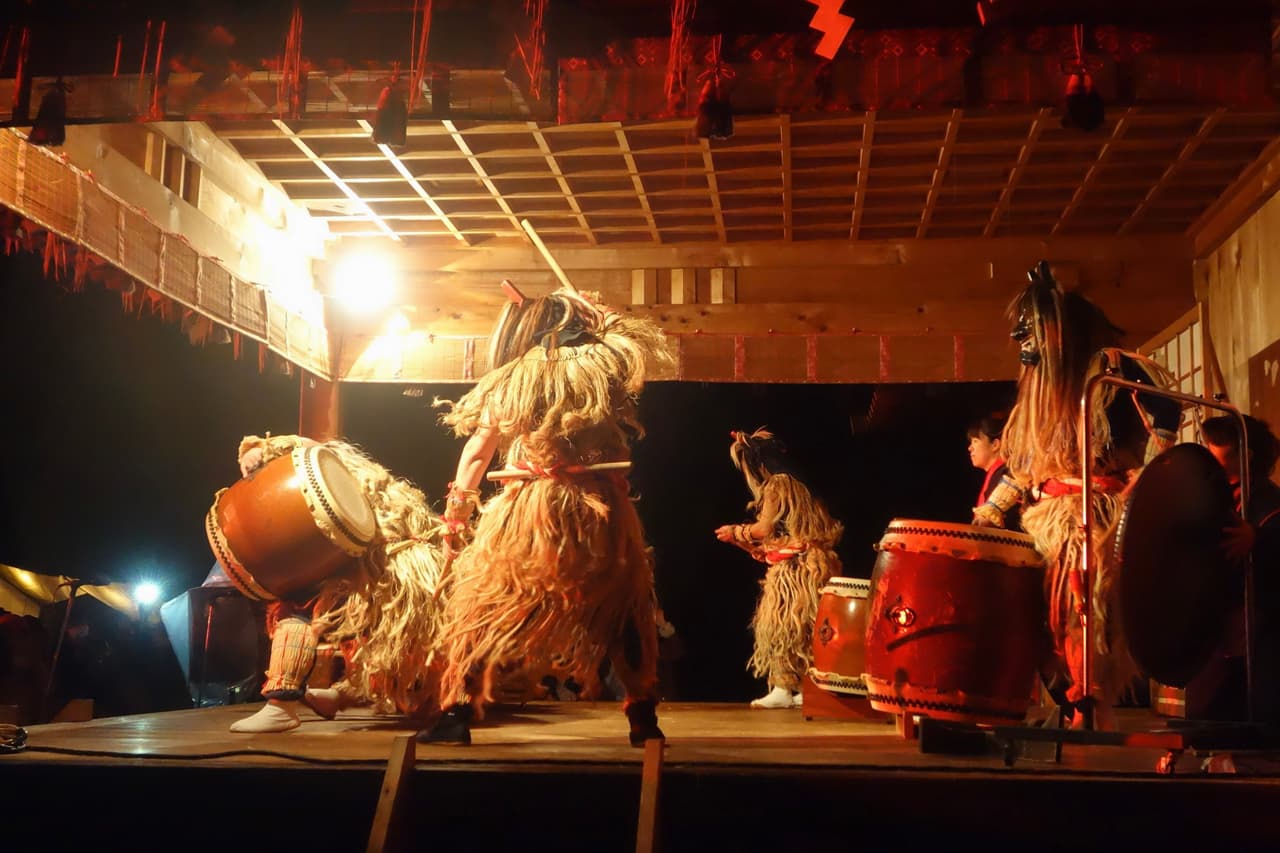
A taiko is a Japanese drum with a body hollowed from a single tree trunk and a head made from the hide of one cow — and the thunderous ensemble style visitors come to see is younger than the transistor radio. The drums are ancient; the way they are played on stage was invented in 1951.
That gap is the thing worth understanding before you book anything, because it explains why a "traditional taiko performance" can be both entirely authentic and entirely modern.
The word means less than you think
Taiko (太鼓) simply means "drum" in Japanese. A snare drum is a taiko. What travellers mean by the word is wadaiko (和太鼓) — Japanese drums — and specifically the big barrel-bodied ones played standing with thick wooden sticks called bachi.
Three families, and how to tell them apart
Kodo, the ensemble on Sado Island that has done more than anyone to export the art, sorts its instruments into three groups, and the division is structural rather than decorative:
- Miya-daiko — heads fixed permanently to the shell with tacks. Cannot be retuned. This family includes the ō-daiko (the giant one), the chū-daiko (mid-sized, the workhorse) and the flat, wide hirado-daiko.
- Oke-daiko — a barrel built from staves, with heads that can be tensioned. Lighter, so it can be worn on a strap and carried.
- Shime-daiko — a small, solid-shelled drum with tunable heads. This is the high, sharp voice that keeps time under everything else.
A standard Kodo theatre performance uses 30 to 50 taiko, depending on the programme. That is not a wall of identical drums; it is three different construction methods doing three different jobs.
What a taiko is made of
The best-known drums are kurinuki — the body is hollowed out from a single solid log rather than assembled from staves. Kodo describes its own ō-daiko as carved from "the trunk of a large tree, such as Japanese Zelkova (keyaki) or African Bubinga", with a head "made from the hide of one large cow".
Two numbers give the scale. That head is over one metre in diameter, and the drum together with the yatai stand it rests on weighs 400 kg.
Keyaki is prized because it is dense, hard and slow-growing, which is also why a single-log drum of that size is expensive and why the wood, not the labour, is the cost. There is no way to hurry the tree.
The part that is genuinely modern
Drums have been used in Japanese shrine ritual, court music, folk festivals and kabuki for centuries — but almost always one drum inside something else: a procession, a dance, a play.
The idea of putting many drums of different sizes on a stage and treating the ensemble itself as the performance is called kumi-daiko, and it is credited to one man. Daihachi Oguchi founded Osuwa Daiko in Okaya, Nagano, in 1951. A jazz drummer by training, he had been asked to interpret an old sheet of taiko notation found in a storehouse at Suwa Shrine, and he arranged what he found for a set of drums the way a drum kit is arranged — different sizes, different pitches, one group.
Nearly every taiko group performing today, in Japan and abroad, descends from that arrangement. So when a performance is described as "ancient", the instruments and the rhythms may be; the format is from the same decade as the Japanese post-war recovery.
Where to hear one, and where to play one
The best free way to hear taiko is a summer festival — the drums that accompany a portable shrine are the older, embedded use of the instrument, and what an omikoshi is explains what you are watching.
To actually hold the bachi, a beginner class is the fastest route: taiko drumming classes in Tokyo covers what a trial session involves, in English, and what it costs.
It pairs well with the rest of a day — see cultural experiences in Tokyo and the best cultural experiences in Japan. Facts on this page verified as of 31 August 2026.
FAQ
- What is a taiko drum?
- A Japanese drum, usually with a barrel-shaped body hollowed from a single tree trunk and a head of cowhide. The word taiko simply means "drum" in Japanese; the big stage drums travellers picture are more precisely called wadaiko.
- What are taiko drums made of?
- The body of a large taiko is carved from the trunk of a single big tree — Kodo names Japanese zelkova (keyaki) and African bubinga — and the head of its o-daiko is made from the hide of one large cow. Smaller shime-daiko and stave-built oke-daiko use ropes or bolts so the heads can be retuned.
- How heavy is a big taiko drum?
- Kodo's o-daiko has a head over one metre in diameter, and the drum together with the yatai stand it sits on weighs 400 kg.
- How old is taiko drumming?
- The drums themselves are ancient and have long been used in shrine ritual, court music, festivals and kabuki. The ensemble format — many drums of different sizes as the performance itself — is called kumi-daiko and dates to 1951, when Daihachi Oguchi founded Osuwa Daiko in Okaya, Nagano.
- What are the different types of taiko?
- Kodo groups them by construction: miya-daiko with heads tacked permanently to the shell (including the giant o-daiko), oke-daiko built from staves with tensionable heads and light enough to carry, and small shime-daiko with tunable heads that keep time.
- Can a beginner try taiko in Japan?
- Yes. Trial classes for complete beginners run in Tokyo in English and need no experience or equipment; you are given the bachi and taught a short pattern. Summer festivals are the free alternative for hearing the drums in their older, ritual setting.
Try it yourself
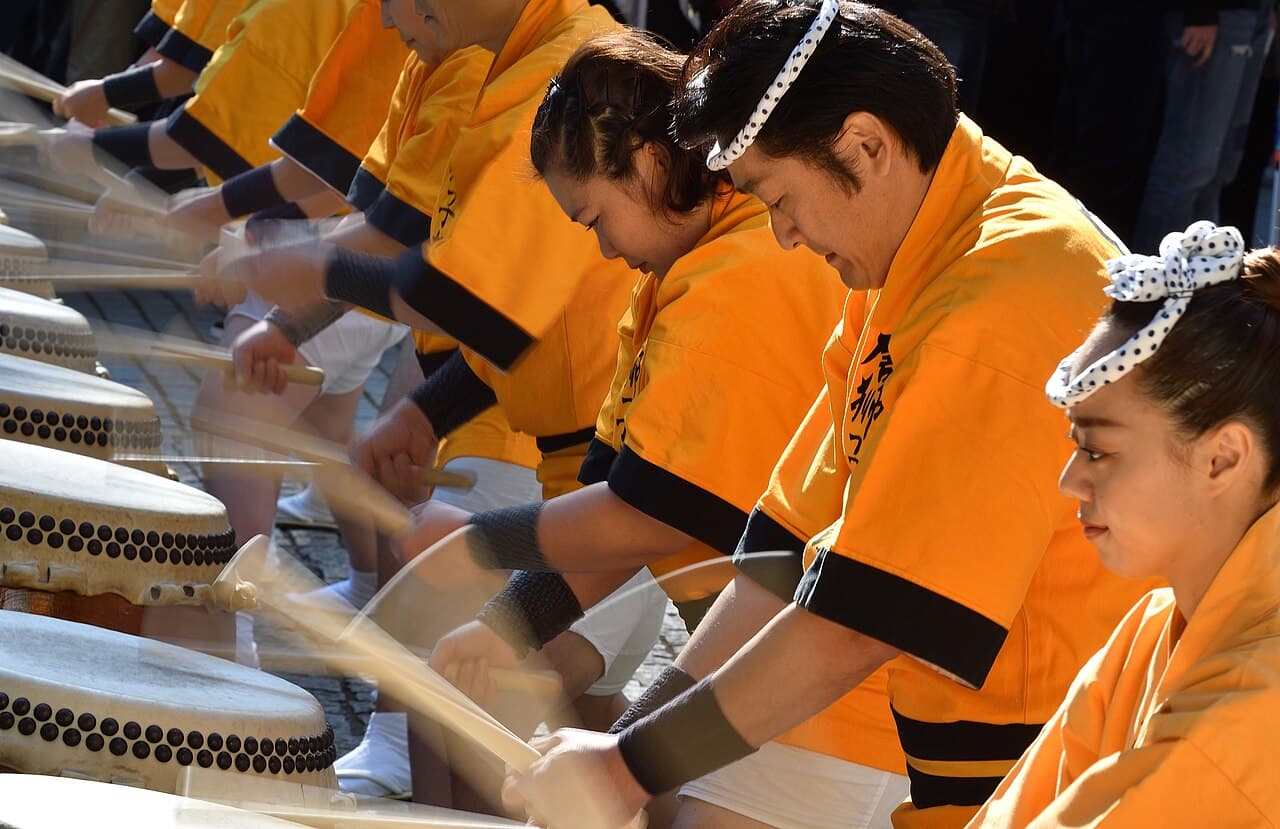
Taiko drummingTokyo
Taiko drumming class in Tokyo — play the big drums, English-friendly (and how to book)
Where to take a taiko drumming class in Tokyo with English support — honest prices, what the 60–90 minutes actually feel like, what to wear (it's a workout), and real booking links.
Related
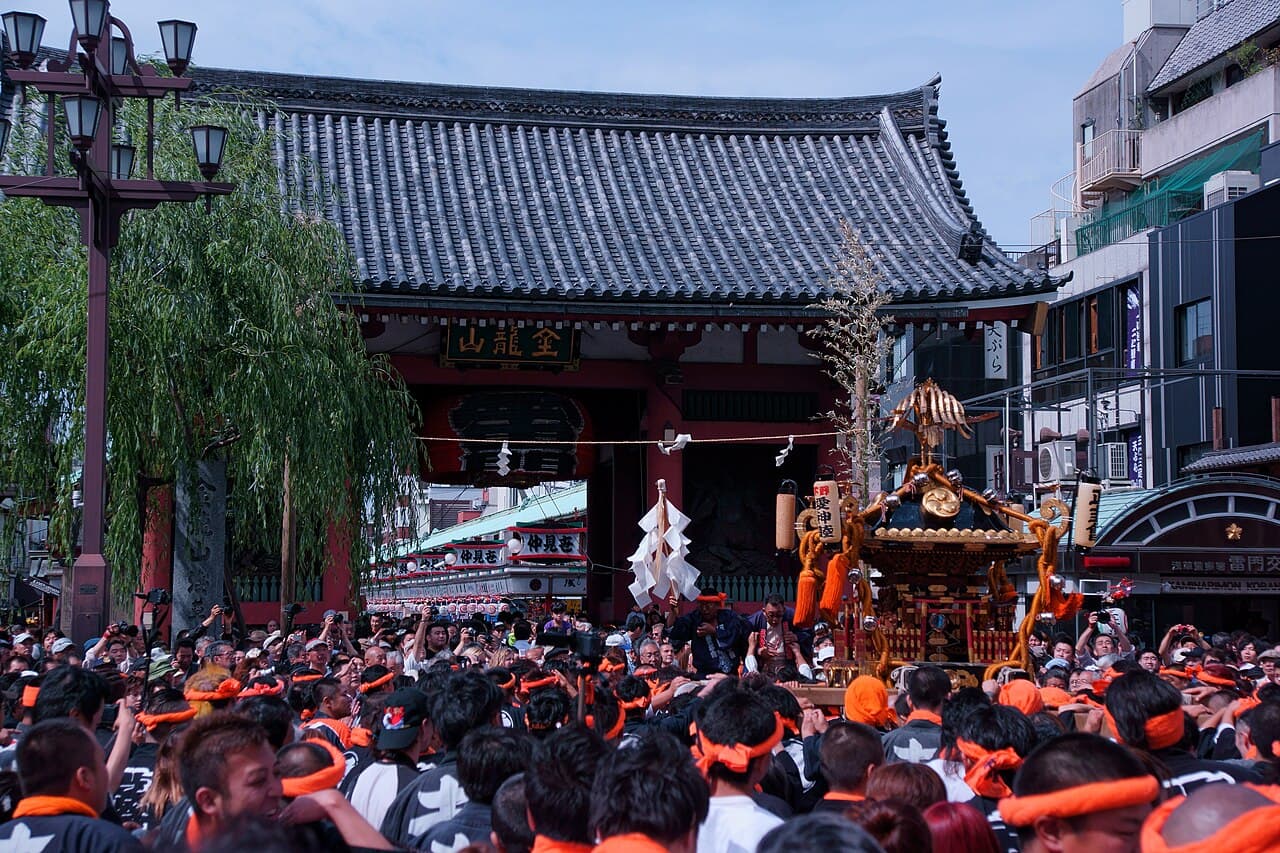
What Is Omikoshi? Japan's Portable Shrines, Explained
A mikoshi is a portable Shinto shrine carried through the streets during a matsuri so the kami inside can travel among the community it protects — here's what's actually inside it, where the word comes from, and how carrying styles differ by region.
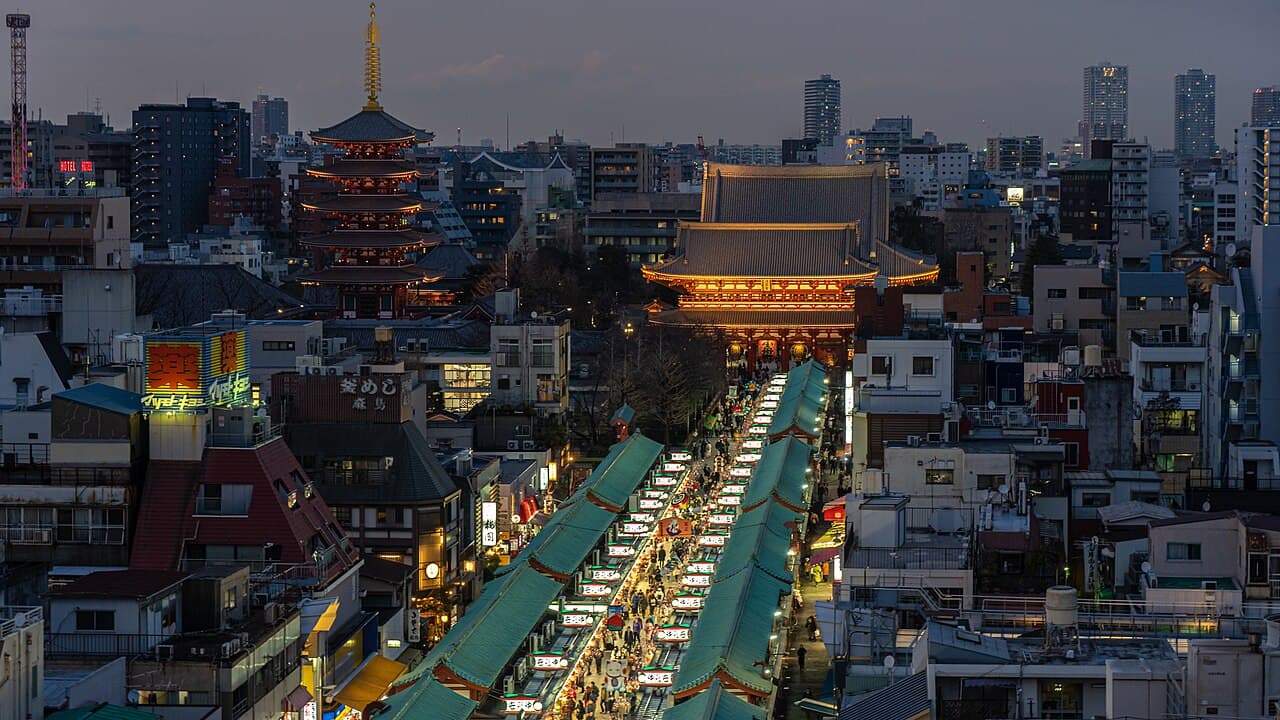
Tokyo
The Best Traditional Cultural Experiences in Tokyo (and How to Book Them)
The best traditional experiences in Tokyo let you wear a kimono in Asakusa, whisk matcha in a tea ceremony, make Edomae sushi, try samurai or ninja arts, or practise calligraphy, ikebana, kintsugi and taiko. Here's what each one is, and where to book.
Across Japan
The Best Cultural Experiences in Japan (and How to Book Them)
The best traditional cultural experiences in Japan are the **tea ceremony, zazen meditation, kimono wearing, samurai and ninja training, calligraphy, pottery, taiko drumming, sushi-making, and geisha and sake culture** — almost all offered as English-friendly 1–2 hour drop-in workshops needing no prior experience. Kyoto leans refined and traditional; Tokyo leans hands-on. As of 2026.