
What Is Bushido? The Samurai Code, Explained
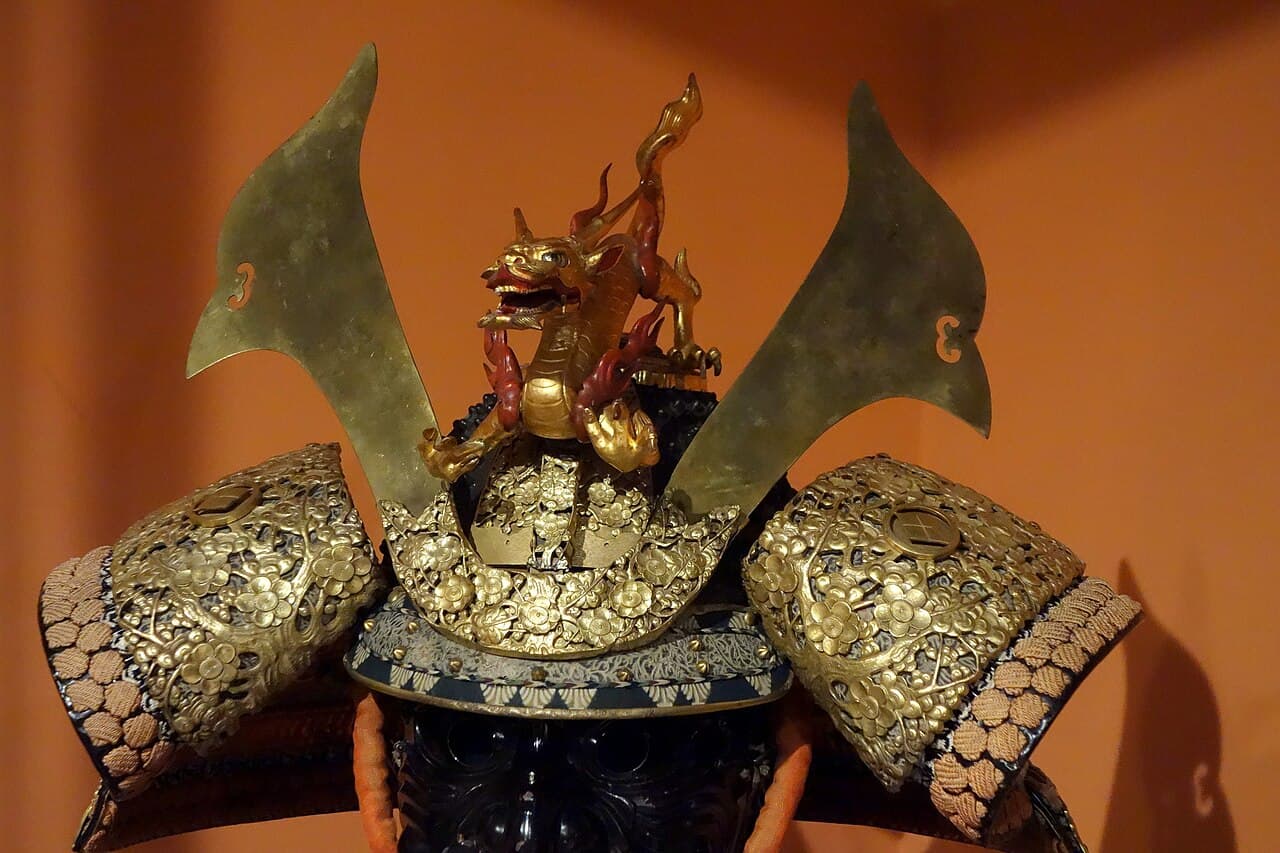
Bushido (武士道, "the way of the warrior") is the name given to the Japanese samurai's code of ethics — seven core virtues built around loyalty, honor, and self-discipline. But here's the honest answer first: the "Bushido" most visitors have heard of is not an unbroken ancient scripture. It's a real historical foundation that was deliberately shaped into a single, codified system around 1900, largely for a Western audience.
Where the word actually comes from
The term "bushido" barely appears in pre-modern Japanese writing. It spread widely only after 1900 — especially in the wake of Japan's victory in the Russo-Japanese War (1904–05), when the country was eager to explain its rising power to the world.
That doesn't mean it was invented from nothing. Genuine warrior-conduct writing predates the modern term by centuries: the 1642 text Kashōki lists norms like "do not lie, do not be insincere, be on good terms with comrades," and there's a real lineage of samurai-code literature stretching back to the Kamakura period (12th–14th century), through Edo-era works like Yamaga Sokō's Confucian warrior writings and the famous Hagakure. Real lord-vassal loyalty obligations, clan-specific house codes (kakun), and ideas about honor and controlled violence go back centuries and varied by era, domain, and clan.
What didn't exist before Meiji was one unified, named "Bushido" system followed uniformly across Japanese history. Historian Oleg Benesch, author of Inventing the Way of the Samurai, describes bushido as substantially an "invented tradition" — genuine older material reorganized and partly reinvented in the Meiji era (1868–1912) to build national identity at home and project a distinctive "Japanese spirit" abroad.
The book that made bushido famous
The single most influential source is Bushido: The Soul of Japan, written directly in English by Inazō Nitobe (1862–1933), an educator and diplomat from a former-samurai family. It was first published in 1900 in Philadelphia by the publisher Leeds & Biddle — Nitobe's preface is dated December 1899, which is why you'll sometimes see the earlier year cited instead. Nitobe wrote for Western readers and deliberately drew comparisons to European chivalry and Christian ethics to make the samurai's world legible to an outside audience — which is exactly why modern historians treat it as a selective, idealized synthesis rather than a neutral transcription of ancient law.
Nitobe's book is also where the commonly cited seven virtues of bushido come from:
- 義 Gi — rectitude, justice: doing the right thing regardless of personal cost
- 勇 Yū — courage: not recklessness, but the discipline to act, and even to admit fault, when it's hard
- 仁 Jin — benevolence: an obligation on the powerful (the armed samurai) to protect the weak
- 礼 Rei — politeness: correct, respectful conduct — arguably the root of Japan's broader "politeness culture" today
- 誠 Makoto — sincerity: word and deed as one; a samurai's promise needed no written contract
- 名誉 Meiyo — honor: a warrior's reputation treated as worth defending
- 忠義 Chūgi — loyalty: fidelity to one's lord or duty above self-interest
Worth knowing before you repeat this list as gospel: it's Nitobe's synthesis, not a single ancient document every samurai swore to. Other historical writers give six or eight virtues instead, sometimes folding loyalty into rectitude or adding self-control as its own category.
The uncomfortable part of the story
An honest explainer has to include this: in the WWII era, the Japanese state and military doctored bushido rhetoric as propaganda, framing death in service of the Emperor as the code's highest honor. That was a deliberate wartime distortion of Edo-period and Nitobe-era material, not a continuation of it — and it's a big reason the word carries mixed connotations in Japan itself even today.
Bushido after the war — martial arts and the "salaryman samurai"
Bushido's spiritual framing helped push Japanese martial arts from purely combat-focused bujutsu toward the modern budō disciplines — judo, kendo, aikido — which pair technique with explicit character-building language. If you train in any of these today, the vocabulary of discipline and respect traces back to this same lineage.
The other place bushido resurfaced was corporate Japan. In the postwar decades, and especially during the 1980s economic boom, "bushido" language was revived to describe unconditional company loyalty, lifetime employment, and hierarchy — the "salaryman as modern samurai" idea. It's a later reapplication rather than something samurai literally practiced, and those norms are visibly eroding today as a new generation prioritizes work-life balance.
Where to see it up close
Reading about bushido only goes so far — the code comes alive at a real samurai experience, where an instructor walks you through the etiquette, posture, and history behind the sword in your hand. A samurai experience in Tokyo puts you in front of real armor and technique with a working booking link. And since bushido's vocabulary of restraint and sincerity overlaps heavily with the aesthetics of the tea room, it's worth reading what tea ceremony actually is next — many of the same virtues show up there, just with a bowl instead of a blade. If you're building a full day around Kyoto's cultural sites, our Kyoto cultural experiences guide is a useful next stop.
Research notes: Wikipedia's "Bushido" and "Bushido: The Soul of Japan" articles (summarizing historian Oleg Benesch's academic work); primary chapter structure of Nitobe's 1900 text (Philadelphia: Leeds & Biddle) via Gutenberg/Sacred Texts editions — note the book's preface is dated December 1899, distinct from the 1900 publication date.
The living descendant of all this is kendo, and you can try it: a two-hour kendo session in Tokyo puts you in real armour with an English-speaking instructor. It is the difference between reading the code and being hit while trying to follow it.
FAQ
- Is bushido an ancient code that all samurai actually followed?
- Not exactly. Real warrior-ethics writing goes back to the Kamakura period (12th–14th c.) and Edo-era texts like the Hagakure, but there was never one unified, named "bushido" system before the Meiji era (1868–1912). Historian Oleg Benesch calls it an "invented tradition" — genuine older material reshaped into a single codified system mainly after 1900.
- What are the seven virtues of bushido and what do they mean?
- Gi (rectitude/justice), Yū (courage), Jin (benevolence), Rei (politeness), Makoto (sincerity), Meiyo (honor), and Chūgi (loyalty). This list comes largely from Inazō Nitobe's 1899 book Bushido: The Soul of Japan — it's his synthesis, not an uncontested ancient scripture, and other historical writers used six or eight virtues instead.
- Did bushido require samurai to commit seppuku?
- Seppuku (ritual suicide) is discussed in Nitobe's book as tied to honor and the avoidance of disgrace, and it does have real historical basis in samurai practice. But it wasn't a universal daily "requirement" of the code — it was reserved for specific circumstances such as defeat, disgrace, or a lord's order.
- Is bushido still practiced today, and was it used as WWII propaganda?
- Yes to both. Modern budō arts like kendo and judo explicitly build character-focused language on bushido ideals, and Japanese business culture revived "bushido" language in the postwar and 1980s boom era to describe company loyalty. Separately, wartime Japan doctored bushido rhetoric to glorify death for the Emperor — a real and darker chapter of its modern history.
Try it yourself
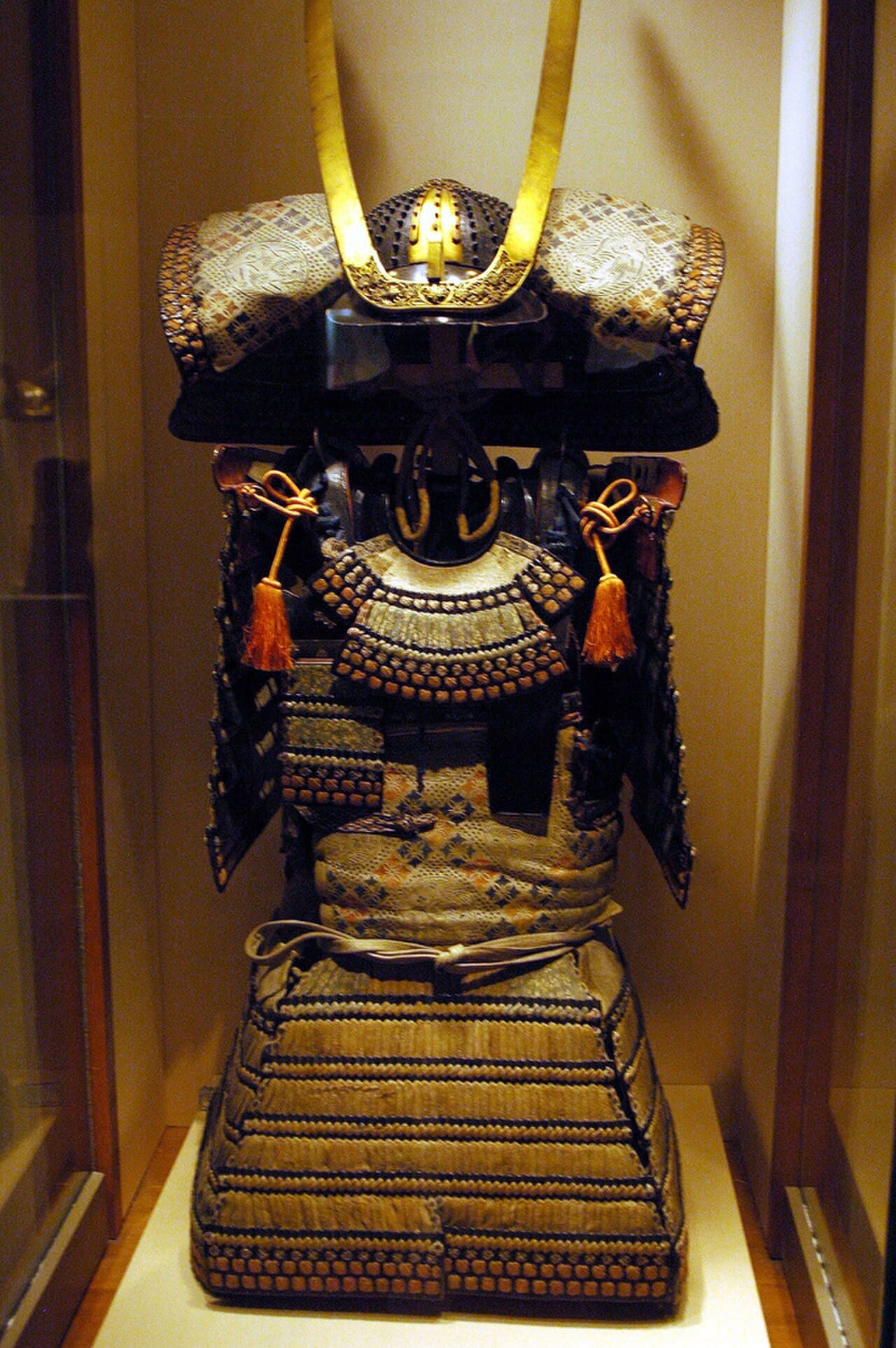
SamuraiTokyo
Samurai experience in Tokyo — English sword classes, prices, and how to book
Where to do a real samurai sword experience in Tokyo, in English — honest prices, what each studio includes (tameshigiri, armour, photos), and how to book.
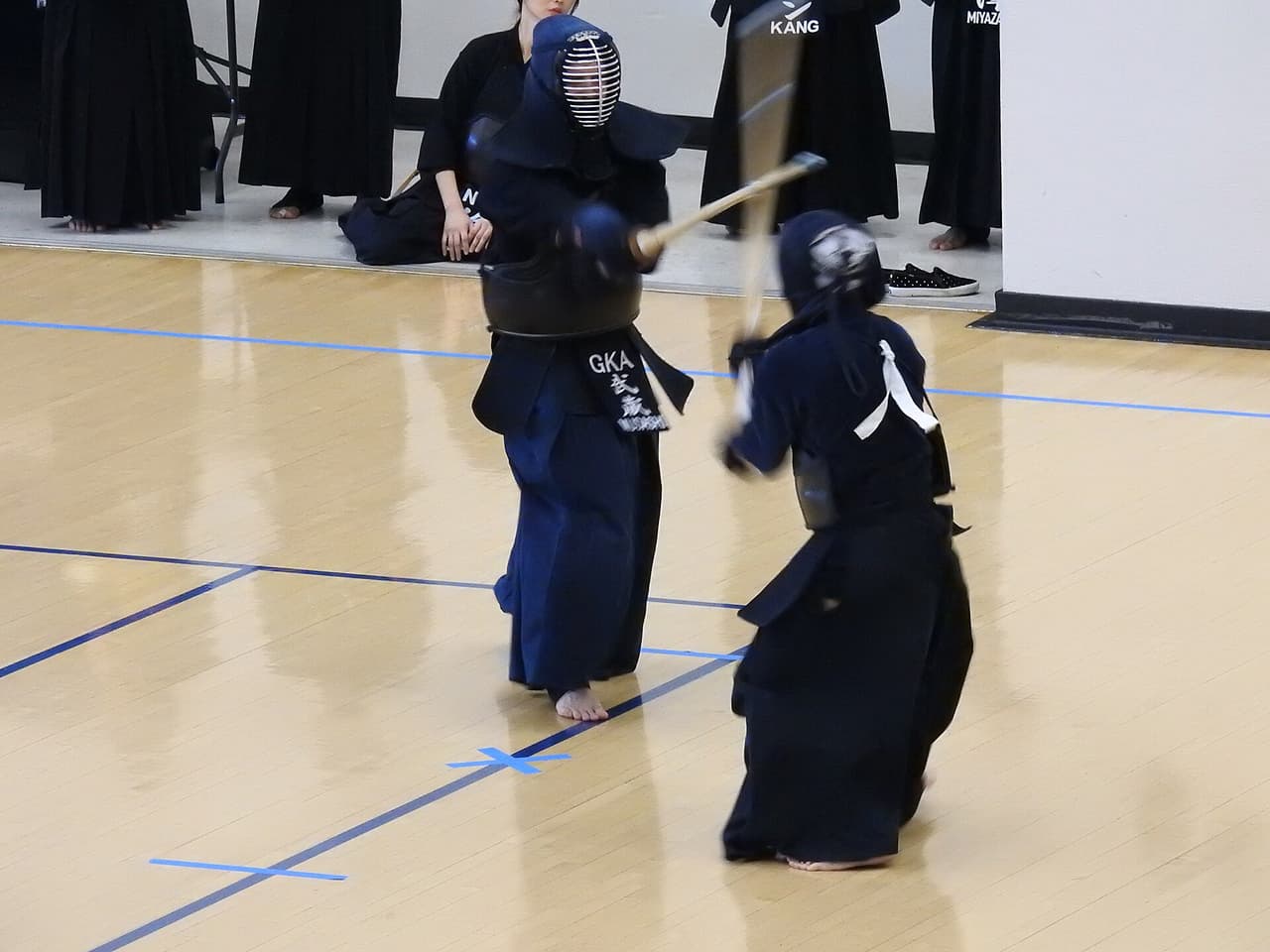
Martial artsTokyo
Kendo experience in Tokyo — try the samurai art in armour, in English (price and how to book)
Most "samurai experiences" in Tokyo hand you a costume and a photo. Kendo is the opposite: it is the living martial art that the sword schools became, it is practised by roughly two million people worldwide, and a two-hour beginner session puts you in real armour taking real strikes. Here is what it costs, where it is, and how it differs from the sword-cutting experiences.
Related
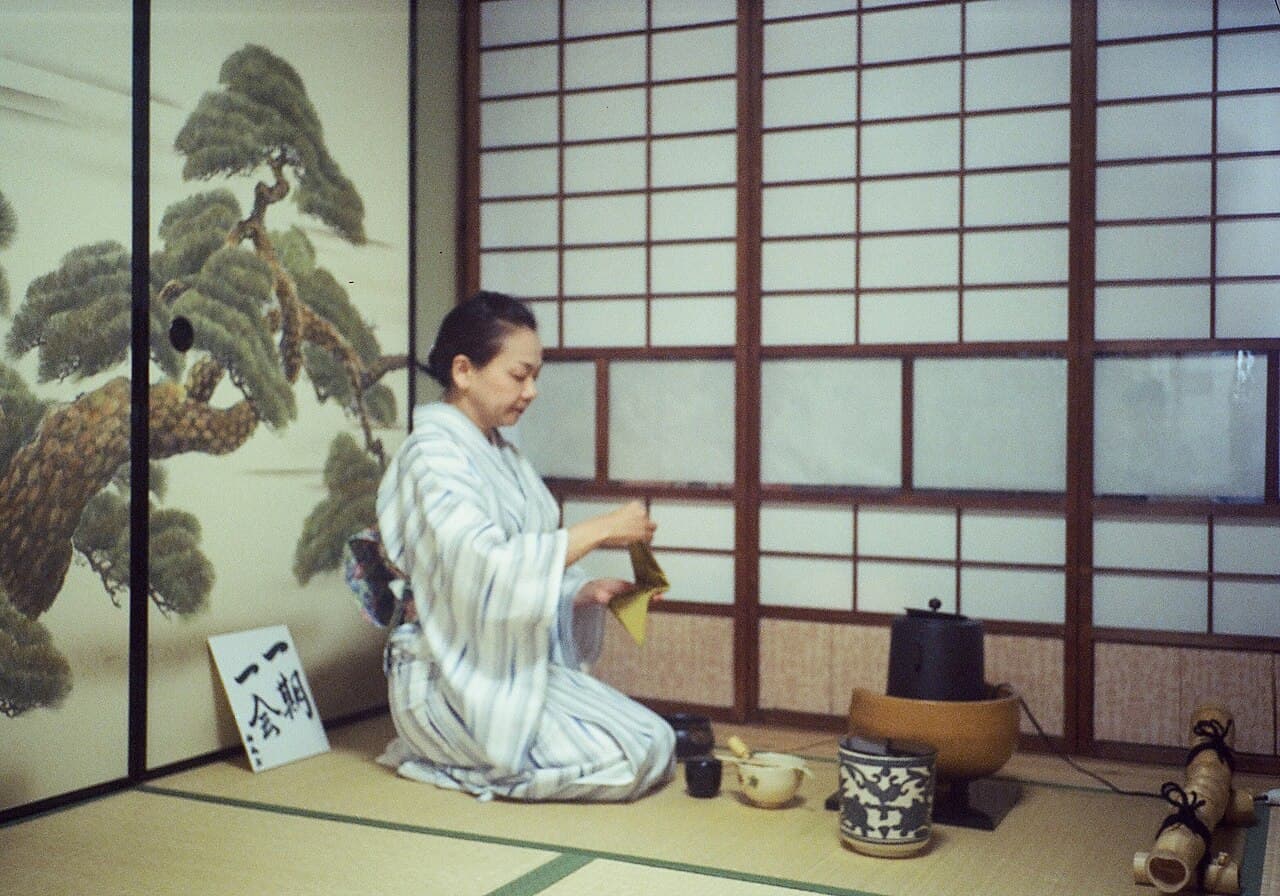
What is a Japanese tea ceremony? Chanoyu explained for first-timers
A Japanese tea ceremony (chanoyu) is a ritual of preparing and serving matcha. It is an art form, not a drink: its Zen roots and Sen no Rikyu, the four principles wa-kei-sei-jaku, what actually happens in the room, thick tea versus thin tea, and where to book an English-friendly session in seven cities.
Kyoto
The best cultural experiences in Kyoto for first-timers
An honest, first-timer's shortlist of bookable Kyoto cultural experiences — tea ceremony, kimono, zazen, calligraphy and more — with how to choose and what each is really like.