
Is eating while walking rude in Japan? What Kamakura's ordinance actually says (it does not ban it)
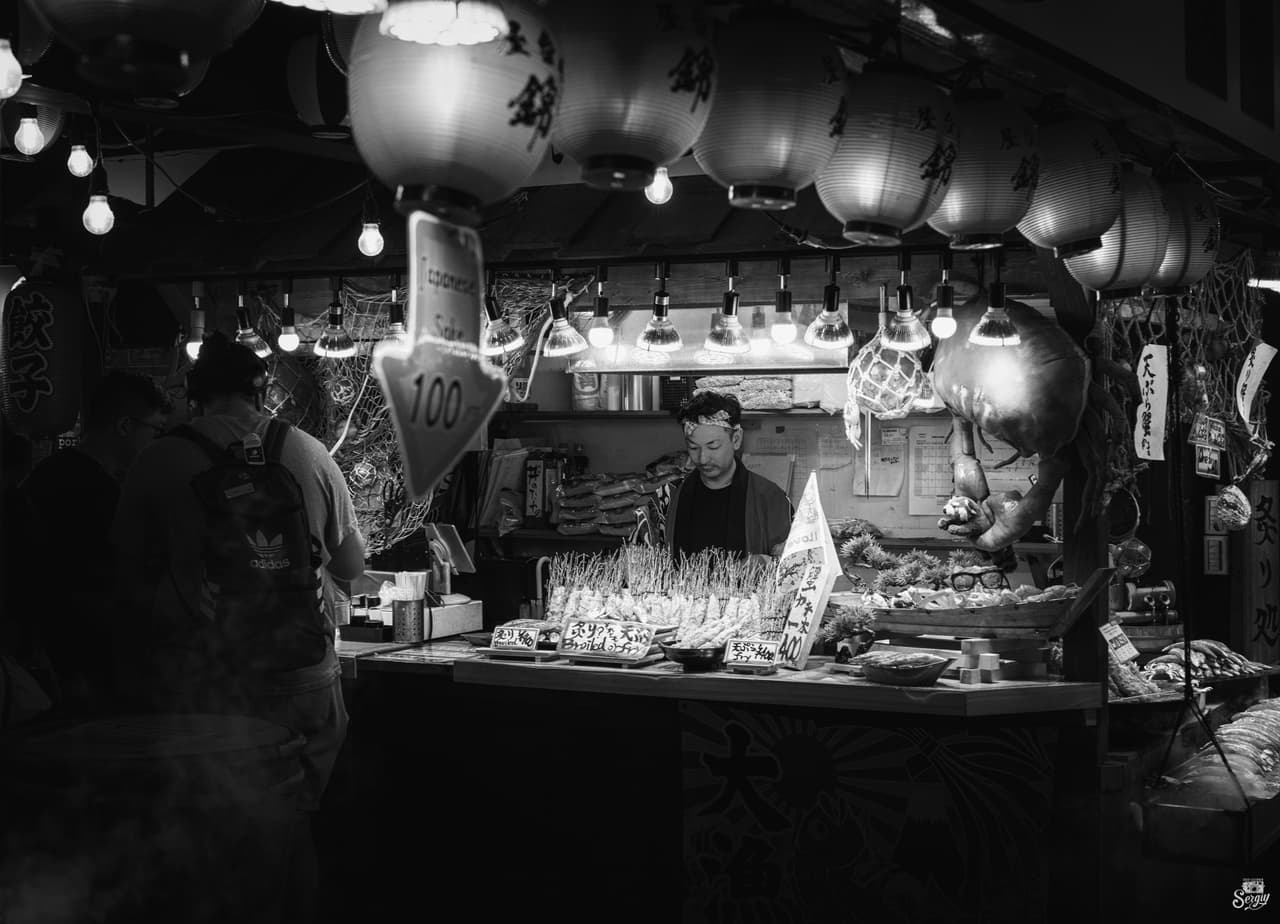
No Japanese city has banned eating while walking. The one most often reported in English as having done so — Kamakura — says on its own website that its ordinance "does not prohibit or regulate" it. What exists is a manners request, with no penalty, aimed at a much narrower situation than the headlines suggest.
Here is what the rules actually say, and what to do instead.
Kamakura: an ordinance that explicitly does not ban it
In 2019 Kamakura enacted the Ordinance on the Improvement of Manners in Public Places (鎌倉市公共の場所におけるマナーの向上に関する条例), promulgated on 25 March 2019 and in force from 1 April 2019. English coverage at the time carried headlines like "Japanese city bans eating while walking".
The city's own page is explicit that this is not what happened. In its words, the ordinance "does not prohibit or regulate certain acts, including eating while walking, or sports" (歩きながら食べることを含む一部の行為やスポーツを禁止、規制するものではなく). Its purpose is stated as raising awareness.
What the ordinance actually names is far narrower — an act described as "eating or drinking while walking in a narrow or crowded place, in a way that risks soiling another person's clothing". That is the real complaint: not the eating, but ice cream and sauce on a stranger's sleeve in a lane too tight to step around anyone.
There are no fines and no citations. Enforcement is signage.
Kyoto's Nishiki Market: a market rule, not a law
Kyoto's covered food street is the other place regularly described as having "banned" it. What exists there is a rule set by the shopping-street association and displayed on signs at individual shops; Kyoto City's official record of tourist-manners measures lists the Nishiki Market food-etiquette effort as beginning in FY2019, produced jointly with the Kyoto Institute of Technology.
The distinction matters in practice. A shopping street can ask you to leave; it cannot fine you. Nearly every stall now expects you to eat what you bought standing at that stall, and many have set aside a corner for exactly that.
Kyoto's official record shows the same pattern in other districts — a rubbish map in Arashiyama, photography guidance in Gion Shinbashi, a residents' committee at Fushimi Inari. These are local agreements, not statutes.
Why the norm exists at all
Three practical reasons, none of them about purity:
- Bins are rare. Japanese streets have very few public rubbish bins, so a wrapper you open while walking is a wrapper you will carry for an hour.
- The lanes are narrow. Komachi-dōri in Kamakura and Nishiki in Kyoto are single-file at peak; a held skewer is at another person's coat height.
- The food is engineered for it to go wrong. Soft-serve, sauce-heavy skewers and filled buns are the exact items that generate the complaints.
There is also a genuine food-culture element — finishing something where it was made, while it is hot, is considered the better way to eat it — but the ordinances are about clothing and litter.
What to do instead (the whole etiquette in four lines)
- Buy it, step out of the flow, and eat it there. Standing still to eat is completely normal and is what the signs are asking for.
- Use the shop's counter or the space beside it. Most street-food stalls have one, precisely so you do not walk off with the food.
- Hand your rubbish back to the shop that sold it to you. This is standard and expected — the stall will take it.
- Festivals are different. At a matsuri, the grounds are the eating area, and walking with food between stalls is normal.
None of this is enforced against a visitor who gets it wrong. Standing still for ninety seconds is the entire adaptation.
The related rules people ask about next
Eating on a local commuter train follows a similar unwritten convention, while long-distance trains are the opposite — that and the rest of the transport etiquette is in train etiquette in Japan.
For what happens once you are actually seated, see Japanese table manners. For the other rule that surprises visitors most often, taking your shoes off in Japan covers where the line is.
And if you are wondering whether to leave a tip for the stall that took your rubbish: do you tip in Japan — no, and the reason is omotenashi.
Ordinance text and city pages checked as of 31 August 2026.
常见问题
- Is eating while walking illegal in Japan?
- No. No Japanese city has banned it. Kamakura, the city most widely reported in English as having done so, states on its own website that its 2019 manners ordinance "does not prohibit or regulate" eating while walking, and the ordinance carries no fine or citation.
- What does Kamakura's ordinance actually say?
- The Ordinance on the Improvement of Manners in Public Places was promulgated on 25 March 2019 and took effect on 1 April 2019. It targets a narrow act: eating or drinking while walking in a narrow or crowded place in a way that risks soiling another person's clothing. Its stated purpose is awareness-raising, and there is no penalty.
- Can you eat while walking at Nishiki Market in Kyoto?
- The shops ask you not to. It is a rule set by the shopping-street association and shown on signs at individual shops, not a law — Kyoto City's official record dates the Nishiki food-etiquette effort to FY2019. In practice you are expected to eat what you bought standing at the stall, and many stalls have set aside space for that.
- Is it rude to eat while walking in Japan?
- In a crowded shopping street, yes — mainly because bins are scarce and the lanes are too narrow to avoid brushing someone's clothes. At a festival it is completely normal. The reliable rule is to step out of the flow, stand still to eat, and hand your rubbish back to the shop that sold it to you.
- What do I do with the rubbish?
- Give it back to the stall that sold you the food. Public bins are rare in Japan, and street-food sellers expect to take the wrapper, stick or cup back from you.
- Where is eating while walking definitely fine?
- At a matsuri, where the festival grounds are the eating area, and in any designated street-food or eating space. The requests apply to narrow, crowded shopping lanes such as Kamakura's Komachi-dori and Kyoto's Nishiki Market.
相关
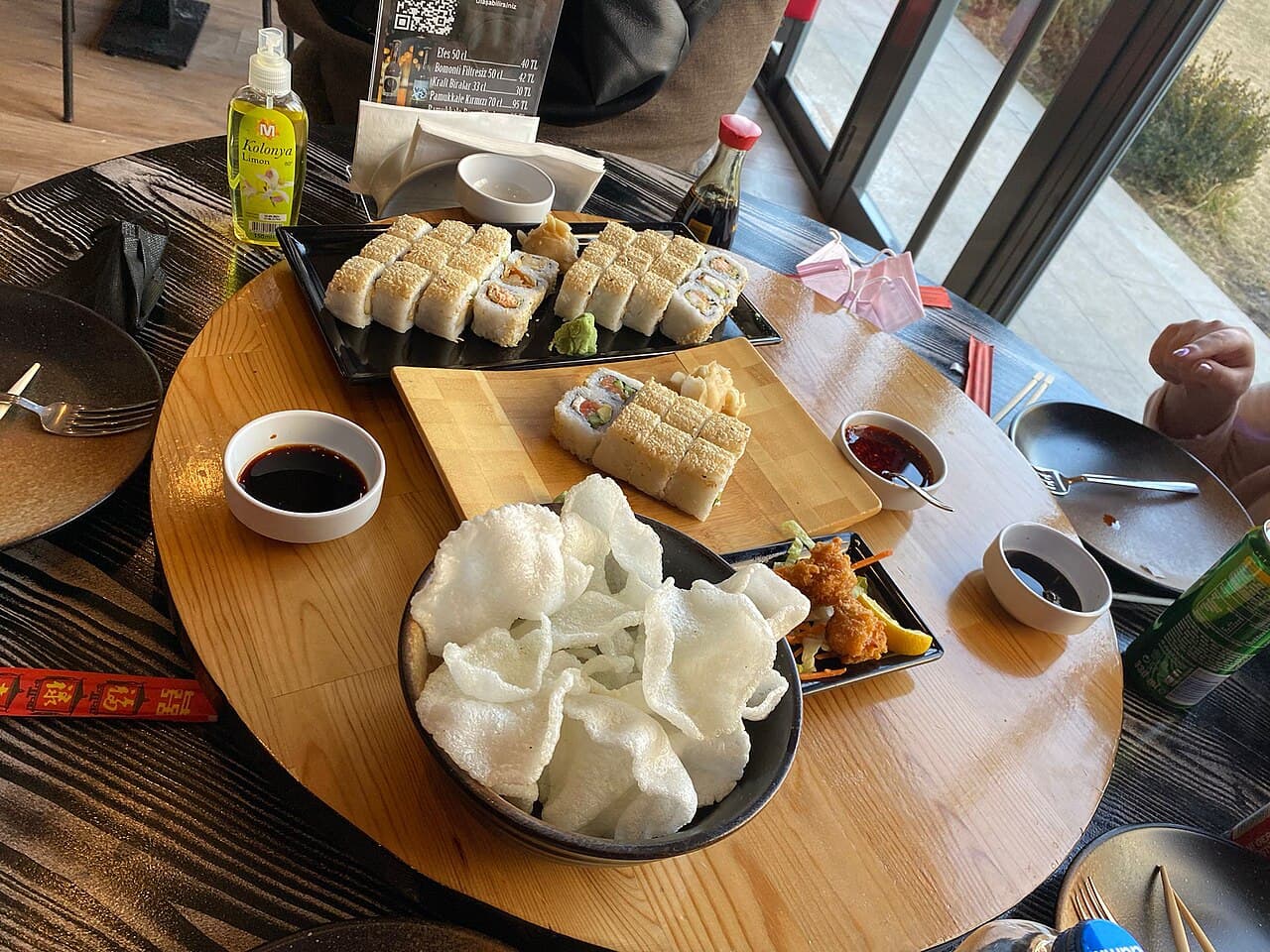
Japanese Table Manners Beyond Chopsticks: What First-Time Visitors Get Wrong
Japanese dining etiquette is less about strict rules and more about consideration: thanking the meal itself (itadakimasu, gochisosama), pouring for others before yourself, and sharing izakaya plates with the reverse end of your chopsticks. At a sushi counter, different norms apply again — fingers are fine, but following the chef's lead, not customizing your order, is the unspoken code.
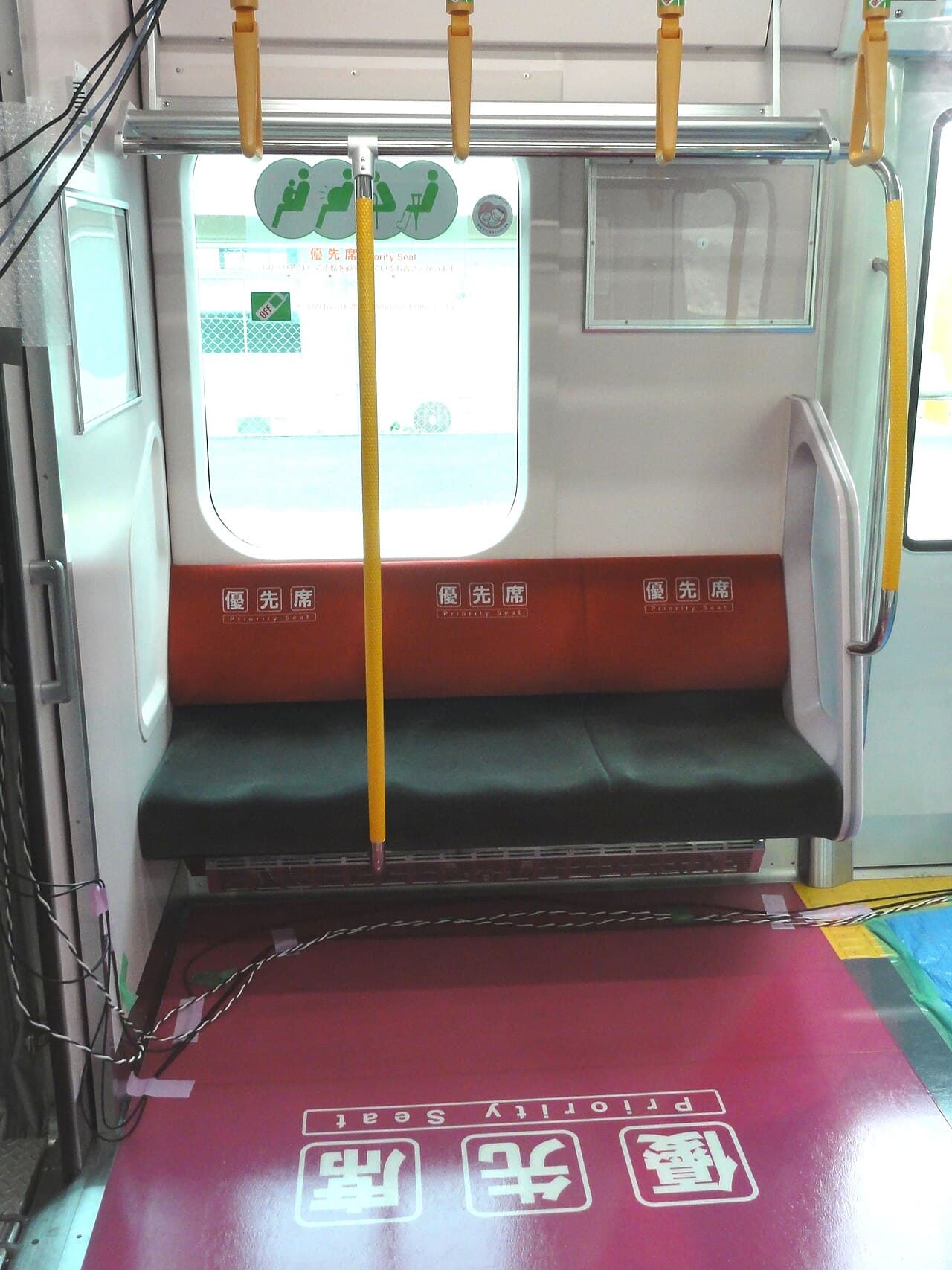
Train Etiquette in Japan: What Tourists Actually Need to Know
Keep your phone on silent and skip the calls, offer priority seats to anyone who needs one, and don't stress over which side to stand on the escalator — here's what actually matters on Japan's trains, and what's just internet myth.
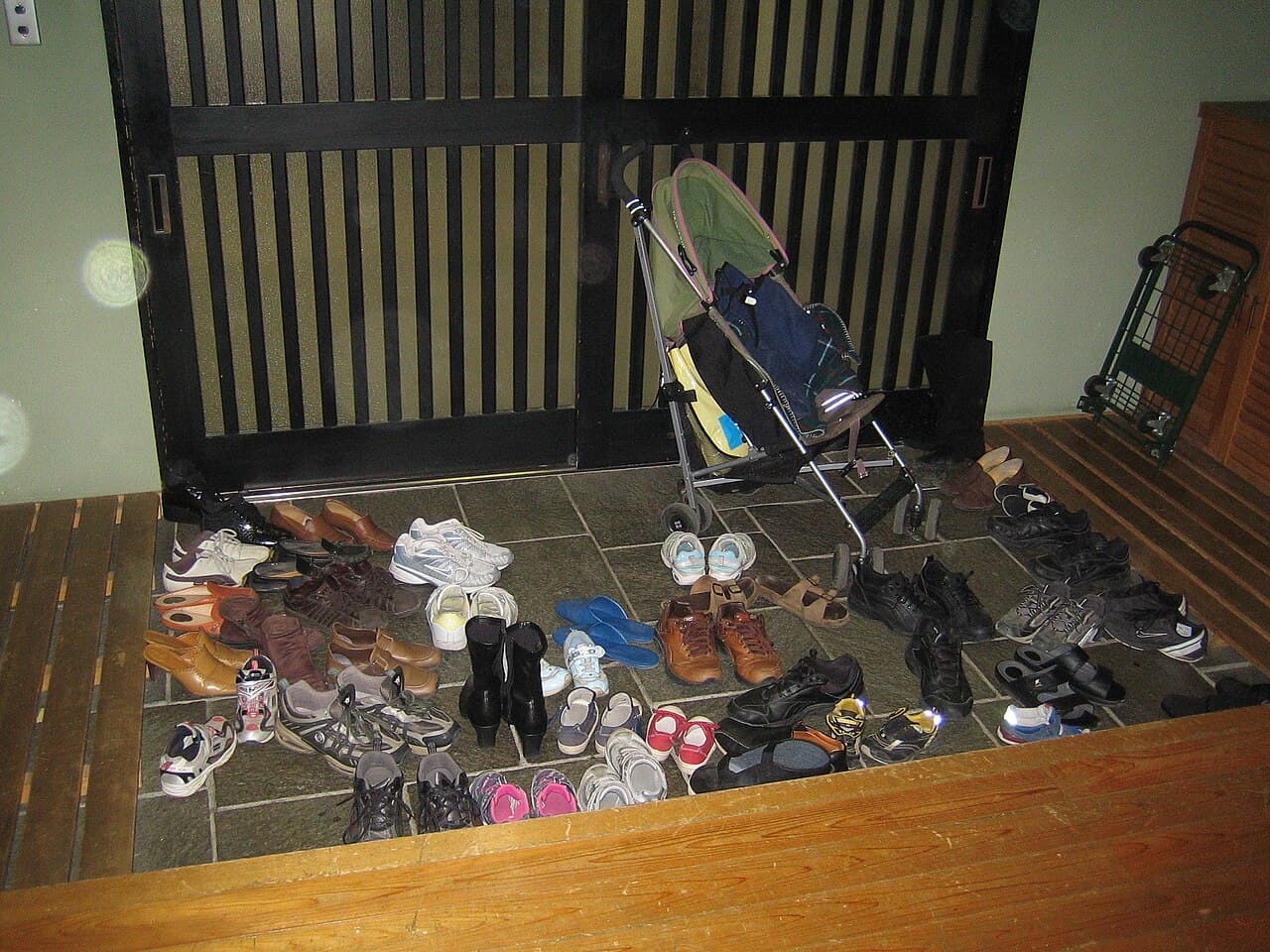
Do You Have to Take Your Shoes Off in Japan? The Genkan Rules Explained
Yes — in homes, ryokan, many temples and any tatami room. The entryway (genkan) marks a firm line between outside and in.