
浴衣怎么穿?男女通用的分步穿法指南
唯一绝对不能弄错的规则
在做其他任何事之前:浴衣永远是左边压在右边上面——先把右边裹到身上,再把左边盖在上面。右压左只用于给逝者穿的装束,所以这是唯一必须避免的错误。下面的内容都只是让穿着更整齐的细节。
需要准备的东西
- 浴衣本身
- 一件轻薄的内搭(背心和短裤,或一件轻薄的和服内衬),以免闷热
- 一到两根腰绳(腰紐)
- 腰带(女性用柔软的半幅带,男性用较硬挺的角带)
- 木屐(下駄)
分步穿法
- 穿好内搭,双臂穿入浴衣袖子。把浴衣在身后展开,让下摆刚好离地。
- 把背缝对准脊柱中线,将前襟两侧往前拉。
- 先裹右边。 把右边衣襟拉到左侧髋部,然后把左边衣襟盖在上面、拉到右侧髋部。这时左边应该在最上面——检查一下。
- 整理衣领,让两边在喉咙根部交叠。女性在后颈留一点小空隙;男性则让衣领贴近脖子。
- 系紧一根腰绳,扣在髋骨上方以固定衣身。(女性:把多余的长度提上来,在腰绳上方折下去,做出おはしょり折叠,让下摆落在脚踝处。男性不需要这一步——浴衣自然垂到原长即可。)
- 把皱褶抚向两侧和背后,理顺。
- 系腰带。 女性把腰带在腰部绕两圈,在背后打成蝴蝶结;男性把角带在胯部偏低的位置绕两圈,在背后打一个简单的结。
- 穿上木屐,就大功告成了。
常见问题的补救办法
- 衣领总是松开: 说明腰绳系得太松或位置太高——重新系得低一些、紧一些,扣在髋骨上方。
- 下摆太长: 把おはしょり的折叠做深一点(女性),或者在腰绳处把整件浴衣往上提。
- 感觉快要散开: 该重新系的是腰带,而不是衣领;真正撑住整体造型的是腰带。
什么时候、在哪里穿
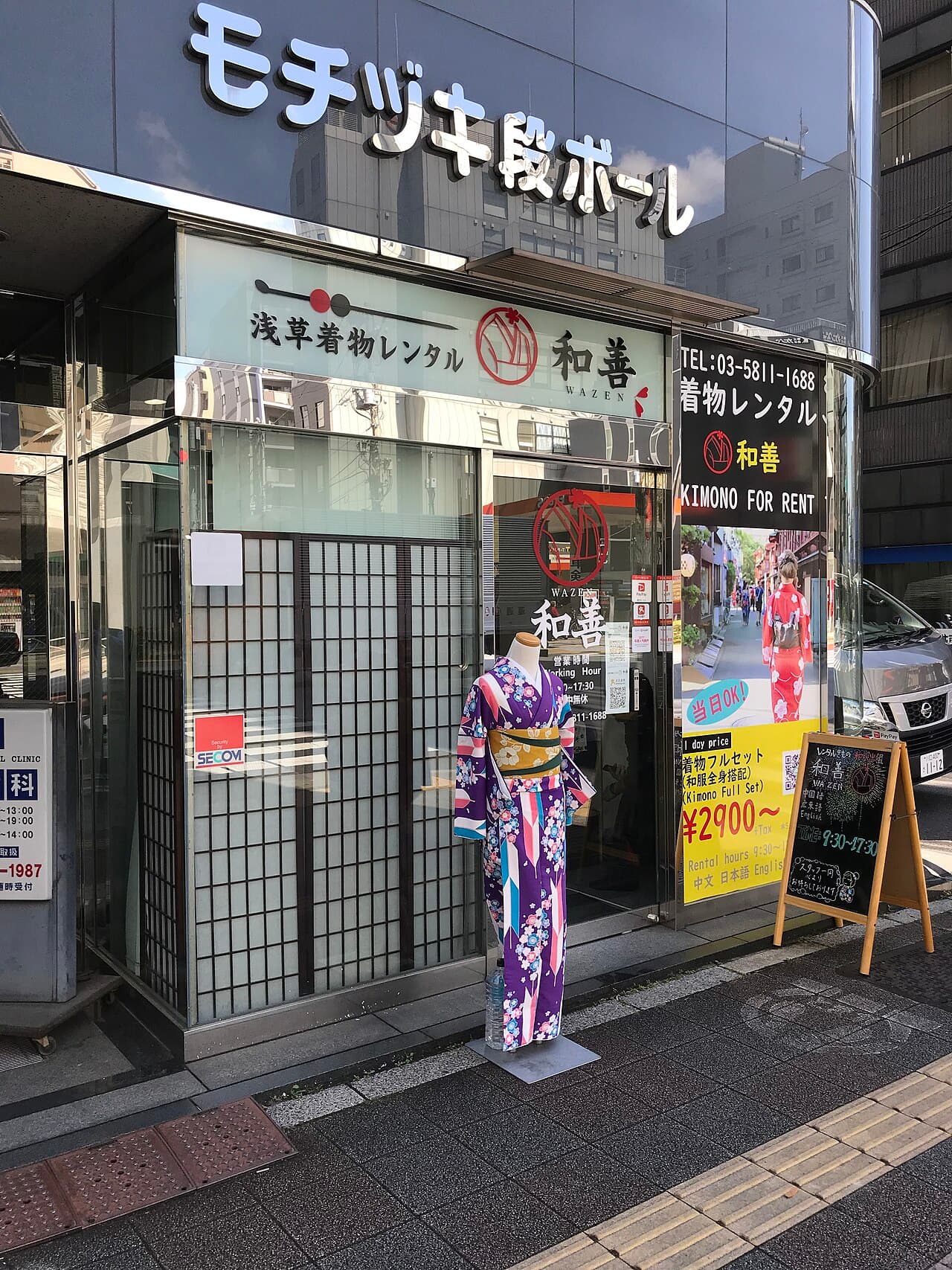
浴衣最适合在夏日祭典、烟花大会,以及旅馆或温泉放松时穿——这些地方通常会提供浴衣。想让人帮你穿得完美无瑕,还顺便做个发型?浅草的和服(夏季为浴衣)租赁服务正好能满足这个需求。如果打算穿着浴衣参加茶道体验,也别忘了先熟悉一下相关礼仪,并把它安排进京都最佳文化体验的行程里。想知道适合穿浴衣去参加的祭典日期,可以查看japan-event.info。
常见问题
- 浴衣应该哪一边压在上面?
- 永远是左边压右边——先把右边裹到身上,再把左边盖在上面。右压左只用于给逝者穿装束,所以这是唯一绝对不能弄错的规则。
- 浴衣和和服有什么区别?
- 浴衣是夏天、祭典以及旅馆、温泉常穿的休闲款无衬里棉质长袍;和服则更为正式,通常用丝绸等面料制成、带衬里且多层叠穿。浴衣穿着更简单,所需配件也更少。
- 怎样防止衣领松开或浴衣散开?
- 把内层的腰绳(腰紐)在髋骨处系紧,衣领在喉咙根部交叠得高一些(女性在后颈处留一点空隙),系腰带前把皱褶抚向背后。如果松了,重新系腰带,而不是去拉扯衣领。
- 男女系腰带的方式一样吗?
- 不一样。女性把腰带系在腰部,通常在背后打成蝴蝶结,并做出『おはしょり』折叠来调整长度;男性把较窄的角带系得更低、在胯部位置,浴衣保持原长,不做折叠。
Try it yourself
相关
茶道礼仪:第一次参加该做什么(和不该做什么)
面向初次体验者的日本茶道礼仪清晰指南:如何入席、接茶碗、品饮以及处理和果子——无需懂日语。
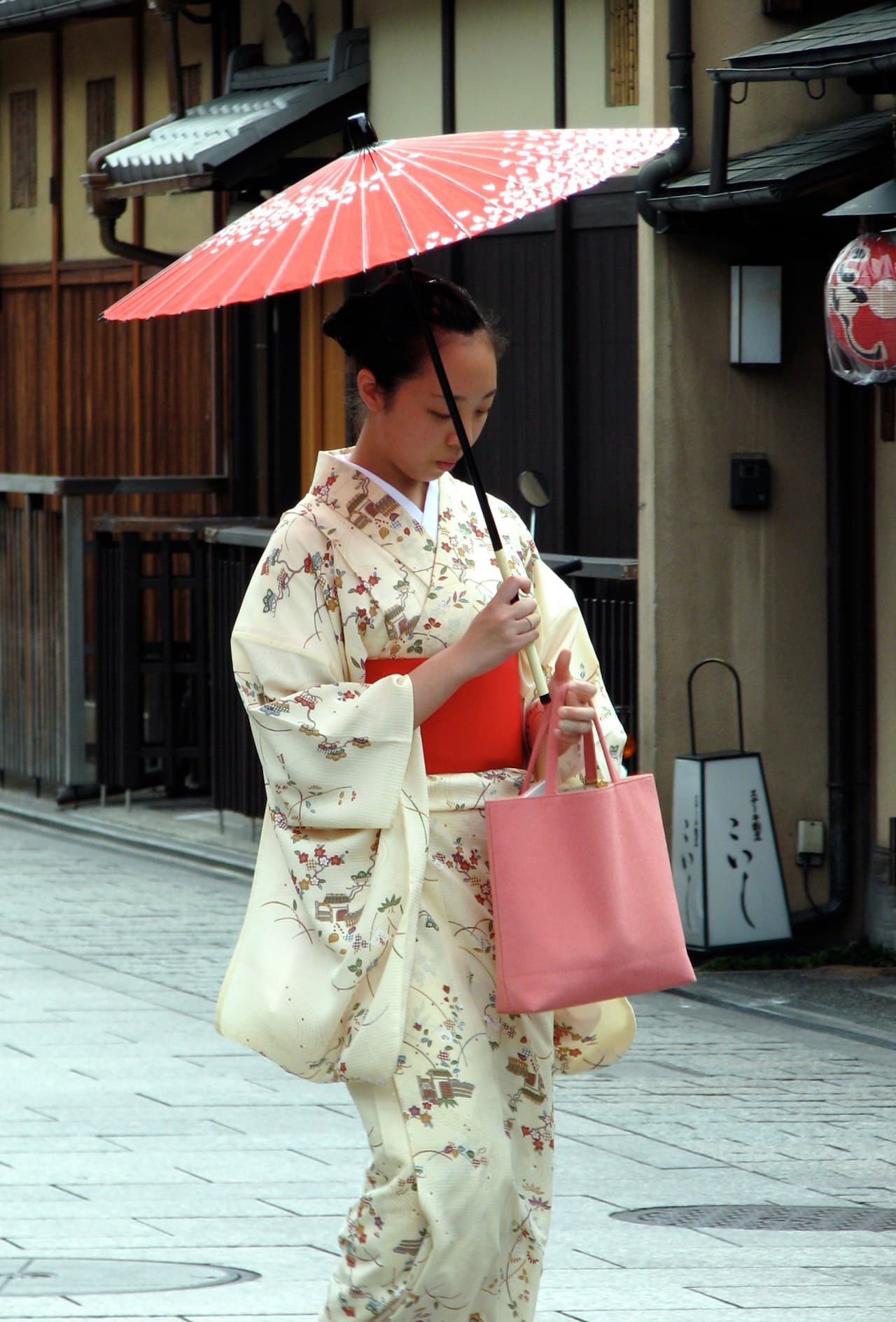
Kimono vs Yukata: The Difference (Fabric, Obi, Season) and Which One to Rent
The difference between a kimono and a yukata: a yukata is unlined cotton worn on bare skin with a narrow obi and geta, meant for summer; a kimono is silk or synthetic, worn over a juban under-robe with tabi, zori and a wider obi, in any season.