
What is ikebana? Japan's art of flower arrangement
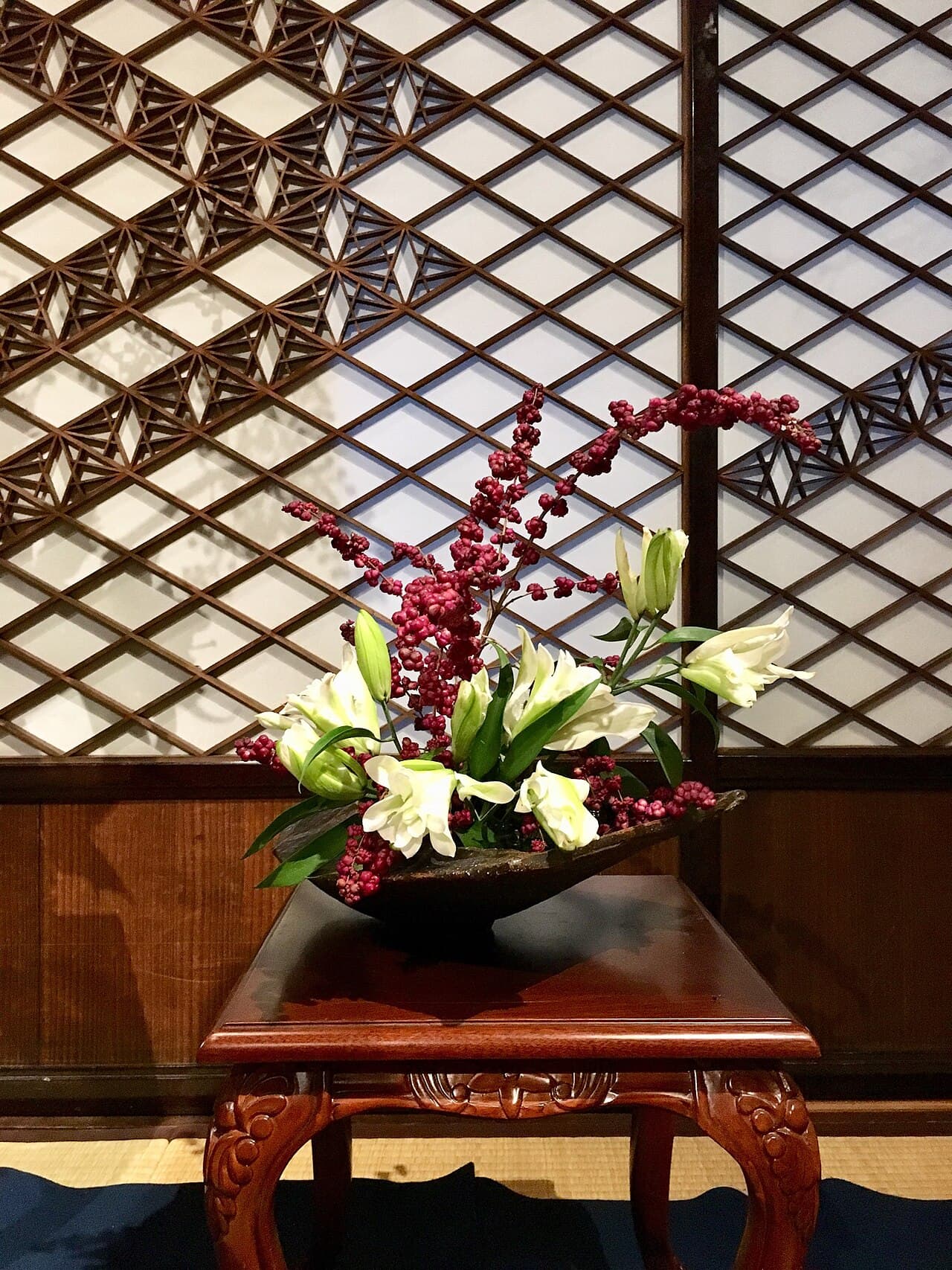
What is ikebana?
Ikebana (生け花, "living flowers"), also called kadō (華道, "the way of flowers"), is the Japanese art of flower arrangement — but it is less about filling a vase than about composing space, line and silence. An ikebana arrangement is deliberately asymmetrical and minimal: a few stems, branches and leaves placed so that the empty space between them matters as much as the flowers. It is one of Japan's traditional "ways" (dō), practised like tea ceremony or calligraphy as a path of discipline and attention.
Where it comes from
Ikebana grew from Buddhist flower offerings brought to Japan in the 6th century. By the 15th century it had become a formal art centred on the Ikenobo school in Kyoto, still the oldest and largest school today. Over the centuries it developed several styles.
The main styles
- Rikka (立花) — the oldest, tall and formal temple style representing a landscape.
- Shoka / Seika (生花) — a simpler classical style built on three main lines often read as heaven, earth and humanity.
- Moribana (盛花) — a modern, "piled-up" style in a shallow dish, using a spiked kenzan holder.
- Free style (jiyūka) — contemporary, sculptural and experimental.
The ideas behind it
- Asymmetry & negative space (ma): the gaps are part of the design.
- Minimalism: a few elements, chosen with care — close kin to wabi-sabi.
- Seasonality: the materials announce the time of year.
- Line over mass: branches and stems draw lines in space.
Try it yourself
Many studios in Kyoto and Tokyo run short ikebana classes for visitors, often in English, where you make and take home your own arrangement. Pair it with a tea ceremony for a day inside Japan's quiet arts — see our Kyoto cultural experiences guide. Always confirm price and language support with the studio before booking.
Try it yourself
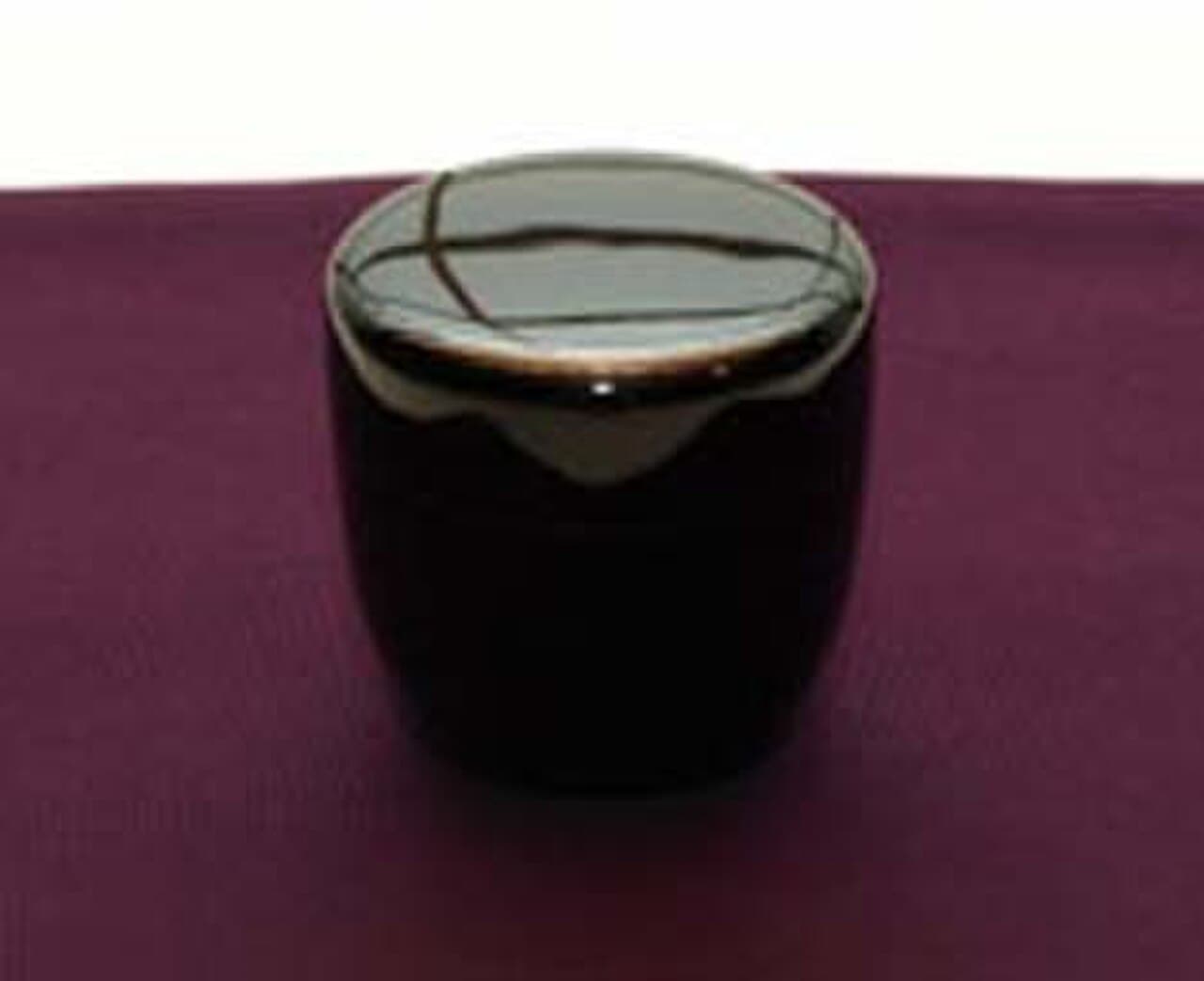
Tea ceremonyKyoto
Tea ceremony in Kyoto — the best English-friendly experiences (and how to book)
Book an English-guided tea ceremony in Kyoto from ¥4,000 per adult (Camellia, 45-minute shared session) or ¥5,000 with kimono (MAIKOYA, about 90 minutes), as of September 2026 — plus the few manners that matter.
Related
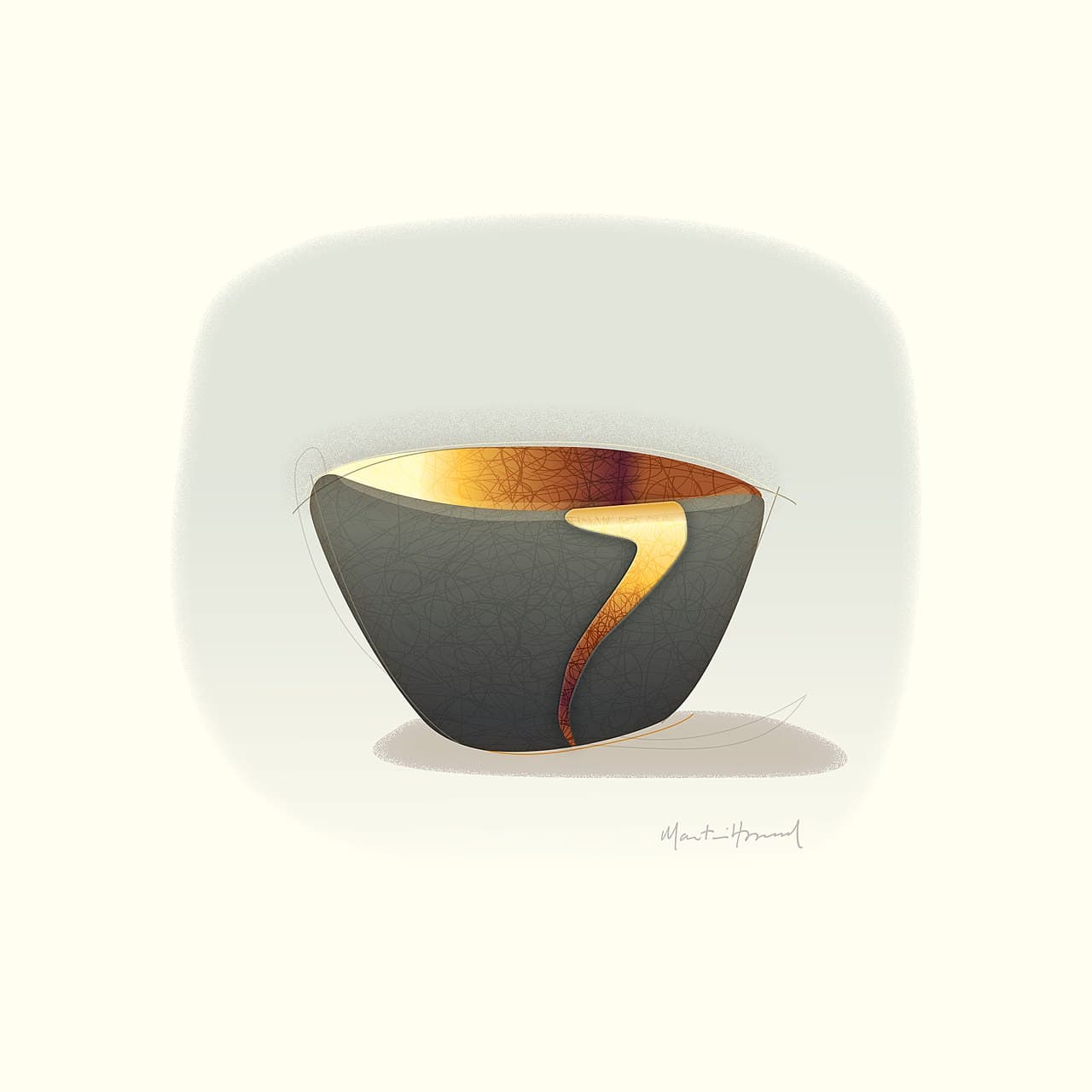
What is wabi-sabi? Meaning, examples, and how to experience it
A clear explainer of wabi-sabi — the Japanese aesthetic of imperfection, impermanence and quiet simplicity — with real examples and where to feel it for yourself.
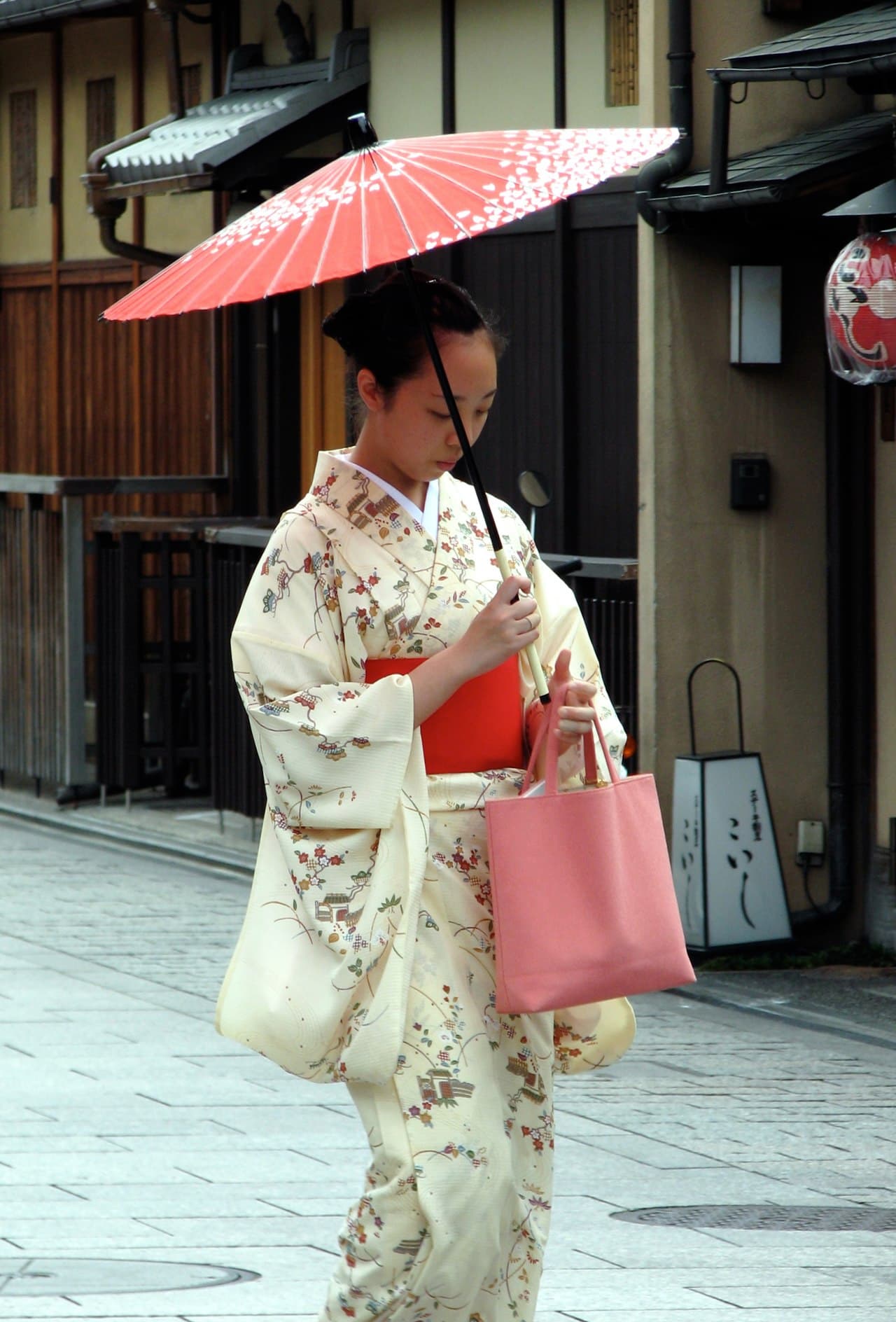
Kyoto
The best cultural experiences in Kyoto for first-timers
An honest, first-timer's shortlist of bookable Kyoto cultural experiences — tea ceremony, kimono, zazen, calligraphy and more — with how to choose and what each is really like.