Matcha Shortage 2026: Does It Affect Your Kyoto Tea Ceremony Booking?
As of 2026-07-24, Japan's matcha shortage is real, well documented, and now well into its second year — but it's mostly hitting the tin of powder you'd bring home, not the tea ceremony you book in Kyoto. Here's what's actually happening, and what it means if you're planning to go.
What's actually short
The shortage is specifically in tencha — the shade-grown leaf that's stone-ground into matcha — not green tea in general. Tencha is harvested only once a year, each spring, and a traditional stone mill grinds just 30–40 grams an hour, so supply can't simply ramp up mid-year. Japan's tea-farming population has also shrunk fast, from over 54,000 growers in 2000 to around 20,000 today, with the average grower now in his sixties (Tokyo Cheapo, updated February 2026).
The numbers are striking. Auction prices for matcha jumped roughly 170% in 2025 as some of Uji's oldest tea gardens began rationing sales (Vision Times, February 2026). A standard 40g tin of matcha that used to run about ¥1,500 was going for roughly ¥6,500 as of Tokyo Cheapo's most recent check in Ueno — more than four times the price — and shop staff there were still capping purchases at one tin per customer.
Why it's specifically a tea-ceremony problem
Not all matcha is equal, and that's part of the story. Simona Suzuki, president of the Global Japanese Tea Association, told Tokyo Cheapo that ceremony-grade matcha — the kind whisked straight into usucha (thin tea) or koicha (thick tea) for a formal ceremony — is increasingly being poured into lattes and smoothies instead, "which in turn reduces the availability for those who wish to enjoy it in the traditional way." In other words, the shortage is squeezing the exact grade your host would use hardest, because global café demand is competing for the same limited spring harvest.
Does this mean your tea ceremony costs more?
Here's the honest answer: we could not find published evidence that booked tea-ceremony experience prices in Kyoto have risen because of the shortage. Listings on major booking platforms currently price Kyoto sessions from roughly ¥1,100 per person for a shared group ceremony up to about ¥15,000 for a longer private one. That's plausible for a simple reason — a ceremony uses only a few grams of matcha per guest, a small fraction of what you're actually paying for (the host's training, the tea room, the utensils), so a spike in wholesale leaf prices doesn't automatically move the ticket price the way it moves a retail tin.
What the shortage does affect is availability and consistency. Some hosts may be quietly switching suppliers or using a slightly different grade when their usual tencha runs low. If sourcing matters to you, it's worth asking your studio directly when you book, and checking tea-ceremony-kyoto or best-tea-ceremony-kyoto for the latest verified prices rather than assuming the worst.
If you also want to buy matcha to take home
That's a separate decision from booking a ceremony, and it's where the shortage bites hardest. Our sister site CHANOMA has tracked Japan's own agriculture-ministry and tea-auction data on this in detail — see Is There a Matcha Shortage in 2026? for the numbers behind the retail price jump, and expect one-tin-per-customer limits at popular Kyoto and Tokyo tea shops through at least the rest of 2026.
Booking a ceremony now
Go ahead and book. Favor a studio that's transparent about where its tea comes from over one that won't say, confirm the current price when you reserve, and consider pairing your session with a wagashi-making class in Kyoto or a tea ceremony in Tokyo if Kyoto slots are tight — the shortage hasn't changed how the ritual works, only what's happening two steps back in the supply chain.
FAQ
- Is Japan's matcha shortage real in 2026?
- Yes. The Global Japanese Tea Association describes an unprecedented shortage of ceremony-grade tencha; Tokyo tea shops were still enforcing one-tin-per-customer limits in February 2026, and prices for a standard 40g tin have risen from about ¥1,500 to roughly ¥6,500.
- Has the shortage made Kyoto tea ceremony experiences more expensive?
- We found no published data showing booked ceremony prices have risen. Platforms currently list Kyoto sessions from about ¥1,100 (group) to ¥15,000 (private) per person — the shortage has hit take-home matcha tins far harder than the ceremony itself, since a session uses only a few grams per guest.
- Why is tea-ceremony-grade matcha specifically running short?
- The Global Japanese Tea Association says ceremony-grade matcha (used for usucha and koicha) is increasingly diverted into lattes and smoothies, which reduces what's left for traditional preparation — on top of a shrinking farmer base and shade-grown tencha that can only be harvested once a year, each spring.
- Should I still book a tea ceremony in Kyoto right now?
- Yes — book as normal, but confirm the price when you reserve since it's a moving situation, and favor a studio that's open about its tea sourcing over one that isn't.
Try it yourself
Tea ceremonyKyoto
Tea ceremony in Kyoto — the best English-friendly experiences (and how to book)
Where to actually do a tea ceremony in Kyoto, English-guided, with honest prices and the few manners that matter — plus a direct way to book.
Tea ceremonyTokyo
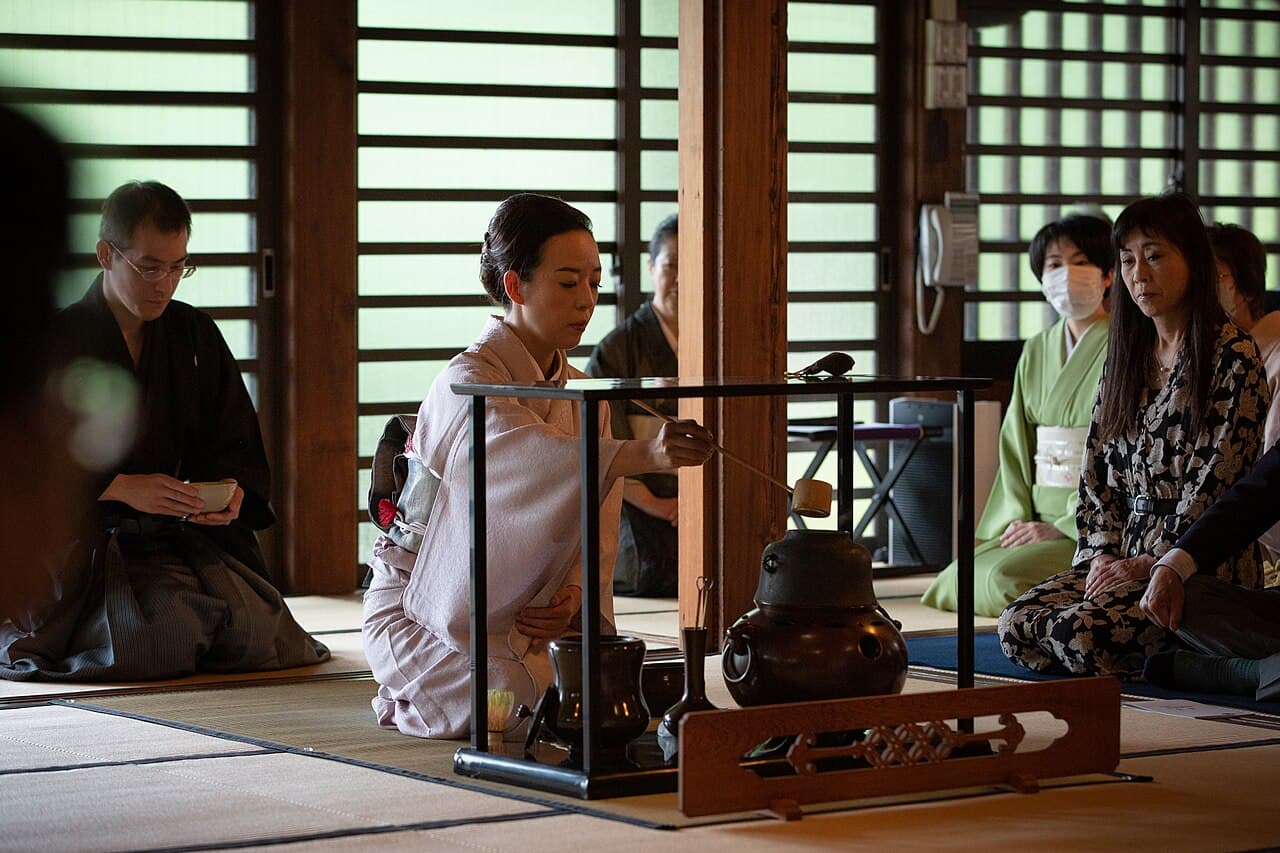
Tea ceremony in Tokyo — English-friendly tea rooms in Ginza, Shibuya & Asakusa (and how to book)
Where to experience a tea ceremony in Tokyo with English guidance — honest prices (from about ¥3,500), how long it takes, what actually happens, kimono options, and real booking links for Ginza, Shibuya and Asakusa.
Wagashi makingKyoto
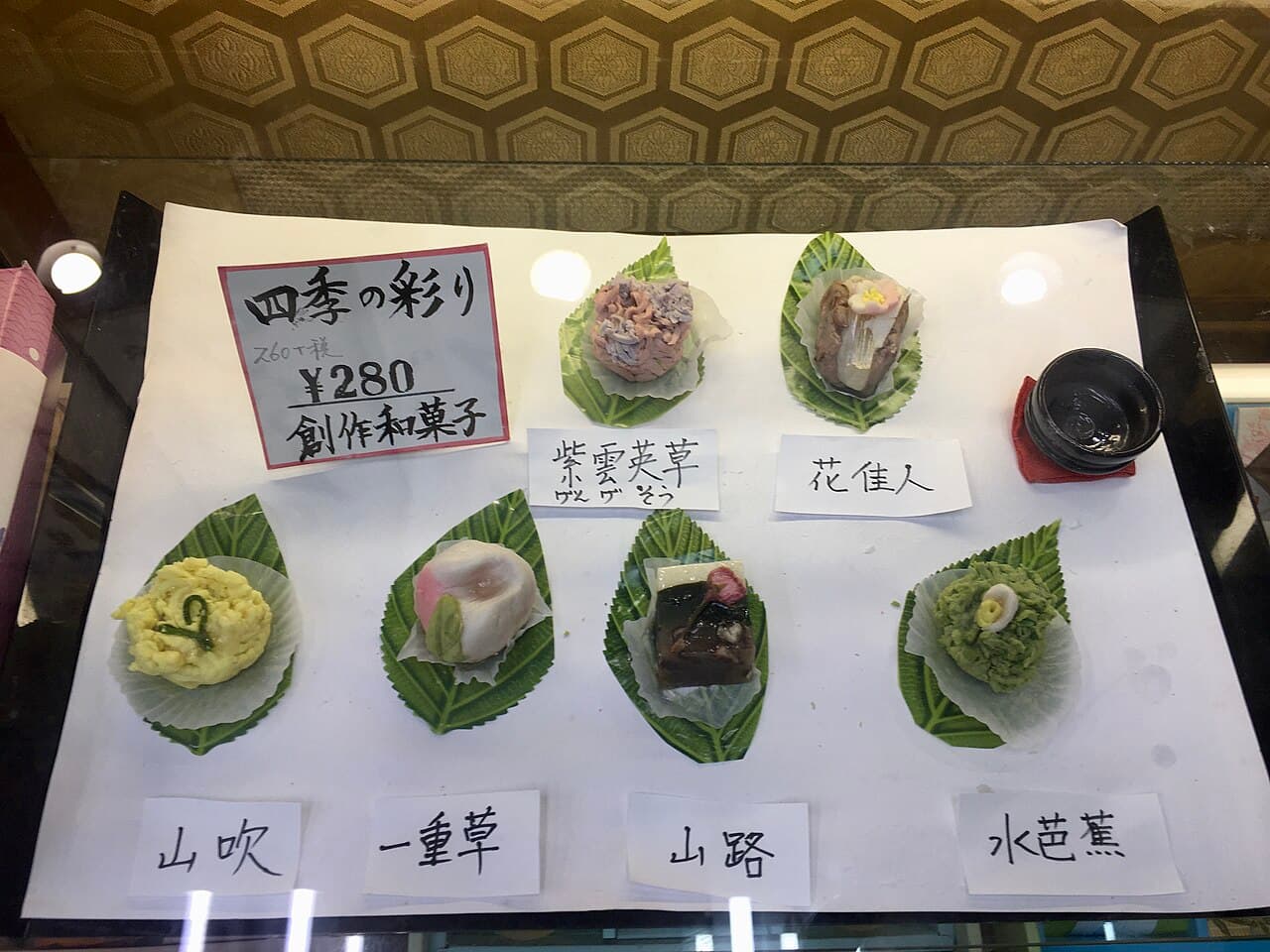
Wagashi making class in Kyoto — sculpt seasonal nerikiri sweets, English-friendly (and how to book)
Where to take a wagashi (nerikiri) making class in Kyoto — English support, honest prices from ¥3,700, what you actually make, real booking links, and how to pair it with a tea ceremony.