
Yakudoshi explained: Japan's unlucky years by age (2026 table), how they are counted, and how to get yakubarai
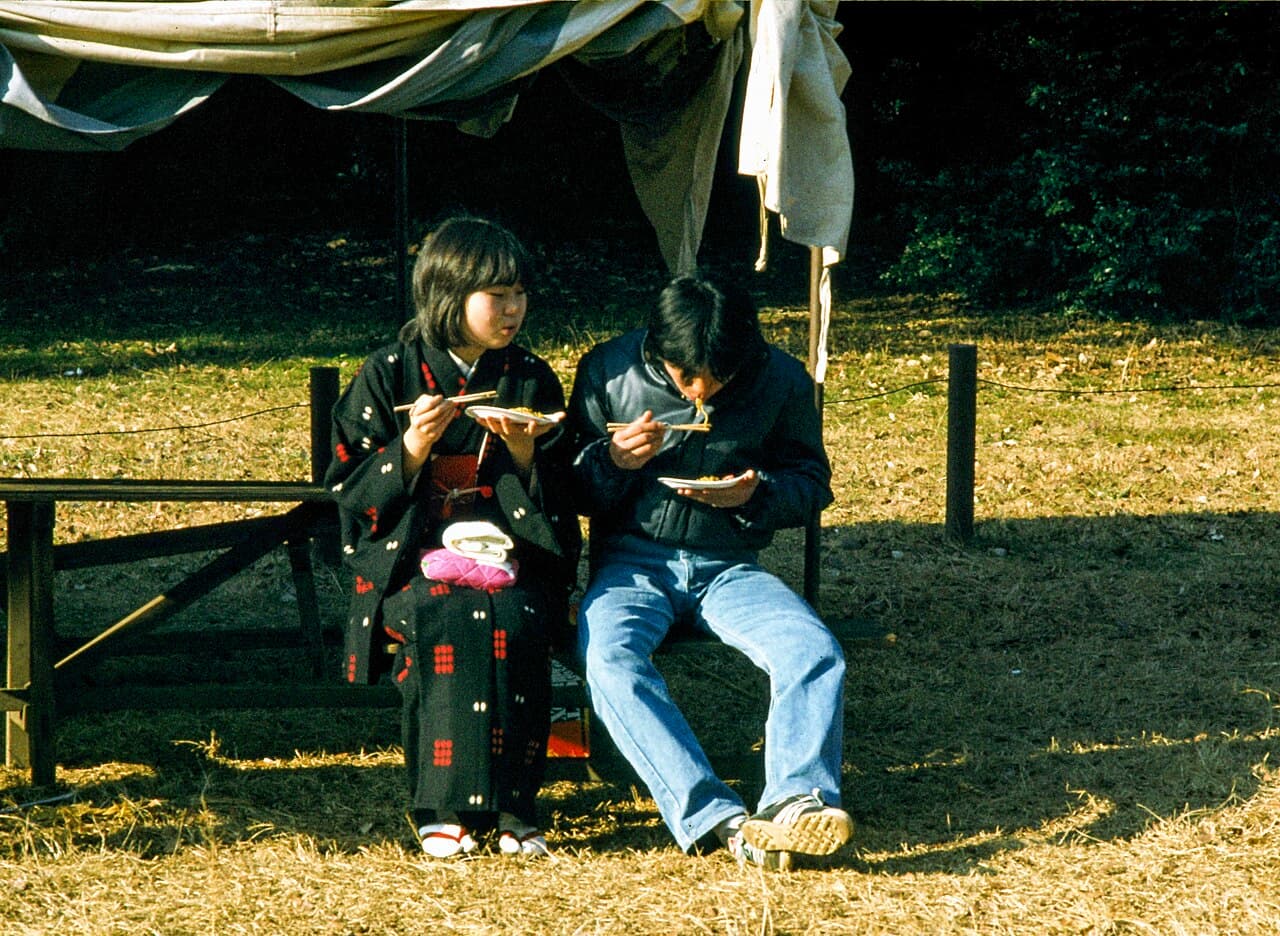
*Yakudoshi (厄年) are the ages that Japanese shrines and temples treat as life-transition years — men at 25, 42 and 61, women at 19, 33 and 37 (some lists add 61) — counted in kazoe-doshi, where you are 1 at birth and gain a year every 1 January. That is why the year you turn 41 by Western counting can already be the "big one".* The ages, the 2026 tables, the counting rule and the practical go-info below are taken from the official pages of Jinja Honchō (the Association of Shinto Shrines), Naritasan Shinshō-ji, Kawasaki Daishi and Meiji Jingū, as of 2026-10-11.
What yakudoshi actually means
Jinja Honchō, the association of Shinto shrines, gives the reference definition: yakudoshi are periods in a life when a person reaches a turning point physically, in their family circumstances and in their standing in society, and are therefore observed with caution as years when poor health or misfortune are thought more likely. Meiji Jingū's FAQ adds the modern framing — "even in an age of advanced medicine, these are still regarded as ages that call for care in all things". Three points matter for a visitor:
- Jinja Honchō treats it as a rite of passage, and the ages vary by region. Jinja Honchō itself says the ages "differ somewhat by region", and groups yakudoshi with shichi-go-san, coming-of-age and the longevity celebrations as tsūka-girei, rites of passage.
- *It was originally a celebratory (hare) age. According to Jinja Honchō, yakudoshi was once thought of in the same breath as kanreki (61) and koki (70): reaching it meant taking on a recognised position in the community — joining the miyaza that runs the local shrine's rites, carrying the mikoshi — which required a period of ritual purity (monoimi). The yaku of yakudoshi, it notes, is said to be the yaku (役) of "duty", not only the yaku* (厄) of "misfortune".
- Today the danger reading dominates. The rite goes by two names: shrines usually say yakubarai (厄祓い, "sweeping away"), although Jinja Honchō writes 厄除け beside it and Meiji Jingū heads its Q&A entry 厄祓(厄除); temples say yakuyoke (厄除け, "warding off"). More on the shrine/temple difference below.
The ages, and how kazoe-doshi counting works
| Honyaku (本厄, the year itself) | Daiyaku (大厄) | |
|---|---|---|
| Men | 25 · 42 · 61 | 42 |
| Women | 19 · 33 · 37 (· 61) | 33 |
Source: Jinja Honchō; Meiji Jingū and Naritasan give the same daiyaku ages (2026-10-11). The year before each honyaku is maeyaku (前厄) and the year after is atoyaku (後厄); Naritasan's page says both should be treated with the same care as the honyaku itself.
The counting rule. Jinja Honchō: kazoe-doshi means you are already 1 at birth and add a year on New Year's Day. Meiji Jingū's FAQ turns that into arithmetic — your full (Western) age plus 2 before this year's birthday, plus 1 after it — and Naritasan shortens it to "full age plus 1".
Worked example. Someone born on 15 June 1985 is 40 by Western counting on 1 January 2026, but 42 in kazoe-doshi — so the whole of 2026 is his honyaku and daiyaku at a shrine that follows Jinja Honchō, even though he will not "turn 42" in the Western sense until June 2027. In 2025 he was 41 and in maeyaku. If you search "yakudoshi 41" and land on contradictory answers, check which counting system each source uses — this one-year offset is one documented cause.
2026 (Reiwa 8) table by birth year — kazoe-doshi
The two tables below are Jinja Honchō's and Naritasan's Reiwa 8 charts, which agree row for row except that Naritasan has no 36/37/38 block for women (confirmed on both pages, 2026-10-11). Western years are the arithmetic equivalents of the Japanese era years printed on the official pages (Heisei 15 = 2003, Shōwa 60 = 1985, and so on).
Men (kazoe-doshi, 2026)
| Maeyaku (前厄) | Honyaku (本厄) | Atoyaku (後厄) |
|---|---|---|
| 24 — born 2003 (Heisei 15) | 25 — born 2002 (Heisei 14) | 26 — born 2001 (Heisei 13) |
| 41 — born 1986 (Shōwa 61) | 42 (daiyaku) — born 1985 (Shōwa 60) | 43 — born 1984 (Shōwa 59) |
| 60 — born 1967 (Shōwa 42) | 61 — born 1966 (Shōwa 41) | 62 — born 1965 (Shōwa 40) |
Women (kazoe-doshi, 2026)
| Maeyaku (前厄) | Honyaku (本厄) | Atoyaku (後厄) |
|---|---|---|
| 18 — born 2009 (Heisei 21) | 19 — born 2008 (Heisei 20) | 20 — born 2007 (Heisei 19) |
| 32 — born 1995 (Heisei 7) | 33 (daiyaku) — born 1994 (Heisei 6) | 34 — born 1993 (Heisei 5) |
| 36 — born 1991 (Heisei 3)† | 37 — born 1990 (Heisei 2)† | 38 — born 1989 (Heisei 1)† |
| 60 — born 1967 (Shōwa 42) | 61 — born 1966 (Shōwa 41) | 62 — born 1965 (Shōwa 40) |
† Jinja Honchō only; this block is absent from Naritasan's 2026 table. Reiwa 9 (2027) rows will be added on this page as soon as these institutions publish them (none had as of 2026-10-11); until then, for 2027 add one year to each birth year.
Why two sources give you different years
Three documented differences between the institutions themselves can produce contradictory answers even when every source is correct.
1. Kawasaki Daishi counts by full age, not kazoe-doshi. Its yakudoshi page states that it uses "the full age in that year" (その年の満年令), and its Reiwa 8 chart (PDF) repeats that the table shows "the age you reach on this year's birthday". Its blocks therefore read men 24 / 25 / 26, 41 / 42 / 43 and 59 / 60 / 61, and women 18 / 19 / 20, 32 / 33 / 34 and 59 / 60 / 61 — note that the sixties honyaku is 60, not 61. The practical effect for the 2026 cohorts:
| Born | Shrine following Jinja Honchō (kazoe) | Naritasan (kazoe) | Kawasaki Daishi (full age) |
|---|---|---|---|
| Man, 1985 | 42 — honyaku / daiyaku | 42 — honyaku / daiyaku | 41 — maeyaku |
| Man, 1984 | 43 — atoyaku | 43 — atoyaku | 42 — honyaku |
| Woman, 1994 | 33 — honyaku / daiyaku | 33 — honyaku / daiyaku | 32 — maeyaku |
| Woman, 1993 | 34 — atoyaku | 34 — atoyaku | 33 — honyaku |
| Woman, 1990 | 37 — honyaku | not listed | not listed |
| Anyone, 1966 | 61 — honyaku | 61 — honyaku | 60 — honyaku |
The sixties block lands on the same birth year everywhere, because "60 by full age" and "61 in kazoe-doshi" describe the same people; the twenties, thirties and forties blocks shift by one year. (Ages from the official pages; birth years derived, 2026-10-11.)
2. Women's 37 and 61 are not on every list. Jinja Honchō writes "19, 33, 37 (and 61)" and prints a 60/61/62 block for women; Meiji Jingū's FAQ gives 19, 33 and 37; Naritasan's page gives 19, 33 and 61 and its table skips 37 entirely.
3. Regional custom. Jinja Honchō says in so many words that the ages vary somewhat by region, and that a local custom can also set when the rite is done.
The rule that resolves all three: follow the institution you will actually visit. Use its own table or birth-year calculator (Naritasan and Kawasaki Daishi both publish one), not a third-party "yakudoshi calculator".
Yakubarai and yakuyoke: what happens, when, what to wear, what you receive
Shrine or temple? At a Shinto shrine the rite is a purification before the kami, usually called yakubarai (厄祓い) — Jinja Honchō's own wording is 厄祓いの儀(厄除け), so you will see yakuyoke at shrines too; at a Buddhist temple it is called yakuyoke (厄除け). At Kawasaki Daishi (Chisan school of Shingon Buddhism, per its English site) it takes the form of a goma fire ceremony in the main hall; at Naritasan the Shakadō performs a dedicated purification in which every applicant's name is read aloud, while goma prayers are held separately in the Great Main Hall. Both are open to the public and both are received the same way in practice — apply, pay, sit through the ceremony, receive an ofuda. If you are unsure which building you are standing in, temple vs shrine in Japan explains how to tell and how to pray at each.
What happens — shrine (Meiji Jingū). You fill in a prayer form at the Kaguraden entrance, hand it in with the hatsuho-ryō (offering), wait in the waiting area and then join the next group ceremony (they are held roughly every thirty minutes): a large drum is struck, a purification is performed, the norito prayer is read, and a miko dances the Yamato-mai, a kagura created specifically for Meiji Jingū's prayer services. You are prayed for together with other applicants.
What happens — temple (Kawasaki Daishi). You apply at the goma reception to the right of the main hall, ideally 10–15 minutes before a sitting; a short dharma talk precedes the rite; your name is written on the ofuda with a brush; during the goma the monks invite you up close to the principal image to chant "Namu Daishi Henjō Kongō" with them. The ofuda is handed to you afterwards.
When. Jinja Honchō: because kazoe-doshi ages change at New Year, many people have the rite done then, but "unless there is a special local custom there is no rule that it must be done by a certain date" — pick a good day such as your birthday, and if you can, do it as early in the year as possible. Meiji Jingū: traditionally during the New Year matsunouchi period or at Setsubun, but nowadays people come all year, and the Kaguraden performs yakubarai every day. (What Setsubun is, and why temples hold bean-throwing on it, is on our sister site: Setsubun and mamemaki.)
What to wear. Jinja Honchō: there is generally no dress code, but avoid anything that would be rude if you were meeting a superior; individual shrines may have their own rules, and some ask you to remove your shoes — bare feet can be considered impolite, so wear socks or stockings. Meiji Jingū's visitor page asks for "dress appropriate to a visit to the shrine".
What you receive. An ofuda — Meiji Jingū's kigan-shinpu, the temples' goma-fuda (Kawasaki Daishi offers a wooden or a pocket-size paper version) — which you enshrine at home in a clean place. Naritasan's five-step guide ends with returning it after a year or once the wish is fulfilled and receiving a new one; the same return-and-renew logic applies to the yakuyoke amulets sold at the amulet counter, which is covered in our omamori guide.
Fees (printed on the official pages, 2026-10-11). Meiji Jingū: from ¥5,000; from ¥10,000 your name is written on the ofuda; 1–3 January from ¥10,000; the Kaguraden does not take credit cards (official English Q&A). Naritasan (Shakadō): ¥7,000 or ¥12,000. Kawasaki Daishi: goma ¥5,000 / ¥7,000 / ¥10,000, large goma ¥20,000, special large goma from ¥30,000. Anything not listed here — confirm on the official page (公式で確認): https://www.meijijingu.or.jp/sanpai/3.php · https://www.naritasan.or.jp/pray/yakuyoke/ · https://www.kawasakidaishi.com/yakuyoke/.
Can a visitor do it? Practical go-info
Nothing on the four official pages limits the rite by nationality or residence — Meiji Jingū's English Kigansai page states that "those who are not of the Shinto faith may also attend" — and the three venue pages — Meiji Jingū, Naritasan and Kawasaki Daishi — each state that individuals need no reservation. What they do say (2026-10-11):
| Meiji Jingū (Tokyo · shrine) | Naritasan Shinshō-ji (Chiba · temple) | Kawasaki Daishi (Kanagawa · temple) | |
|---|---|---|---|
| Where to apply | Kaguraden front desk, to the right (east) of the main sanctuary | Shakadō | Goma reception to the right of the Daihondō |
| Reception hours | 9:00–16:20 (watch the early closing in Nov–Dec) | 8:00–15:30 | apply 10–15 min before a sitting (recommended) |
| Sittings | about every 30 min, ~9:30–16:30; apply 10 min before | prayer in the hall after application | Mon–Sat incl. public holidays 6:30 (6:00 Apr–Sep), 9:00, 10:30, 11:30, 13:00, 14:30, 15:30; Sun 6:30 (6:00 Apr–Sep), 9:00, 10:30, 11:30, 13:00, 14:00, 15:00, 16:00 — regular schedule 1–2 Feb to 31 Dec (different times on the 21st of each month), subject to change on event days |
| Reservation | not needed for individuals | not needed | not needed |
| Not in a yakudoshi year? | choose josai-shōfuku (general misfortune-clearing) instead | can still receive it | can still receive it |
| Can't come in person? | prayer by post available | family or a proxy may apply at the desk | ofuda by post or online application |
| English | official English Kigansai page: "All guidance is in Japanese only", though "detailed English information about registration will be provided at the reception desk"; request form in Japanese; cash in Japanese yen only (2026-10-11) | no English prayer page found — 公式で確認 | English site with a Goma page; prayer form in Japanese — 公式で確認 |
Language, honestly. Meiji Jingū's official English Kigansai page says "All guidance is in Japanese only" and that all oral guidance will be in Japanese — but the same page also says "detailed English information about registration will be provided at the reception desk", and the request form is filled in in Japanese. Neither Naritasan nor Kawasaki Daishi promises an English-language ceremony or form. Write your name in katakana or rōmaji and your birth date in Western years before you go, and know which wish to point at, because the label differs by venue: Meiji Jingū lists it as 厄祓, Kawasaki Daishi's goma wish list prints it as 災厄消除(やくよけ) rather than 厄除け, and at Naritasan you fill in the form provided at the Shakadō, which is for the 開運厄除御祓 rite itself. Kawasaki Daishi is an eight-minute walk from Kawasaki-Daishi Station on the Keikyū Daishi Line (official English access page); our sister site has the temple's festival and hatsumode profile. If you want a shrine or temple visit built into a broader day of culture, start from the best cultural experiences in Japan.
Related milestones: kanreki and shichi-go-san
Kanreki (還暦, kazoe 61). Meiji Jingū's FAQ explains the name: the sexagenary cycle of ten stems and twelve branches returns to its start after sixty years, so the sixty-first year is a "second birth", celebrated for both men and women — and it is the same age as the third yakudoshi; Jinja Honchō notes that yakudoshi was originally a hare age, like the longevity celebrations kanreki (61) and koki (70). The later longevity years listed by Meiji Jingū (all but the 100th are also marked on Kawasaki Daishi's chart) are koki 70, kiju 77, sanju 80, beiju 88, sotsuju 90, hakuju 99 and hyakuju 100. If you are in Japan at New Year, note that Meiji Jingū says its prayer reception point may differ during the hatsumode and shichi-go-san seasons — see hatsumode 2027 before you plan a yakubarai on 1–3 January.
Shichi-go-san (七五三). Meiji Jingū's FAQ notes that it, too, was once reckoned in kazoe-doshi (boys at 3 and 5, girls at 3 and 7) but is now generally done by full age, around 15 November. A prayer visit is also a natural moment to receive a goshuin; at Meiji Jingū the goshuin counter is the Nagadono in front of the Kaguraden, from 9:00 until closing.
Sources
- Jinja Honchō, 厄祓い (yakudoshi ages, kazoe-doshi definition, Reiwa 8 tables, timing and dress) — https://www.jinjahoncho.or.jp/omairi/yakubarai/ (2026-10-11 確認)
- Naritasan Shinshō-ji, 開運厄除御祓 (Reiwa 8 table, reception hours, fees, FAQ) — https://www.naritasan.or.jp/pray/yakuyoke/ (2026-10-11 確認)
- Kawasaki Daishi, 厄年 (full-age counting, age blocks) — https://www.kawasakidaishi.com/yakuyoke/yakudoshi/; 厄除け・護摩祈祷 (Reiwa 8 goma times, fees) — https://www.kawasakidaishi.com/yakuyoke/; Reiwa 8 age chart PDF — https://www.kawasakidaishi.com/doc/yakudoshi/yakudoshi_table_r08.pdf; English site (denomination, access) — https://www.kawasakidaishi.com/english/ (2026-10-11 確認)
- Meiji Jingū, ご祈願 Q&A (ages, daiyaku, timing, kazoe-doshi formula, kanreki, shichi-go-san) — https://www.meijijingu.or.jp/faq/?ca=4; ご祈願の方へ(個人)(reception, fees) — https://www.meijijingu.or.jp/sanpai/3.php; ご参拝の方へ (dress, goshuin counter) — https://www.meijijingu.or.jp/sanpai/2.php; English Q&A (payment) — https://www.meijijingu.or.jp/en/qa/; English Kigansai page (language, attendance, cash only) — https://www.meijijingu.or.jp/en/feelshinto/6.php (2026-10-11 確認)
Ages, tables, hours and fees on this page were verified on the official pages as of 2026-10-11; Reiwa 9 (2027) rows will be added on this same page as soon as Jinja Honchō, Naritasan or Kawasaki Daishi publish them, and the Reiwa 8 tables will be removed in January 2027. Institutions change schedules without notice — confirm on the official page before you travel, and tell us if you find something out of date.
2026-10-11: first published from the Jinja Honchō, Naritasan, Kawasaki Daishi and Meiji Jingū official pages.
常见问题
- What age is yakudoshi for men?
- Counted in kazoe-doshi, men's yakudoshi are 25, 42 and 61, with 42 as the daiyaku (great yakudoshi). The year before and after each are maeyaku and atoyaku. Jinja Honchō, Meiji Jingū and Naritasan all publish these three ages; Kawasaki Daishi uses full age in the calendar year instead, so its honyaku ages read 25, 42 and 60.
- What age is yakudoshi for women?
- Counted in kazoe-doshi, women's yakudoshi are 19, 33 and 37, with 33 as the daiyaku; Jinja Honchō adds 61 in brackets and its 2026 table lists it. Lists differ: Naritasan's page gives women 19, 33 and 61 and its 2026 table has no 37 row, while Meiji Jingū gives 19, 33 and 37. Use the table of the shrine or temple you will actually visit.
- Is yakudoshi counted in kazoe-doshi or by my real age?
- Usually kazoe-doshi: you are 1 at birth and add a year every 1 January, so it equals your Western age plus 2 before this year's birthday and plus 1 after it (Meiji Jingū's formula). Jinja Honchō, Meiji Jingū and Naritasan state this explicitly. Kawasaki Daishi is a documented exception and uses the full age you reach on your birthday in that year.
- What is daiyaku?
- Daiyaku (大厄) is the yakudoshi treated as the most serious: 42 for men and 33 for women (kazoe-doshi). The three official sources that use kazoe-doshi agree on these two ages, and Meiji Jingū notes that the years before and after a daiyaku are also observed as maeyaku and atoyaku.
- Can a foreign visitor receive yakubarai, and do I have to be in a yakudoshi year?
- Nothing on the four official pages restricts the rite by nationality, and Meiji Jingū's English Kigansai page states that "those who are not of the Shinto faith may also attend". The three venue pages (Meiji Jingū, Naritasan, Kawasaki Daishi) each state that individuals need no reservation. Naritasan and Kawasaki Daishi state that people who are not in a yakudoshi year can also receive it; at Meiji Jingū you choose the josai-shōfuku (general misfortune-clearing) prayer instead. Meiji Jingū's English page also states that all guidance, including oral guidance, is in Japanese only — although detailed English information about registration is provided at the reception desk — and that only cash in Japanese yen is accepted (as of 2026-10-11); the application forms are in Japanese, and neither Naritasan nor Kawasaki Daishi promises an English-language ceremony — confirm on the official page before you go.
相关
Across Japan
Omamori: what Japanese amulets mean, which to choose, and how to return them
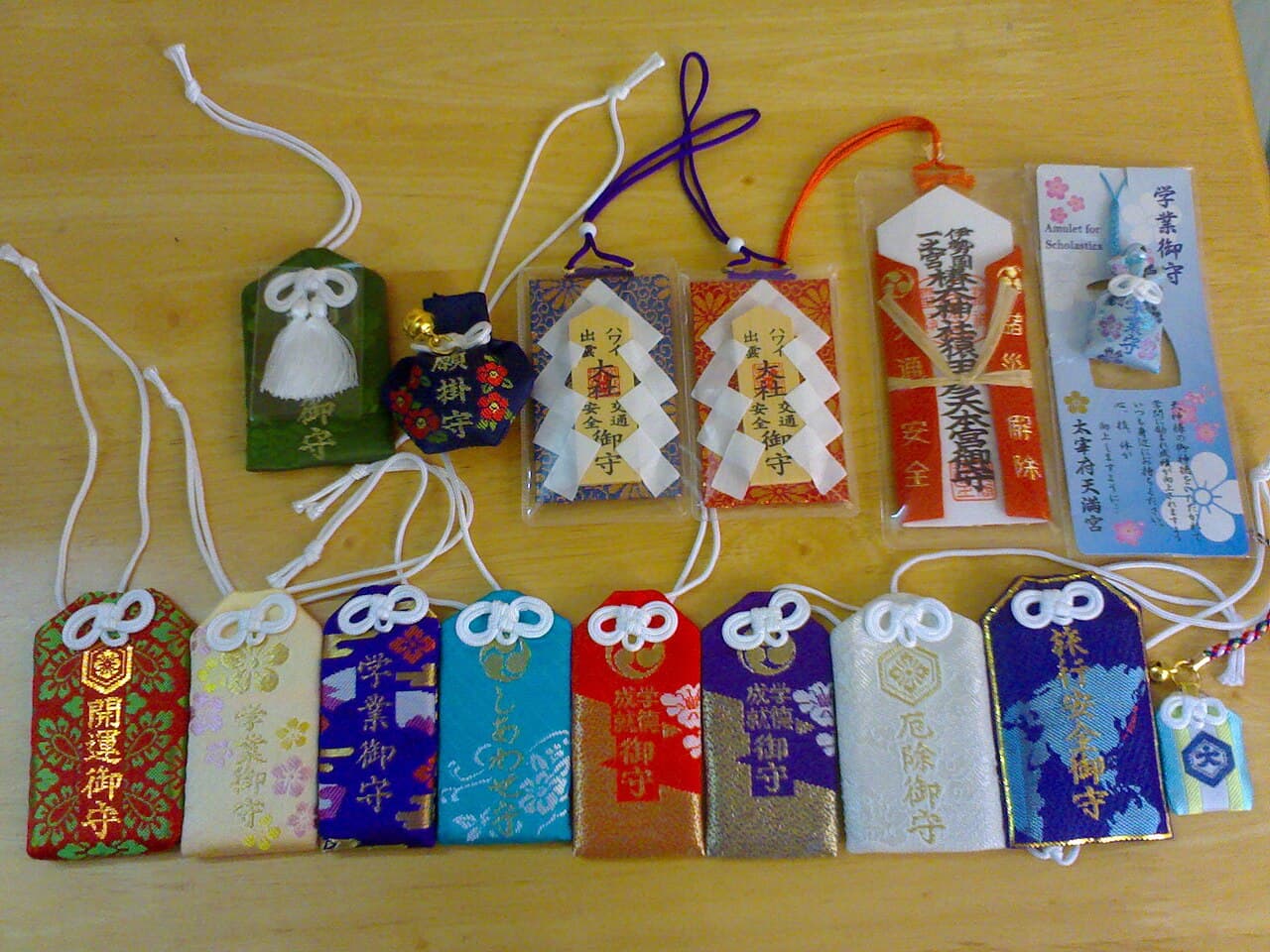
An omamori is a prayer someone made on your behalf, sealed into a cloth pouch — which is why you never open it, why it lasts about a year, and why the correct ending is to bring it back rather than to keep it forever. Typically ¥500–¥2,000. Here is how to pick the right one, how to carry it, and what to do with it afterwards.
Across Japan
Goshuin: how to collect Japan's temple and shrine seals (etiquette, cost, and the mistake to avoid)
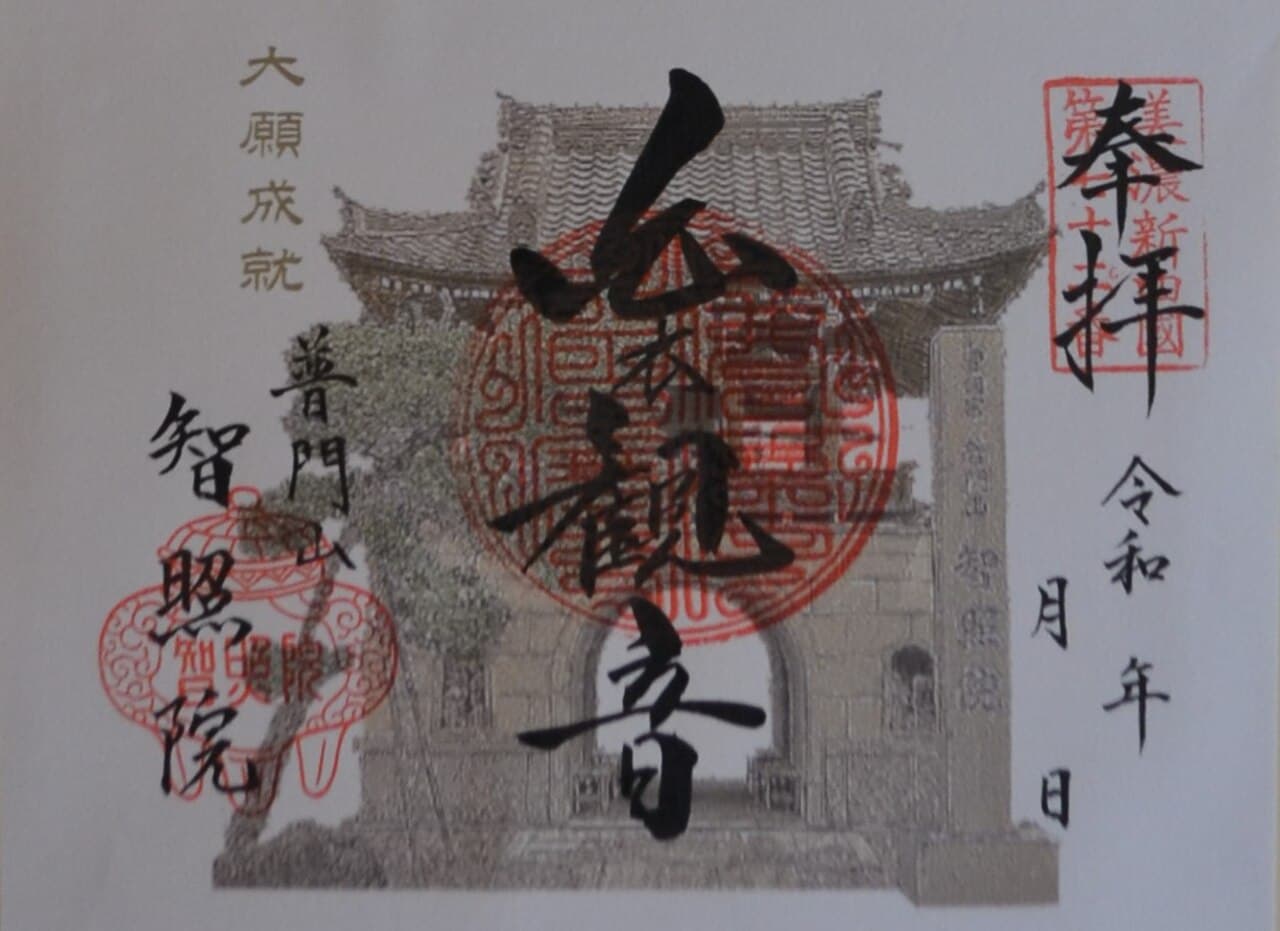
A goshuin is not a stamp-rally souvenir: it is calligraphy brushed by hand as proof that you personally worshipped, and the etiquette follows from that one fact. Buy the book (¥1,000–¥2,000), pray first, then ask. Here is the full sequence, what it costs, why some temples will refuse a book that has shrine seals in it, and the phrase to say at the counter.
Across Japan
日本寺庙与神社的区别:如何分辨,以及各自的参拜方法
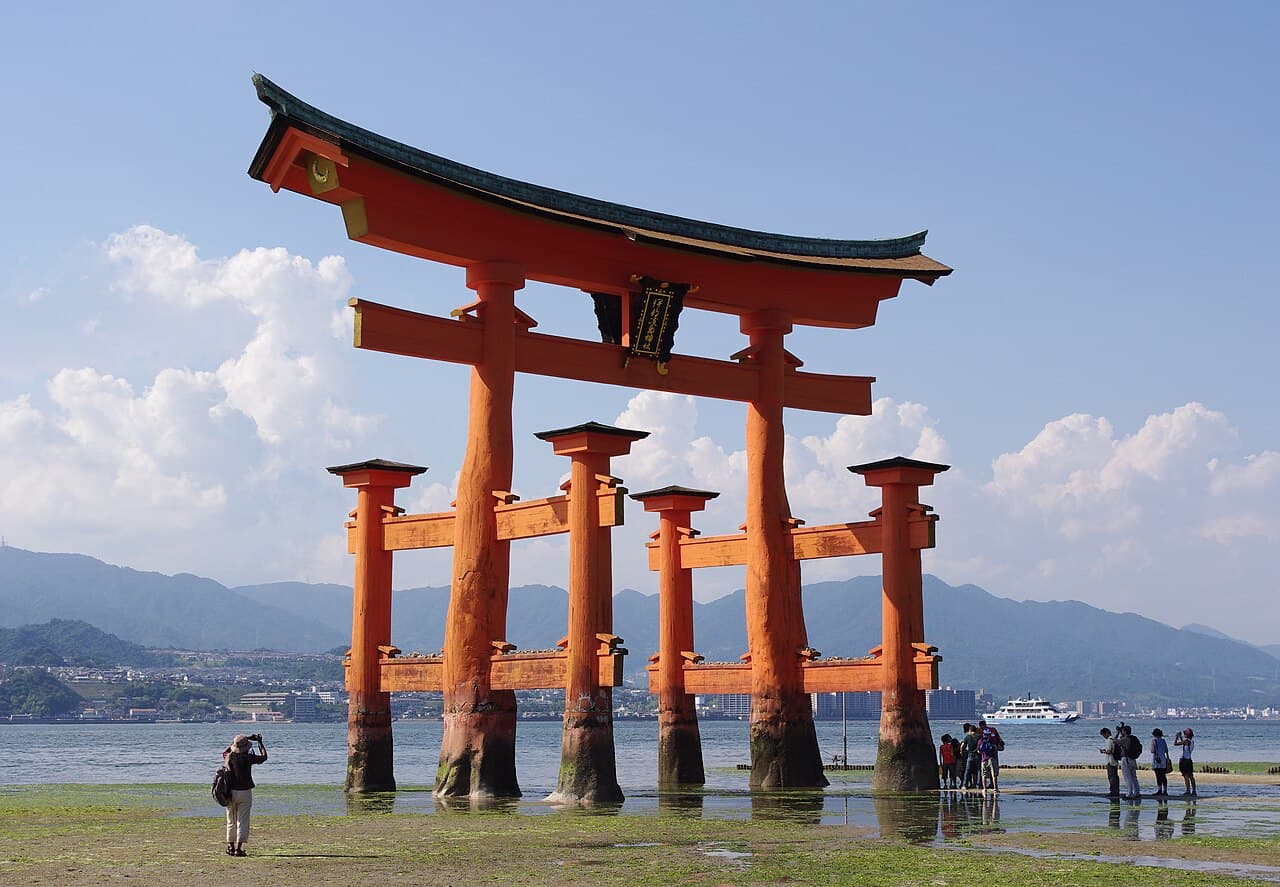
最快的分辨方法:**神社(神道)**有**鸟居**,参拜方式是**二拜、二拍手、一拜**;**寺庙(佛教)**有高大的**山门**、香火,常有宝塔,参拜时**双手合十、静默不拍手。**