
The short answer
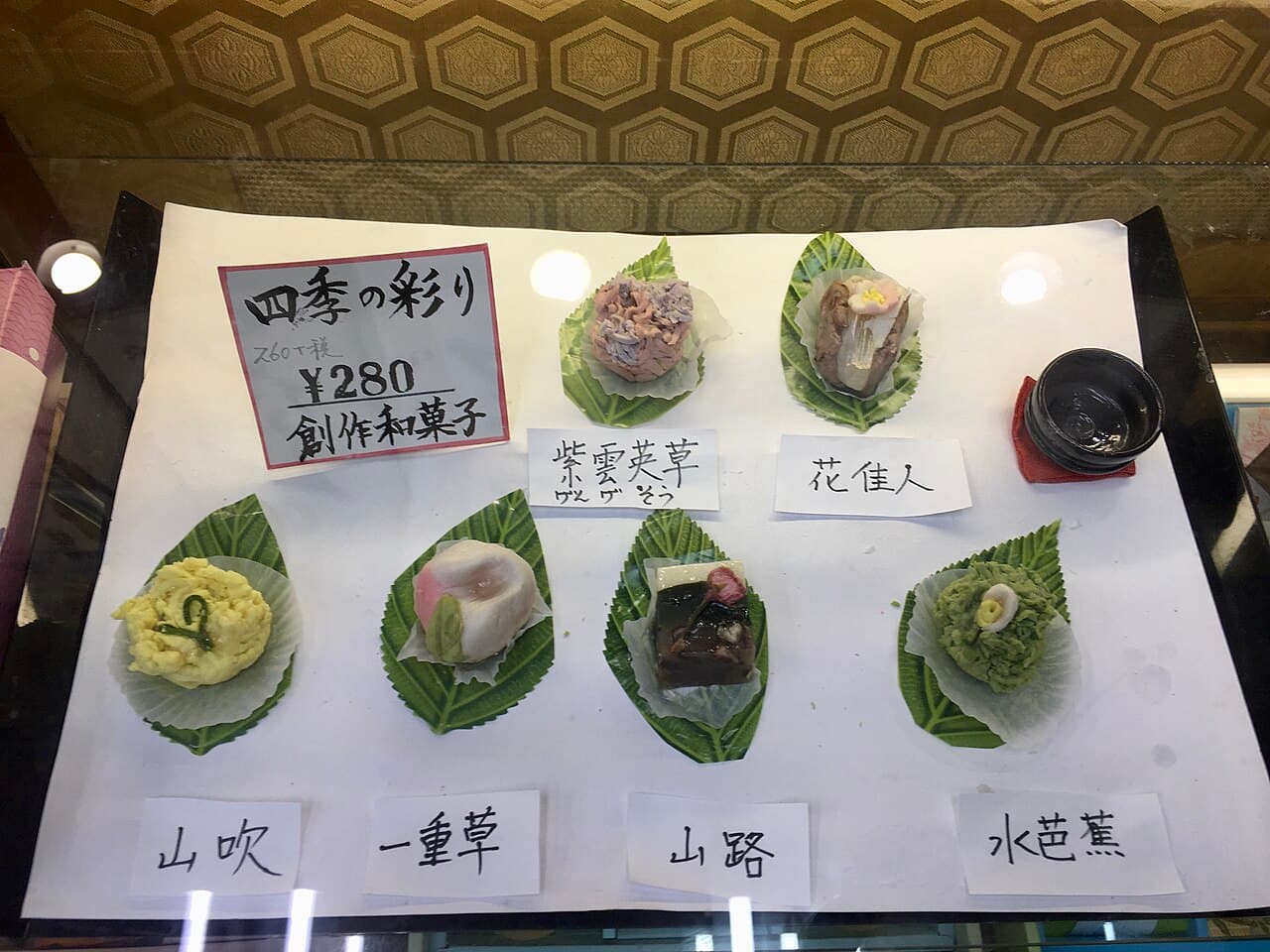
Wagashi (和菓子) are Japan's traditional confections, and nerikiri — soft sculpted sweets of sweetened white-bean paste, shaped into cherry blossoms, chrysanthemums and other motifs that change with the season — are the artistic peak of the craft. In Kyoto, the historical capital of wagashi culture, you can take an English-friendly making class from about ¥3,700 (as of July 2026), sculpt two to four seasonal sweets with your own hands in about 1–1.5 hours, and eat one on the spot with a bowl of tea. Reserve online a few days ahead — the best-value classic is long-established confectioner Kanshundo, and the most personal option is a small-group class with a former professional artisan at Wagashi Issho.
And yes: this pairs beautifully with a tea ceremony in Kyoto — in the tea room, the sweet is eaten before the matcha precisely so the bitterness lands on a sweetened palate. Making the sweet yourself one day and drinking the tea the next turns two bookings into one story.
What nerikiri actually are
Nerikiri belong to jō-namagashi, the "fine fresh sweets" served at tea gatherings. The dough is white bean paste kneaded with a binder until it behaves like edible clay; it's tinted in soft gradients, wrapped around a core of red-bean paste, then shaped with fingertips and a few simple wooden tools. The defining rule is seasonality: plum blossoms in late winter, cherry blossoms in spring, chrysanthemums in autumn. Whatever month you visit, you'll make that month's motif — which is exactly why the class feels like a small window into the Japanese calendar rather than a souvenir assembly line.
What actually happens, step by step
- You sit at a clean workbench with pre-portioned dough and fillings in front of you — this is tabletop craft, not a hot kitchen.
- The teacher demonstrates one sweet at a time, slowly: how to flatten the dough evenly, wrap the anko core without cracking the surface, and blend two colours into a gradient.
- You copy each step with your bare hands and a simple wooden tool for petal lines and leaf veins. The dough is forgiving; children manage fine.
- The shapes build up — at Kanshundo you make one dry sweet plus three fresh seasonal sweets; at Wagashi Issho, two refined nerikiri under much closer artisan guidance.
- You eat with tea. Kanshundo includes a bowl of matcha (sencha on request); Wagashi Issho serves a fine Kyoto sencha after class. Fresh sweets are best eaten the same day.
Which class to book — honest comparison
| Class | English | Price | Duration | Area | Vibe |
|---|---|---|---|---|---|
| Kanshundo (Higashiyama / Arashiyama) | Written materials in English, Chinese & Korean; teaching in Japanese | ¥3,700 | ~75 min | Higashiyama shop near Keihan Shichijo; second shop in Saga-Arashiyama | Cheerful confectioner's classroom; unbeatable value, great with kids |
| Wagashi Issho (Karasuma) | Full English instruction | ~¥12,000 on booking platforms | 1–1.5 h | Central Kyoto, ~5 min from Hankyu Karasuma Station | Private or max-8 group with Yasue Miyazaki, a former professional artisan (20+ years) |
| Maikoya Kyoto (Nishiki) | English or Japanese guidance | See official page | ~60 min | Nakagyo, by Nishiki Market | Tourist-friendly culture house; can be combined with a tea-ceremony package |
Choose Kanshundo if you want the classic, wallet-friendly experience run by a real Kyoto sweets maker — classes start at 9:15, 11:00, 13:15 and 15:00 daily, and the official site asks you to book about two to three days ahead. Note the honest trade-off: instruction is delivered in Japanese with English text materials to follow along, which works fine for a hands-on class but isn't a conversation.
Choose Wagashi Issho if you want an artisan watching your hands. Yasue Miyazaki spent over twenty years as a professional wagashi maker, groups are capped at eight, instruction is fully in English, and you leave with an English nerikiri recipe adapted for home. Platform listings price it around ¥12,000 per person.
Choose Maikoya if you're already planning their kimono or tea-ceremony experiences by Nishiki Market and want to stack activities in one building.
Prices and schedules move — confirm on the operator's own page before you pay.
Etiquette and what to wear
There's no formal dress code — this is a craft class, not a tea room. Practical rules: wash your hands well and remove rings and watches (your hands touch the dough directly), roll up loose sleeves, and tie back long hair. Follow the teacher's seasonal motif rather than requesting a custom design; the month decides the flower. And don't chase perfection — a slightly crooked petal is exactly the kind of imperfection Japan has a word for: wabi-sabi.
Who it's good for (and who should skip it)
Great for first-timers, couples, families with children, anyone whose temple-walking feet need a seated hour, and rainy-day plans — this is one of Kyoto's best indoor experiences. Skip it if you want a full cooking lesson with knives and heat; wagashi making is quiet, precise handwork. If food is your main lens on Japan, our sister guide UMAMI HUNT covers where to actually eat.
Make it a Kyoto craft day
The natural pairing is sweets in the morning and tea in the afternoon: read what a tea ceremony actually involves, then book a Kyoto tea ceremony and taste your craft in its true context. For the wider menu of hands-on culture — zazen, sake, calligraphy — start with our Kyoto cultural experiences guide.
- Hand-sculpt two to four seasonal nerikiri (cherry blossom, chrysanthemum and more)
- Eat your own creation on the spot with matcha or fine sencha, depending on the class
- English-friendly options at every budget, from ¥3,700 to about ¥12,000
- Pairs naturally with a Kyoto tea ceremony — two halves of the same ritual
Your hands are the only tool that touches the sweet dough, so wash well and take off rings and watches before class. Nerikiri are seasonal by design — the motif follows the month, so let the teacher lead rather than requesting a custom shape. Slightly wonky petals are charm, not failure. The sweets are fresh and best eaten the same day, ideally with tea.