
The short answer
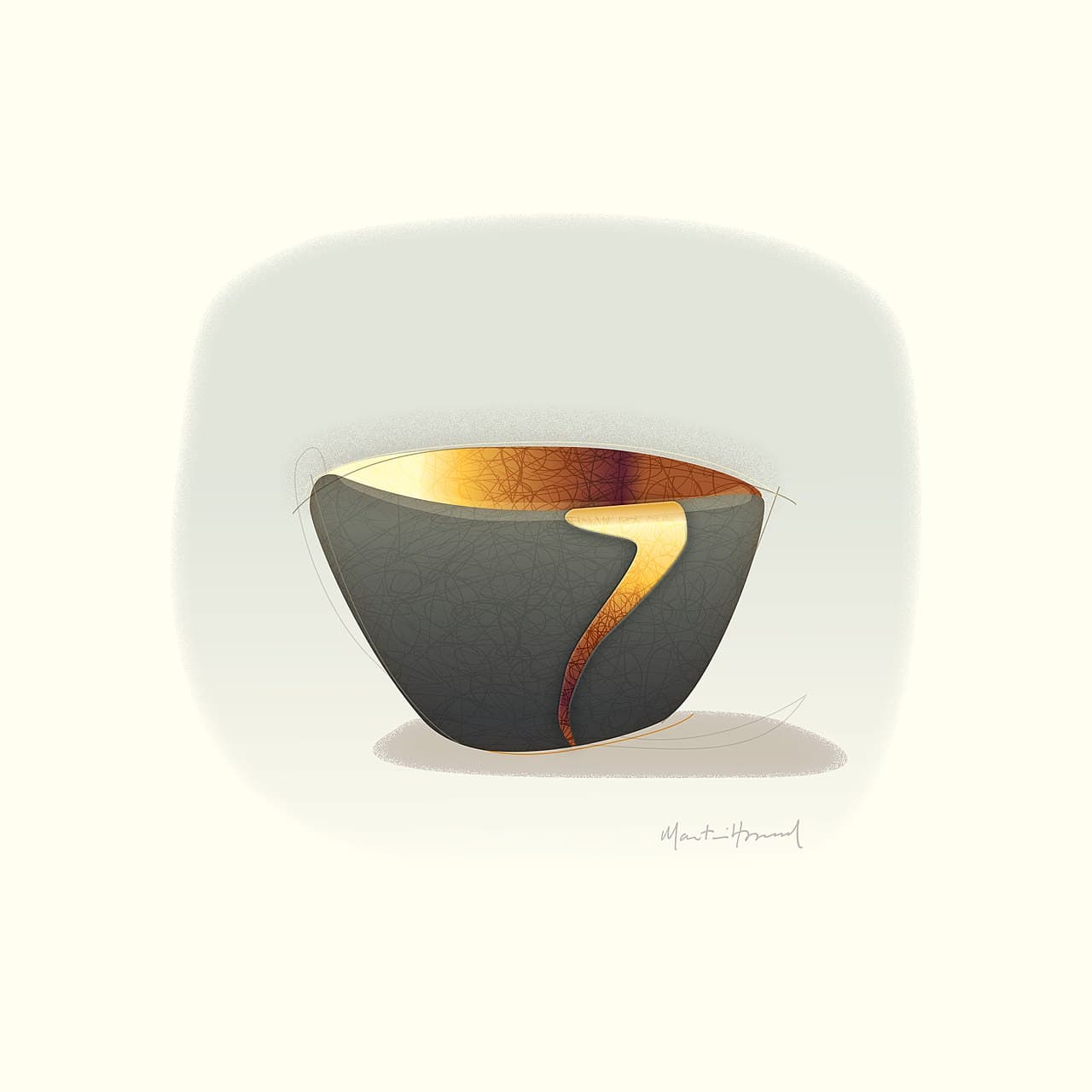
Kintsugi (金継ぎ, "golden joinery") is the Japanese art of repairing broken pottery with lacquer dusted in gold — turning the cracks into the most beautiful part of the bowl. In Tokyo you can take a beginner-friendly, English-guided class, mend a real piece and take it home the same day, from about ¥18,000 for around 90 minutes. It's the most hands-on way to feel wabi-sabi — the beauty of imperfection.
This page is the honest go-info: the two methods, where to book in English, and what it costs.
Quick method vs the real thing (choose before you book)
This is the thing nobody tells you:
- Simplified / resin method — uses a food-safe synthetic resin and gold-coloured powder. Same-day, beginner- and family-friendly, the bowl is usable for dry items. This is what almost every tourist class is, and it's genuinely lovely.
- Authentic urushi lacquer — uses natural Japanese lacquer and real gold, the traditional way. It takes several sessions over weeks to dry properly, so it's for residents or longer stays — and a few people are allergic to raw lacquer, so ask first.
For a holiday, the simplified class is the right call.
Where to book (English-friendly)
- TSUGU TSUGU — runs English-friendly workshops at studios in Ebisu and Asakusa; beginner classes are quick, hands-on and you keep your piece. Reserve on the official site.
- Klook lists a Tokyo Traditional Kintsugi Experience from around ¥18,000.
Prices and studios change, so confirm the current option on the operator's page before you pay.
What actually happens
You'll choose (or be given) a broken ceramic piece, join the pieces, fill the chips, then paint the seams in gold and polish. The guide explains both the technique and the philosophy — that a mended thing can be more beautiful, and more valuable, than an unbroken one. You leave with a bowl or cup that carries its own story.
The idea behind it
Kintsugi is wabi-sabi made physical. If the philosophy draws you in, read what wabi-sabi means, then see the rest of Japan's cultural experiences. For a calmer pairing, a tea ceremony sits in the same quiet world.
- Repair a real ceramic piece with golden seams
- Take your finished bowl or cup home
- Learn the wabi-sabi idea behind the craft, in English
- Beginner and family options use a safe, quick method
Kintsugi is unhurried by nature — the lesson is patience, not perfection. Wonky gold lines are the point, not a mistake. If you want the real thing (natural urushi lacquer and pure gold), choose a multi-session course; some people are allergic to raw lacquer, so ask first.