
Goshuin: how to collect Japan's temple and shrine seals (etiquette, cost, and the mistake to avoid)
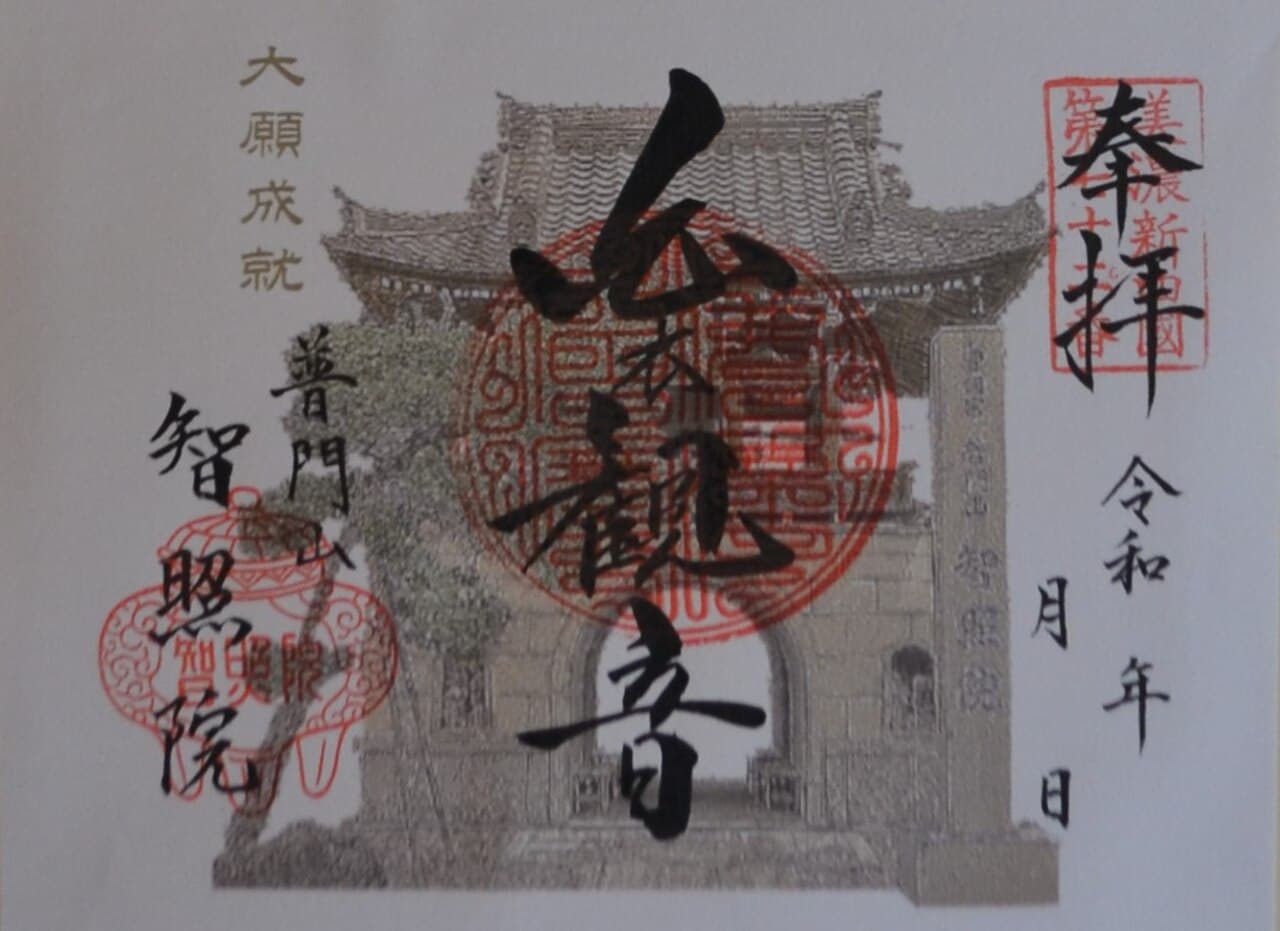
The one fact everything else follows from
A goshuin is proof that you worshipped here. Not that you came, not that you paid — that you worshipped. Everything people get wrong about goshuin comes from missing this: handing your book to a friend to collect on your behalf, queueing at the seal counter before you have been to the main hall, treating a temple as a checkbox on a route.
Once you have the frame, the etiquette is obvious rather than memorised.
What you need
A goshuincho (御朱印帳). A concertina-folded book, usually ¥1,000–¥2,000; designer covers and temple-original editions run ¥3,500–¥6,000. Buy one at a shrine or temple office (the covers are often unique to that place), or at Tokyu Hands, Loft or Itoya.
Small change. The customary offering is ¥300–¥500. Counters frequently cannot break a ¥10,000 note, and asking them to is a bad way to begin.
The sequence
- Purify at the temizuya. Left hand, right hand, rinse the mouth from your cupped left hand, then tip the ladle upright to rinse the handle.
- Worship at the main hall. At a shrine: bow twice, clap twice, bow once (nirei nihakushu ichirei). At a Buddhist temple: do not clap — bow, offer, place your palms together in silence, bow again. Our shrine etiquette guide has the full sequence, and temple vs shrine explains how to tell which you are standing in.
- Then go to the counter — the shamusho or juyosho at a shrine, the nōkyōsho at a temple.
- Open the book to the page you want and hand it over. Say "goshuin o onegaishimasu."
- Wait quietly. Do not film the writing without asking.
- Receive it with both hands, and check the ink is dry before closing the book.
Why the order matters
At many places nobody will police it. At some, they will ask whether you have worshipped, and the honest answer matters. But the practical reason to keep the order is simpler: the seal is meaningless if you skipped the visit, and in ten years the only thing the book will be worth to you is the memory attached to each page.
The temple-and-shrine problem
Japan's religious landscape does not separate Shinto and Buddhism as cleanly as the outside world assumes — most people participate in both — but the institutions themselves sometimes do. Some stricter Buddhist temples will decline to write in a book that already carries Shinto shrine seals, and occasionally a shrine will do the reverse.
This is uncommon at major tourist sites and more likely at devout temples, including those on pilgrimage circuits such as Shikoku's 88 or the Saigoku Kannon route. If your itinerary includes any of those, carry two books. It costs you ¥1,000 and removes the only genuinely awkward scenario in the whole practice.
Kakioki: the pre-written slip
You will sometimes be handed a kakioki (書き置き) — a goshuin already brushed on a loose sheet — rather than having your book written in. This became far more common from 2020 onwards and is now normal at busy sites and at places with a single priest.
It is not a lesser version and it is not a brush-off. Take it, and paste or slip it into your book later. Some goshuincho are sold with pockets for exactly this.
Things that will not go well
- Asking for a date other than today. The date is part of the record.
- Asking for a specific page to be skipped or reserved. Open the book where you want it written; do not negotiate.
- Collecting for someone who is not there. This is the one that priests mind most.
- Turning up after hours. Many counters close at 16:00–16:30, well before the grounds do. Plan the seal before the sunset photos, not after.
- Assuming every shrine and temple offers one. Small ones often do not, and a few large ones have stopped during peak season.
Where to start
If you want a first book with weight behind it, buy it at a place you would visit anyway and that means something on your route — Gion's temples and shrines in Kyoto, or at the start of a Koyasan temple stay, where the mountain's temples and the Okunoin approach give you a coherent set of pages rather than a scatter.
And if the appeal here is bringing something home with meaning attached rather than a shop-bought souvenir, the companion practice is omamori — the amulets, which follow their own etiquette and, unlike a goshuin, are meant to be given back.
---
Prices, schedules and booking links on this page were verified as of 2026-08-09. Operators change them without notice — confirm on the booking page before you travel, and tell us if you find something out of date.
자주 묻는 질문
- What is a goshuin?
- A goshuin (御朱印) is a seal and calligraphy given at a Japanese shrine or temple as proof that you visited and worshipped there. It is brushed by hand at the moment you ask, usually combining the name of the place, the date, and one or more vermilion seals. It is a record of a visit, not a collectible stamp.
- How much does a goshuin cost?
- The customary offering is ¥300–¥500 at most shrines and temples, and it is framed as an offering rather than a price. The book itself, a goshuincho, usually costs ¥1,000–¥2,000, with designer or temple-original covers running ¥3,500–¥6,000. Bring small coins; many counters cannot break large notes.
- Where can I buy a goshuincho?
- At the shrine or temple office itself — often with a cover unique to that place, which makes a better keepsake than a generic one — or at large stationery chains such as Tokyu Hands, Loft and Itoya, or online. Buying your first one at a major shrine you are visiting anyway is the simplest route.
- Can you use the same book for temples and shrines?
- Usually yes, and most collectors do. But some stricter Buddhist temples decline to write in a book that already carries Shinto shrine seals, and occasionally the reverse. If you plan to visit devout temples such as those on a pilgrimage route, carrying two books — one for shrines, one for temples — avoids the problem entirely.
- What do I say at the goshuin counter?
- "Goshuin o onegaishimasu" (御朱印をお願いします). Hand over the book already open at the page you want, with the offering ready. Then wait quietly — someone is writing, and being watched over the shoulder while brushing calligraphy is uncomfortable in any culture.
Try it yourself
ExperienceOther
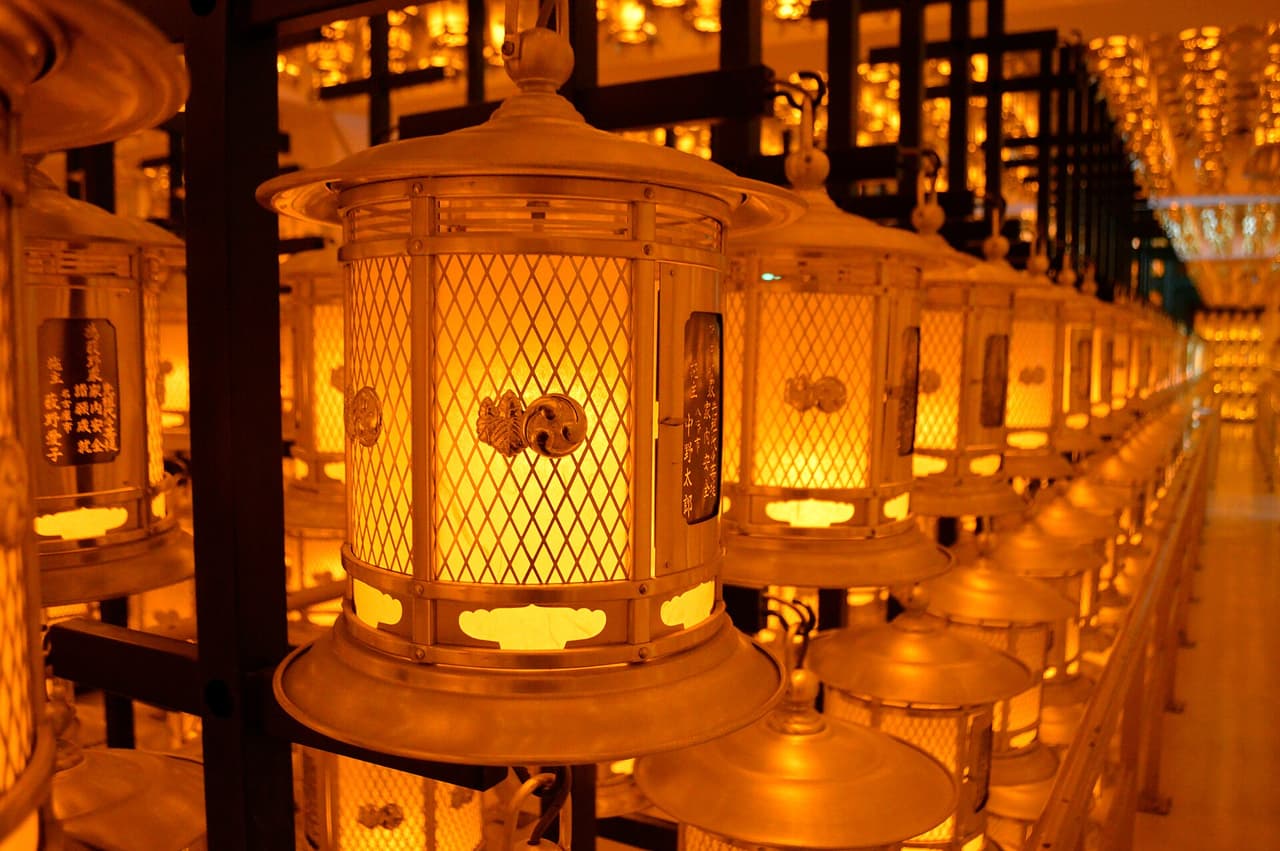
Shukubo temple stay at Koyasan — what a night in a Buddhist monastery costs, includes, and how to book
A shukubo is not a themed hotel — it is lodging inside a working monastery, and the day runs on the monks' clock. Here is the honest version: what a night actually includes, what it costs, which temples you can book instantly in English, and the parts (shared bathrooms, cold corridors, cash-only, 9pm gates) that surprise first-timers.
관련
Across Japan
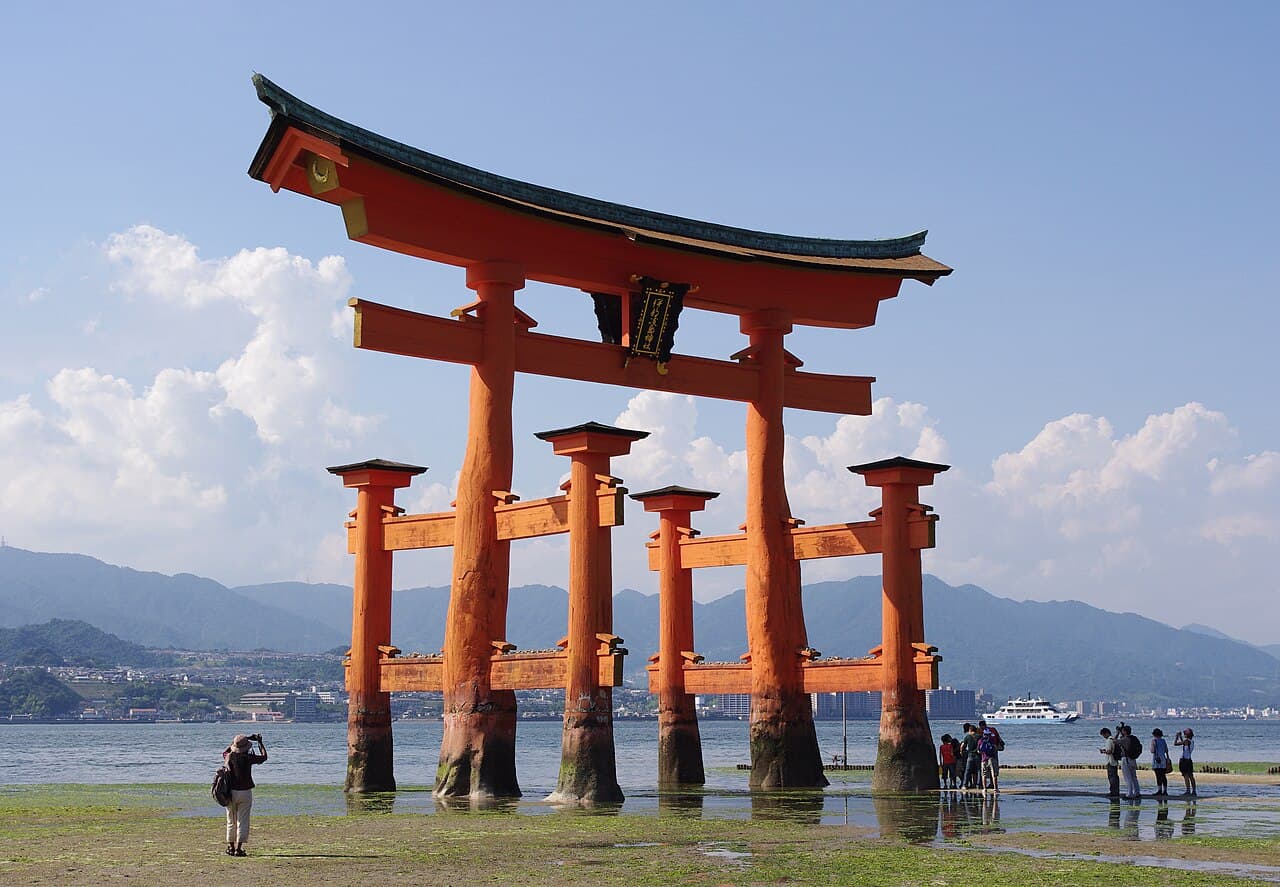
일본의 절 vs 신사: 구분하는 법과 각각의 참배 방법
가장 빠른 구분법: **신사(신토)**에는 **토리이(鳥居) 문**이 있고 **두 번 절하고, 두 번 손뼉 치고, 한 번 절하는** 방식으로 참배합니다. **절(불교)**에는 커다란 **산몬(山門)**과 향, 그리고 흔히 탑(파고다)이 있으며 **손뼉을 치지 않고 두 손을 모아 조용히** 참배합니다.