
The Steps of a Japanese Tea Ceremony, Explained (What Happens, In Order)
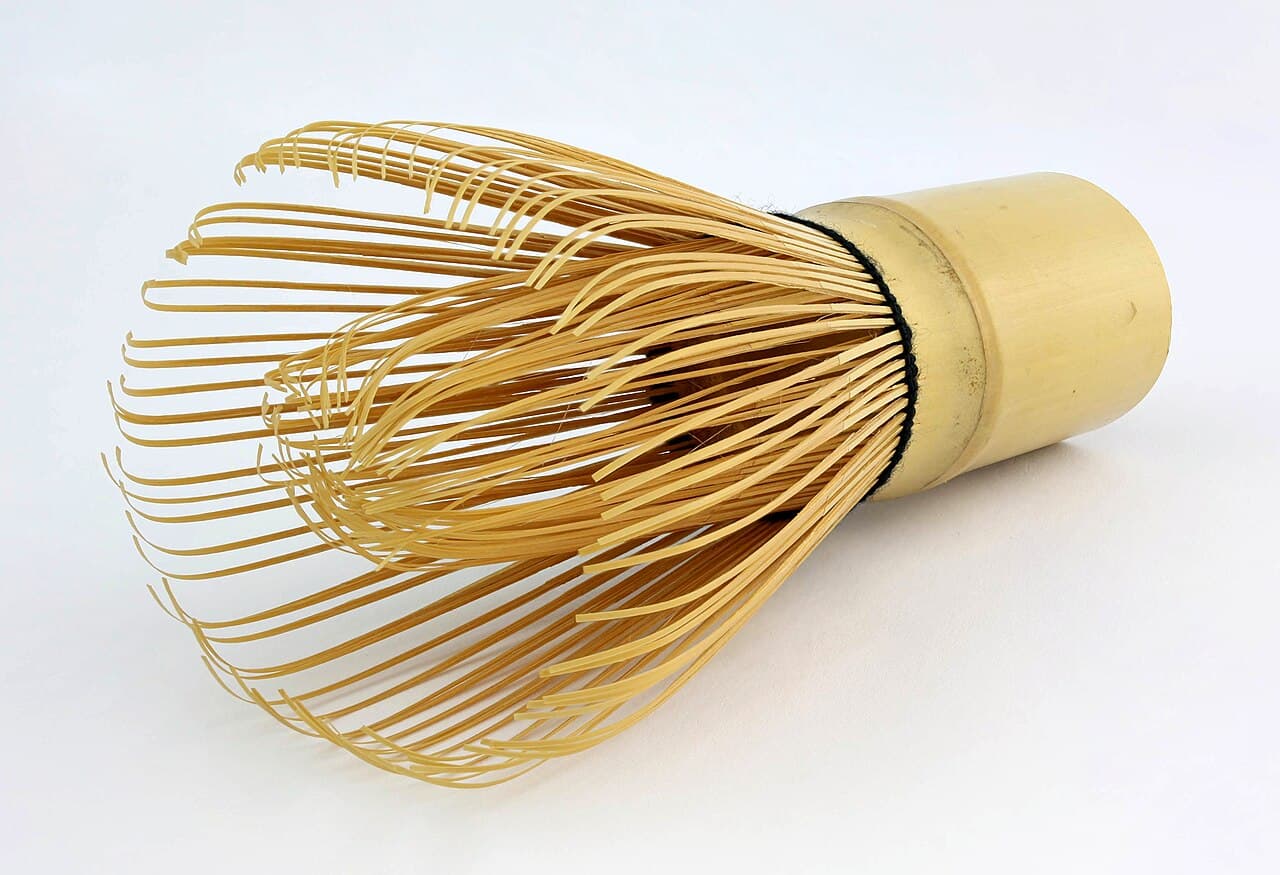
In order, a Japanese tea ceremony runs like this: the host enters and arranges the utensils, purifies them with a silk cloth, ladles hot water, whisks the matcha, and serves it; the guest turns the bowl and drinks; then the utensils are cleaned, offered for viewing, and carried out. This ordered procedure is called temae (点前), and it is the beating heart of the whole gathering. Below is the sequence you will actually see, what each move means, and how thick tea differs from thin tea.
This page is about the process — the japanese tea ceremony steps in the order they happen. If you want the bigger picture of the art form, read our pillar guide, what a Japanese tea ceremony is. For how long it all takes, see how long a tea ceremony lasts; for how to behave as a guest, see tea ceremony etiquette.
The temae steps, in order
Most first-timers attend a short session serving usucha (thin tea). The full chanoyu procedure for that looks like this:
| # | Step | What the host does | What it means |
|---|---|---|---|
| 1 | Preparation & entering | Carries in the bowl, whisk, scoop and tea caddy; guests are already seated and a sweet is served first | Settles the room; the sweet coats the palate before bitter matcha |
| 2 | Purification | Wipes the tea caddy (natsume) and bamboo scoop (chashaku) with a folded silk cloth (fukusa); rinses and inspects the whisk; wipes the bowl with a damp linen cloth (chakin) | Symbolic cleansing of utensils — and of the host's own mind |
| 3 | Whisking | Scoops matcha into the bowl, ladles hot water with the hishaku, and whisks briskly with the chasen | The tea is made fresh, in front of you |
| 4 | Serving | Sets the bowl down with its front (shomen) facing the guest | An act of respect and hospitality |
| 5 | Drinking | The guest bows, turns the bowl to avoid drinking from its front, and finishes in a few sips | Humility toward the host's chosen bowl |
| 6 | Cleaning | Rinses the bowl, wipes the scoop and whisk again | Returns everything to a pure state |
| 7 | Viewing (haiken) | Offers the tea caddy and scoop for guests to admire up close | Appreciation of the craft and the day's theme |
| 8 | Closing | Gathers the utensils, bows, and carries them out | The gathering formally ends |
Step 1 — Preparation and entering
The temae begins before a drop of tea is made. The host brings each utensil to a set place and, in a formal gathering, a seasonal sweet (wagashi) is eaten first. Because matcha is bitter, the sweetness lingers on the palate and balances the taste.
Step 2 — Purification of the utensils
The most distinctive part of the chanoyu procedure is the purification. Using the fukusa — an almost square silk cloth about 28 cm on each side, kept dry throughout — the host folds and wipes the tea caddy and the bamboo scoop in precise, unhurried movements. The whisk is rinsed in hot water and checked (chasen-tōshi), and the bowl is wiped with the damp linen chakin. The utensils are already clean; this step is largely symbolic, a way for the host to compose and purify the mind.
Step 3 — Whisking the matcha
Here the temae steps reach their centre. The host lifts powdered green tea with the chashaku into the warmed bowl, ladles a measure of hot water from the iron kettle (kama) with the hishaku, and whisks. For thin tea the whisking is quick and light, raising a fine froth; for thick tea it is a slow kneading. This is the moment the tea ceremony process exists for.
Steps 4–6 — Serving, drinking, cleaning
The host places the bowl so its decorated front faces the guest. The guest picks it up, rotates it clockwise a couple of times so as not to drink from the front, sips, and sets it down. The host then rinses and wipes each utensil.
Steps 7–8 — Viewing and closing
Toward the end, guests may ask to view (haiken) the tea caddy and scoop, admiring the maker, the age, and the poetic name. Finally the host collects everything, bows, and withdraws, closing the gathering.
Thick tea vs thin tea: two different procedures
The single biggest branch in the japanese tea ceremony steps is which tea is served.
- Koicha (thick tea) uses about three times as much matcha to water, kneaded — not frothed — into a glossy, paste-like tea. Traditionally one bowl is shared among the guests, symbolising a deep bond. The tea is stored in a ceramic caddy called a chaire.
- Usucha (thin tea) is whisked light and frothy, and each guest gets an individual bowl. The tea comes from a lacquered caddy called a natsume.
In a full-length formal gathering (chaji), the order is fixed: a meal, then koicha first, then usucha — thick tea is the ceremonial climax, thin tea the relaxed close. Short tourist sessions almost always serve only usucha.
Does every ceremony follow exactly these steps?
No — and this matters. There are countless temae variations for different seasons, utensils, and occasions (as of 2026, the two most common schools travelers meet are Urasenke and Omotesenke). A hearth (ro) is used in the cold months and a portable brazier (furo) in the warm months, which changes some movements. But the skeleton above — enter, purify, whisk, serve, drink, view, close — holds across nearly all of them. Learn this sequence and you will follow along anywhere.
Where to see it done properly
Kyoto is the home of the tea schools and the easiest place to watch the full procedure. See our guide to a tea ceremony in Kyoto for vetted places to attend. When you go, knowing the order of steps lets you relax and simply watch the temae unfold. For authoritative background on the tradition, the Urasenke school publishes English resources.
FAQ
- What are the steps of a Japanese tea ceremony in order?
- The order is: the host enters and lays out the utensils, a sweet is served, the utensils are purified with a silk cloth, the matcha is whisked with hot water, the tea is served and drunk, the utensils are cleaned and offered for viewing, and finally the host clears everything and bows out. This whole procedure is called temae.
- What is temae in a tea ceremony?
- Temae (点前) is the choreographed procedure the host follows to prepare and serve the tea — the exact sequence of purifying utensils, measuring matcha, ladling water, whisking, and serving. It is the core of chanoyu, and there are many temae variations for different seasons, teas, and utensils, though the basic skeleton stays the same.
- What is the difference between thick tea and thin tea in the ceremony?
- Thick tea (koicha) uses about three times more matcha to water and is kneaded into a glossy paste, traditionally shared from one bowl among guests. Thin tea (usucha) is whisked light and frothy and served in an individual bowl to each guest. In a full formal gathering koicha is served first, then usucha; short sessions usually serve only usucha.
- Why does the host purify the utensils if they are already clean?
- The purification with the fukusa silk cloth is largely symbolic, since the utensils are washed beforehand. By wiping the tea caddy, scoop, and bowl in precise movements, the host also composes and purifies their own mind, setting the calm, mindful tone that defines the entire tea ceremony process.
- What is haiken, the viewing of the utensils?
- Haiken is the step near the end when guests are invited to view the utensils — usually the tea caddy and bamboo scoop — up close. Guests admire the maker, materials, age, and the poetic name of each piece. It is a moment of appreciation for the craft and for the theme the host chose for that day's gathering.
Essayez vous-même
Tea ceremonyKyoto
Cérémonie du thé à Kyoto : les meilleures expériences en anglais (et comment réserver)
Où faire vraiment une cérémonie du thé à Kyoto, guidée en anglais, avec des prix honnêtes et les quelques règles qui comptent, plus un moyen de réserver directement.