
What to Wear to a Japanese Tea Ceremony (Guest Dress Code + Kimono Option)
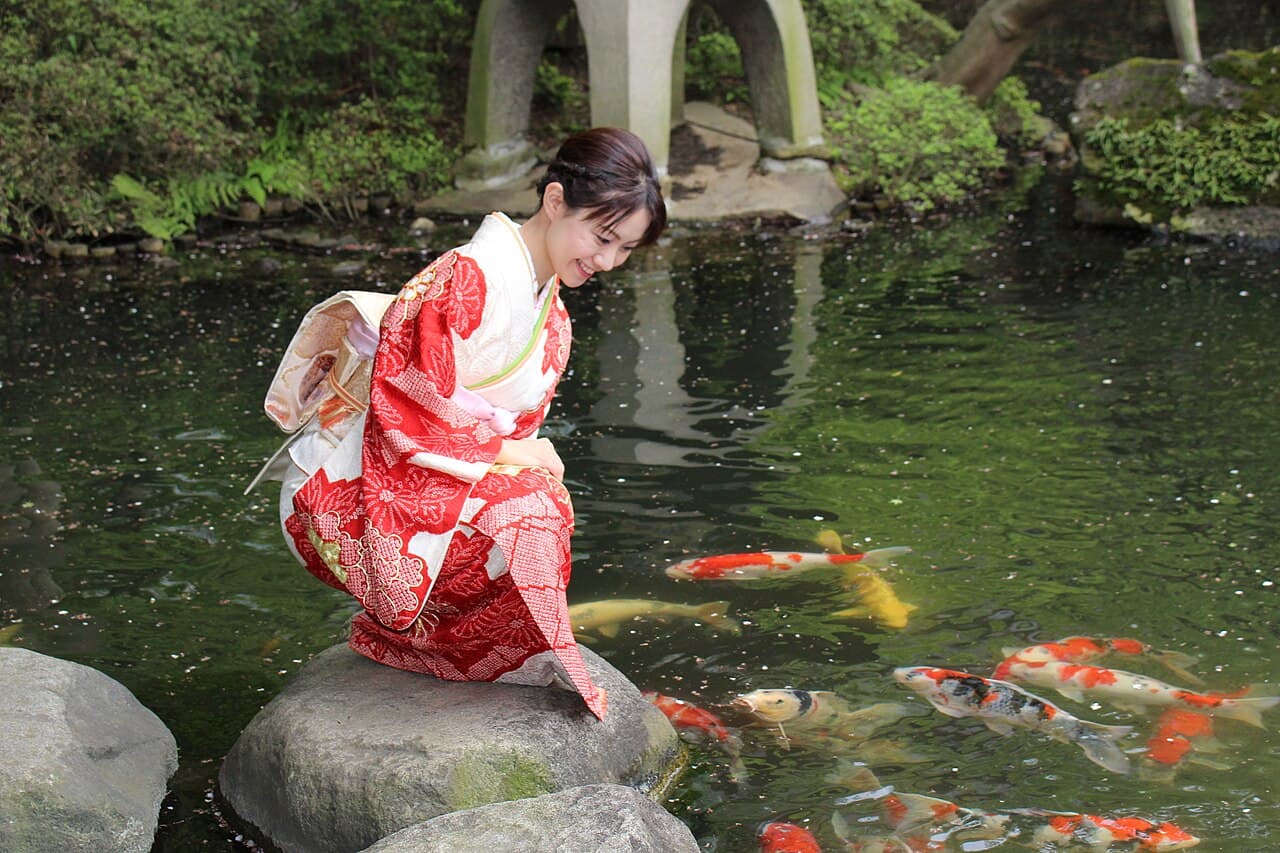
The short answer: wear clean, modest, muted clothing you can sit on the floor in, bring white socks to change into before entering the tea room, remove every watch and piece of jewellery, and wear no perfume. A kimono is lovely but optional — a plain, dark, respectful outfit does the job. This page covers clothing only; for how to bow, receive the bowl and turn it, see the tea ceremony etiquette guide, and for the bigger picture start with what a Japanese tea ceremony is.
The tea ceremony dress code in one line
The guiding principle behind the whole tea ceremony dress code is restraint. Everything in the room — the tea, the flowers, the single hanging scroll, the faint smell of incense — is meant to be noticed quietly. Your clothing should disappear into that calm, not compete with it. So the rule of thumb for what to wear to a tea ceremony guest experience is simple: modest, muted, clean, and easy to kneel in.
That means no flashy colours or loud patterns, no ripped or overly casual pieces, and minimal exposed skin. It also means practical: you will likely sit in seiza (kneeling) on tatami, so choose something that moves with you and won't ride up or strain.
What to wear — a simple guest checklist
Here is the tea ceremony clothing checklist most Kyoto tea houses and practice groups expect from a guest:
- Clean white socks — the single most important item. Bring a fresh pair in your bag and change into them at the entrance, just before stepping onto the tatami. Traditional tabi (split-toe socks) are ideal but ordinary clean white socks are fine.
- Modest, muted clothing — dark or soft neutral tones, long enough to cover the knees and shoulders.
- No watches or jewellery — remove rings, bracelets, necklaces and watches. Metal and stones can scratch or chip the host's tea bowls and utensils, which are often antique.
- No perfume, cologne or strong-scented lotion — scent competes with the tea and the incense in the room.
- Light or no makeup — heavy lipstick can mark the rim of the shared bowl; strong-scented makeup is discouraged for the same reason as perfume.
- Nothing in your pockets that jingles, and long hair tied back so it doesn't fall forward when you bow.
| Wear this | Avoid this |
|---|---|
| Clean white socks / tabi (change on arrival) | Bare feet, patterned or dirty socks |
| Dark suit, trousers, knee-length skirt or dress | Jeans, shorts, sweatpants, tracksuits |
| Muted, solid colours | Loud prints, neon, flashy logos |
| Plain, minimal look | Watches, rings, bracelets, necklaces |
| Fresh-showered, scent-free | Perfume, cologne, strong lotion |
What to wear as a woman
A knee-length skirt or dress, tailored trousers, or a modest pantsuit with a blouse all work well. Choose soft, solid colours over bright prints. Skirts should be long enough to kneel in comfortably and stay covered. Keep jewellery off and makeup light.
What to wear as a man
A dark, solid-colour suit or a jacket with plain trousers is the safe standard. A collared shirt is expected; a tie is welcome at a more formal gathering but not essential at a casual introductory session. Dark socks are fine for the walk over, but still carry the clean white pair to change into.
Why white socks matter so much
Of everything on the list, white socks carry real meaning. Changing into clean white socks (or tabi) at the threshold is a small act of purification — you leave the dust of the street behind and step onto the tatami fresh. It is the one detail experienced practitioners notice immediately, and the easiest way for a first-time guest to show respect. If you forget everything else, bring the socks.
The kimono option
Historically, guests wore kimono to tea, and at a formal gathering (chaji or chakai) kimono is still the expected dress. But for the tourist and beginner tea ceremony experiences you'll book in Kyoto, a kimono is entirely optional — Western clothing that meets the modesty rules above is perfectly acceptable, and hosts are used to welcoming guests in ordinary clothes.
That said, wearing a kimono genuinely deepens the experience. The garment slows your movements, the obi sash supports your posture in seiza, and many travellers find the whole thing more memorable in traditional dress. If you'd like to try it, the easiest route is to rent one for the day near your ceremony — see our guide to kimono rental in Asakusa for how rental shops, dressing and pricing work (many Kyoto neighbourhoods offer the same service). A tip: tell the rental shop you're attending a tea ceremony, and ask for tabi socks and a subdued komon-style pattern rather than an ornate furisode, which is over-formal for casual tea.
Wearing kimono well also means a little extra care: sit and rise slowly, keep your sleeves clear of the tea bowl, and still remove any watch. The kimono is the outfit, not a costume to fuss with mid-ceremony.
Seasonal notes
Tea is deeply seasonal, and comfort matters because you'll be kneeling for a while. In the summer humidity, choose breathable natural fabrics and remember the tea room may be warm; a paper fan (sensu) is a traditional accessory but is tucked away, not fanned, during the ceremony itself. In winter, rooms can be cool and floors cold — layer with a plain cardigan or jacket you can keep on, and warm socks under the white pair you change into. Avoid anything that rustles loudly.
Before you book in Kyoto
Most visitor-friendly ceremonies will tell you their exact dress expectations when you reserve, and many provide kimono as an add-on. For a curated look at where to attend, see our tea ceremony in Kyoto guide, and read the etiquette guide once so the behaviour — bowing, receiving and turning the bowl — feels natural on the day. Get the clothing right and the rest of the ceremony is yours to simply enjoy. (Guidance current as of 2026; confirm specifics with your host, as customs vary by school and venue.)
For an official overview of the tradition, the Japan National Tourism Organization tea ceremony guide is a trustworthy starting point.
Preguntas frecuentes
- What should I wear to a Japanese tea ceremony as a guest?
- Wear clean, modest, muted clothing you can kneel in — a dark suit or trousers for men, a knee-length skirt, dress or modest pantsuit for women. Bring a fresh pair of white socks to change into before entering the tea room, remove all watches and jewellery, and wear no perfume. A kimono is welcome but not required.
- Do I have to wear a kimono to a tea ceremony?
- No. A kimono is traditional and expected only at formal gatherings; for tourist and beginner ceremonies in Kyoto it is entirely optional. Neat Western clothing that is modest and muted is perfectly respectful. If you'd like the full experience, you can rent a kimono for the day near your venue.
- Why do you need white socks at a tea ceremony?
- Changing into clean white socks or split-toe tabi at the entrance is a small act of purification — you leave the street's dust behind before stepping onto the tatami. It's the detail experienced hosts notice most, so bring a fresh pair in your bag even if you forget everything else on the list.
- What should you not wear or bring to a tea ceremony?
- Avoid jeans, shorts, sweatpants, tracksuits, loud prints and anything too casual or flashy. Do not wear watches, rings, bracelets or necklaces — metal and stones can scratch antique tea bowls. Skip perfume, cologne and strong-scented lotion or makeup, since scent competes with the tea and the room's incense.
- Can I wear jewellery or perfume to a tea ceremony?
- No to both. Remove watches and all jewellery, which can chip the host's bowls and utensils, and avoid perfume, cologne and strong-scented lotion. The room is arranged around subtle scents of tea and incense, so any strong fragrance disrupts the experience for everyone. Keep makeup light for the same reason.
- What do men wear to a Japanese tea ceremony?
- A dark, solid-colour suit, or a plain jacket with trousers and a collared shirt, is the safe choice. A tie suits a more formal gathering but isn't essential at a casual introductory session. Wear dark socks on the way, but carry a clean white pair to change into before you step onto the tatami.
Pruébalo tú mismo
Tea ceremonyKyoto
Ceremonia del té en Kioto: las mejores experiencias en inglés (y cómo reservar)
Dónde hacer realmente una ceremonia del té en Kioto, guiada en inglés, con precios honestos y las pocas reglas que importan, además de una forma directa de reservar.