
How Much Does a Japanese Tea Ceremony Cost? (2026 Prices by City)
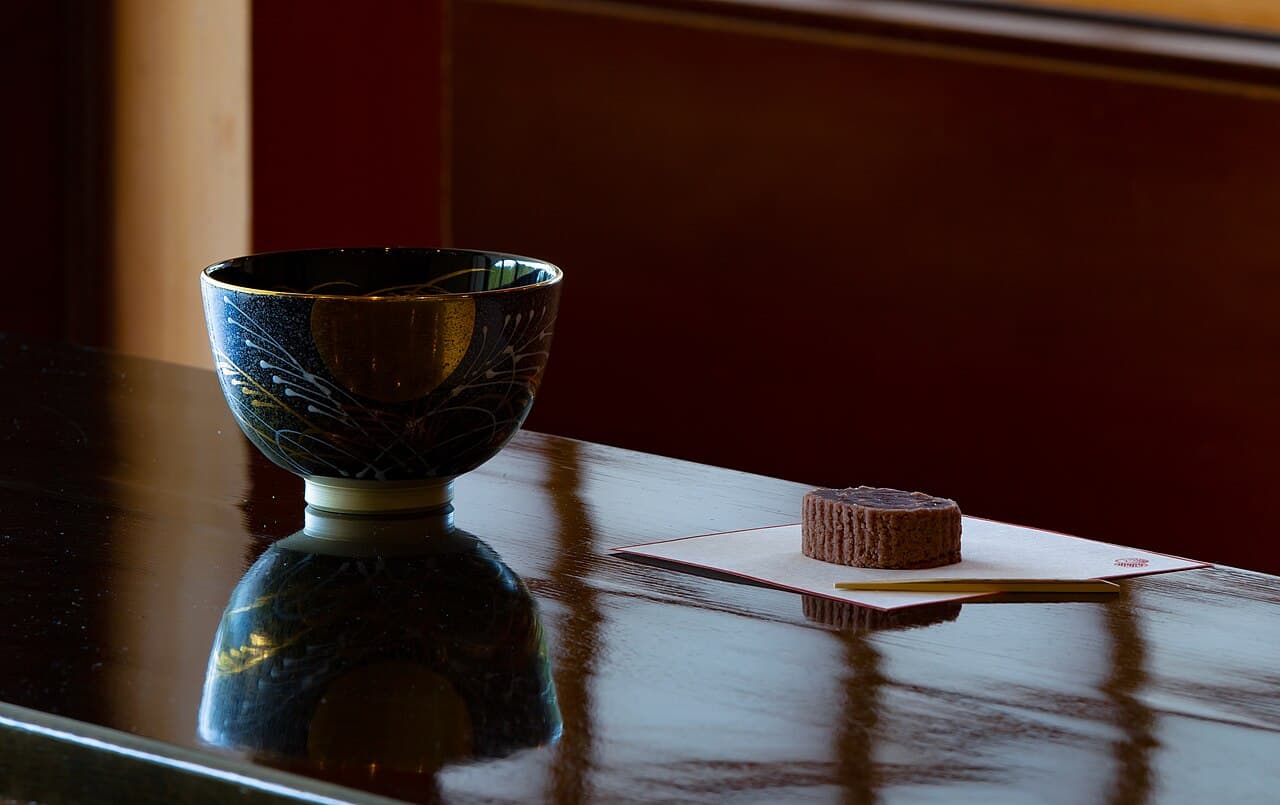
A Japanese tea ceremony costs roughly ¥3,000–¥6,000 per person for a shared group session, ¥4,500–¥7,000 with kimono rental included, and ¥15,000–¥30,000 for a private ceremony — with Kyoto priced highest and a simple garden matcha-and-sweet set starting around ¥1,000 (all as of 2026). The number you pay depends on three things: how private the room is, whether you wear a kimono, and which city you book in.
If you are new to the ritual itself, start with our pillar explainer, what a Japanese tea ceremony actually is, then come back here to plan your budget.
The short answer: what a tea ceremony costs in 2026
Most first-time visitors book a 45–90 minute guided experience with an English-speaking host, matcha whisked in front of you (or by you), and a seasonal wagashi sweet. That standard experience clusters in a predictable band:
| Type of experience | Typical price (per person, 2026) | What's included |
|---|---|---|
| Public-garden matcha & sweet (self-serve) | ¥1,000–¥1,600 | A bowl of matcha + one sweet, no host lesson |
| Shared / group ceremony | ¥3,000–¥6,000 | Guided ceremony, matcha, wagashi, you whisk your own bowl |
| Group ceremony with kimono | ¥4,500–¥7,000 | Above + kimono rental (and often a hairdo for women) |
| Private ceremony (small group) | ¥8,000–¥18,000 | Your own room and host, deeper explanation |
| Fully private / solo | ¥25,000–¥30,000 | One-on-one, premium teahouse or garden |
Prices are per person and current as of 2026; peak-season and premium garden venues sit at the top of each range.
Tea ceremony cost in Kyoto
Kyoto is the spiritual home of chanoyu, and its tea ceremony cost in Kyoto reflects that prestige. A shared group session with a well-known operator typically runs ¥3,000–¥5,000, while kimono packages climb toward ¥6,000–¥7,000.
At the top end, Camellia's Garden teahouse (across from Ryoan-ji) offers a private tea ceremony price of ¥15,000 per person for two or more people off-peak, rising to ¥18,000 in peak months (March, April, October, November and New Year), with solo bookings at ¥25,000–¥30,000 — matcha, a traditional sweet and whisking your own bowl are all included (as of 2026).
For where to actually go, see our Kyoto tea ceremony booking guide and our editor's shortlist of the best tea ceremonies in Kyoto.
Tokyo tea ceremony price
The Tokyo tea ceremony price is generally friendlier than Kyoto for a comparable experience. Shared sessions in Asakusa and Shibuya land around ¥3,500–¥4,000 (for example, an Asakusa shared seat near ¥3,500, or a Shibuya group class near ¥3,900), and morning ceremonies at landmark venues sit near ¥3,980.
Add a kimono and the total rises: MAIKOYA's kimono tea ceremony in Tokyo is around ¥6,300 per person including the rental. Want the cheapest legitimate taste? Public teahouses such as those in Hamarikyu Gardens serve a bowl of matcha with a sweet for roughly ¥1,000 — no lesson, but a genuine setting. Our full Tokyo tea ceremony guide maps these by neighborhood.
Osaka tea ceremony price
Osaka is the value pick of the three cities. MAIKOYA's kimono tea ceremony in Osaka is about ¥4,500 per person for roughly 90 minutes, including the kimono, the matcha and a sweet. Premium garden settings (such as a ceremony inside a landscaped teahouse garden) and fully private rooms cost more. See our Osaka tea ceremony guide for the current lineup.
What actually changes the price
Four levers move the number more than the city does:
- Private vs. shared. A shared table with 4–10 guests is the cheapest guided option. A private room — just your party and the host — is where cost jumps, often 2–4× the shared price. That is the single biggest factor in any private tea ceremony price.
- Kimono. A kimono tea ceremony cost adds roughly ¥1,500–¥2,500 over the plain version, because it bundles garment rental, dressing help and often hair styling. If dressing up is the memory you want, it is worth it; if you only care about the tea, skip it and save.
- Venue prestige & season. Historic teahouses, machiya townhouses and temple gardens charge more than a studio room, and Kyoto's peak months add ¥2,000–¥3,000 per person.
- Extras. Sweet-making (wagashi) workshops, a maiko or geisha appearance, or a full matcha-grinding session are add-ons layered on top.
How to get the best value
- Book a shared session, not private, unless privacy matters — you get the same tea, sweet and instruction for a fraction of the price.
- Decide on kimono deliberately. It is the fastest way to double your bill. If you're already renting a kimono elsewhere that day, don't pay for it twice — see what to wear to a tea ceremony before you book.
- Consider Tokyo or Osaka if budget matters more than Kyoto's aura — the same ritual costs noticeably less.
- Go off-peak. Avoiding Kyoto's March–April and October–November peaks alone can save ¥2,000–¥3,000.
- Try a garden teahouse for ¥1,000 if you just want to taste matcha in a beautiful setting without a lesson.
Is it worth it?
For most travelers, a ¥3,000–¥6,000 shared ceremony is the sweet spot: enough ritual, explanation and hands-on whisking to understand why the practice matters, without the private-room premium. Spend up only if you want a truly quiet, one-on-one setting or a landmark garden. Whatever you choose, book ahead — the best small teahouses fill days in advance, especially in Kyoto.
Preguntas frecuentes
- How much does a Japanese tea ceremony cost per person?
- Expect about ¥3,000–¥6,000 per person for a shared, guided group ceremony with matcha and a wagashi sweet in 2026. Adding a kimono pushes it to roughly ¥4,500–¥7,000, and a fully private ceremony ranges from ¥8,000 to ¥30,000 depending on the venue. A simple garden matcha-and-sweet set can be as low as ¥1,000.
- Why is a tea ceremony in Kyoto more expensive than Tokyo or Osaka?
- Kyoto is the historic center of tea culture, so its teahouses, machiya townhouses and temple gardens command a premium, and peak seasons (spring and autumn) add ¥2,000–¥3,000 per person. A comparable shared ceremony in Tokyo or Osaka usually costs less — Osaka is typically the best value of the three cities as of 2026.
- How much extra does a kimono tea ceremony cost?
- A kimono adds roughly ¥1,500–¥2,500 over the plain ceremony because the price bundles garment rental, dressing assistance and often hair styling. For example, MAIKOYA's kimono tea ceremony is around ¥6,300 in Tokyo and ¥4,500 in Osaka as of 2026. If you only care about the tea, skip the kimono to save money.
- What is the price of a private tea ceremony?
- Private tea ceremonies cost far more than shared ones. A small private group typically runs ¥8,000–¥18,000 per person, and a fully private or one-on-one session at a premium Kyoto teahouse or garden can reach ¥25,000–¥30,000 per person as of 2026. You are paying for your own room, host and deeper, unhurried instruction.
- Is there a cheap way to try matcha without a full ceremony?
- Yes. Public-garden teahouses — such as those in Tokyo's Hamarikyu Gardens — serve a bowl of freshly whisked matcha with a seasonal sweet for roughly ¥1,000 as of 2026. You won't get a host-led lesson, but you'll taste real matcha in an authentic tatami setting, making it the cheapest legitimate introduction.
Pruébalo tú mismo
Tea ceremonyKyoto
Ceremonia del té en Kioto: las mejores experiencias en inglés (y cómo reservar)
Dónde hacer realmente una ceremonia del té en Kioto, guiada en inglés, con precios honestos y las pocas reglas que importan, además de una forma directa de reservar.
Tea ceremonyTokyo
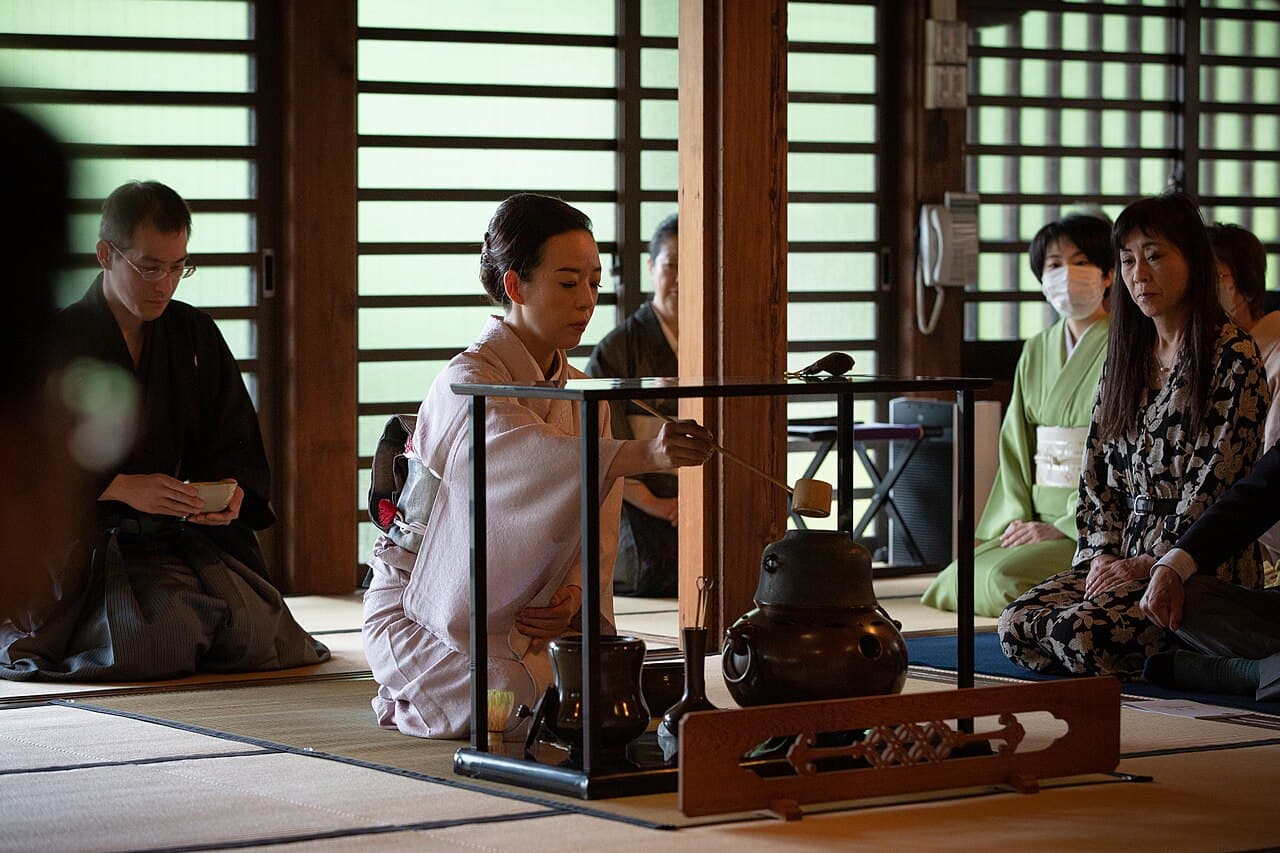
Tea ceremony in Tokyo — English-friendly tea rooms in Ginza, Shibuya & Asakusa (and how to book)
Where to experience a tea ceremony in Tokyo with English guidance — honest prices (from about ¥3,500), how long it takes, what actually happens, kimono options, and real booking links for Ginza, Shibuya and Asakusa.