
Daruma Doll Meaning: Why Both Eyes Are Blank, and Which One You Fill In First
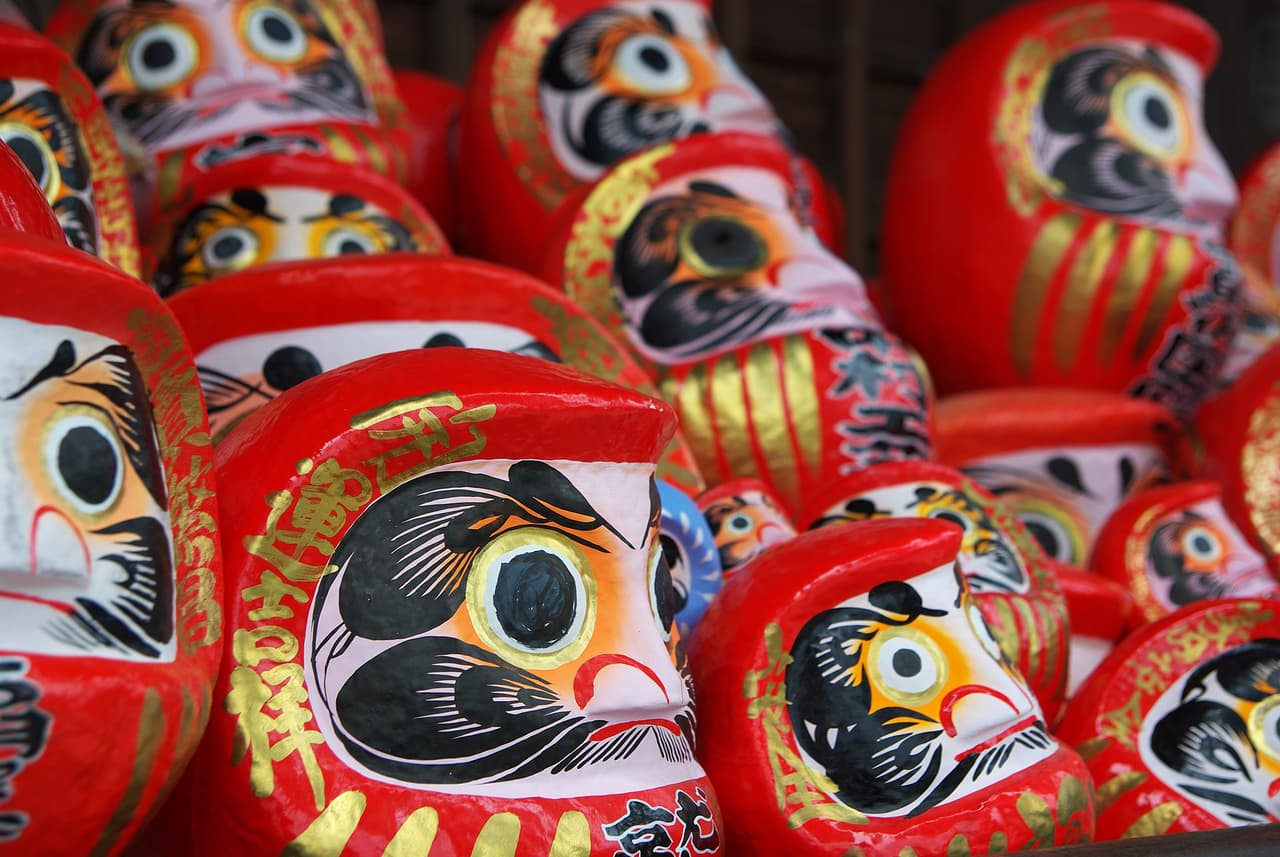
A daruma doll is sold with both eyes blank, and that is the entire point. You ink in one eye when you set a goal, keep the doll somewhere you will see it, and ink the second eye only when the goal is actually achieved. The blank eye is a standing reminder that the thing isn't done yet.
The convention is to fill the doll's left eye first — which is the eye on your right as you face it. But it is worth knowing that this is convention rather than rule: Takasaki's daruma makers state on their own FAQ that "there is no correct order of painting eyes of a Daruma doll," and clarify that when sources say "left," they mean "the doll's left eye, not the eye that is on your left as you face him."
Information as of 2026-08-18.
Who Daruma actually was
The doll is a stylised portrait of Bodhidharma — Daruma in Japanese — the monk who brought Chan Buddhism from India to China in roughly the 5th–6th century and whose school became Zen in Japan. He is the founder figure of the tradition, which is why a good-luck doll sold at New Year markets is, underneath, a Buddhist patriarch.
The round, limbless shape comes from the legend that he meditated facing a wall for nine years until his arms and legs withered away. That shape is also the doll's mechanism: it is weighted at the bottom, so when you push it over it rights itself. This is the source of the proverb usually attached to it, 七転び八起き (nana korobi ya oki) — "fall down seven times, get up eight."
Where they come from: Takasaki
Around 80% of Japan's daruma are made in Takasaki, in Gunma Prefecture — a figure given by both the Japan National Tourism Organization and the Gunma prefectural tourism body.
The origin story runs through Shorinzan Daruma-ji, a temple in Takasaki founded in 1697, which JNTO calls "the birthplace of the Daruma-making tradition." The temple had been handing out paper images of Bodhidharma as New Year charms. After a famine, a temple priest is said to have made a mould so local farmers could produce papier-mâché daruma and sell them at festivals as a second income. JNTO dates the take-off to 200–220 years ago and names the originating figure as Yamagata Tomogorō of Toyooka village. Gunma's official guide is careful to note that several origin theories exist — worth repeating, because a lot of English writing states one version as settled fact.
Look closely at a Takasaki daruma's face and you'll find the design is not abstract: the eyebrows are painted as cranes and the beard as a turtle, both classical Japanese symbols of long life.
Colours and what they mean
Red is the traditional colour — historically linked to warding off illness. The modern colour range is essentially a menu of wishes. JNTO lists:
| Colour | Associated wish |
|---|---|
| Red | General good fortune and well-being |
| White | Perseverance — often bought for exams |
| Gold / yellow | Wealth and prosperity |
| Black | Success in business ventures |
| Purple | Health and longevity |
| Blue | Academic success |
| Green | Physical wellbeing |
| Orange | Fertility, safety for children |
| Peach / pink | Love and romance |
These associations are conventions of the modern craft trade rather than ancient doctrine. If a shop's chart differs slightly, that is normal.
How to actually use one
- Buy it and decide the goal. Make it specific enough that you'll know when it's met.
- Ink one eye — the doll's left by convention — in black. A brush pen is fine.
- Put it somewhere visible. The half-blind face doing its job is the whole design.
- Ink the second eye when you succeed. Not before.
- Return it after about a year. Custom is to bring the doll back to the temple where you bought it, whether or not the wish came true, to be burned in a ritual called otakiage. The chief priest of Shorinzan Daruma-ji describes this as done after the New Year. Returning an unfulfilled daruma is entirely normal — the ritual is a closing of the year, not a verdict on you.
You are not obliged to burn it, and nobody polices this. But the return is part of the cycle, and it's why the dolls are traditionally bought fresh each January.
Where to buy one, and when
Daruma are sold year-round at temple shops and craft stores, but the traditional moment is New Year. Two markets are worth knowing:
- Takasaki Daruma Market — held in central Takasaki, outside the west exit of Takasaki Station, on January 1–2.
- Shorinzan Nanakusa Taisai Daruma Market — at the temple itself, running January 6–7.
Outside Gunma, most large temples with a New Year trade sell them, and Tokyo craft shops stock Takasaki dolls year-round.
A note on buying one as a souvenir
A daruma is a functional object rather than an ornament — the blank eye is an unfinished task, so giving one as a gift means handing someone a commitment device, which is charming if intended and slightly odd if not. Many people buy them for someone starting a business, sitting an exam, or recovering from illness, matching the colour to the wish.
If you're interested in the wider family of Japanese lucky objects, the beckoning cat works on a completely different logic. For the Buddhism behind Bodhidharma himself, see what Zen is.
Sources: Japan National Tourism Organization, "Try Your Luck with Takasaki Daruma"; Gunma Official Tourist Guide, "Takasaki Daruma"; Takasaki daruma makers' official FAQ (daruma.jp).
Preguntas frecuentes
- Which eye of the daruma do you fill in first?
- Convention is the doll's left eye — the one on your right as you face it — when you set your goal, and the other eye when the goal is achieved. Takasaki's own makers note there is no strictly correct order, and that "left" means the doll's left, not yours.
- Why does a daruma doll have no arms or legs?
- The shape comes from the legend that Bodhidharma meditated facing a wall for nine years until his limbs withered. It is also functional: the doll is bottom-weighted so it rights itself when pushed over, illustrating the proverb nana korobi ya oki, "fall down seven times, get up eight."
- What do daruma doll colours mean?
- Red is general good fortune, white perseverance and exam success, gold wealth, black business success, purple health and longevity, blue academic success, green physical wellbeing, orange fertility and child safety, and pink love. These are modern craft-trade conventions, so shop charts vary slightly.
- What do you do with a daruma after a year?
- Custom is to return it to the temple where you bought it — fulfilled or not — to be burned in a ritual called otakiage, typically after the New Year. Returning an unfulfilled daruma is completely normal; it marks the end of the year, not a judgement.
- Where are most daruma dolls made?
- Around 80% are made in Takasaki, Gunma Prefecture, according to both JNTO and the Gunma official tourist guide. The tradition is associated with Shorinzan Daruma-ji temple, founded in 1697, and took off roughly 200–220 years ago.
- When is the Takasaki daruma market?
- The Takasaki Daruma Festival is held in the city centre outside Takasaki Station's west exit on January 1–2, and the Shorinzan Nanakusa Taisai Daruma Market runs at the temple on January 6–7.
Relacionado
What Does Maneki-Neko Mean? The Lucky Cat's Paws, Colors, and Origin Explained
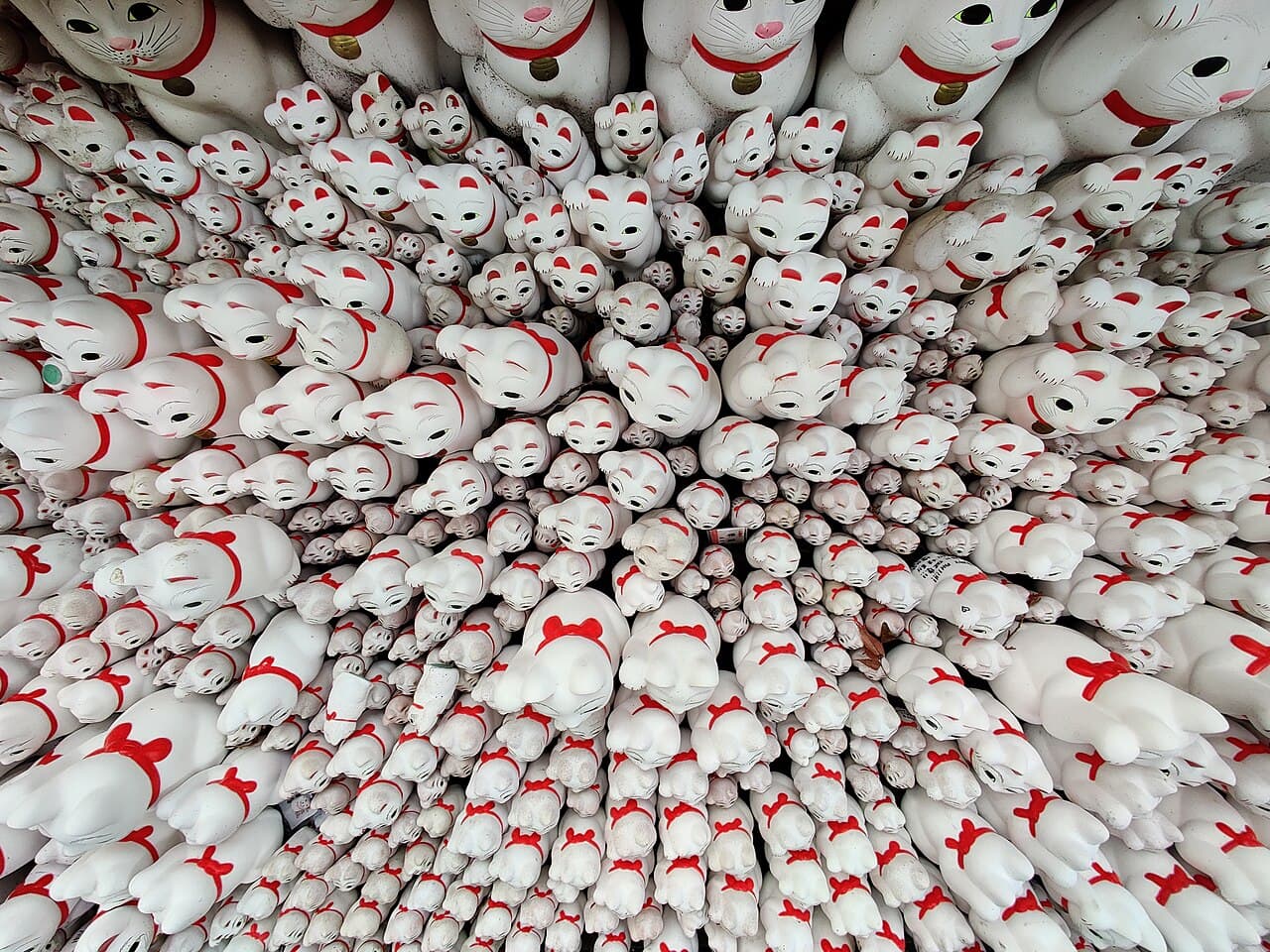
Maneki-neko (招き猫) literally means "beckoning cat." Which paw is raised, how high it's raised, and what color the cat is are all supposed to mean something different — and the coin it holds, a koban, is a real Edo-period gold piece worth one ryō. Its origin is genuinely disputed among several competing temple legends spanning different eras, with no single confirmed inventor.
What Is Zen? The Buddhist School Behind Japan's Tea Ceremony and Zen Gardens
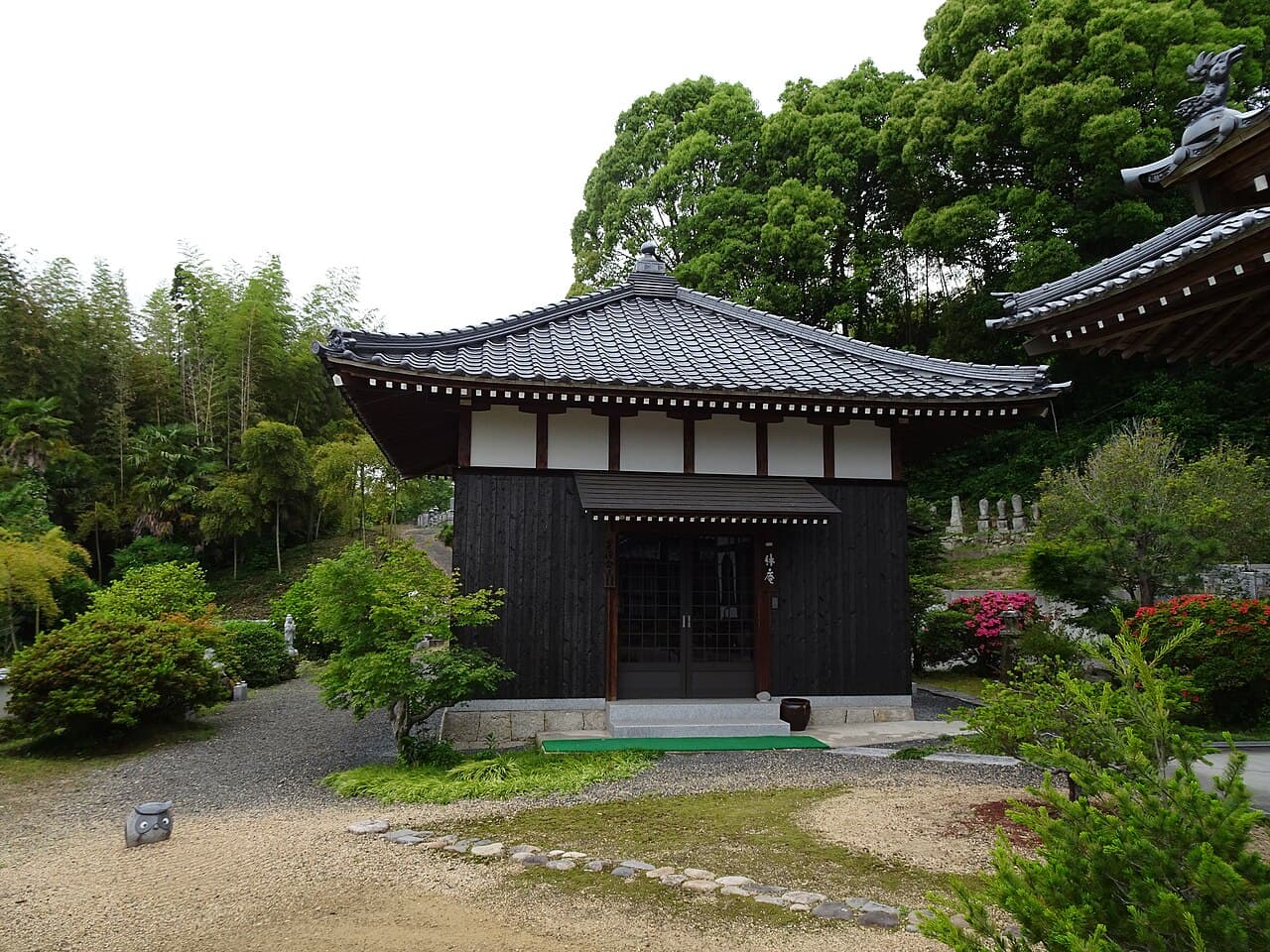
Zen is a Mahayana Buddhist school born as Chan in China, rooted in Japan as Rinzai and Sōtō — it still shapes zazen, tea ceremony, and Zen gardens today.

How to Pray at a Japanese Shrine: Etiquette, Step by Step
How to pray at a Japanese shrine, step by step: bow at the torii, purify at the temizuya, then two bows, two claps, one bow — plus coins, omamori and omikuji.