
What Is Zen? The Buddhist School Behind Japan's Tea Ceremony and Zen Gardens
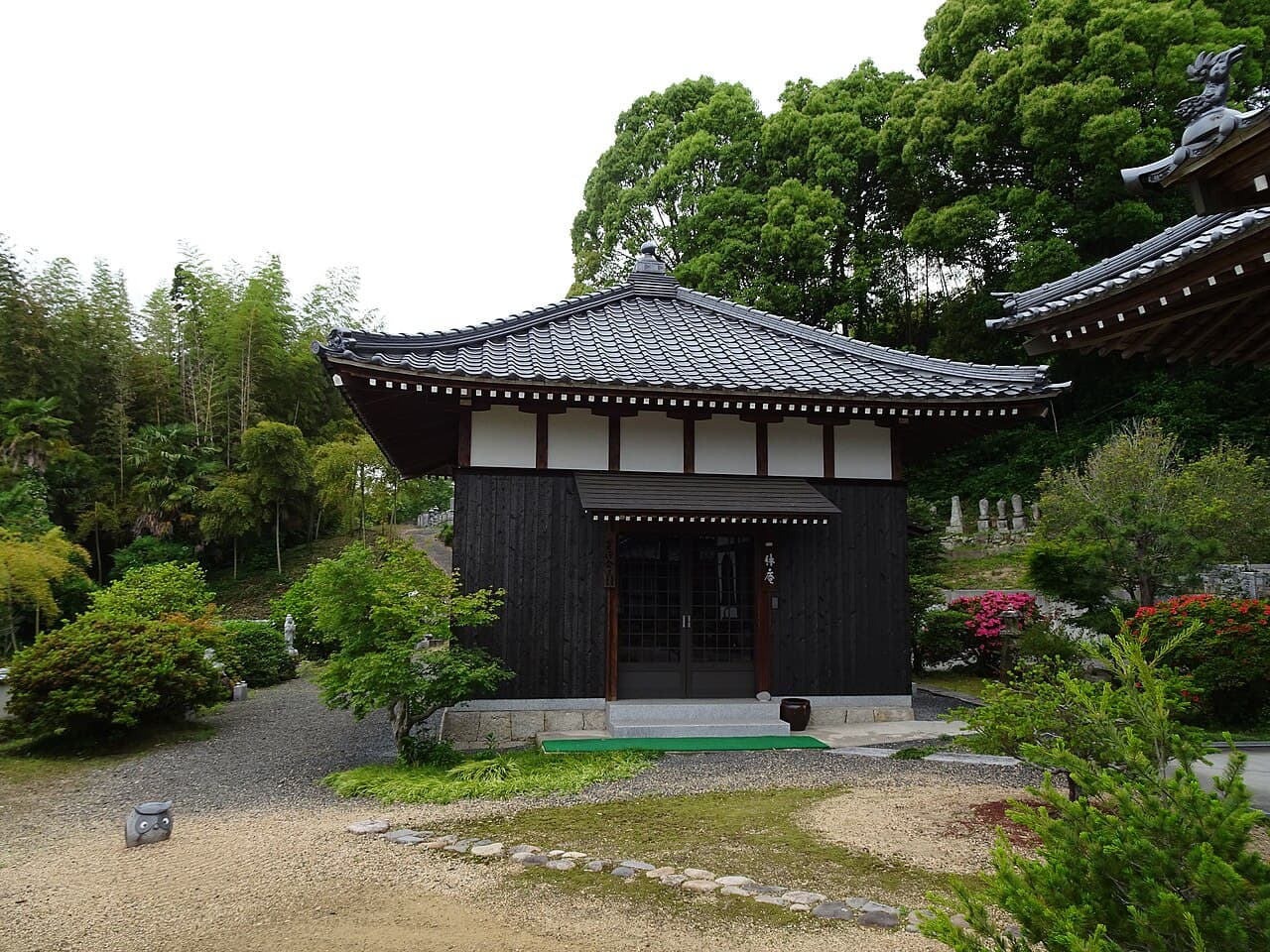
Zen is a school of Mahayana Buddhism — not a lifestyle brand, an interior-design style, or a synonym for "calm." It began as Chan in Tang-dynasty China, crossed into Japan at the end of the 12th century, and split into two main lineages there, Rinzai and Sōtō. Zazen, the cross-legged seated meditation most visitors picture when they hear the word "Zen," is the school's core practice — but Zen the tradition is bigger than the twenty minutes you might spend on a cushion at a temple in Kyoto.
Where Zen came from
Zen traces its roots to India, where the Sanskrit word dhyāna ("meditation") eventually became chan in Chinese and zen in Japanese. Chan Buddhism took shape in China by blending Indian Mahayana philosophy with Chinese Taoist thought, and tradition credits its transmission to a semi-legendary Indian or Central Asian monk named Bodhidharma. From China, the school spread outward — becoming Thiền in Vietnam, Seon in Korea, and Zen in Japan.
Two Japanese monks did the most to root it there. Myōan Eisai (1141–1215) brought back the Linji school of Chinese Chan, which became Japan's Rinzai sect. A generation later, Dōgen (1200–1253) studied the Chinese Caodong school and founded Japan's Sōtō sect, built around a practice he called shikantaza — "nothing but just sitting." (Pinning an exact founding year on either sect is murkier than most souvenir-shop pamphlets suggest; what's well documented is the two founders' lives, a generation apart, at the turn of the 13th century.) Zen took hold especially among the samurai class, who were drawn to its emphasis on discipline, simplicity, and full attention to the present moment.
Rinzai vs. Sōtō: two ways to sit
The split between Japan's two major Zen schools comes down to how you sit.
Sōtō's shikantaza is deliberately goal-less: you sit upright and alert, not focusing on a breath count, a mantra, or a visualization — the sitting itself is the practice, not a means to some later payoff. Sōtō teachers sometimes call this "silent illumination": you're not working toward enlightenment, you're already sitting inside it.
Rinzai's kōan practice is more confrontational. A teacher assigns a paradoxical question or story — the most famous is Hakuin Ekaku's "What is the sound of one hand clapping?", still often the first kōan given to novice monks — and the student wrestles with it during zazen, then discusses it one-on-one with the teacher in a private interview called dokusan. It's not meant to be solved like a riddle; it's meant to exhaust the logical mind until something shifts. Rinzai teachers have described sitting as "the forge in which enlightenment is hammered out," a more dramatic image than Sōtō's quiet illumination.
What actually happens in zazen
If you sit a beginner zazen session at a temple, a few details surprise first-timers. You sit upright with a straight spine, and — unlike most guided meditation apps — eyes stay open, resting in a soft, half-lowered gaze rather than closed. Hand position (often a cupped "cosmic mudra" in the lap) can vary a little by temple and lineage, so follow whatever the monk leading your session demonstrates rather than a diagram you saw online. You may also see — or feel — the keisaku (Rinzai) or kyosaku (Sōtō), a flat wooden stick used to strike a meditator's shoulder muscles when they're flagging in concentration or posture. It isn't punishment; the word itself means roughly "to awaken and encourage," and it's traditionally regarded as a stand-in for the hand of the bodhisattva Monju (Manjushri), given to help your zazen along, not to scold you.
How Zen shaped tea, gardens, and wabi-sabi
Zen's fingerprints are all over the Japanese aesthetic experiences visitors come to Japan for. Tea was first used by Buddhist monks as medicine and to stay awake through long meditation sessions, and a Zen priest — commonly identified as Eisai — reintroduced tea to Japan from China in the late 12th century. The phrase chazen ichimi, "tea and Zen are one flavor," captures the link directly. Centuries later, the tea master Sen no Rikyū built on that foundation to develop wabi-cha, articulating the four principles still cited in tea ceremony today: harmony (wa), respect (kei), purity (sei), and tranquility (jaku).
The same Zen sensibility shaped karesansui, the raked-gravel "dry landscape" gardens built at Kyoto's Zen temples during the Muromachi period — miniature landscapes meant to distill nature's essence rather than copy it literally, designed as an aid to meditation rather than a garden to stroll through. And it underlies wabi-sabi, the aesthetic of finding beauty in imperfection, impermanence, and quiet rusticity that still defines a huge amount of Japanese design, from a chipped tea bowl to an unpainted wooden gate.
Try it yourself
Several temples in Kyoto and elsewhere in Japan welcome visitors to beginner zazen sessions, some with English-language guidance — our Kyoto zazen guide walks through what to expect and how to book one. Exact schedules and prices vary by temple and season, so always confirm directly with the temple before you go. If tea is more your entry point into Zen's world, our tea ceremony explainer and tea ceremony etiquette guide pick up exactly where chazen ichimi leaves off, and our wabi-sabi explainer unpacks the aesthetic Zen left behind in every rock garden and tea bowl. For more ways to spend a day steeped in this world, see our guide to Kyoto cultural experiences.
FAQ
- Is Zen a religion, or just a philosophy or lifestyle?
- Zen is a school of Mahayana Buddhism, with monks, temples, and lineages of ordained teachers — not simply a design aesthetic or stress-relief technique, even though Western pop culture often borrows the word that way.
- Can visitors actually try zazen in Japan?
- Yes — a number of temples, especially in Kyoto, run beginner zazen sessions open to visitors, some with English guidance. Schedules, prices, and reservation rules vary by temple and season, so always confirm directly with the temple before you go.
- What is a kōan, and can you give an example?
- A kōan is a paradoxical question or story a Rinzai teacher assigns a student to work through during zazen, then discuss privately. The best-known example is Hakuin Ekaku's "What is the sound of one hand clapping?", often the first kōan given to novice monks.
- Why do some Zen monks tap meditators with a stick during zazen?
- That's the keisaku (Rinzai) or kyosaku (Sōtō), a flat wooden stick struck on the shoulder muscles to help a tiring or slouching meditator refocus. It isn't punishment — the word roughly means "to awaken and encourage," and it's traditionally treated as a stand-in for the hand of the bodhisattva Monju.
Try it yourself
Zazen meditationKyoto
Zazen meditation in Kyoto — English temple sittings, price, and how to book
Where to try zazen (seated Zen meditation) in Kyoto in English — which temples, what it costs, what actually happens, and how to book or join a public sitting.
Related
What is a Japanese tea ceremony? Chanoyu explained for first-timers
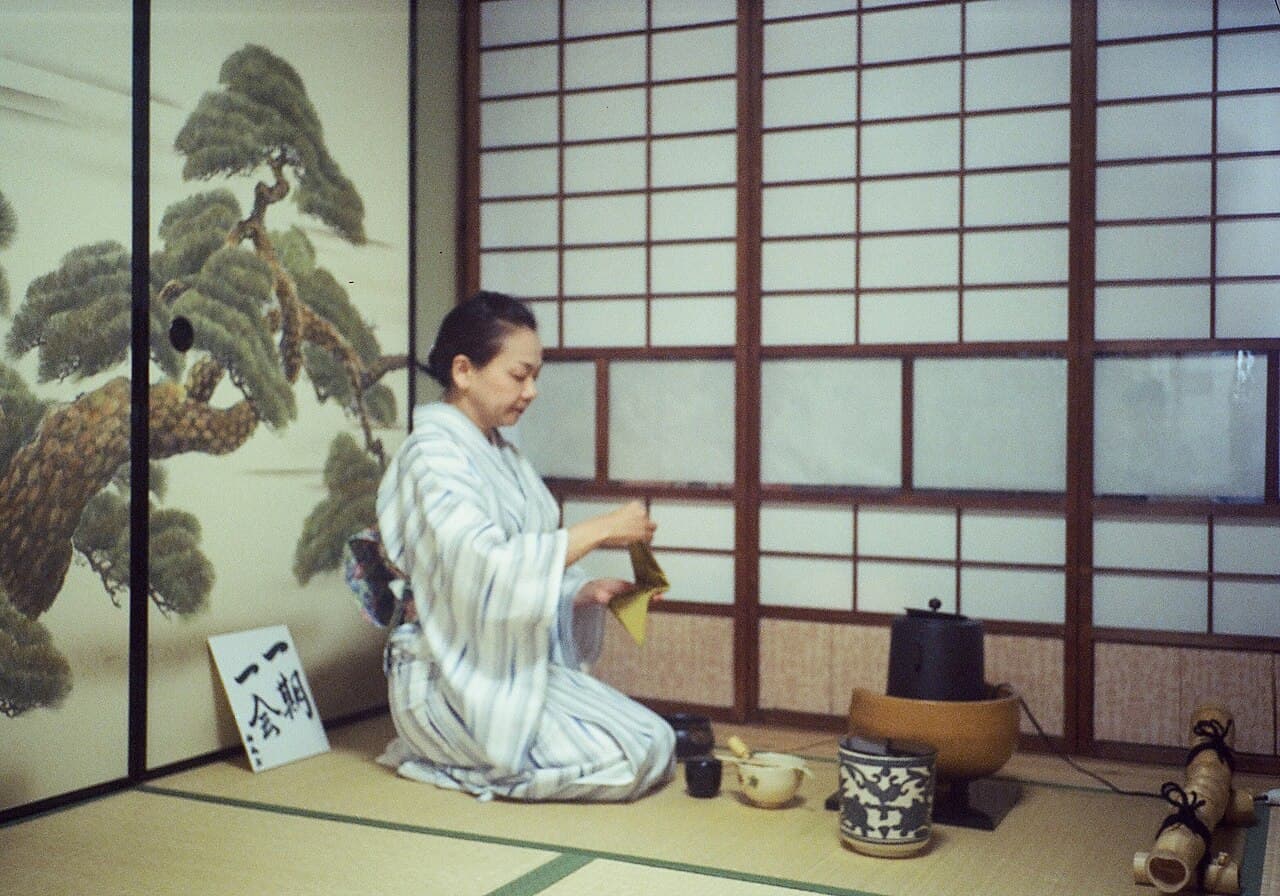
A Japanese tea ceremony (chanoyu) is a ritual of preparing and serving matcha. It is an art form, not a drink: its Zen roots and Sen no Rikyu, the four principles wa-kei-sei-jaku, what actually happens in the room, thick tea versus thin tea, and where to book an English-friendly session in seven cities.
What is wabi-sabi? Meaning, examples, and how to experience it
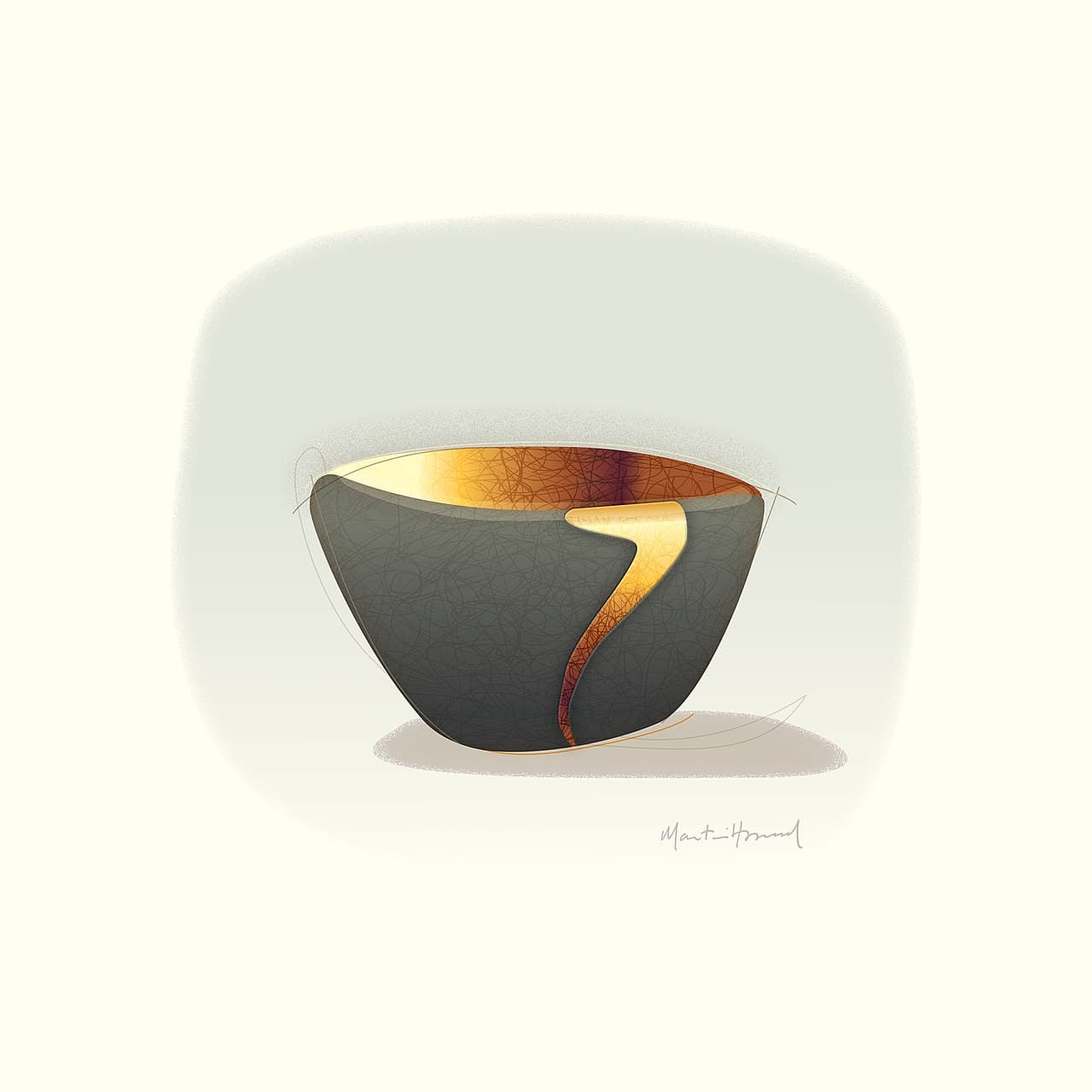
A clear explainer of wabi-sabi — the Japanese aesthetic of imperfection, impermanence and quiet simplicity — with real examples and where to feel it for yourself.