
How to Bow in Japan: What to Do (and Not Do)
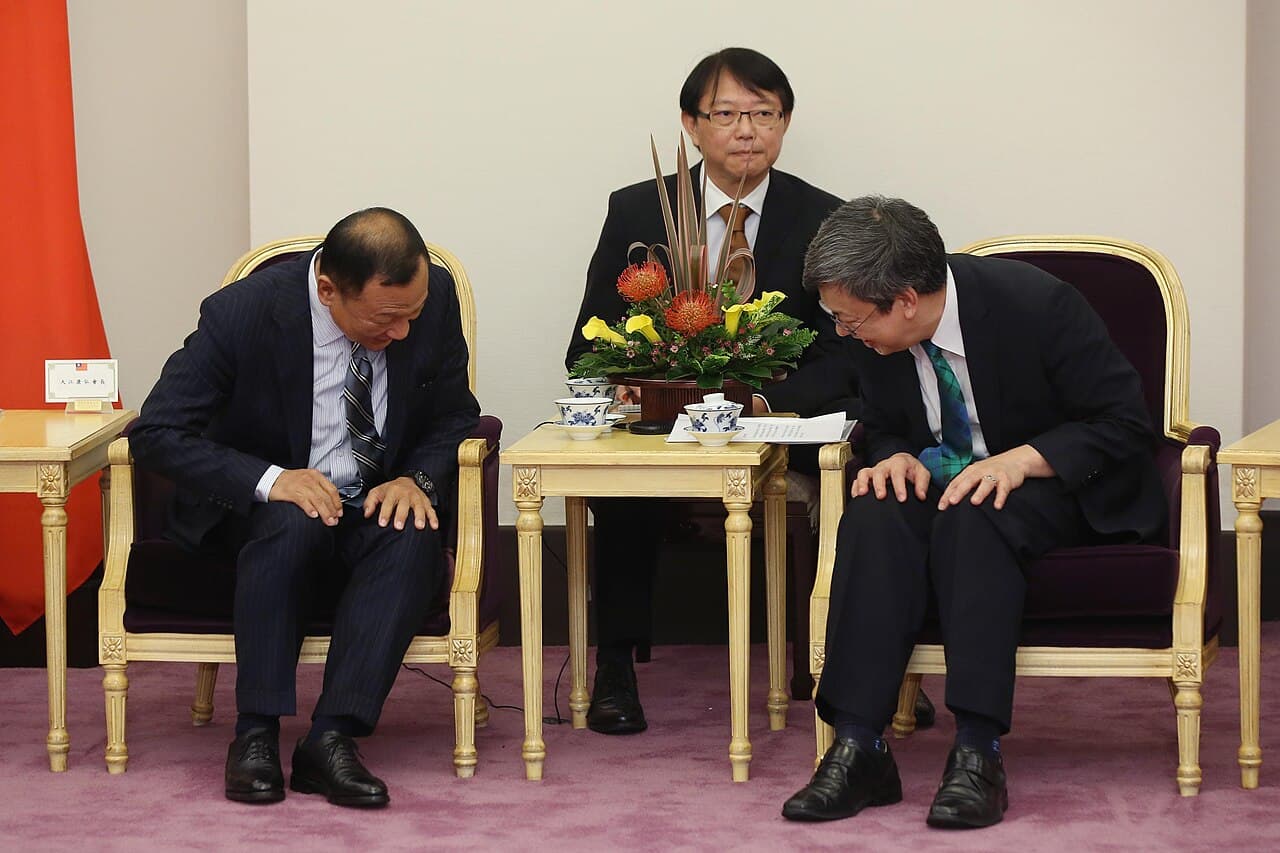
A slight nod of the head is really all most visitors need — Japanese people generally don't expect foreigners to bow correctly, and a courteous nod is a perfectly acceptable stand-in almost anywhere you'll travel. But bowing (ojigi) is still the everyday greeting in Japan, from the moment a shop clerk welcomes you to the moment a tea ceremony host welcomes you into the room, so it helps to know roughly what's happening around you — and, more importantly, what not to do.
The three depths of a bow (ojigi)
Japanese bowing isn't one gesture but a small spectrum of them, mostly distinguished by how far you incline from the waist:
- Eshaku (会釈) — a light bow of roughly 15 degrees. This is the casual, everyday bow: greeting an acquaintance, a quick nod to a coworker of similar rank, or acknowledging someone you've bumped into on the street.
- Keirei (敬礼) — a deeper bow of roughly 30 degrees. This is the standard formal bow used in business and service settings: greeting a client, entering a meeting, or thanking someone senior to you.
- Saikeirei (最敬礼) — the deepest bow, 45 degrees or more. It's reserved for rare, high-stakes moments — a serious apology, asking a major favor, or showing reverence at a shrine or temple — and is often held a beat longer than the others to signal sincerity.
Worth knowing: sources don't fully agree on the exact angles. Some travel and etiquette writers put keirei closer to 45 degrees and saikeirei near a right angle, and even Japanese-language references vary. Treat the numbers above as a rough guide to relative depth, not a protractor reading — the direction (more formal situation, deeper bow) matters far more than the exact degree.
How to actually do it
You don't need to calculate an angle in the moment. A few basics carry you through almost any situation:
- Keep your back and neck in a straight line as you bend from the waist — don't just tip your head forward.
- Let your eyes drop toward the floor rather than holding eye contact with the other person as you bow; maintaining a stare through a bow reads as slightly odd rather than respectful.
- For a deeper, more formal bow, pause for a moment at the bottom before rising — the small hold is part of what signals it's a serious or sincere bow, not a rushed one.
- Move slowly and don't rush back upright; a hurried bow can look dismissive even when that's not the intent.
The two mistakes visitors actually make
Bowing and shaking hands at the same time. This is the single most recognizable foreign-visitor stumble — famously captured in a widely shared 2009 photograph of a bowing US president simultaneously extending a hand to Japan's then-emperor. Pick one greeting, not both. If someone offers a hand, shake it; if they bow, bow back; trying to do both at once tends to look awkward rather than doubly polite.
Bringing in gestures from other countries. Pressing your palms together at chest height — the wai greeting used in Thailand — is not a Japanese custom and can read as confusing rather than polite if used here. When in doubt, a simple bow (or just a nod) is the safer, more legible choice in Japan specifically.
What locals actually expect from a visitor
Long-established travel guides to Japan are consistent on this point: most Japanese people do not expect foreigners to know the finer points of bowing, and treat a friendly head-nod as a perfectly sufficient response — to a shopkeeper's greeting, a train station attendant, or a new acquaintance. A bow that happens to be well-executed is noticed and appreciated, but it's a bonus, not a requirement. Handshakes remain uncommon in everyday Japanese life, though they do turn up in international business contexts, so don't be surprised if a bow and a handshake both appear in a meeting with people used to dealing with overseas visitors — just not from the same person at the same moment.
If you're picturing the most dramatic version of a Japanese bow — kneeling with your forehead to the floor — that's dogeza, and it's reserved for begging forgiveness or expressing genuine desperation. It shows up regularly in Japanese TV dramas precisely because it's rare and dramatic in real life; as a visitor, you will essentially never be expected to perform it.
Where you'll actually use this
Bowing is woven into almost every cultural experience worth booking in Japan — it's one of the first things a host teaches at the start of a tea ceremony, where a seated bow greets the host before the first sip of matcha, and it recurs at shrine visits, on entering a ryokan, and even at the start of most guided experiences you'll find across Kyoto's cultural experiences. You don't need to arrive with perfect technique — just don't offer a handshake at the same time, and a respectful nod will carry you through the rest. Table manners and greeting manners in Japan tend to travel together, so it's worth pairing this with our guide to chopsticks etiquette before your first meal out.
FAQ
- Do I need to bow correctly, or is a simple nod okay?
- A nod is genuinely fine. Most Japanese people don't expect visitors to know proper bowing technique, and treat a friendly head-nod as a sufficient response to a greeting from a shopkeeper, station staff, or new acquaintance. A well-executed bow earns extra goodwill, but it's a bonus, not a requirement.
- Should I bow and shake hands at the same time?
- No — pick one. Combining both is the classic visitor mistake, best known from a widely shared 2009 photo of a US president bowing while shaking hands with Japan's then-emperor. If someone offers a hand, shake it; if they bow, bow back.
- Is the Thai-style wai (palms pressed together) used in Japan?
- No. Pressing your palms together at chest height is a Thai greeting, not a Japanese one, and using it in Japan can read as confusing rather than polite. A simple bow or nod is the safer choice here.
- What is dogeza, and will I ever be expected to do it?
- Dogeza is the most extreme bow — kneeling with your forehead to the floor — reserved for begging forgiveness or expressing genuine desperation. It shows up often in Japanese TV dramas precisely because it's rare in real life; as a visitor, you'll essentially never need it.
Related

How to Pray at a Japanese Shrine: Etiquette, Step by Step
How to pray at a Japanese shrine, step by step: bow at the torii, purify at the temizuya, then two bows, two claps, one bow — plus coins, omamori and omikuji.

Ryokan Etiquette for First-Timers: What to Do From Check-In to Checkout
Ryokan etiquette for first-timers: shoes off at the genkan, wearing the yukata, the onsen bathing order, kaiseki timing, futon, tipping and checkout.

Chopstick Etiquette in Japan: The Rules That Actually Matter
Chopstick etiquette in Japan, honestly explained: the funeral taboos that matter, what's overstated, how to hold them, and the hashioki habit.