
Tokyo vs Kyoto for Cultural Experiences: An Honest Comparison

The short answer
If you have 2 days or less for cultural experiences, pick one city and go deep rather than racing between both. Kyoto wins if your priority is temple density, tea ceremony and geisha culture; Tokyo wins if you want the widest single-trip variety — samurai, sumo, craft classes — inside one easy-to-navigate hub. With 4+ days, do both: the fastest Nozomi Shinkansen covers Tokyo–Kyoto in about 2 hours 15 minutes, so it's a genuine add-on, not a detour.
What Kyoto does better
Kyoto is Japan's former imperial capital, and it still feels like one. The city and its surrounding hills hold 17 UNESCO World Heritage components (13 temples, 3 shrines and Nijō Castle), and the wider city is commonly cited as having roughly 1,600 temples and 400 shrines — a density no other Japanese city comes close to. That density means you can walk from a tea ceremony to a temple to a bamboo grove without ever needing a train.
Kyoto is also the place to see geisha culture as a living tradition, not a museum piece. Its five hanamachi (geisha districts), centred on Gion and Pontochō, are home to several hundred working geiko and maiko between them — nothing else in Japan comes close. A geisha or maiko experience here is the real thing; if you want to understand the difference first, read geisha vs maiko.
Tea itself has deeper roots here too: Kyoto is where the tea ceremony was refined into the disciplined, meditative form still taught today (see what a tea ceremony actually involves). If you only do one experience the whole trip, Kyoto's tea ceremony guide and etiquette primer are the natural starting point. Kyoto is also a good base for zazen meditation, traditional pottery, sake tasting and seasonal wagashi-making — see the full Kyoto experiences shortlist for how to prioritise.
What Tokyo does better
Tokyo's advantage is breadth and access, not concentration. It's the only city here with a real samurai sword experience, and it hosts three of Japan's six annual Grand Sumo tournaments (January, May, September) at Ryōgoku Kokugikan — Kyoto has no equivalent for either. Within the same afternoon you can go from a centuries-old kimono walk through Asakusa to hyper-modern Shibuya, which is the "old and new side by side" experience many first-time visitors picture when they think of Japan. Beyond the headline picks, Tokyo's scale also means more niche options: ikebana flower arranging, calligraphy, taiko drumming, kintsugi repair and even a ninja experience.
Tokyo also wins on sheer number of operators and time slots. Because the city is enormous, there are simply more schools running sushi-making, tea ceremony and craft classes on any given day, which makes last-minute and evening bookings easier than in Kyoto's smaller, capped-capacity venues. Narita and Haneda are Tokyo's airports, so most international arrivals start their trip here anyway — fitting cultural experiences into day one or two, before fatigue and a packed itinerary catch up with you, is a real advantage.
What Tokyo doesn't have is Kyoto's density of geisha districts or historic temple streets — its version of "tradition" sits inside a modern megacity rather than defining the whole city, which is exactly the trade-off to understand before you choose.
Price and crowds: how they actually compare
| Kyoto | Tokyo | |
|---|---|---|
| Tea ceremony | From ¥3,000, 45–60 min (guide) | From about ¥3,500, 45–60 min (guide) |
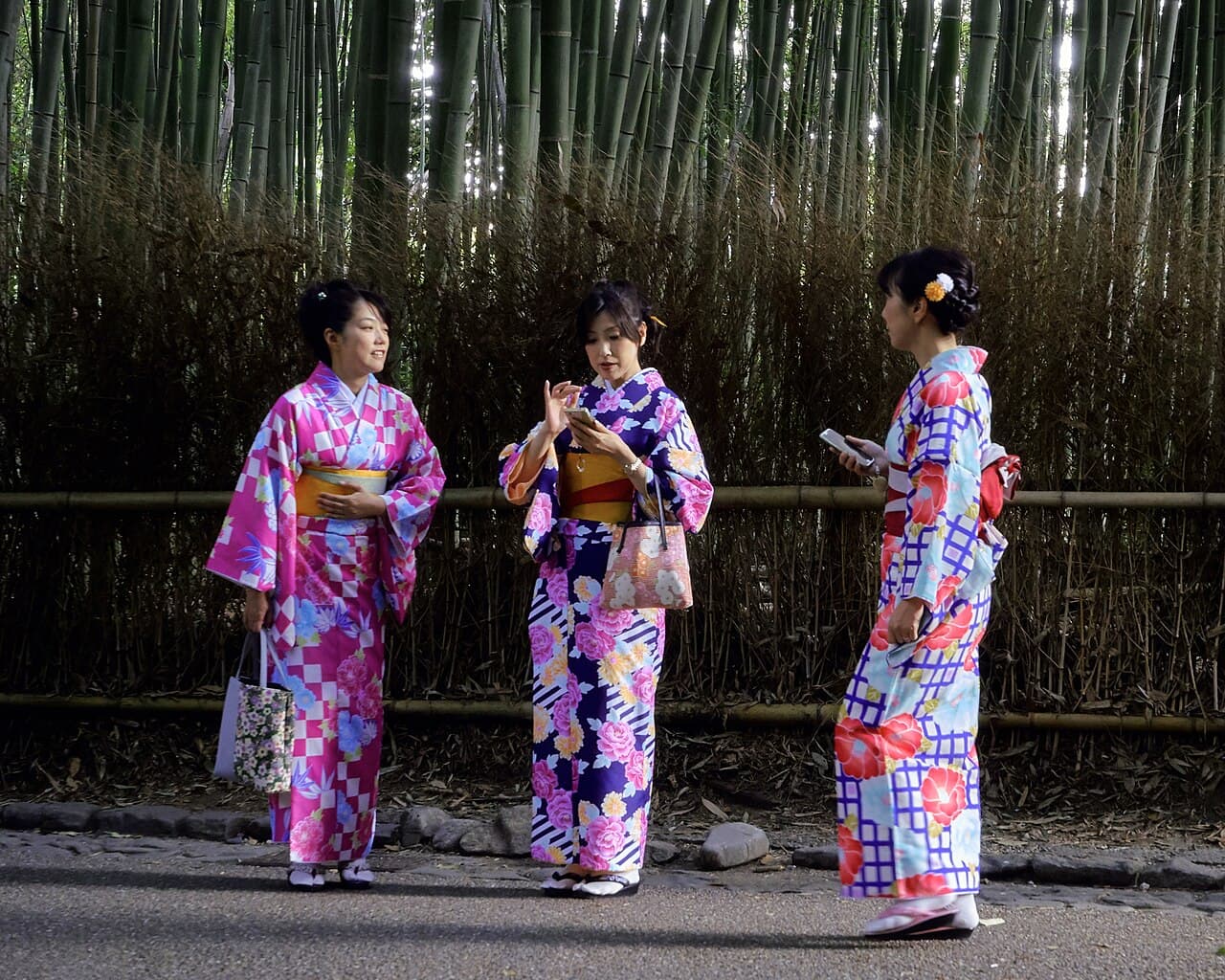
| Kimono | Widely available near Gion/Higashiyama, similar pricing to Asakusa | From ¥2,900–¥6,000 same-day plan (Asakusa guide) |
| City-exclusive pick | Geisha/maiko experience, temple zazen | Samurai sword class, Grand Sumo tournaments (seasonal) |
| Typical crowding | Very high in peak season, concentrated in a few districts (Gion, Fushimi Inari, Arashiyama) | Spread across a much larger city — busy, but rarely one bottleneck |
| Booking lead time | 1–2+ weeks ahead in cherry-blossom/autumn season; small venues cap group size | Usually easier to book close to your date, thanks to more operators |
Prices above are the "from" rates listed on each experience's own page and change with season and operator, so always confirm the current rate before booking. Still deciding if kimono is worth it either city? See is kimono rental worth it.
How to decide: a quick table
| If you… | Choose | Why |
|---|---|---|
| Have 2 days or fewer | One city, not both | The Shinkansen add-on isn't worth it for such a short window |
| Want the "postcard" temple-and-geisha Japan | Kyoto | Unmatched density in a compact, walkable area |
| Want the widest single-trip variety | Tokyo | Samurai, sumo, craft classes and a modern city in one hub |
| Are flying into Narita/Haneda first | Start in Tokyo | Fewer transfers on day one; add Kyoto later in the trip |
| Are visiting during cherry blossom or autumn foliage | Book Kyoto experiences first | Small venues sell out days ahead in peak season |
| Have 4+ days | Do both | About 2h15m each way on the Nozomi Shinkansen (reserved seat, roughly ¥14,000 one-way, varies by date) |
Sample itineraries
3 days, Kyoto only
- Day 1: Tea ceremony in the morning, Higashiyama temple walk in the afternoon
- Day 2: Geisha/maiko experience or zazen, Arashiyama bamboo grove
- Day 3: Wagashi-making or pottery class, Fushimi Inari at opening time to beat the crowds
3 days, Tokyo only
- Day 1: Kimono rental in Asakusa, Sensō-ji, evening in Shibuya
- Day 2: Samurai experience, a sumo tournament if the dates line up (January/May/September)
- Day 3: Sushi-making class or tea ceremony
7 days, both cities
- Days 1–3: Tokyo (as above)
- Day 4: Nozomi Shinkansen to Kyoto (about 2h15m)
- Days 5–7: Kyoto (as above), ending with a return Shinkansen or onward travel
The bottom line
Short trip: don't split it, pick one city and go deep. Longer trip: take Kyoto's density of tradition and Tokyo's breadth of experiences — that's the combination almost nobody regrets. Whichever you choose, read tea ceremony etiquette before you go; it's the one primer that makes every experience in both cities easier to enjoy.
Wherever you land, the booking mechanics are the same and they are not obvious: cancellation terms in Japan are set per listing, not per platform, and the same experience often carries three different prices across Viator, Klook and the operator's own site. How to book cultural experiences in Japan covers what each channel is actually good at, and the Japan-only platforms most travellers never find.
FAQ
- Should I visit Tokyo or Kyoto first?
- If you're flying into Narita or Haneda, start in Tokyo to avoid extra transfers on your most jet-lagged day, and save Kyoto's temple walking for once you've adjusted. Arriving via Kansai, or already adjusted? Kyoto first works too — order matters less than giving each city at least 2 full days.
- Can I visit both cities as a day trip from one base?
- Technically yes — the fastest Nozomi Shinkansen covers Tokyo–Kyoto in about 2 hours 15 minutes each way — but a same-day round trip leaves only a few rushed hours in the other city. For real cultural experiences, not just sightseeing, stay at least one night in each.
- Which city has better geisha experiences?
- Kyoto, by a wide margin. Its five hanamachi districts hold several hundred working geiko and maiko between them, versus one small district in Tokyo's Asakusa. For a real, bookable encounter, Kyoto's geisha and maiko experience is the one to choose.
- Is Tokyo or Kyoto cheaper for cultural experiences?
- Prices are broadly similar experience-for-experience — a tea ceremony runs about ¥3,000–¥3,500 in both cities. Kyoto's peak-season add-ons (kimono hair styling, geisha photos) push costs up more, so Tokyo can work out marginally cheaper in spring and autumn.
- Do I need to do a tea ceremony in both cities?
- No — one is enough to learn the etiquette and meaning. Kyoto's version leans more traditional and meditative; Tokyo's tends to be more flexible on timing and location (Ginza, Shibuya, Asakusa), so pick whichever fits your itinerary rather than doing both.
- Are samurai and sumo experiences only in Tokyo?
- Yes, on this list. Tokyo is the only city here with a bookable samurai sword class, and it hosts three of Japan's six annual Grand Sumo tournaments (January, May, September) at Ryōgoku Kokugikan; Kyoto has no direct equivalent for either.
- How many days should I split between the two cities?
- For a first trip, a rough split of 3 days Tokyo / 3 days Kyoto works well. Weight it toward Kyoto if temples and tradition matter more to you, or toward Tokyo if variety and modern city life do.
À voir aussi
Across Japan
How to book cultural experiences in Japan — Viator vs GetYourGuide vs Klook vs booking direct
The single most useful rule: cancellation and refund terms are set per listing, not per platform — so "which site is better" is the wrong question. The right questions are whether the operator sells direct, how far ahead you are booking, and what happens if your train is late. Here is what each channel is actually good at, what direct booking gets you, and the Japan-only platforms most travellers never find.