Kintsugi📍 Tokyo

Kintsugi class in Tokyo — repair with gold, English-friendly (and how to book)

Mend a broken bowl with gold and take it home — a beginner-friendly, English-guided kintsugi workshop in Tokyo, the hands-on heart of wabi-sabi.

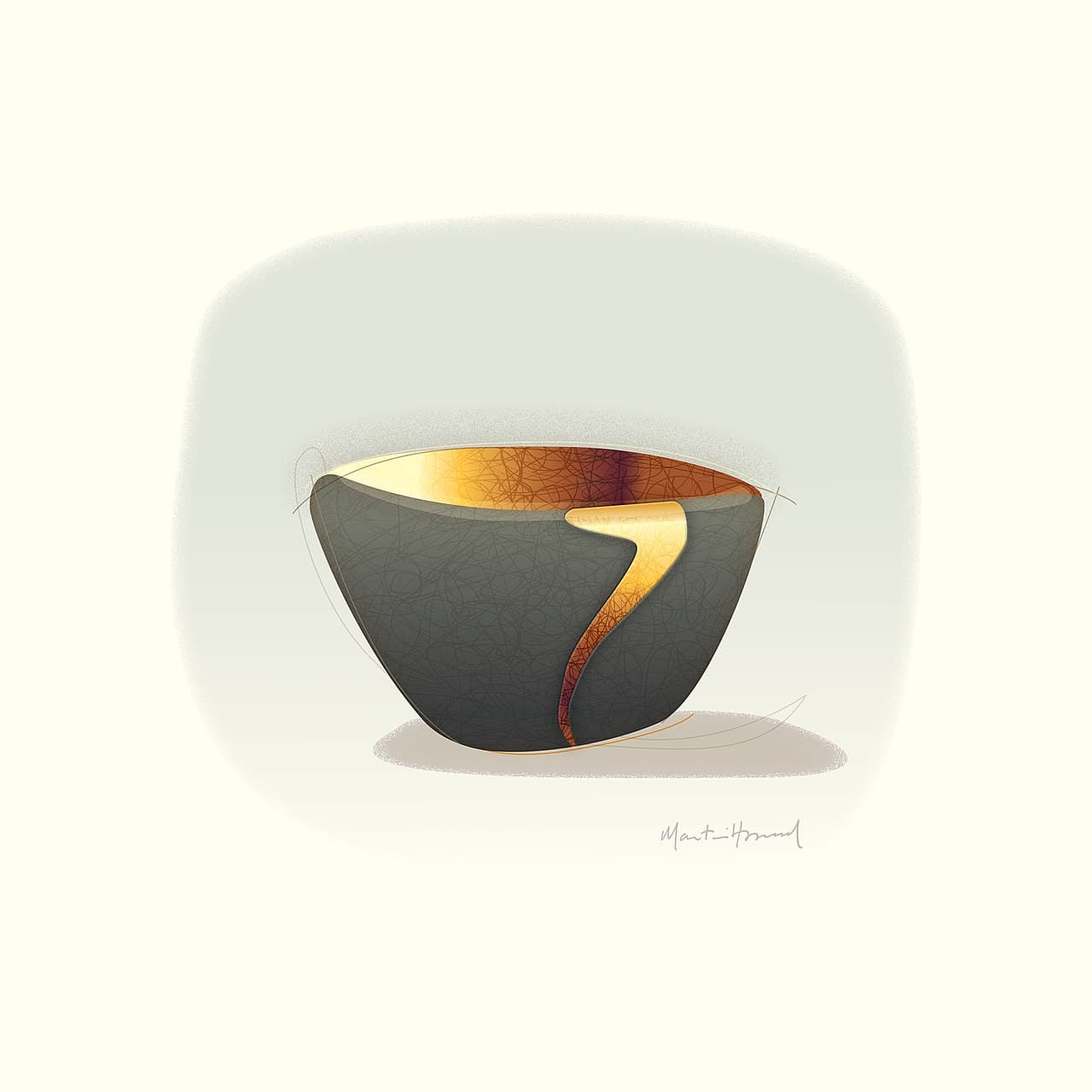
A ceramic bowl repaired with kintsugi — cracks mended with gold lacquer
martinjhoward2 / CC BY-SA 2.0, via Wikimedia Commons

At a glance

The honest go-info
Language
English-friendly — hosted or guided in English
Duration
1.5–2 hours (beginner) / multi-session (authentic lacquer)
Price
From about ¥18,000 (≈US$120) for a ~1.5-hour beginner workshop
Booking
Reserve in advance — walk-ins are not guaranteed
Nearest station
Ebisu or Asakusa Station (depends on studio)
What to wear
Wear clothes you don't mind getting a spot on, or use the apron provided; lacquer and gold powder can mark fabric. Nothing else needed — materials and a piece to mend are included.
Good for
first-timers, couples, craft & design lovers

The way · 道

  1. ArriveEbisu or Asakusa Station (depends on studio)
  2. EtiquetteA few quiet manners go a long way — read the form first
  3. DoKintsugi
  4. BookReserve your slot below

The short answer

Kintsugi (金継ぎ, "golden joinery") is the Japanese art of repairing broken pottery with lacquer dusted in gold — turning the cracks into the most beautiful part of the bowl. In Tokyo you can take a beginner-friendly, English-guided class, mend a real piece and take it home the same day, from about ¥18,000 for around 90 minutes. It's the most hands-on way to feel wabi-sabi — the beauty of imperfection.

This page is the honest go-info: the two methods, where to book in English, and what it costs.

Quick method vs the real thing (choose before you book)

This is the thing nobody tells you:

  • Simplified / resin method — uses a food-safe synthetic resin and gold-coloured powder. Same-day, beginner- and family-friendly, the bowl is usable for dry items. This is what almost every tourist class is, and it's genuinely lovely.
  • Authentic urushi lacquer — uses natural Japanese lacquer and real gold, the traditional way. It takes several sessions over weeks to dry properly, so it's for residents or longer stays — and a few people are allergic to raw lacquer, so ask first.

For a holiday, the simplified class is the right call.

Where to book (English-friendly)

Prices and studios change, so confirm the current option on the operator's page before you pay.

What actually happens

You'll choose (or be given) a broken ceramic piece, join the pieces, fill the chips, then paint the seams in gold and polish. The guide explains both the technique and the philosophy — that a mended thing can be more beautiful, and more valuable, than an unbroken one. You leave with a bowl or cup that carries its own story.

The idea behind it

Kintsugi is wabi-sabi made physical. If the philosophy draws you in, read what wabi-sabi means, then see the rest of Japan's cultural experiences. For a calmer pairing, a tea ceremony sits in the same quiet world.

Highlights

  • Repair a real ceramic piece with golden seams
  • Take your finished bowl or cup home
  • Learn the wabi-sabi idea behind the craft, in English
  • Beginner and family options use a safe, quick method

Good to know

Kintsugi is unhurried by nature — the lesson is patience, not perfection. Wonky gold lines are the point, not a mistake. If you want the real thing (natural urushi lacquer and pure gold), choose a multi-session course; some people are allergic to raw lacquer, so ask first.

The MICHI Desk
  • Japanese-culture experience editor

Verified, English-friendly guides to experiencing Japanese culture.

More experiences in Tokyo

Tea ceremonyTokyo

Tea ceremony in Tokyo — English-friendly tea rooms in Ginza, Shibuya & Asakusa (and how to book)

Where to experience a tea ceremony in Tokyo with English guidance — honest prices (from about ¥3,500), how long it takes, what actually happens, kimono options, and real booking links for Ginza, Shibuya and Asakusa.

English-OK · 45–60 minutes (tea only) / about 90 minutes with kimono · From about ¥3,500 (as of July 2026) for a 45-minute session; kimono plans cost more

Taiko drummingTokyo

Taiko drumming class in Tokyo — play the big drums, English-friendly (and how to book)

Where to take a taiko drumming class in Tokyo with English support — honest prices, what the 60–90 minutes actually feel like, what to wear (it's a workout), and real booking links.

English-OK · 60 minutes (TAIKO-LAB) / 90 minutes (Daikanyama workshop) · From about ¥15,000 per person for a 60-min group session (3+; solo/duo cost more — confirm the exact current rate on the operator's booking page) or a confirmed ¥16,500 for a 90-min Daikanyama workshop (as of July 2026)

Sushi makingTokyo

Sushi making class in Tokyo — press nigiri with a chef, English-friendly (and how to book)

Where to take a sushi making class in Tokyo, English-guided — hands-on nigiri with a chef vs Tsukiji market-tour combos, honest prices, what you'll actually make, and direct ways to book.

English-OK · 1.5–2 hours (class only) / 3–4 hours (market tour + class) · From about ¥13,000 for a 1.5-hour class; about ¥17,600 with a Tsukiji market tour (as of July 2026)