
The short answer
You can train with a real katana in Tokyo in English, guided by an experienced instructor — no martial-arts background needed. Studios teach you the etiquette of the sword, a few cutting forms (iaido or kenbu sword-dance), and at some you finish with tameshigiri, cutting a rolled tatami mat. Most sessions run about 60 minutes. Prices start from ¥11,000 per adult (¥8,800 per child under 12, tax included, bookings from two people) at a dedicated sword studio, as of September 2026; museum-style sessions vary.
This page is the honest go-info: which English-friendly studios to book, what each includes, and how to behave around the blade.
Where to book (English-friendly)
| Studio | Area | What you do | From |
|---|---|---|---|
| SAMURAI EXPERIENCE | Sendagaya / Harajuku | Sword forms, hakama, photo session; private plans | ¥11,000 pp (¥8,800 child) |
| Samurai & Ninja Museum Tokyo | Shinjuku | Armour, katana lesson, tameshigiri mat-cutting | See operator |
| Tokyo Samurai Kenbu | Central Tokyo | Kenbu sword-dance lesson with fan & sword | See operator |
Book SAMURAI EXPERIENCE on its official plans page, the Samurai & Ninja Museum via its official tour page, and Tokyo Samurai Kenbu on its official Tokyo page. All are English-guided; weekends and peak weeks sell out, so reserve ahead. Confirm current prices and minimum ages on each page before you pay.
What actually happens
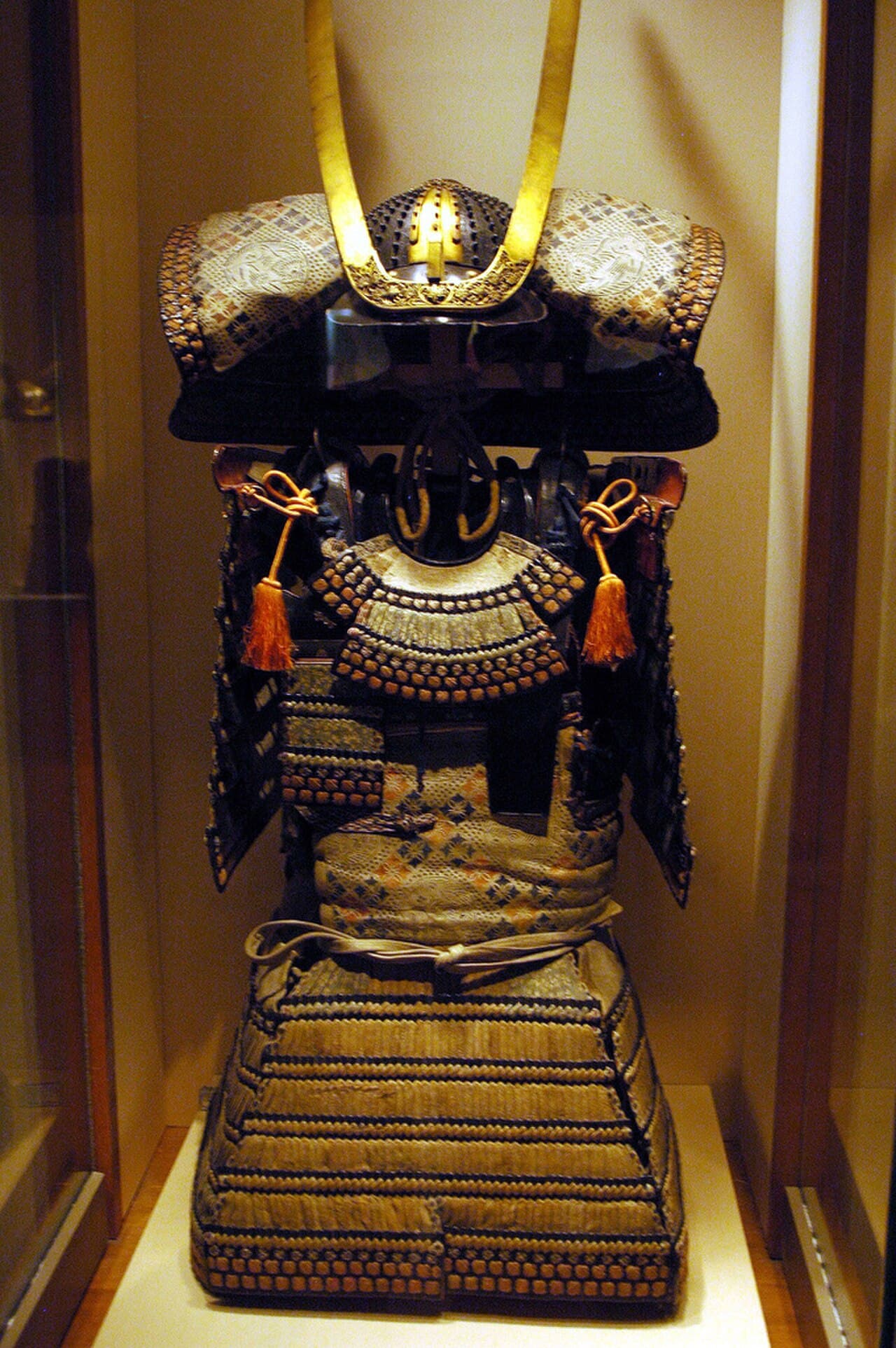
You bow in, change into hakama (and sometimes light armour), and learn how to hold, draw and sheathe the katana safely. The instructor walks you through a short kata — slow, deliberate movements that are as much about posture and breathing as the cut. At studios that offer tameshigiri, you'll then cut a rolled tatami omote mat, which is genuinely satisfying and the photo everyone wants.
The respect that matters
The samurai code (bushidō) is built on composure and respect, and that shows in how you handle the blade: bow to the sword, never point it at anyone, keep it sheathed until told, and follow the instructor exactly. It's safe and beginner-friendly precisely because everyone follows the same etiquette.
Make a day of it
Pair a sword session with a kimono rental in Asakusa for a full day in old-Tokyo dress. If the philosophy behind the discipline interests you, the same stillness runs through a zazen meditation in Kyoto and the aesthetic of wabi-sabi. For samurai festivals and parades by date, see japan-event.info.
If what you want is the living martial art rather than the sword forms, kendo in Tokyo is the other half of this: real bōgu armour, a bamboo shinai, and a bout at the end. The two answer different questions and both are worth doing.
- Learn iaido or kenbu cutting forms from a trained instructor
- Dress in hakama or light samurai armour
- Tameshigiri (tatami-mat cutting) at some studios
- English-guided — no Japanese needed
Treat the katana as a real blade even in practice: bow to it, never point it at people, keep it sheathed until told, and follow the instructor's grip and footwork exactly. Composure and respect matter more than force.
Preguntas frecuentes
- How much is a samurai experience in Tokyo?
- SAMURAI EXPERIENCE in Sendagaya/Harajuku charges ¥11,000 per adult and ¥8,800 per child under 12, tax included, for its guided group sword class of about 60 minutes, and takes bookings from two people (as of September 2026). Museum-style sessions are priced separately — check each operator's page.
- Do I need to speak Japanese for a samurai class in Tokyo?
- No — the studios on this page are guided in English, so you can follow the grip, footwork and cutting forms without any Japanese.
- How long does a samurai experience take?
- About 60 minutes, and longer for private or group plans.
- What should I wear to a samurai experience?
- Comfortable clothes you can move in — you usually change into hakama or light armour over them. Sessions are on tatami or studio flooring in socks, so wear flat, easy-to-remove shoes.