
Do You Tip in Japan? The Short Answer for Every Situation
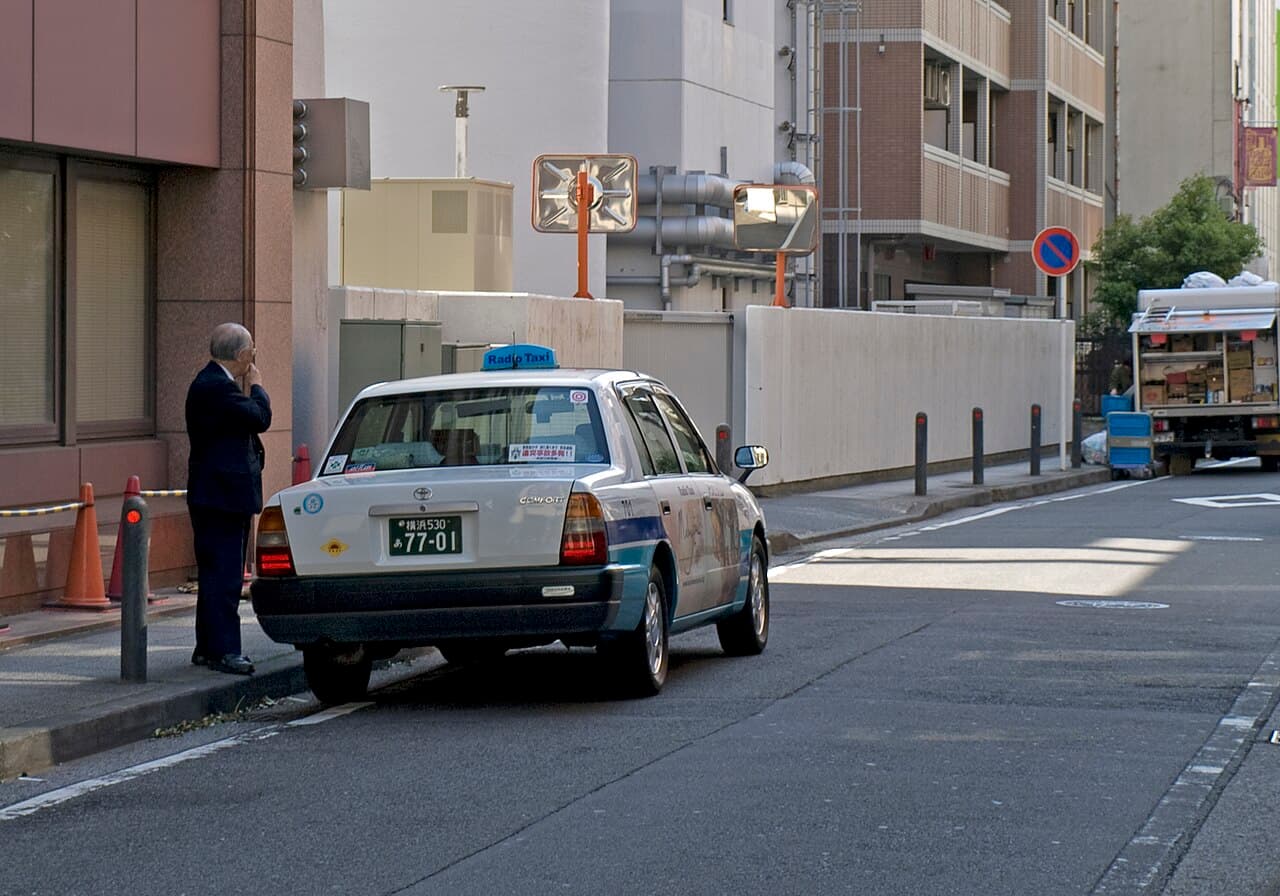
No. Tipping is not the custom anywhere in Japan — not at restaurants, not in taxis, not at hotels, not for hairdressers, and not for the guide who spent all day showing you around. Good service is already what you paid for, and offering extra cash on top of the bill tends to confuse waitstaff more than flatter them. In the rare situations where a small gratuity is genuinely welcomed, there's a specific, low-key way to do it — that's what this page covers.
Why tipping isn't the default here
Two things explain most of it. First, service that anticipates your needs without being asked is simply considered part of doing the job well in Japan — a mindset called omotenashi (wholehearted hospitality, given without expecting anything back). A server, driver or ryokan attendant isn't performing extra effort to earn a tip; the attentiveness is the baseline. Second, the price you're quoted is understood to already cover the full cost of the service — there's no expectation of a top-up, and many businesses build a service charge or cover fee directly into the bill rather than leaving it to individual generosity.
What actually happens if you try to tip
Across taxis, restaurants and casual hotels, staff will typically decline politely — treating extra cash as an overpayment or a mistake rather than a gift, and doing their best to hand it back rather than keep it. It isn't a rebuke; returning the difference is itself considered part of doing the job properly. Save yourself (and them) the awkward exchange and simply pay the amount on the bill.
The handful of situations where a small tip is genuinely accepted
A few narrow exceptions exist, and all of them share the same shape: a personal, extended, one-on-one service rather than a standard transaction.
- Ryokan attendants (nakai) at high-end traditional inns. Guests occasionally leave a small cash gift called kokorozuke — commonly cited in the ¥1,000–¥3,000 range per stay — as thanks for exceptional personal service. It's optional, uncommon even at upscale ryokan, and never expected of a first-time guest. Our ryokan etiquette guide covers the rest of a ryokan stay.
- Private tour guides or interpreters who are used to working with international visitors, especially over a full day. Guiding services sometimes mention a range around ¥5,000–¥10,000 for a full day as a discreet thank-you, though there's no fixed rule and plenty of guides won't accept it either.
- Long private-car or intercity transfers, as opposed to an ordinary metered taxi ride, where a small gesture for the driver is sometimes offered and sometimes accepted — this is the exception, not the rule for everyday taxis.
Outside of these, don't tip — including at izakaya and casual restaurants, where the etiquette has its own local wrinkles (like the automatic otoshi starter charge) that Umami Hunt covers in more depth for dining specifically.
If you do decide to leave something
Never hand over loose cash directly, and never leave coins. The polite way is to put the money in a small envelope (a plain one from a convenience store works, or a decorative pochibukuro) and present it with both hands, ideally at the start of a stay or tour rather than as a parting transaction. Treat it as a personal thank-you gift, not a service charge you're settling.
Preguntas frecuentes
- Do I tip taxi drivers in Japan?
- No. Regular metered taxi rides don't call for a tip, and a driver will usually try to return any money left behind. For a long private-car transfer between cities, a small optional gesture is sometimes offered and accepted, but it isn't expected.
- Do I tip at restaurants, including high-end ones?
- No, tipping isn't customary at any level of restaurant in Japan, from casual noodle counters to fine dining. Some restaurants add their own service charge to the bill, which already covers this.
- Should I tip at a ryokan?
- Not as a rule — attentive personal service from your room attendant is already included in the room rate. At some high-end ryokan, guests occasionally leave a small *kokorozuke* envelope as a discretionary thank-you, but it's optional and uncommon.
- What about private tour guides?
- This is the clearest exception. A private guide or interpreter working an extended day with visitors may accept a modest, discreetly offered tip, though it isn't required and some guides will still decline.
- Is it rude to tip in Japan?
- It's rarely taken as an insult, but it usually reads as confusing rather than generous, since it isn't part of the local service model. Expect a polite decline more often than acceptance.
Relacionado
What Is Omotenashi? Japan's Idea of Hospitality, Explained
Omotenashi is hospitality given with nothing expected in return — and it's the real reason nobody in Japan expects a tip.

Ryokan Etiquette for First-Timers: What to Do From Check-In to Checkout
Ryokan etiquette for first-timers: shoes off at the genkan, wearing the yukata, the onsen bathing order, kaiseki timing, futon, tipping and checkout.
Etiqueta de la ceremonia del té: qué hacer (y qué no) tu primera vez
Una guía clara para principiantes sobre la etiqueta de la ceremonia del té japonesa: cómo entrar, recibir el cuenco, beber y manejar el dulce — sin necesidad de saber japonés.