
What to expect
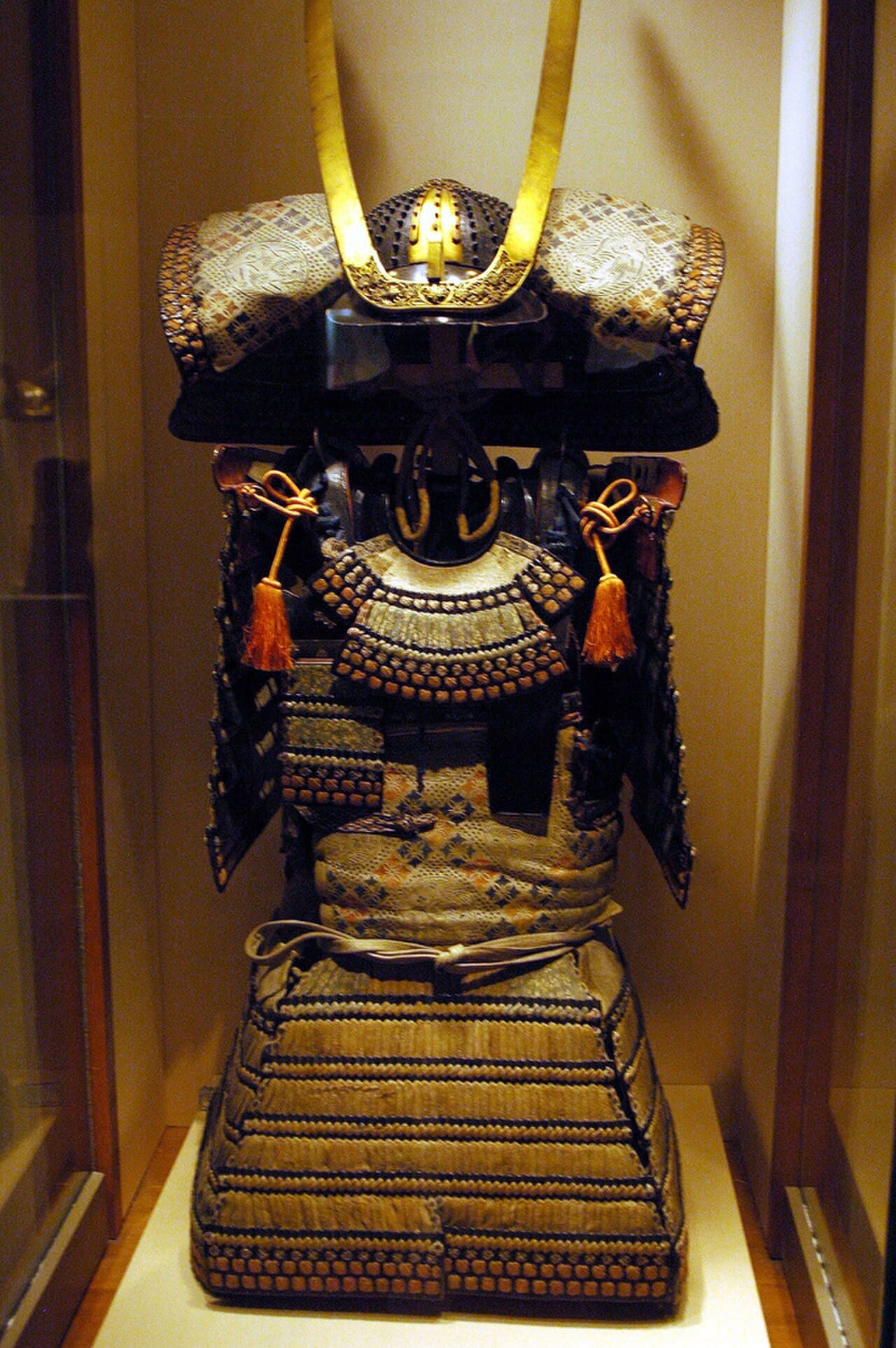
At Osaka's top-rated samurai studios, you don't just watch — you dress the part. Osaka's benchmark is SAMURAI HONOR, a dedicated dojo two minutes from Osaka Castle Park (1 minute from Osaka Business Park Station). Osaka's official tourism site lists three courses: the 40-minute SAMURAI RISE course (from ¥16,500) for a fast, photo-focused taste of armor and stance basics, the 120-minute HONOR course (from ¥27,500), which adds a short warrior-style tea ceremony and writing a parting poem in the samurai tradition, and the 150-minute BUSHIDO course (from ¥33,000), which adds a seppuku-ritual demonstration for travelers who want the deepest dive. That listing describes the sword segment as feeling the weight and sharpness of an authentic Japanese sword and learning to draw and sheathe it; it does not mention cutting. The studio's own price list (checked September 24, 2026) names and times the plans differently: Rise Plan (90 min, ¥16,500), Owner Plan (150 min, ¥27,500) and Bushido Plan (180 min, ¥33,000), and lists iaijutsu and "test cutting" (tameshigiri) in all three, plus a 60-minute "Iaido Only (Test Cutting)" plan at ¥11,000. Neither page says what blade or target the test cutting uses, and the studio's Japanese course page describes handling a mock sword to feel the weight of a real one. Since December 25, 2024, a National Police Agency notice has told police nationwide that tourists using registered swords for momentary amusement is, in principle, not permitted under the Swords and Firearms Control Law, so ask the studio exactly what you will cut with, and with which sword, before you book (our Kyoto samurai experience guide explains the rule). Every course ends with a professional photo shoot — some plans include the option to walk to Osaka Castle itself in full armor for backdrop photos. English- and Chinese-speaking staff run the sessions, and the studio asks you to book at least a day ahead online, or same-day by phone if a slot is open.
Why choose this vs. the alternatives
SAMURAI HONOR wins on convenience and clarity: it's a 1–2 minute walk from a train station, has the most clearly published pricing of any Osaka samurai venue, and both Osaka's official tourism board and independent booking platforms confirm English support. If you'd rather train than pose for photos, Samurai Training Experience KENDO in Osaka, a dojo near Kyobashi Station, puts you in full kendo armor with a shinai (bamboo sword) for a 2-hour, English-taught session (from about $125 — confirm the exact price at booking) that's closer to real practice than a costume shoot. Budget-conscious travelers who don't mind a Japanese-first class can look at MAIKOYA's Shushinkan dojo near Itami, though its own site describes English support as "basic" rather than fluent, so first-timers who need every instruction translated may find the Osaka Castle studio or the Kyobashi kendo dojo an easier fit. Comparing cities rather than studios? Our Tokyo samurai experience guide covers Tokyo's dojos for travelers building a multi-city itinerary.
Etiquette, in brief
The one rule every studio enforces: you never draw or handle a blade — training or live — until an instructor hands it to you and tells you to. Arrive with a long-sleeved undershirt and loose pants under your clothes, since the armor or hakama goes on over this base layer, and get there 20–30 minutes early for changing. The warrior-style tea segment on higher-tier courses follows a simplified version of real tea ceremony manners; for the full etiquette rundown before a more formal chakai, see our tea ceremony etiquette guide.
Getting there
SAMURAI HONOR sits inside the Excellence Takayama building, 2-3-19 Shiginonishi, Joto-ku — 1 minute from Osaka Business Park Station (Nagahori Tsurumi-ryokuchi Line) or 2 minutes from Osaka-jo Koen Station on the JR Osaka Loop Line, both a short walk from Osaka Castle Park. The Kyobashi kendo dojo is about 10 minutes on foot from Kyobashi Station. Building a longer cultural day around Osaka Castle? Pair this with our Kyoto cultural experiences guide for the Kyoto leg of a Kansai trip.
- Dress in genuine samurai armor or a hakama and pose for a pro photo shoot, with an option to walk to Osaka Castle itself in costume
- SAMURAI HONOR's own price list includes "test cutting" (tameshigiri) in its Rise, Owner and Bushido plans — it doesn't say which sword or target is used, so ask when you book
- Learn 3–4 basic kamae (sword stances) before an instructor ever lets you near a blade
- Higher-tier courses add a short warrior-style tea ceremony and writing a jisei (parting poem) in the samurai tradition
The one rule every studio enforces: never draw or handle a blade — training or live — until an instructor hands it to you and tells you to. Arrive 20–30 minutes early wearing a long-sleeved undershirt and loose pants underneath your clothes, since the armor or hakama goes on over this base layer.