
What to expect
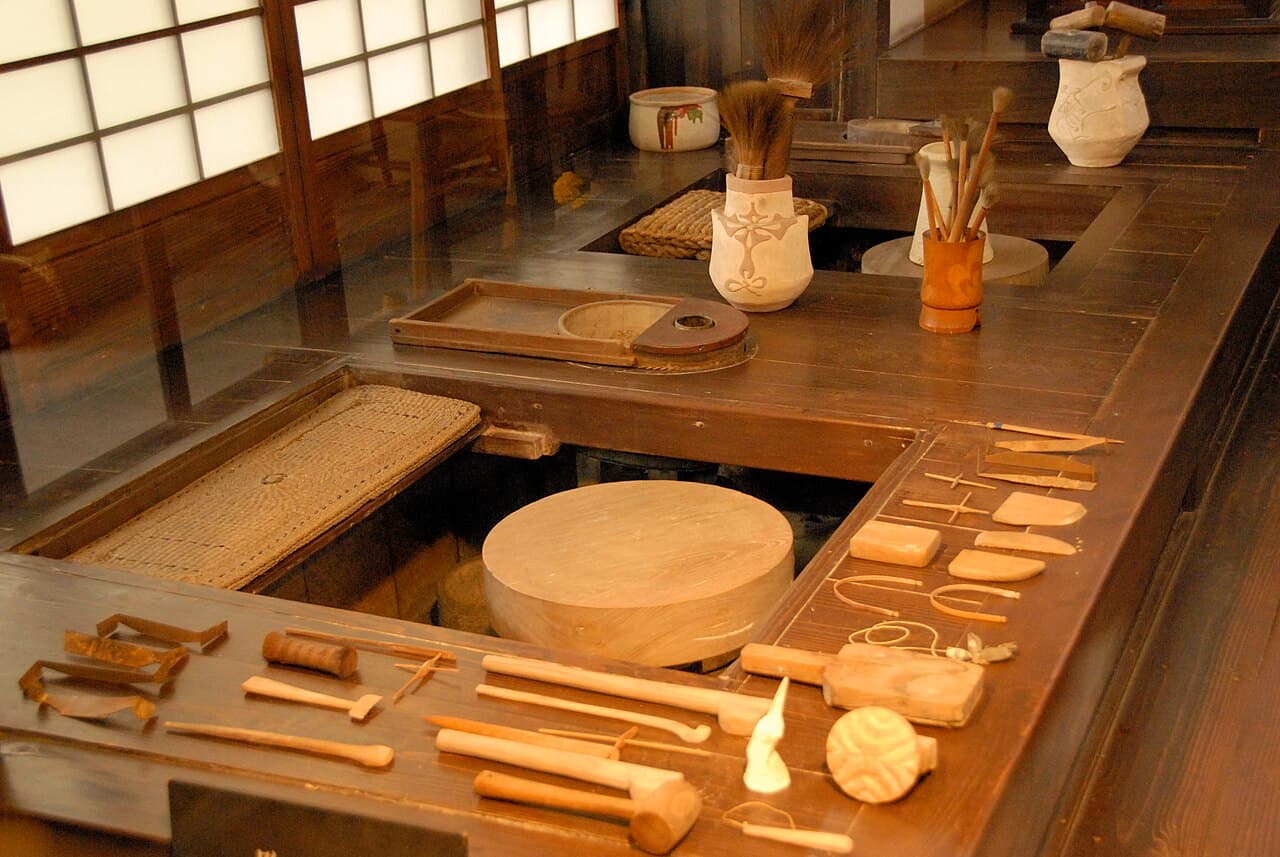
Osaka has real, working pottery studios where you can sit at an electric wheel and throw your own bowl or cup — this isn't a staged tourist demo. At Soil Dream (Tsuchimu) in Honmachi, a 3-minute walk from Honmachi Station on the Midosuji Line, a 150-minute session (120 minutes of it hands-on) gets you 1kg of clay, an instructor at your elbow, and a choice of glaze, for ¥8,800. At Horikoshi Tobo near Tennoji Station and Abeno Harukas, the "deluxe" course lets you throw two pieces in about an hour for ¥6,050, including a rental apron (a cheaper single-piece course reportedly runs around ¥3,300, per third-party listings — confirm the current price at booking). In both cases, nobody hands you a finished piece to take home that day: everything gets trimmed, glazed and fired by the studio, then shipped to you weeks later. Shipping is usually a separate cost, so budget for it and don't expect a same-day souvenir.
Why choose this vs. the alternatives
Here's the honest part: after checking every wheel-throwing studio's own site and booking pages, none of them advertise fluent, native-level English instruction. Soil Dream doesn't promise it either. Its own listings describe an instructor working closely at your side regardless of experience level, which is standard reassurance rather than a guarantee of fluent English — so take it as a mild positive signal, not proof. We lead with Soil Dream here because of what we could actually confirm: it's the cheapest of the three (¥8,800), the closest to a station (3 minutes from Honmachi), and gives you the most hands-on wheel time (120 minutes) of any option in this guide — not because it promises English fluency. Horikoshi Tobo's English is described only vaguely ("English necessary for teaching" on its ActivityJapan listing) — book through the English-language Rakuten or ActivityJapan interface and confirm details before you go.
If communicating easily in English matters more to you than sitting at a wheel, Tougei Tocoton in Ikuno Ward is the honest trade-off: Anna, a Barcelona-trained potter who has lived in Japan since 2019, teaches fluently in English, Spanish and Japanese. But the technique on offer is kurinuki — hand-carving a solid block of clay into a bowl — not wheel-throwing. It's a slower, arguably deeper ritual for a first pottery experience, but don't book it expecting to spin a wheel. We cover more of this trade-off between authenticity and ease of communication across Kansai in our Kyoto cultural experiences guide.
Etiquette, briefly
The one thing worth knowing before you sit down: wear something you don't mind staining, and take off rings and bracelets — wet clay on a spinning wheel finds every gap. Beyond that, treat the studio like any workshop: watch first, follow the instructor's hands before your own, and don't rush to "fix" a lopsided piece — a slightly uneven bowl is normal for a first try, not a failure. For the fuller cultural ground rules that carry across tea ceremony, kimono and craft experiences alike, see our tea ceremony etiquette guide.
Getting there
Soil Dream is 3 minutes on foot from Honmachi Station (Midosuji Line), in Chuo-ku. Horikoshi Tobo is about a 5-minute walk from Abeno Harukas, close to Tennoji Station. Tougei Tocoton is roughly 12 minutes on foot from JR Teradacho Station's north exit, in Ikuno Ward — further out, but an easy way to see a quieter, more local side of Osaka. All three require booking ahead; none of them are reliable same-day walk-ins.
- ¥8,800 for a full 150-minute session at Soil Dream in Honmachi — 120 minutes of real hands-on wheel time plus 1kg of clay and a choice of glaze
- A 1-hour, two-piece "deluxe" wheel course at Horikoshi Tobo, a 5-minute walk from Abeno Harukas, for ¥6,050
- The kurinuki ritual at Tougei Tocoton in Ikuno Ward: carving a raw block of clay into a bowl by hand, guided in fluent English by a Barcelona-trained potter
- Every finished piece is trimmed, glazed and fired after you leave, then shipped weeks later — plan for a photo of your work, not a same-day souvenir
Wear clothes you don't mind staining and take off rings or bracelets before touching the wheel or wet clay. Your piece won't come home with you that day — it needs firing and glazing first, so treat the class as a hands-on lesson (and a souvenir that arrives weeks later), not an instant keepsake.