
The Best Traditional Cultural Experiences in Tokyo (and How to Book Them)
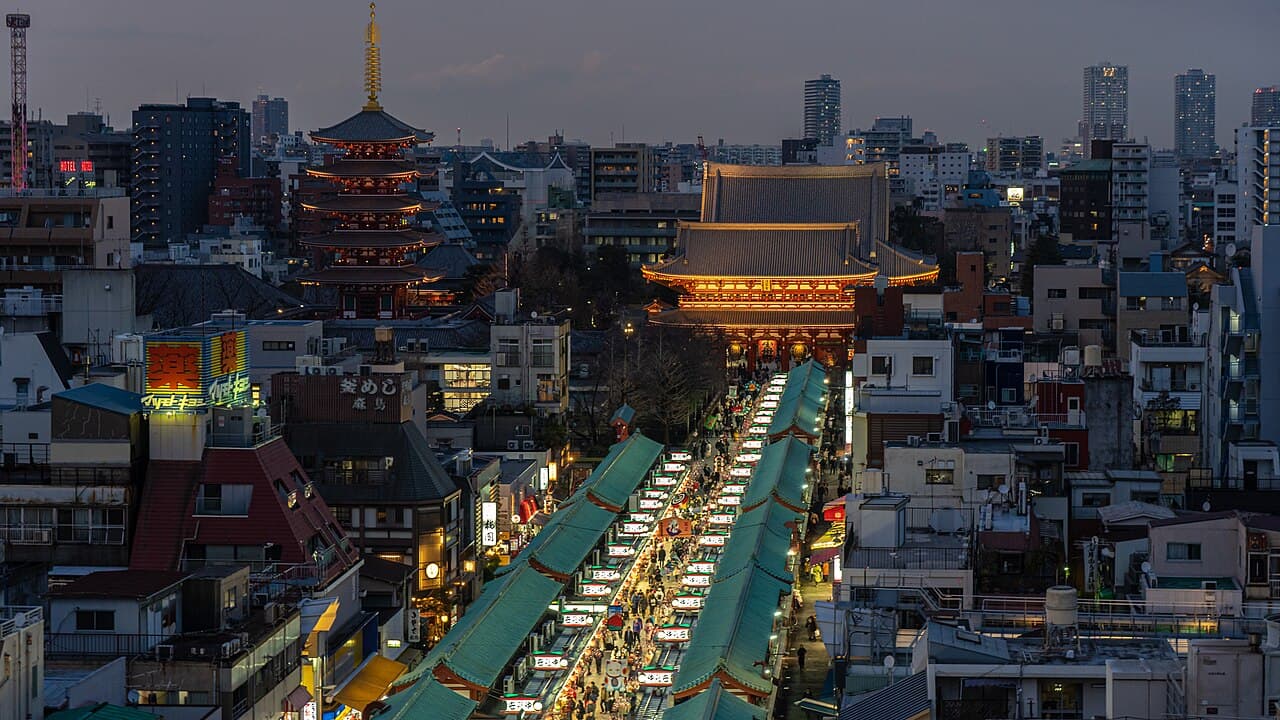
The best traditional cultural experiences in Tokyo are wearing a kimono in Asakusa, sitting for a tea ceremony, making Edomae sushi, training in samurai or ninja arts, and hands-on craft classes in calligraphy, ikebana, kintsugi and taiko drumming. Most cluster around Asakusa, Tokyo's old-town cultural heart, and each can be booked in advance. Here's how to choose.
Tokyo is often seen as neon and speed, but it is also old Edo — and its living traditions are unusually easy to try as a visitor. Below are nine curated experiences, grouped by the kind of day you want, each linking to a page with the verified booking details. For the wider picture, see our best cultural experiences in Japan pillar and, if you're pairing cities, Kyoto's cultural experiences.
Start in Asakusa: wear & walk it
Asakusa is Tokyo's shitamachi (old town), built around Sensoji, a Buddhist temple founded in the 7th century whose Kaminarimon gate and Nakamise shopping street are the district's icons. It's the most popular place in the city to rent a kimono and stroll historic lanes.
- Kimono rental in Asakusa — dress in a full kimono and explore Sensoji and its backstreets on foot. → Book the Asakusa kimono rental
Warrior culture: samurai & ninja
During the peaceful Edo period (1603–1868) samurai shifted from battlefield warriors to administrators, bound by the bushido code of loyalty and self-discipline. The shinobi (ninja) were a covert espionage class that emerged earlier, in the Sengoku era.
- Samurai experience — learn stances, etiquette and the spirit of bushido. → Samurai experience in Tokyo
- Ninja experience — try the stealth-and-agility arts of the shinobi. → Ninja experience in Tokyo
Hands & craft: calligraphy, kintsugi, ikebana
- Calligraphy (shodo) — brush-and-ink writing introduced from China around the 6th–7th century; you work with a fude brush, sumi ink and paper. → Calligraphy class in Tokyo
- Kintsugi — "golden joinery": mend broken pottery with lacquer dusted in gold, celebrating the crack rather than hiding it. → Kintsugi class in Tokyo
- Ikebana — Japanese flower arranging, tracing to 6th-century Buddhist offerings; the oldest school, Ikenobo, is rooted in Kyoto. → Ikebana class in Tokyo
Taste & make: Edomae sushi
Nigiri sushi is literally a Tokyo invention: Edomae sushi (edo-mae = "in front of Edo," meaning Tokyo Bay) was popularized in the 1820s by chef Hanaya Yohei as fast food of fresh fish on vinegared rice.
- Sushi-making class — shape your own nigiri the Edomae way. → Sushi making in Tokyo
Sound & stillness: taiko & tea ceremony
- Taiko drumming — Japanese wadaiko drums; the synchronized ensemble style (kumi-daiko) dates to 1951. → Taiko drumming in Tokyo
- Tea ceremony — chanoyu, shaped ~500 years ago by tea master Sen no Rikyu, whose wabi-cha style prizes rustic simplicity. → Tea ceremony in Tokyo
A quiet through-line: wabi-sabi, the beauty of imperfection and transience, connects the tea ceremony and kintsugi — both find grace in the worn and the mended.
Tokyo cultural experiences at a glance
| Experience | Area | What you do |
|---|---|---|
| Kimono rental | Asakusa | Wear a kimono, walk Sensoji |
| Samurai experience | Tokyo | Learn samurai stances & bushido |
| Ninja experience | Tokyo | Try shinobi stealth arts |
| Calligraphy | Tokyo | Brush shodo with ink & paper |
| Kintsugi | Tokyo | Mend pottery with gold lacquer |
| Ikebana | Tokyo | Arrange flowers, Japanese style |
| Sushi making | Tokyo | Shape Edomae nigiri |
| Taiko drumming | Tokyo | Play wadaiko in ensemble |
| Tea ceremony | Tokyo | Whisk & drink matcha |
Which should you pick?
- Short on time / one experience: the Asakusa kimono rental or a tea ceremony are the most iconic and beginner-friendly.
- Travelling with kids or want fun: samurai, ninja or taiko drumming are active and hands-on.
- Craft-minded and calm: calligraphy, kintsugi or ikebana reward patience.
- Foodies: the sushi-making class turns a meal into a skill.
Many Tokyo studios offer English support (as of 2026), but formats and locations vary by operator — check each experience page for details. Timing a visit around a festival? Pair these with seasonal happenings via japan-event.info's Tokyo guide.
FAQ
What is the most popular cultural experience in Tokyo?
Renting a kimono in Asakusa is among the most popular, because you can wear it while exploring Sensoji and the old-town lanes. Tea ceremony is another classic, beginner-friendly choice.
Where in Tokyo can I wear a kimono?
Asakusa, around Sensoji, is the go-to neighborhood — it's Tokyo's traditional-culture hub and where kimono rental is especially popular. → Book the Asakusa kimono rental.
Do these experiences have English support?
Many Tokyo studios offer English support as of 2026, but it varies by operator and can change. Check the specific experience page before booking.
Which experience is best for families or kids?
Active options like the samurai, ninja and taiko drumming experiences tend to be the most fun and hands-on for younger travellers.
Is sushi really from Tokyo?
Yes — nigiri sushi is an Edo (old Tokyo) invention. Edomae sushi was popularized in the 1820s in Tokyo, using fresh fish from Tokyo Bay on vinegared rice.
How do I book these experiences?
Each experience above links to its own page with the verified booking details. Choose the one you want and reserve in advance, as popular slots fill up.
Should I do a cultural experience in Tokyo or Kyoto?
Do both if you can — Tokyo shines for Edo-era culture and sushi, while Kyoto leans into temples and tradition. See our Kyoto cultural experiences guide to compare.
Try it yourself
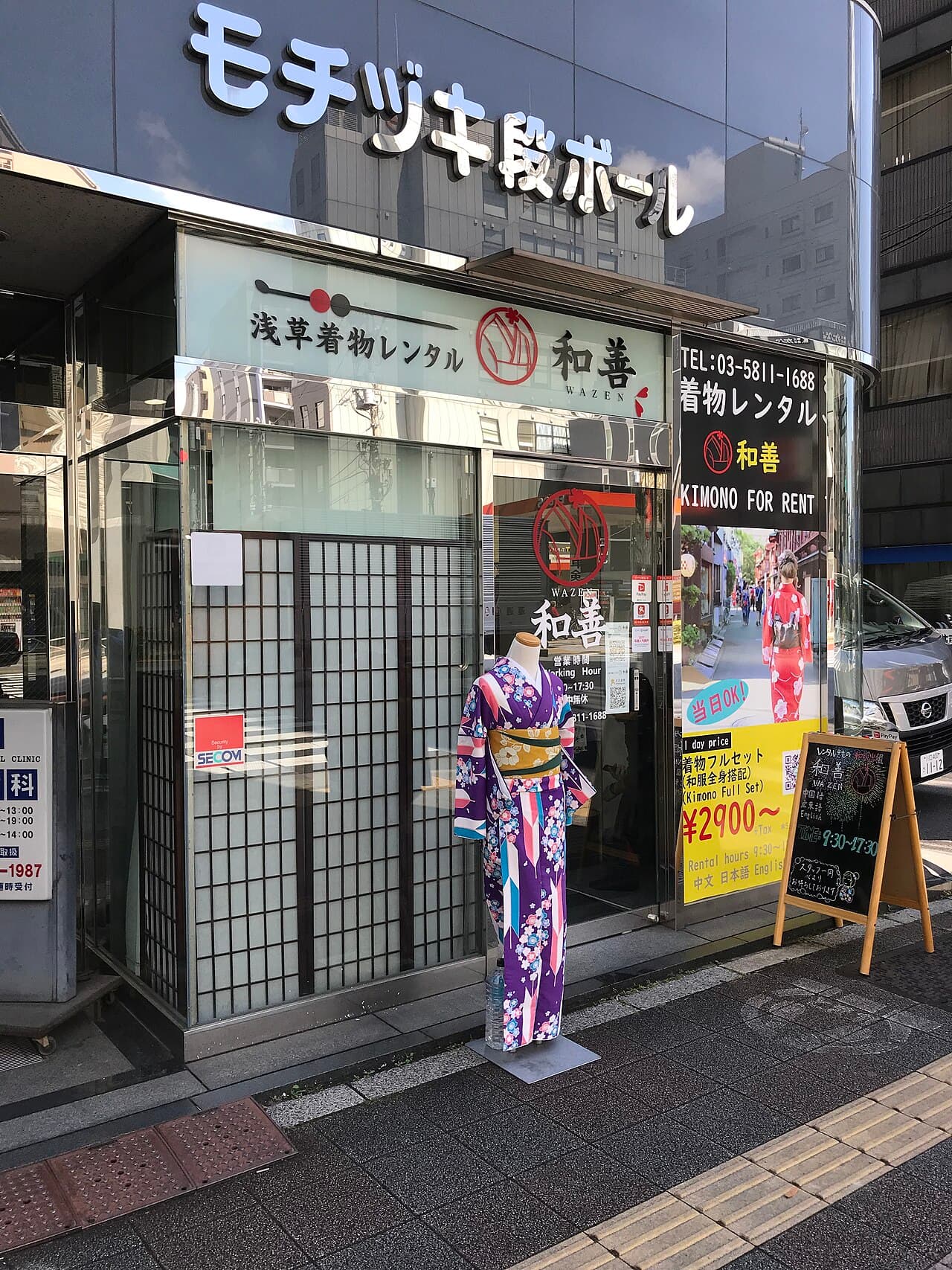
Kimono rentalTokyo
Kimono rental in Asakusa — prices, where to book, and how it works
Where to rent a kimono in Asakusa, English-friendly, with honest prices, what's included, the one rule for wearing it — and a direct way to book.
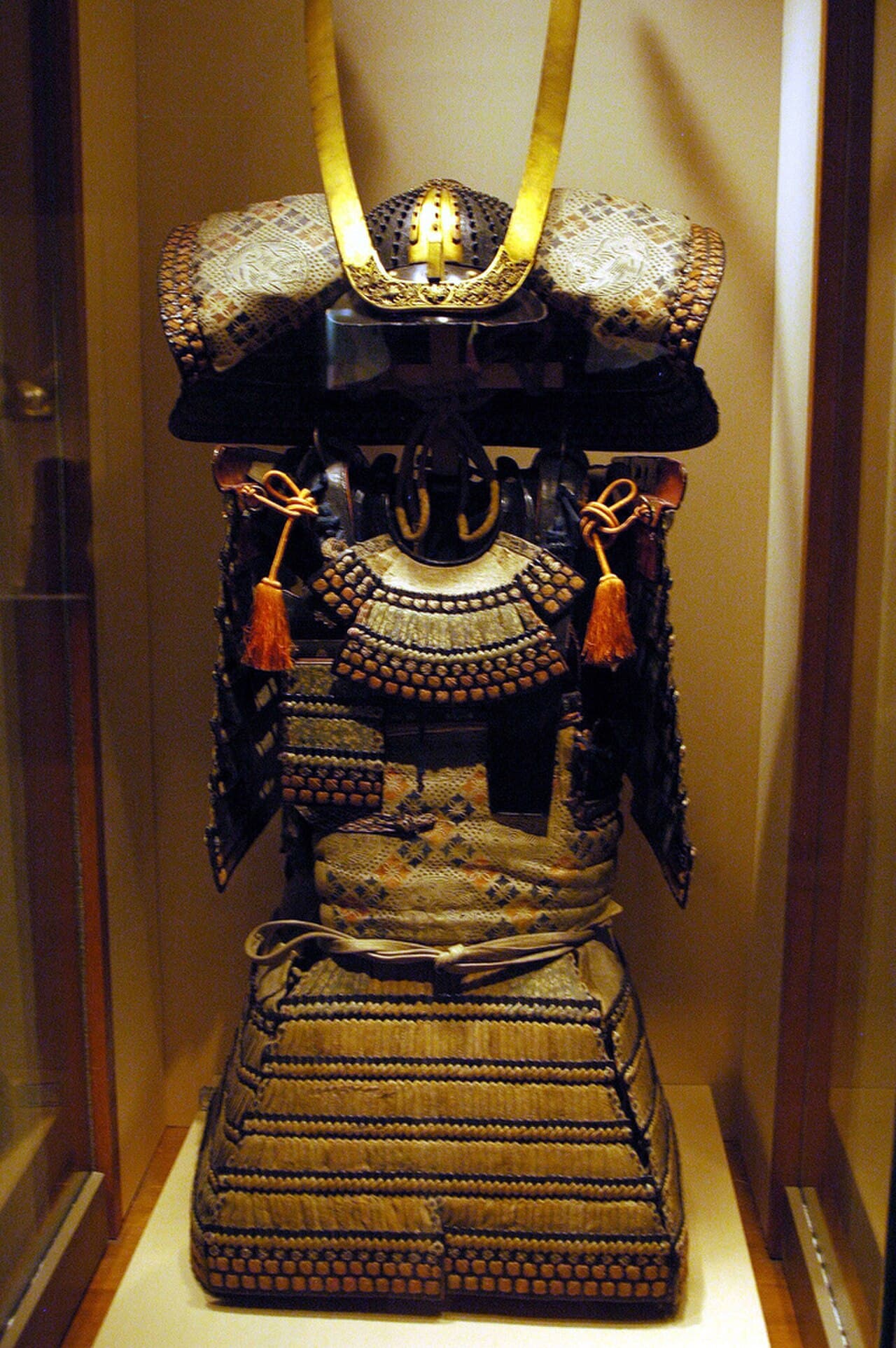
SamuraiTokyo
Samurai experience in Tokyo — English sword classes, prices, and how to book
Where to do a real samurai sword experience in Tokyo, in English — honest prices, what each studio includes (tameshigiri, armour, photos), and how to book.
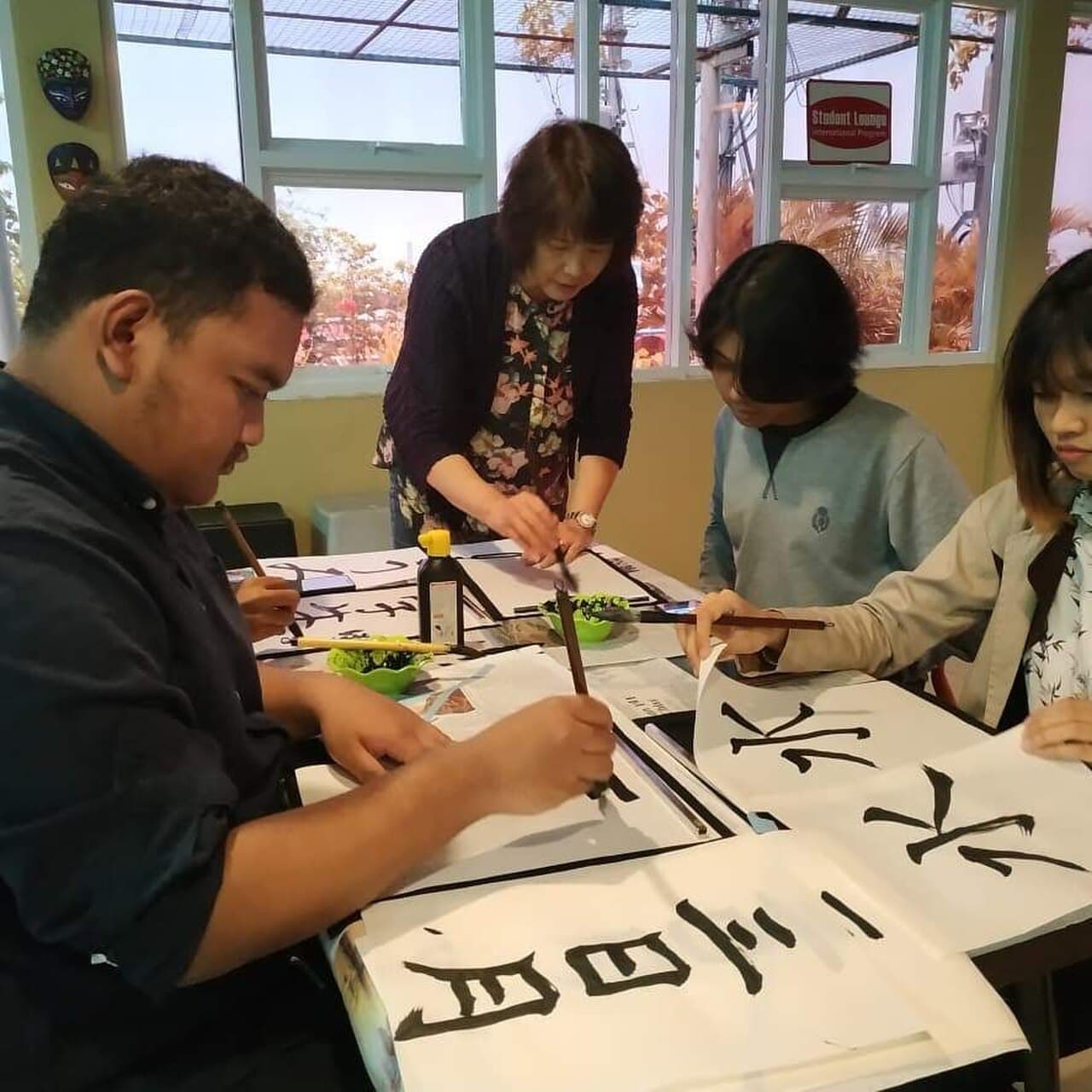
Calligraphy (shodō)Tokyo
Japanese calligraphy class in Tokyo — English, beginner-friendly (and how to book)
Where to actually take a Japanese calligraphy (shodō) class in Tokyo — English-guided, beginner-friendly, with honest prices and a direct way to book.