Kimono rental in Asakusa — prices, where to book, and how it works
Rent a full kimono steps from Senso-ji, get dressed in under an hour, and walk Asakusa in style — English-friendly shops, honest prices, same-day OK.
At a glance
The honest go-info- Language
- English-friendly — hosted or guided in English
- Duration
- Dressing 30–60 min; wear it until evening return (about 17:30–18:00)
- Price
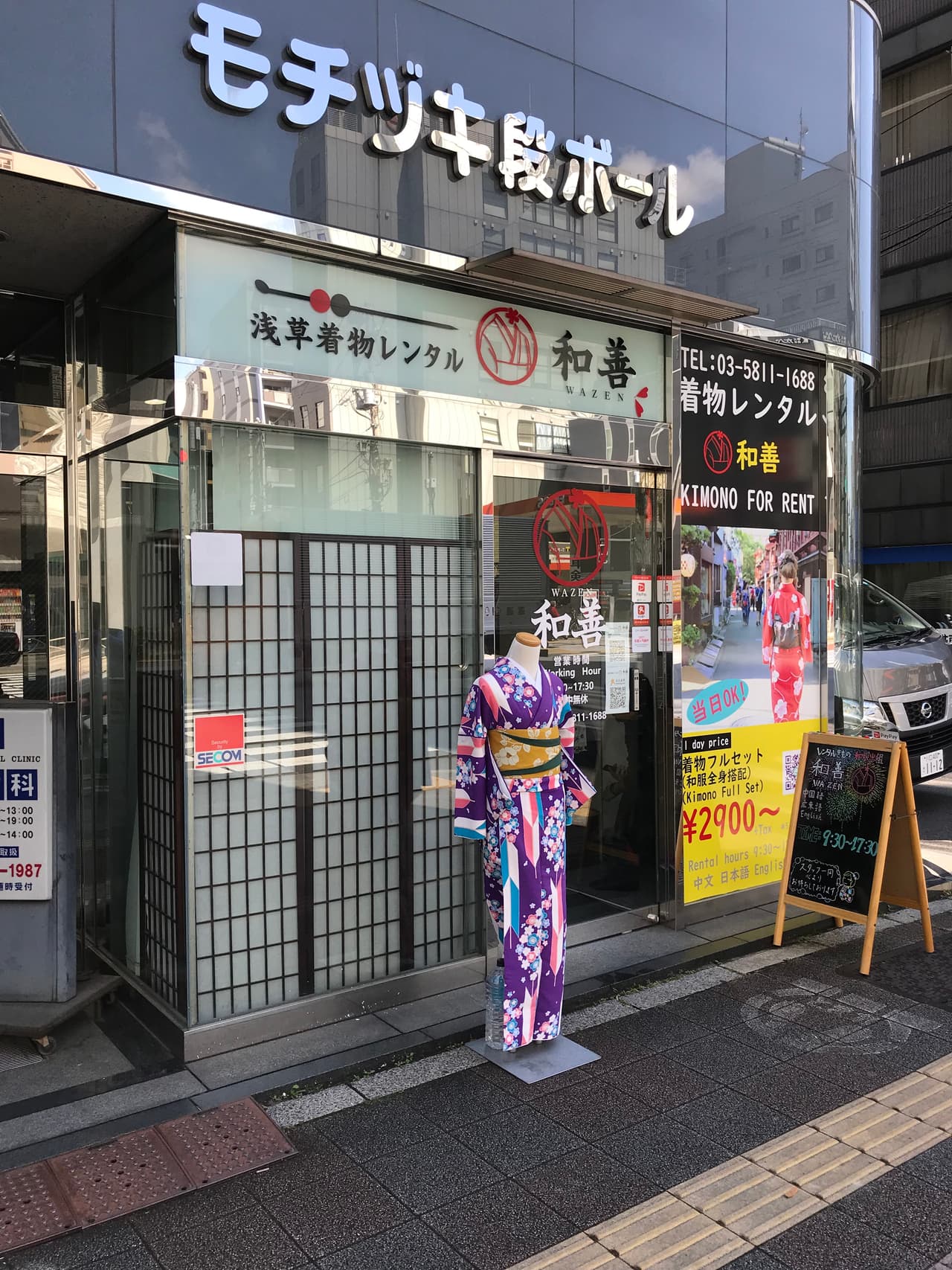
- From ¥2,900–¥6,000 for a same-day plan (kimono, obi, accessories & dressing). Hair styling and next-day return are paid add-ons.
- Booking
- Walk-ins usually fine — booking still safest in season
- Nearest station
- Asakusa Station (Ginza, Toei Asakusa, Tobu & Tsukuba Express lines)
- What to wear
- Wear a thin, easy-to-remove top and leggings or shorts underneath — you keep your own underwear on. Slip-on shoes help, as you'll change into geta or zōri sandals.
- Good for
- first-timers, couples, families with children, photography
The way · 道
- ArriveAsakusa Station (Ginza, Toei Asakusa, Tobu & Tsukuba Express lines)
- EtiquetteA few quiet manners go a long way — the etiquette →
- DoKimono rental
- BookReserve below, or walk in
The short answer
Asakusa is the easiest place in Tokyo to rent a kimono, and you don't need to book days ahead or speak Japanese. Walk-in-friendly shops around Senso-ji dress you in a full kimono — robe, obi sash, accessories and geta sandals — in about 30–60 minutes, and you keep it until the early evening. Expect from ¥2,900–¥6,000 for a same-day plan, with hair styling and next-day return as paid add-ons.
This page is the honest go-info: which English-friendly shops to book, what each really costs, and the one rule that matters when you put it on.
Where to book (English-friendly)
| Shop | Online from | What's included | Notes |
|---|---|---|---|
| Kimono Rental Wargo — Asakusa | ¥2,900 | Kimono, obi, accessories, dressing | Japan's largest chain; next-day return +¥1,100 |
| VASARA — Asakusa | ¥2,980 (Standard) | Kimono, obi, accessories, dressing | Hair styling & couple sets; 3-star plan ¥6,980 |
Book Wargo on its official Asakusa page and VASARA on its official Asakusa page. Both take online reservations in English — usually cheaper than walking in — but in cherry-blossom and autumn weeks the good time slots and popular patterns sell out, so reserve a few days ahead. Prices move with season and plan, so confirm on the shop's page before you pay.
What's included — and what costs extra
A base plan covers the kimono (or a yukata in summer), obi, under-robe, bag and geta, plus professional dressing. Common add-ons are hair styling (about ¥1,000–¥2,500), a next-day return (about ¥1,100) so you don't have to rush back, and photo plans. You change at the shop and leave in the kimono, so wear thin clothing underneath.
The one rule that matters
When the kimono is wrapped it is always left side over right (your right side goes against your body first). Right-over-left is reserved for dressing the deceased, so staff will get it right — but it's good to know. Take small steps and don't tug the collar tight at the throat. Our how to wear a yukata guide walks through wearing and obi basics.
Make a day of it
Asakusa rewards a kimono walk: the Kaminarimon gate, the Nakamise shopping street, Senso-ji temple, and a riverside view across to Tokyo Skytree. Pair it with another Tokyo session — many travellers add a samurai experience in Tokyo. Heading to Kyoto next? See the best cultural experiences in Kyoto, or learn the etiquette of the tea ceremony you might do in your kimono. For festivals worth dressing up for, check japan-event.info.
Highlights
- Walk Senso-ji, Nakamise and the Sumida riverside in full kimono
- Same-day rental — dressing, obi and accessories included
- Hundreds of patterns, plus couple and family sets
- Optional hair styling and professional photo plans
Good to know
A kimono is always wrapped left side over right (your right side goes against your body first) — right-over-left is only for dressing the deceased. Take small steps and don't pull the collar tight at the throat. See our how to wear a yukata guide for the basics.